The Madhya Pradesh High Court has reaffirmed the foundational principle that bail is the rule and jail the exception, granting relief to two accused in a case marred by investigative negligence under the MP Excise Act. The Court not only released the applicants on bail but also imposed costs on the investigating officer for misapplying Section 34(2), highlighting systemic failures in legal comprehension among frontline police personnel.
Background & Facts
The Dispute
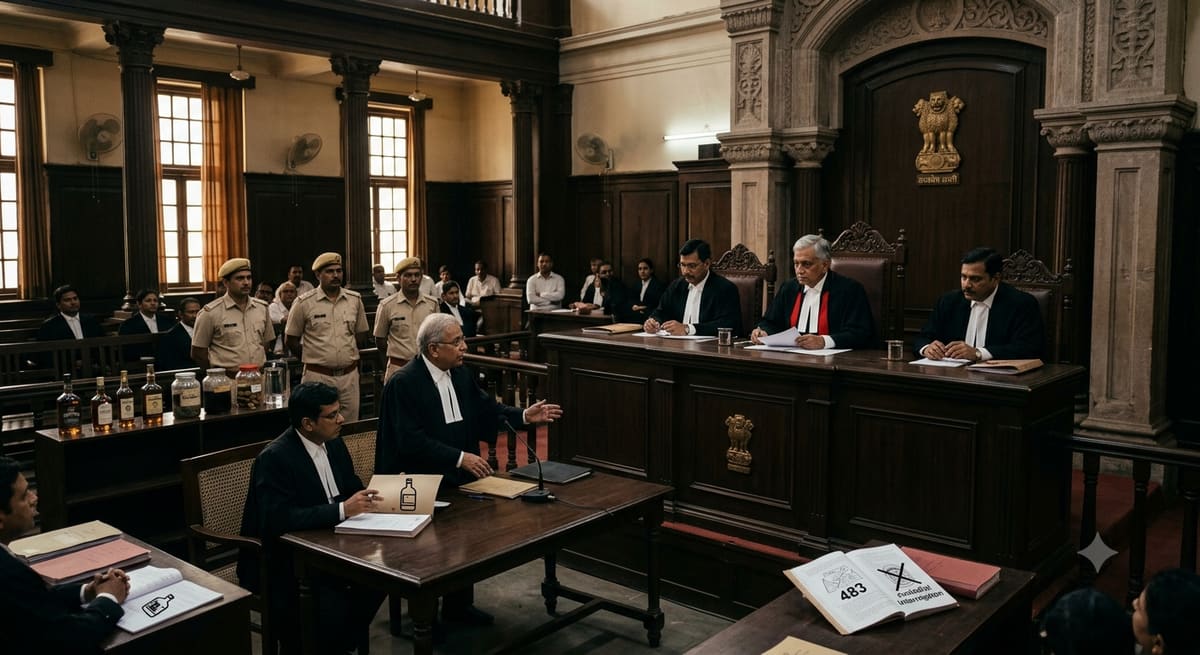
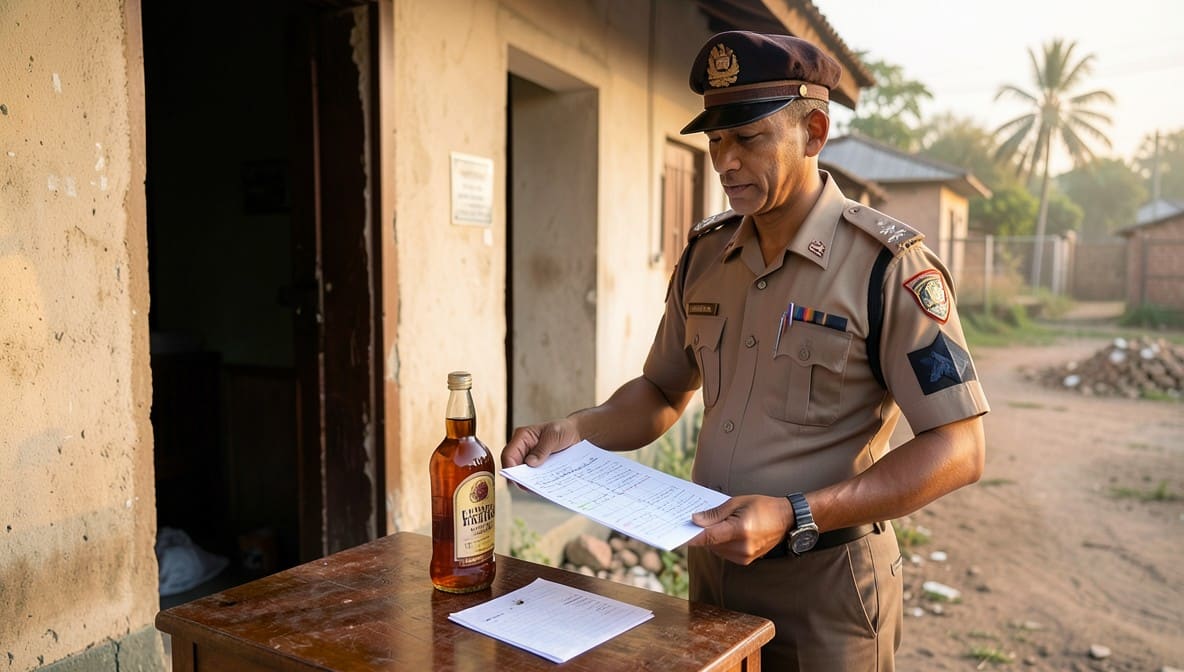
The applicants, Ashish Hada and another, were accused of offences under Section 34(2) and Section 46 of the Madhya Pradesh Excise Act, 1915, following a police raid on 02.10.2025 at the rear of their residence in Salsalai, District Shajapur. The police acted on secret information alleging illicit liquor sales. Upon arrival, the applicants fled the scene. A search yielded 72 bulk litres of unauthorized county-made plain liquor and desi liquor, which was seized. An FIR (Crime No. 283/2025) was registered, and the applicants were arrested on 28.04.2026.
Key Facts
- The raid occurred on 02.10.2025 at a private residence in Salsalai, District Shajapur
- 72 bulk litres of illicit liquor were recovered from the premises
- The applicants were not present at the time of seizure
- No prior criminal antecedents were found against either applicant
- The applicants are aged approximately 48 and 19 years respectively
- The charge sheet was filed on or before 28.04.2026, the date of arrest
- The applicants have been in custody since 28.04.2026
- No evidence was presented to establish direct, conscious, or immediate possession by the applicants
Procedural History
- 02.10.2025: Police raid and seizure of liquor at Salsalai
- 28.04.2026: Arrest of applicants; FIR registered under Sections 34(2) and 46 of MP Excise Act
- 12.05.2026: Application filed under Section 483 of the Bhartiya Nagrik Suraksha Sanhita, 2023, seeking regular bail
- 12.05.2026: Hearing before the High Court, Indore Bench
The Parties' Positions
For the Applicants
The applicants’ counsel contended that they were innocent and had not committed any offence. The liquor was not found in their direct or immediate possession. The prosecution failed to establish mens rea or active involvement. The applicants had no criminal history, were aged, and faced a prolonged trial. The charge sheet had already been filed, and the case was not of a grave or heinous nature warranting continued custody.
For the Respondent/State
The State’s counsel opposed bail but conceded that no criminal antecedents were reported against the applicants. No substantive argument was advanced to refute the claim that the prosecution’s case under Section 34(2) was legally unsustainable.
Relief Sought
The applicants sought regular bail under Section 483 of BNSS, 2023, with conditions, pending trial. They requested release on personal bond with surety, subject to compliance with statutory bail conditions.
The Legal Issue
The central question was whether the applicants, who had no prior record and were charged under a provision arguably misapplied by the investigating officer, could be denied bail merely because a charge sheet had been filed, or whether the principle that bail is the rule must prevail in the absence of compelling reasons to the contrary.
Arguments Presented
For the Appellant/Petitioner
The applicants’ counsel relied on the constitutional guarantee under Article 21 and the settled doctrine that bail is the rule, jail the exception. They emphasized that the prosecution had failed to establish direct possession or intent, and that the charge sheet had already been filed, indicating the investigation was complete. The applicants’ age, lack of antecedents, and the likelihood of a prolonged trial were cited as compelling factors in favor of release.
For the Respondent/State
The State did not contest the factual posture of the applicants’ innocence or the absence of criminal history. The counsel conceded the lack of antecedents and did not argue that the applicants posed a flight risk or threat to witnesses. The opposition to bail was largely formal, without substantive legal rebuttal.
The Court's Analysis
The Court conducted a meticulous review of the case diary and the legal basis for invoking Section 34(2) of the MP Excise Act, which permits enhanced punishment for possession of more than 50 bulk litres of illicit liquor. The Court noted that the investigating officer, Sub Inspector Ram Dayal Bairagi, could not articulate the precise legal requirement for invoking this provision, despite being present in court. This demonstrated a fundamental lack of legal awareness among frontline officers.
"Such state of affairs about the knowledge of the officers who are registering FIR and investigating the cases is not proper."
The Court further observed that prima facie, the ingredients of Section 34(2) were not satisfied in toto, rendering the entire investigation and subsequent proceedings a waste of judicial and police resources. The Court explicitly characterized this as "sheer negligence".
The Court acknowledged that while an exemplary cost of Rs. 5 lakhs was warranted, it refrained from imposing such a heavy burden on a Sub Inspector, instead ordering a cost of Rs. 50,000 to be split between the Indore High Court Bar Association and the MP Legal Services Authority. This was framed as a corrective measure to deter future negligence.
In considering bail, the Court applied the triple test - nature of offence, likelihood of flight, and risk to witnesses - and found none of the deterrent factors present. The applicants’ age, absence of criminal record, and the fact that the charge sheet had been filed weighed heavily in their favor. The Court reiterated that Article 21 mandates a presumption of innocence and prohibits prolonged pre-trial detention without justification.
The Verdict
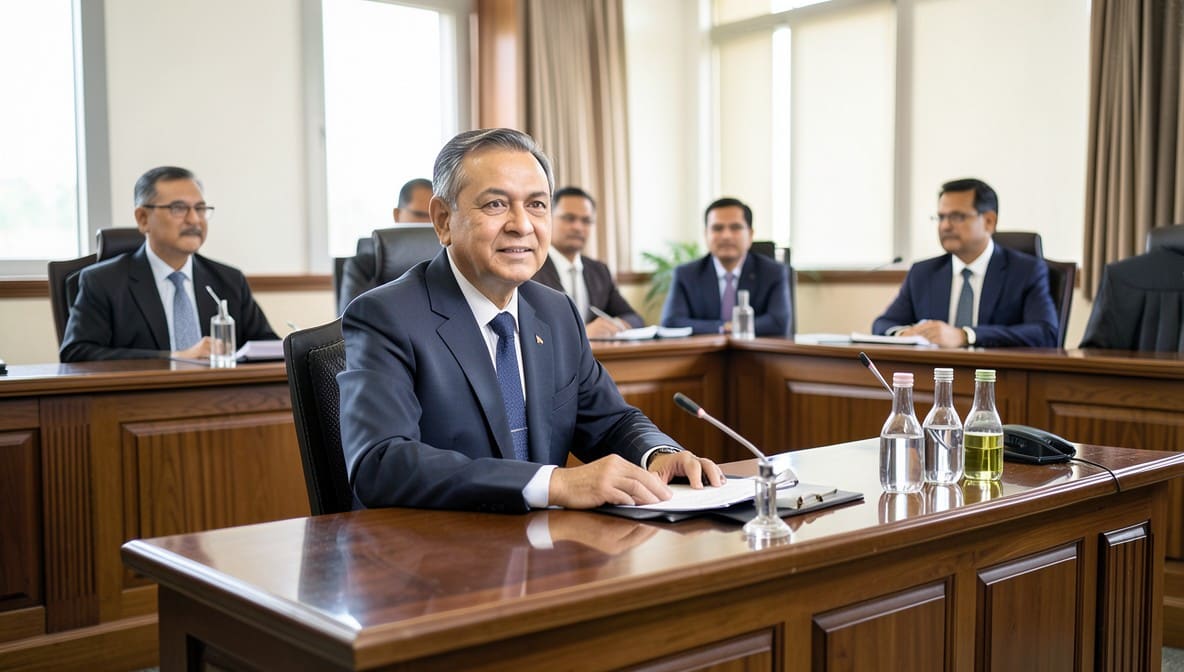
The applicants succeeded. The Court granted regular bail, directing their release on furnishing a personal bond of Rs. 50,000 each with one solvent surety each in the same amount, to be approved by the trial court. They must appear regularly before the trial court on all dates, comply with all conditions under Section 480(3) of BNSS, 2023, and refrain from influencing witnesses or committing further offences. The bail order remains effective until the conclusion of trial, subject to cancellation for breach. The investigating officer was directed to deposit Rs. 25,000 each with the Indore High Court Bar Association and MP Legal Services Authority within seven days.
What This Means For Similar Cases
Bail Cannot Be Denied on Mere Formality of Charge Sheet Filing
- Practitioners must argue that filing a charge sheet does not equate to a prima facie case for detention
- Courts must apply the bail is the rule doctrine even when the offence is under a special statute like the MP Excise Act
- Absence of antecedents and prolonged custody are decisive factors under Article 21
Investigative Negligence Has Consequences
- Courts will impose costs on officers who misapply statutory provisions due to ignorance
- Periodic legal training for police personnel is now a judicial expectation
- Misuse of provisions like Section 34(2) without factual or legal basis invites judicial censure
Section 34(2) Requires Precise Factual Foundation
- Possession of over 50 bulk litres alone is insufficient; the prosecution must establish lawful custody or control
- Seizure from premises without proof of direct possession does not satisfy the ingredient of "possession" under the Act
- Defence counsel should challenge the applicability of enhanced penalties at the earliest stage