The High Court of Chhattisgarh has set aside a conviction under the Chhattisgarh Excise Act, 1915, holding that the prosecution’s failure to comply with mandatory procedural safeguards - particularly in the sealing and custody of seized liquor - renders the entire case unsustainable beyond reasonable doubt. This judgment reinforces the principle that procedural integrity is not a technicality but a constitutional imperative in criminal prosecutions involving contraband.
Background & Facts
The Dispute
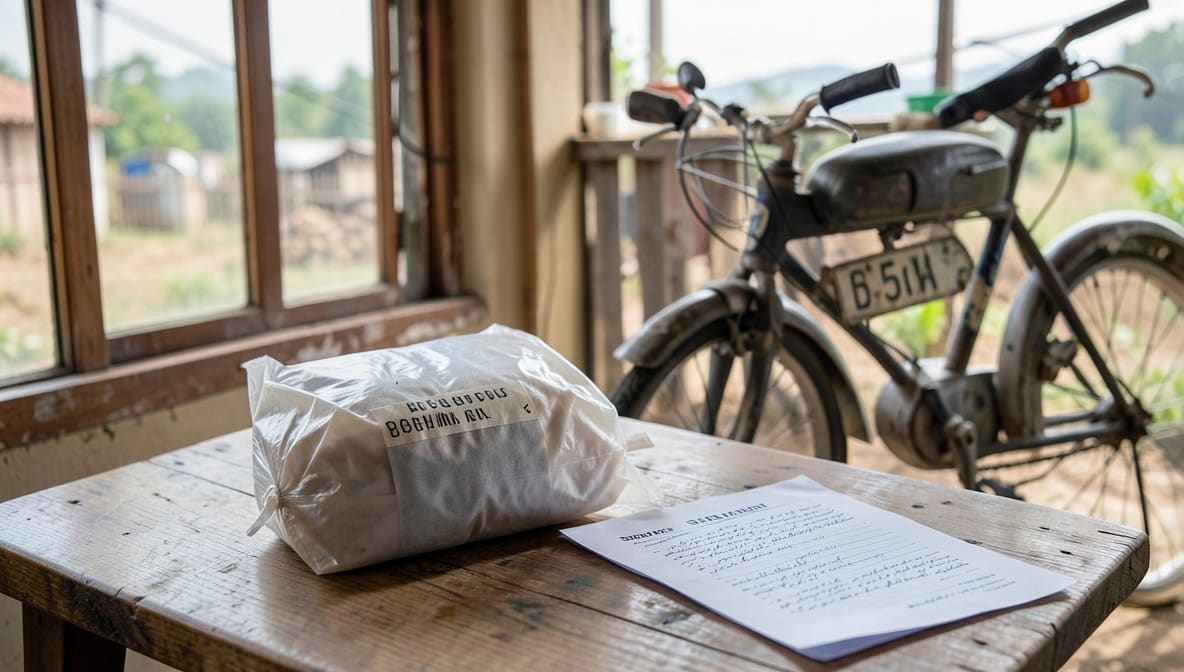
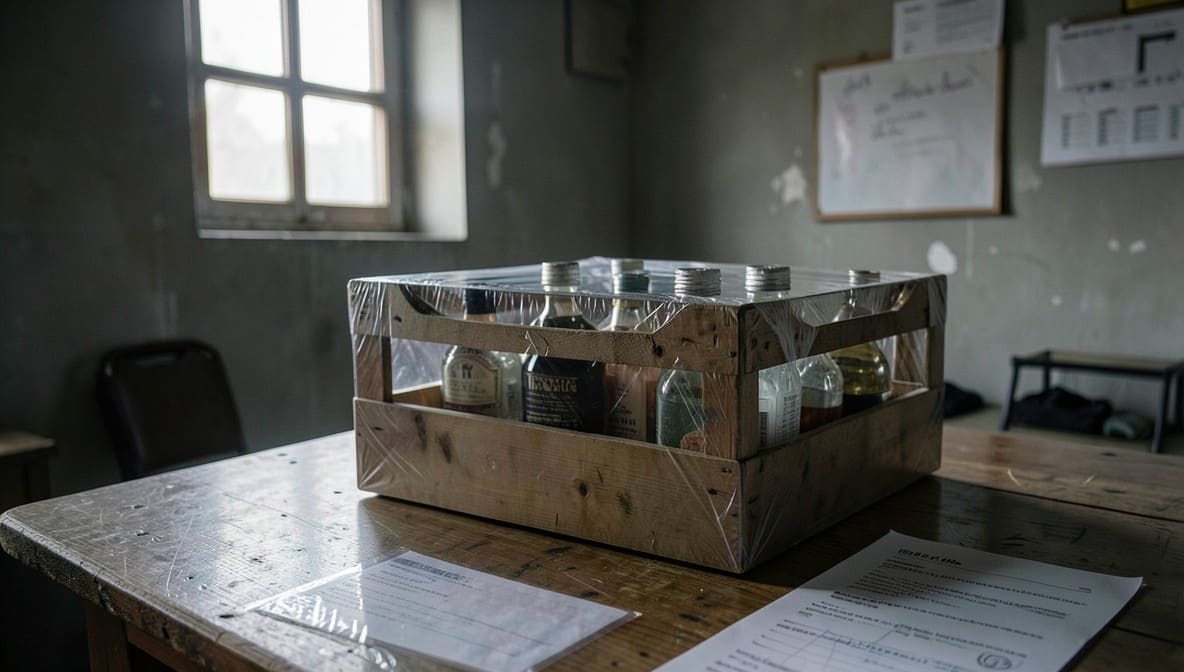
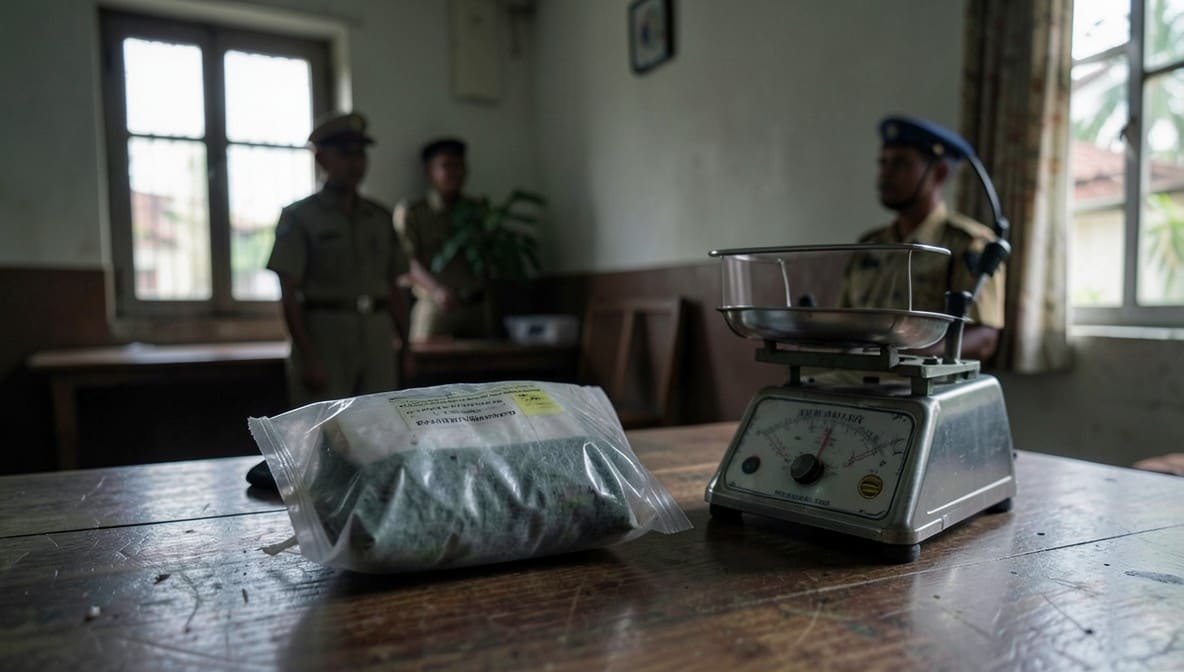
The applicant, Basant Suryawanshi, was charged under Section 34(2) of the Chhattisgarh Excise Act, 1915 for being in possession of 48 quarters (approximately 24 liters) of country-made liquor. The prosecution alleged that on 31.12.2012, during a special anti-illegal liquor patrol near Radhika Water Park on the Bilaspur - Kota road, the applicant was seen riding an L.M.L. Freedom motorcycle (registration CG-10-BA-4822). Upon being signaled to stop, he fled on foot into adjoining fields. The excise officials recovered the motorcycle and seized the liquor in the presence of witnesses, preparing a seizure memo (Ex.P-1). The applicant was arrested on 24.03.2013, over three months after the incident.
Key Facts
- The alleged incident occurred on 31.12.2012 near Radhika Water Park, Bilaspur
- The motorcycle involved bore registration CG-10-BA-4822
- Seizure memo (Ex.P-1) was prepared on the same day, listing four seizure witnesses: Vikash Yadav, Ravindra Nishad, Pradeep Singh, and Kuldeep
- The applicant was arrested on 24.03.2013 via arrest memo (Ex.P-9)
- The prosecution examined five witnesses: PW-1 (Ravindra Kumar Nisad), PW-2 (Vikash Yadav), PW-3 (Thakur Pradeep Singh Parihar), PW-4 (Ajay Dhurve, Excise Sub-Inspector), and PW-5 (Vijay Bahadur Singh)
- PW-5 testified that he had sold the applicant a different motorcycle (registration CG-10-BA-3318), not the one seized
- No test identification parade was conducted despite the three-month delay between incident and arrest
- The seizure memo did not indicate that the liquor was sealed or that a sample seal was affixed
- No evidence was produced regarding the custody or storage of the seized liquor between 31.12.2012 and the filing of the charge sheet
- The prosecution failed to prove ownership of the motorcycle or the liquor to the applicant
Procedural History
- 31.12.2012: Alleged seizure of liquor during patrol
- 24.03.2013: Arrest of applicant via arrest memo (Ex.P-9)
- 2013: Criminal Case No. 896/2013 filed before Chief Judicial Magistrate, Bilaspur
- 28.11.2015: Trial Court convicted applicant under Section 34(2) and sentenced to 1 year R.I. and Rs. 25,000 fine
- 24.08.2016: 5th Additional Sessions Judge affirmed conviction and sentence in Criminal Appeal No. 02/2016
- 13.04.2026: Revision petition heard and allowed by High Court of Chhattisgarh
The Parties' Positions
For the Applicant
The applicant’s counsel contended that:
- The prosecution witnesses’ statements were mutually contradictory and inconsistent with the seizure memo
- PW-1 (Ravindra Nishad) turned hostile and denied witnessing any seizure
- PW-2 (Vikash Yadav) and PW-3 (Pradeep Singh) were not present at the time of the incident but were listed as seizure witnesses
- The seizure memo was prepared after the accused fled, and the witnesses were summoned later
- No sample seal was affixed on the seized liquor, violating Section 57(a) of the Excise Act
- No test identification parade was conducted despite the long delay
- Ownership of the motorcycle and liquor was not established
- The prosecution failed to produce the seized liquor in court
- Reliance was placed on Suresh Kumar v. State of Chhattisgarh (2006) 3 CGLJ 259
For the Respondent/State
The State counsel defended the conviction, asserting that:
- The trial and appellate courts had correctly appreciated the evidence
- The identification of the applicant by witnesses and recovery of liquor were sufficient to sustain the conviction
- No material irregularity warranted interference under revisional jurisdiction
Relief Sought
The applicant sought:
- Acquittal from the charge under Section 34(2) of the Chhattisgarh Excise Act
- Setting aside of the conviction and sentence
- Refund of the fine already deposited
- Release from the bail bond conditions
The Legal Issue
The central question was whether the prosecution’s failure to comply with mandatory procedural requirements under Section 57(a) of the Chhattisgarh Excise Act, 1915 - specifically, the failure to seal the seized liquor, maintain its custody, and conduct a test identification parade - vitiates the entire prosecution and entitles the accused to the benefit of doubt.
Arguments Presented
For the Appellant/Petitioner
The applicant’s counsel relied on Suresh Kumar v. State of Chhattisgarh (2006) 3 CGLJ 259 to argue that non-compliance with Section 57(a) of the Excise Act - particularly the absence of sealing, sample collection, and proper custody of seized liquor - renders the prosecution’s case fundamentally defective. The counsel emphasized that the seizure witnesses were not present at the time of the incident, the motorcycle’s ownership was unproven, and the delay in arrest without a test identification parade created reasonable doubt. The failure to produce the seized liquor in court further undermined the chain of custody.
For the Respondent/State
The State contended that the trial and appellate courts had correctly evaluated the evidence and that the identification of the applicant, coupled with the recovery of liquor, was sufficient to establish guilt. It argued that minor procedural lapses did not invalidate the conviction, especially since the applicant was apprehended near the scene and the vehicle was found with contraband.
The Court's Analysis
The Court undertook a meticulous review of the evidence and found that the prosecution’s case was riddled with material contradictions and procedural failures. The seizure memo (Ex.P-1) listed witnesses who were not present at the time of the incident, as confirmed by the testimony of PW-4 (Ajay Dhurve) and the other witnesses themselves. PW-1 denied witnessing any seizure, PW-2 admitted he followed the police from behind and did not see the liquor being seized, and PW-3’s account conflicted with the timeline established by the prosecution.
"There is total non-compliance of Section 57 of the Act by Excise Sub Inspector... which vitiates the prosecution."
The Court applied the precedent in Suresh Kumar v. State of Chhattisgarh, noting that the failure to seal the seized liquor, the absence of a sample seal, and the lack of proof regarding its custody until trial rendered the evidence unreliable. The Court emphasized that Section 57(a) mandates that seized contraband must be sealed in the presence of witnesses and stored in safe custody, and that failure to do so creates a reasonable possibility of tampering. The Court further noted that the delay of over three months between the incident and arrest, without a test identification parade, further weakened the identification evidence.
The Court also observed that the prosecution failed to establish ownership of the motorcycle or the liquor to the applicant. PW-5’s testimony that the applicant owned a different motorcycle (CG-10-BA-3318) directly contradicted the seized vehicle’s registration (CG-10-BA-4822). In the absence of any documentary proof linking the applicant to the seized motorcycle, the prosecution’s case collapsed.
The Court concluded that the cumulative effect of these lapses created a reasonable doubt that could not be resolved in favor of the prosecution. The benefit of doubt, the Court held, must accrue to the accused.
The Verdict
The revision was allowed. The conviction of the applicant under Section 34(2) of the Chhattisgarh Excise Act, 1915 and the sentence of 1 year R.I. and Rs. 25,000 fine were set aside. The applicant is acquitted of the charge. The fine, if already paid, shall be refunded to the applicant. The applicant’s bail bond shall remain in force for six months from the date of this order under Section 481 of the BNSS, 2023. The records of the trial and appellate courts are to be sent back with a copy of this order for necessary compliance.
What This Means For Similar Cases
Sealing and Custody Are Non-Negotiable
- Practitioners must insist on strict compliance with Section 57(a) of the Chhattisgarh Excise Act: seizure must be sealed in the presence of independent witnesses, and samples must be preserved
- Failure to seal or produce the seized contraband in court is a fatal defect that can lead to acquittal
- Prosecutors must maintain a documented chain of custody from seizure to trial
Test Identification Is Mandatory After Delay
- If arrest occurs more than 48 hours after the incident, a test identification parade is mandatory under Section 54 of the BNSS, 2023
- Absence of such a parade, especially in cases involving identification from a distance or after a long gap, creates reasonable doubt
- Courts will not rely on identification evidence without corroboration from a formal parade
Ownership Must Be Proven Beyond Speculation
-
Recovery of contraband from a vehicle does not automatically link it to the driver or owner
-
Prosecution must produce registration documents, sale deeds, or other proof of ownership
-
Contradictory testimony on vehicle ownership, as in this case, will be decisive in favor of the accused
-
Always challenge the seizure memo’s witness list against their testimony
-
Demand production of the seized article in court
-
File applications under Section 273 CrPC if the prosecution fails to produce evidence