Topic

Cognizable Offence

A cognizable offence under Indian law is a serious crime for which police can arrest without a warrant and register an FIR without court approval, as defined in the Bharatiya Nagrik Suraksha Sanhita, 2023 and Code of Criminal Procedure.

9 articlesLatest July 2026
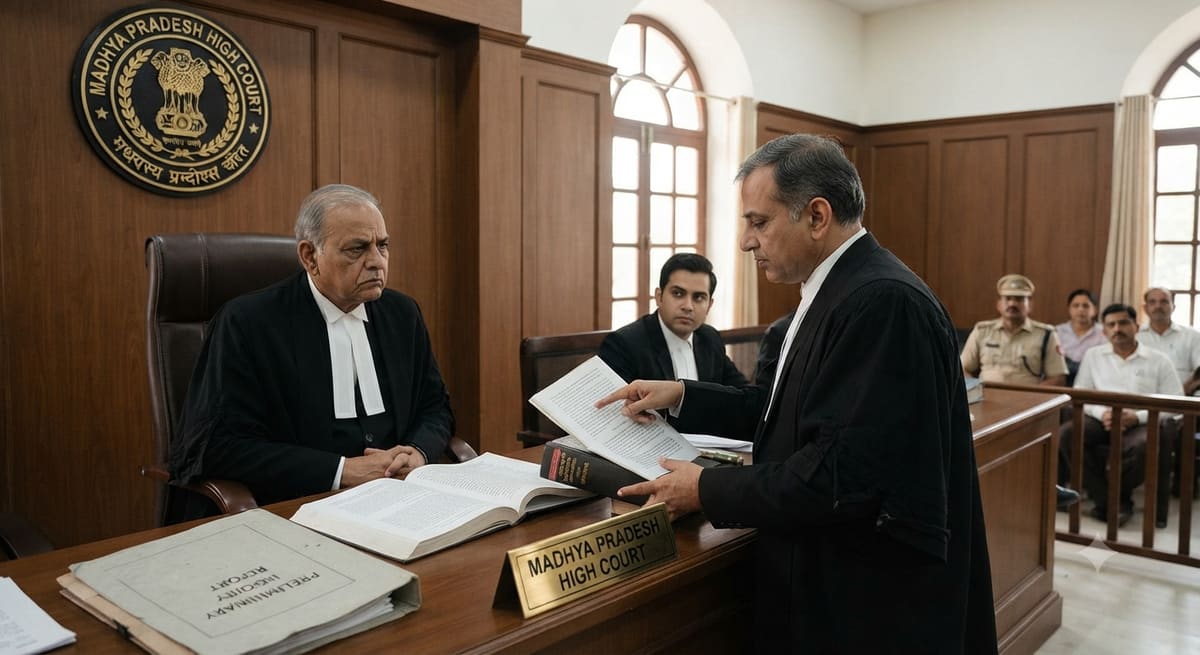
Lalita Kumari Mandate Under BNSS | Preliminary Inquiry Justified When Cognizable Offence Not Disclosed : MP HC
Case Law Analysis
|Madhya Pradesh High Court

Lalita Kumari Mandate Under BNSS | Preliminary Inquiry Justified When Cognizable Offence Not Disclosed : MP HC

Madhya Pradesh High Court upholds the Lalita Kumari principle under Bharatiya Nagarik Suraksha Sanhita, 2023, permitting police to conduct a preliminary inquiry before FIR registration where no cognizable offence is prima facie disclosed. The ruling clarifies the scope of judicial review over police compliance reports in criminal investigations.


BNS Section 351(3) | U.P. Notification Makes Non-Cognizable Offence Cognizable; Allahabad HC Upholds Validity Despite CrPC Schedule: Allahabad HC
|Allahabad High Court

BNS Section 351(3) | U.P. Notification Makes Non-Cognizable Offence Cognizable; Allahabad HC Upholds Validity Despite CrPC Schedule: Allahabad HC

The Allahabad High Court has upheld a 1989 Uttar Pradesh notification that overrides the CrPC’s non-cognizable classification for BNS Section 351(3), affirming that state notifications can alter cognizability without violating procedural safeguards. This sets a critical precedent for state-level criminal procedure modifications under the Bharatiya Nyaya Sanhita, affecting how police and magistrates handle minor public nuisance cases across UP.

Section 173 BNSS | Police Must Decide on FIR Registration Within 90 Days of Cognizable Offence Complaint: MP HC
Case Law Analysis
|Madhya Pradesh High Court

Section 173 BNSS | Police Must Decide on FIR Registration Within 90 Days of Cognizable Offence Complaint: MP HC

Madhya Pradesh High Court mandates that police must conclude preliminary inquiry and decide on FIR registration within 90 days of receiving a complaint for cognizable offences under Bhartiya Nagrik Suraksha Sanhita, 2023. Failure to act within the stipulated period empowers complainants to seek judicial intervention under Article 226, reinforcing accountability in criminal investigations.

Section 154 CrPC | FIR Mandatory Upon Discovery of Cognizable Offence Post-Preliminary Inquiry Closure : J&K HC
Case Law Analysis
|Jammu & Kashmir and Ladakh High Court

Section 154 CrPC | FIR Mandatory Upon Discovery of Cognizable Offence Post-Preliminary Inquiry Closure : J&K HC

The J&K High Court has ruled that closure of a preliminary inquiry does not extinguish the duty to register an FIR if subsequent evidence reveals a cognizable offence. This clarifies that administrative closure cannot override statutory obligations under Section 154 CrPC, reinforcing that criminal proceedings remain viable even after disciplinary acquittals.

Section 31 Prevention of Cruelty to Animals Act | PIL Dismissed as FIR Remedy Under CrPC Adequate : Punjab & Haryana HC
Case Law Analysis
|Punjab and Haryana High Court

Section 31 Prevention of Cruelty to Animals Act | PIL Dismissed as FIR Remedy Under CrPC Adequate : Punjab & Haryana HC

The Punjab & Haryana High Court dismissed a PIL seeking action against dog fighting, ruling that citizens can directly file FIRs under Section 31 of the Prevention of Cruelty to Animals Act, 1960, as the offences are cognizable. The Court held that existing district-level SPCAs fulfill the state’s enforcement obligations, making judicial intervention unnecessary.