The Bombay High Court has reaffirmed that an insurance company cannot evade liability under the Motor Vehicles Act merely by alleging a cover note is fake without producing concrete evidence or initiating formal investigation. The judgment underscores the burden on insurers to substantiate fraud claims through proper procedural channels, not speculative assertions.
Background & Facts
The Dispute
The appellant, The New India Insurance Company Ltd., challenged the order of the Motor Accident Claims Tribunal, Thane, dated 15 January 2009, which held it liable to pay compensation to the respondents - survivors of a deceased accident victim - on the basis of a cover note issued by its Alibag division. The insurer contended that the cover note was forged and that the vehicle was, in fact, insured with United India Insurance Company at the time of the accident.
Key Facts
- The accident occurred on 12 October 2007
- The claimants filed the claim petition before the Motor Accident Claims Tribunal on 18 December 2007
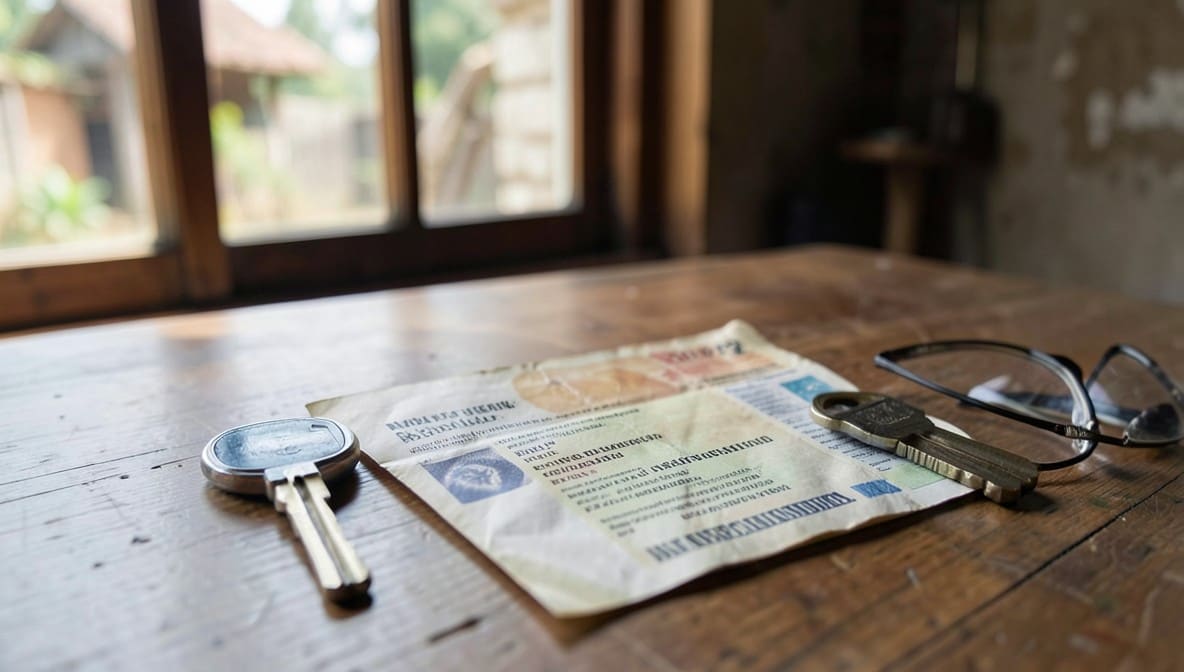
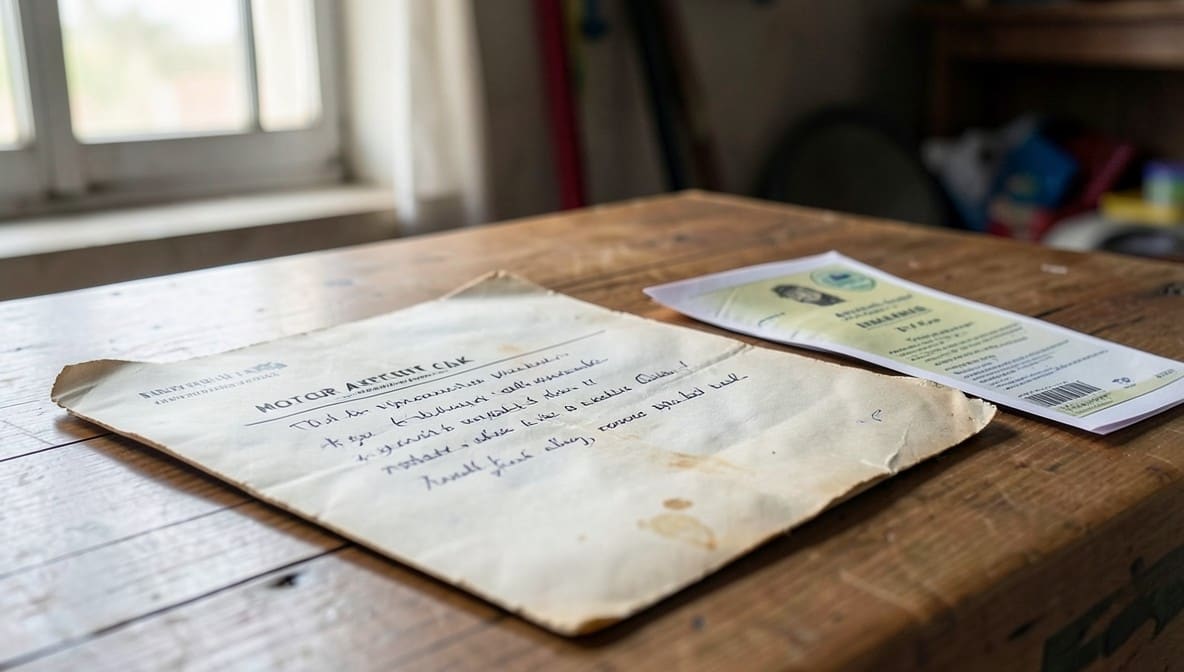
- The cover note (Exhibit P-1) was issued by the New India Insurance Company, Alibag Division, on 10 October 2007, covering the period up to 9 October 2008
- The cover note bore the official seal of New India Insurance Company
- The insurer, during proceedings, relied on a statement allegedly made by the vehicle owner to its investigator, claiming the vehicle was insured with United India Insurance Company
- No FIR was filed by New India Insurance Company regarding the alleged forgery of the cover note
- No witness from the Alibag office was examined to authenticate or refute the cover note
- The insurer’s investigator did not appear as a witness
- Ms. Shalini Bhosle, an administrative officer from the Thane Division, testified on behalf of the insurer but had no direct connection to the issuance of the cover note
Procedural History
- 12 October 2007: Motor accident resulting in death
- 18 December 2007: Claim petition filed before Motor Accident Claims Tribunal, Thane
- 15 January 2009: Tribunal held New India Insurance Company liable and awarded compensation
- 13 September 2010: First Appeal No. 595 of 2009 admitted before Bombay High Court
- 30 June 2026: Judgment delivered by Justice Jitendra Jain
The Parties' Positions
For the Appellant (New India Insurance Co. Ltd.)
- Argued the cover note was fake and issued without authority
- Claimed the vehicle was insured with United India Insurance Company at the time of accident
- Relied on hearsay statement of the vehicle owner to its investigator
- Contended United India Insurance Company should have been impleaded
- Invoked Section 140 of the Motor Vehicles Act, 1988, to argue that liability cannot be imposed without proper proof of insurance
For the Respondents (Sangita Balu Sutar & Ors.)
- Maintained the cover note was valid, bore the insurer’s official seal, and was issued during the policy period
- Argued the insurer failed to prove forgery through any independent evidence
- Pointed out the absence of FIR, investigation report, or testimony from Alibag office personnel
- Stated the insurer’s failure to examine its own investigator rendered its allegations unsubstantiated
Relief Sought
The appellant sought reversal of the Tribunal’s order, exemption from liability, and dismissal of the claim petition. The respondents sought confirmation of the award and transfer of the statutory deposit to the Tribunal.
The Legal Issue
Can an insurance company avoid liability under the Motor Vehicles Act, 1988, solely on the assertion that a cover note bearing its official seal is fake, without filing an FIR, conducting a proper investigation, or leading evidence from the office that issued the document?
Arguments Presented
For the Appellant
The appellant relied on the alleged statement of the vehicle owner to its investigator, claiming the vehicle was insured with United India Insurance Company. It argued that since United India was not made a party, the Tribunal erred in holding it liable. It cited Section 140 of the Motor Vehicles Act, 1988, to contend that liability arises only upon proof of valid insurance. It further submitted that the cover note’s issuance by a different division (Alibag) than the one where the insurer’s officer testified (Thane) raised suspicion of forgery.
For the Respondent
The respondents countered that the insurer failed to discharge its burden of proving forgery. They emphasized that the cover note bore the official seal of the appellant, and no FIR was lodged despite the insurer’s awareness of the alleged fraud. They argued that hearsay evidence from an unexamined investigator cannot override documentary evidence bearing the insurer’s seal. The absence of any witness from the Alibag office rendered the insurer’s claim speculative.
The Court's Analysis
The Court examined the insurer’s failure to substantiate its allegation of a fake cover note. It noted that the insurer’s own administrative officer from the Thane Division testified, but no representative from the Alibag office - where the cover note was issued - was called. The Court observed that the best person to testify about the authenticity of the cover note was the insurer’s own investigator, who was not examined.
"No FIR was filed by the appellant with regard to their contention that the policy was a fake policy, though the seal of the company was affixed on the cover note."
The Court held that the insurer’s reliance on a hearsay statement by the vehicle owner, relayed through a non-witnessing officer, was legally insufficient. It further clarified that Section 140 of the Motor Vehicles Act does not permit an insurer to escape liability merely by disputing the authenticity of a document bearing its seal without credible evidence.
The Tribunal had correctly weighed the evidence and found the cover note prima facie valid. The Court found no error in the Tribunal’s reasoning in paragraphs 20 to 23 of its order. The Court emphasized that the burden of proving fraud lies on the party alleging it, and mere suspicion or uncorroborated assertions cannot displace documentary evidence.
The Verdict
The appeal was dismissed. The Court directed that the statutory deposit made by the appellant be transferred to the Motor Accident Claims Tribunal, Thane. The respondents are entitled to the decretal amount awarded by the Tribunal. Any amount withdrawn from the deposit shall be adjusted against the final award. The insurer’s liability stands confirmed.
What This Means For Similar Cases
Insurance Companies Must Prove Fraud with Evidence, Not Allegations
- Practitioners must now insist that insurers produce investigative reports, examine their own staff, and file FIRs if alleging forgery
- A cover note bearing the insurer’s official seal is prima facie valid unless disproven by credible evidence
- Hearsay statements from unexamined investigators are inadmissible to rebut documentary proof
Failure to Implead Another Insurer Does Not Invalidate Liability
- The absence of another insurer as a party does not absolve the insurer whose document is presented
- The claimant is entitled to recover from the insurer whose cover note is produced, regardless of competing claims
- The insurer may seek recourse against the alleged fraudster separately, but not at the expense of the victim’s statutory right to compensation
Procedural Lapses by Insurers Are Fatal to Defense
- Insurers must act promptly to investigate suspected fraud and preserve evidence
- Delay in filing FIR or failure to examine key witnesses renders defenses untenable
- Courts will not entertain speculative defenses that lack procedural rigor