The Himachal Pradesh High Court has reaffirmed the foundational principle of natural justice by striking down a premature recovery order against a Gram Pradhan, emphasizing that no punitive action can precede final adjudication. This judgment clarifies the procedural boundaries under the Himachal Pradesh Panchayati Raj Act, 1994, and sets a critical precedent for administrative fairness in local governance.
Background & Facts
The Dispute
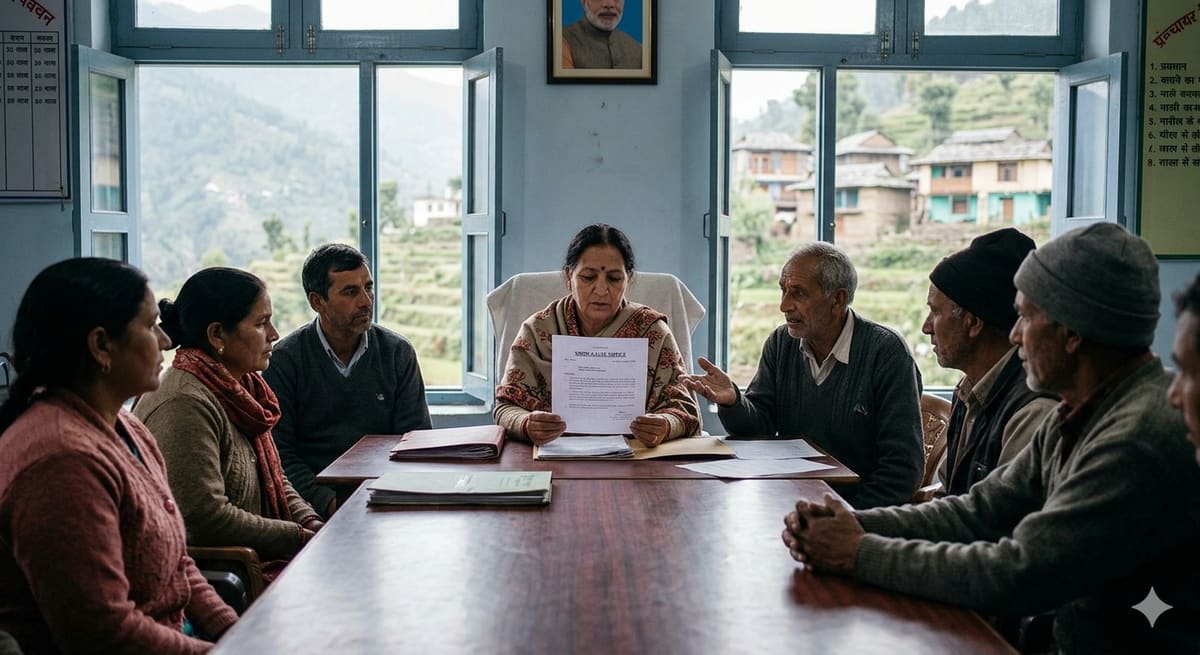
The petitioner, Satpal Sharma, served as Pradhan of Gram Panchayat Kalruhi, Tehsil Amb, District Una. Allegations of misconduct were leveled against him, triggering a preliminary inquiry. The inquiry report was submitted on 29.11.2021. Based on this, a show cause notice was issued to the petitioner on 09.05.2023. The petitioner submitted his reply on 28.06.2023. The Department deemed the reply unsatisfactory and sought approval for a regular inquiry, which was granted on 05.09.2023. A Sub-Divisional Officer (Civil), Amb, was appointed as inquiry officer on 18.10.2023. His inquiry report, dated 10.09.2025, found certain charges proved.
Key Facts
- The petitioner was elected Pradhan of Gram Panchayat Kalruhi, Tehsil Amb, District Una
- Preliminary inquiry report submitted on 29.11.2021
- Show cause notice issued on 09.05.2023; reply filed on 28.06.2023
- Regular inquiry approved on 05.09.2023
- Inquiry officer appointed on 18.10.2023
- Inquiry report submitted on 10.09.2025
- Show cause notice issued by Deputy Commissioner, Una on 07.01.2026 (corrected from 2025 in judgment)
- Petitioner’s reply to the 07.01.2026 show cause notice filed on 19.01.2026
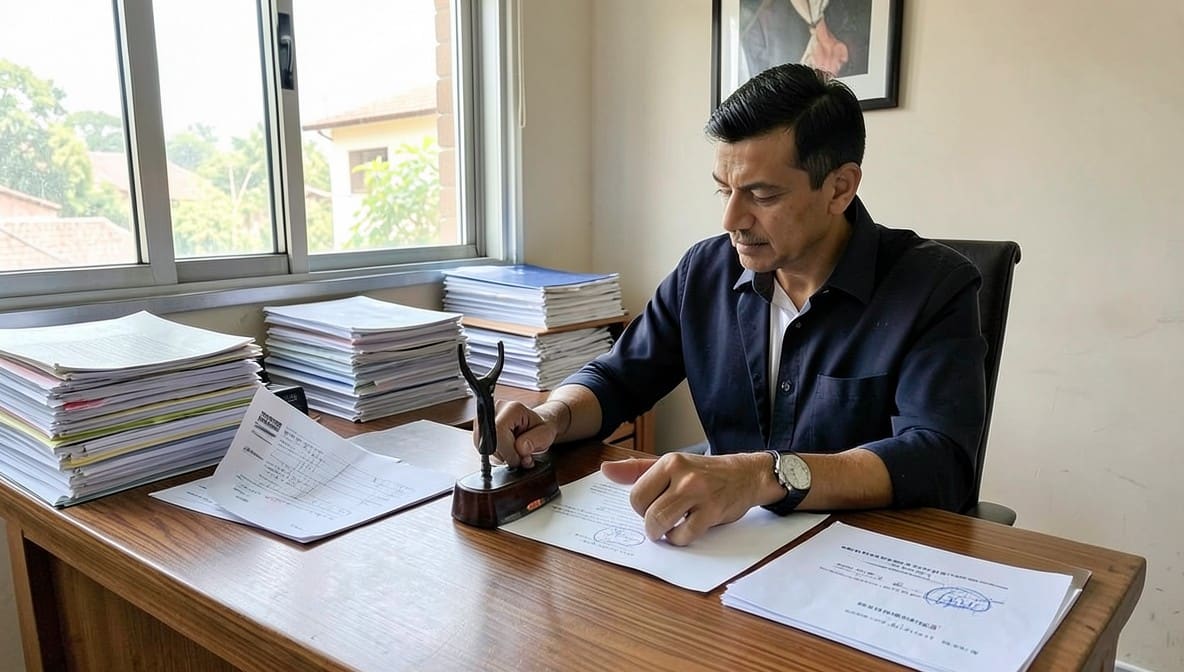
- District Panchayat Officer issued order on 27.02.2026 directing recovery of 20% of the amount mentioned in the inquiry report under Section 142 of the Himachal Pradesh Panchayati Raj Act, 1994
- No final order had been passed by the Deputy Commissioner on the 07.01.2026 show cause notice at the time of the recovery order
Procedural History
- 29.11.2021: Preliminary inquiry report submitted
- 09.05.2023: First show cause notice issued
- 28.06.2023: Petitioner’s reply filed
- 24.08.2023: Department sought approval for regular inquiry
- 05.09.2023: Approval granted
- 18.10.2023: Inquiry officer appointed
- 10.09.2025: Inquiry report submitted
- 07.01.2026: Second show cause notice issued by Deputy Commissioner
- 19.01.2026: Petitioner’s reply filed
- 27.02.2026: District Panchayat Officer issued recovery order under Section 142
- 24.03.2026: Writ petition decided by High Court
Relief Sought
The petitioner sought quashing of the show cause notice dated 07.01.2026 and the recovery order dated 27.02.2026, along with restraint on coercive action, arguing that the recovery was premature, violative of natural justice, and contrary to the statutory procedure.
The Legal Issue
The central question was whether a competent authority may order financial recovery under Section 142 of the Himachal Pradesh Panchayati Raj Act, 1994 based solely on an inquiry report and a pending show cause notice, before a final decision has been rendered by the adjudicating authority.
Arguments Presented
For the Petitioner
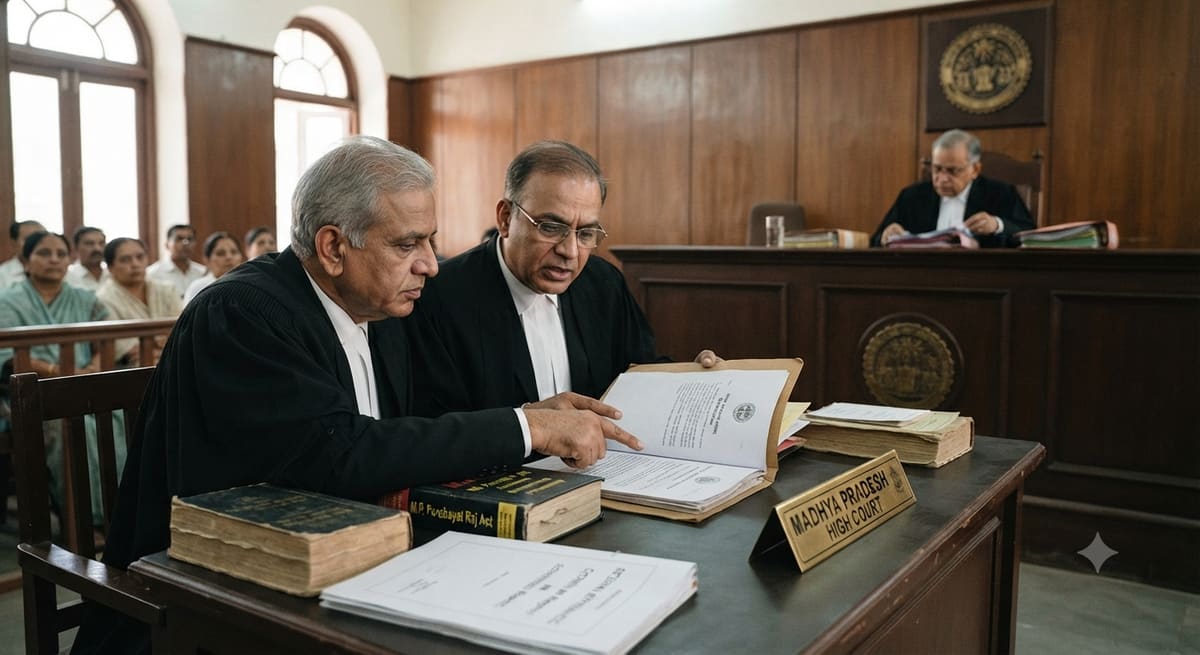
Learned Senior Counsel argued that the recovery order dated 27.02.2026 was issued while the show cause notice dated 07.01.2026 was still under adjudication. No final order had been passed by the Deputy Commissioner. The recovery order violated the principles of natural justice, particularly audi alteram partem, as the petitioner’s reply was yet to be considered. The order was also ultra vires, as Section 142 permits recovery only after a final order of penalty is passed.
For the Respondent
The Deputy Advocate General conceded that no final order had been passed by the Deputy Commissioner and acknowledged that the recovery order was issued prematurely. However, the State contended that the inquiry report had established prima facie liability and that recovery was a procedural safeguard to ensure future compliance.
The Court's Analysis
The Court examined the statutory framework under Section 142 of the Himachal Pradesh Panchayati Raj Act, 1994, which permits recovery of amounts only after a final order of penalty has been passed. The Court emphasized that the inquiry report is not a final order; it is merely an investigative document. The show cause notice is a procedural step inviting explanation, not a determination of guilt.
"The petitioner has filed his reply to the show cause notice. His reply is still under deliberations. In absence of any decision upon the show cause notice, respondent No.5 could not have taken the said show cause notice to be the final order."
The Court held that the District Panchayat Officer acted beyond jurisdiction by treating the inquiry report and pending show cause notice as conclusive. The principle of nemo judex in causa sua and audi alteram partem were violated. The Court distinguished between investigative findings and adjudicative outcomes, noting that administrative action must follow due process. The recovery order was therefore not merely erroneous but legally unsustainable.
The Verdict
The writ petition was allowed. The Court quashed and set aside the District Panchayat Officer’s order dated 27.02.2026 directing recovery of 20% of the amount under Section 142 of the Himachal Pradesh Panchayati Raj Act, 1994. The respondents are permitted to take a fresh decision only after the Deputy Commissioner, Una, passes a final order on the show cause notice dated 07.01.2026. The pending miscellaneous applications were disposed of.
What This Means For Similar Cases
Recovery Requires Final Adjudication
- Practitioners must challenge any recovery order issued before a final penalty order under Section 142
- Inquiry reports and show cause notices alone cannot serve as the basis for financial recovery
- The burden is on the authority to demonstrate that a final order has been passed before invoking recovery provisions
Natural Justice Is Non-Negotiable in Local Governance
- Gram Panchayat officials are bound by the same principles of natural justice as state departments
- Delay in final orders does not justify interim punitive measures
- Petitioners may seek injunctions against coercive actions pending final adjudication
Procedural Compliance Is Mandatory
- Authorities must strictly follow the sequence: inquiry → show cause → hearing → final order → recovery
- Any deviation renders the action voidable
- Legal notices must specify the stage of proceedings and avoid conflating investigative findings with judicial outcomes