The Punjab and Haryana High Court has clarified that once land ceases to be agricultural due to permanent construction, revenue authorities lose jurisdiction to partition it, vesting exclusive power in civil courts. This judgment resolves a recurring conflict between revenue and civil jurisdictions in land disputes, offering critical guidance to practitioners handling partition suits.
Background & Facts
The Dispute
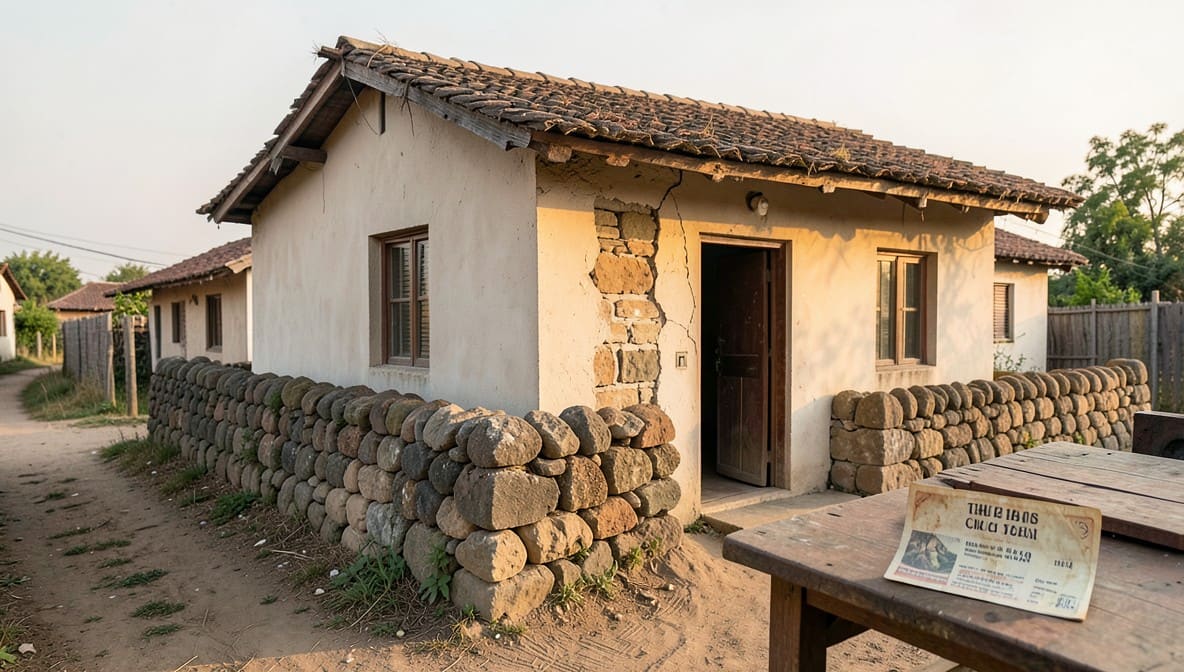
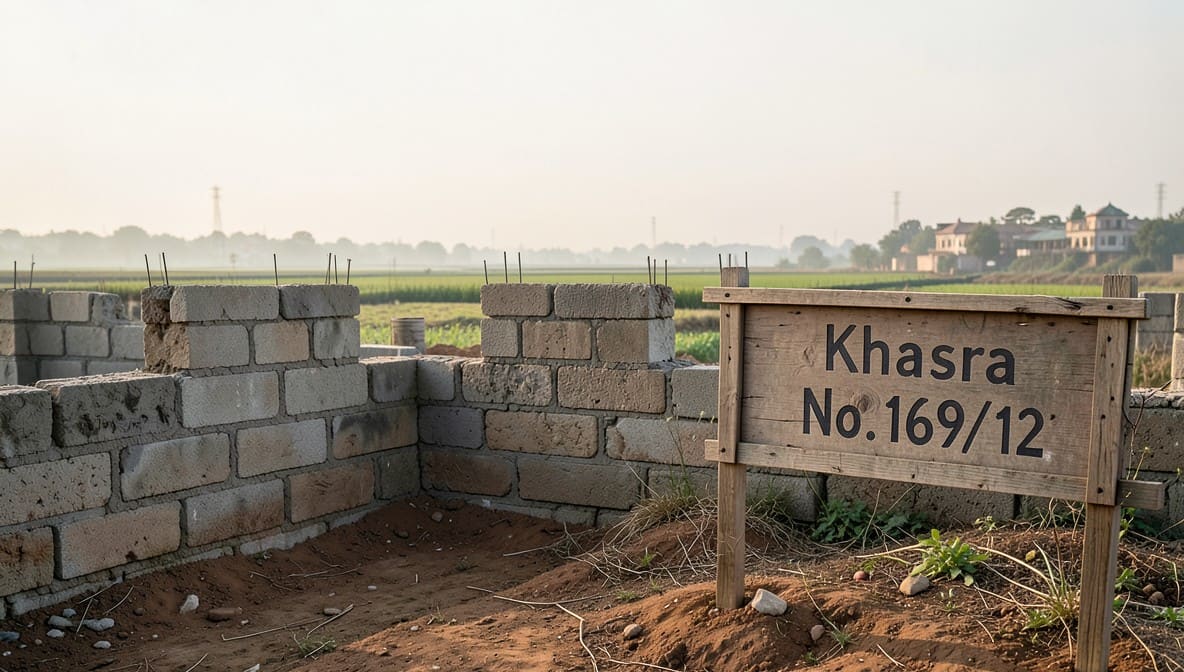
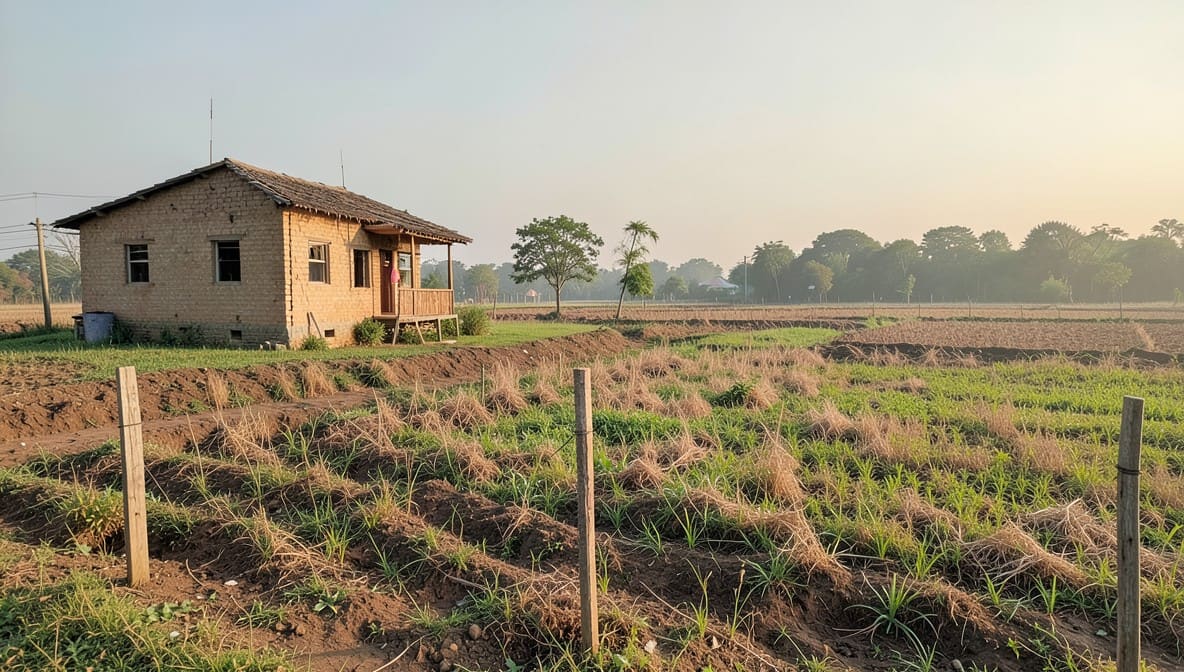
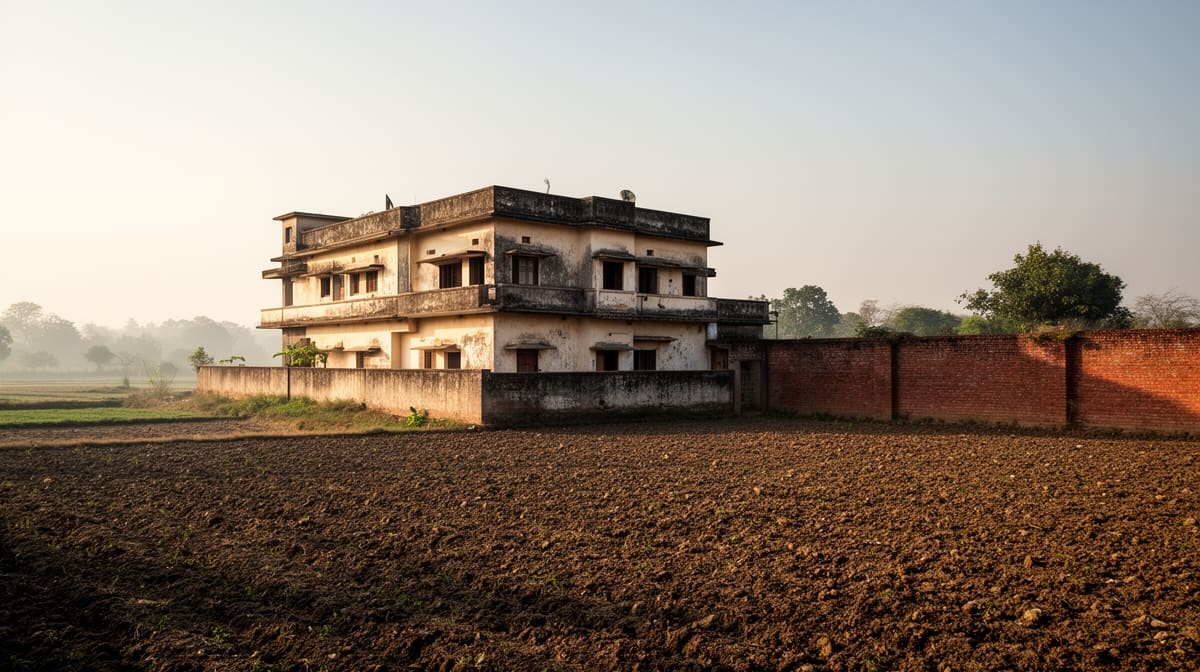
The appellants, plaintiffs in a civil suit, sought partition of non-agricultural land measuring 26 Karam X 11 Karam in Village Atohan, Palwal, claiming a 1/2 share. The land, recorded as agricultural in Jamabandi for 2004-2005, had substantial construction on Killa Nos. 22 and 23, including double-story structures owned by the defendants. The appellants had previously filed a suit for permanent injunction against construction on the land, which was withdrawn after the defendants admitted joint ownership and continued building.
Procedural History
The case progressed through multiple forums:
- 2007: Appellants filed Civil Suit No. 628 seeking injunction against construction; Local Commissioner’s report confirmed existing structures.
- 2008: Appellants filed partition petition before Assistant Collector II Grade, Palwal, seeking partition of 137 Kanal 13 Marla including the disputed land.
- 24.09.2008: Assistant Collector, by Order Ex.P-9, excluded Killa Nos. 22, 23 and 17 from partition proceedings upon joint submission of parties.
- 2010: Assistant Collector, by Order Ex.D5, reversed Ex.P-9 and included the disputed land in partition; this was challenged by appellants.
- 2012: Civil Judge dismissed the suit, holding revenue authorities had jurisdiction.
- 2013: Additional District Judge upheld dismissal.
- 2026: Second Appeal heard by Punjab and Haryana High Court.
Relief Sought
The appellants sought a decree for partition of the suit land as non-agricultural property, arguing that civil courts alone had jurisdiction due to the presence of permanent construction.
The Legal Issue
The central question was whether civil courts retain exclusive jurisdiction to partition land that has been converted from agricultural to non-agricultural use through permanent construction, even if revenue records still classify it as agricultural.
Arguments Presented
For the Appellant
Counsel argued that the land had ceased to be agricultural due to the existence of double-story structures, as confirmed by the Local Commissioner’s report (Ex.P6) and the defendants’ own admissions in the earlier injunction suit (Ex.P2). They emphasized that Section 11 of the Punjab Land Revenue Act bars revenue courts from partitioning non-agricultural land. The exclusion of the land from partition proceedings via Order Ex.P-9 was binding and not challenged by respondents. The preparation of Naksha K (Ex.D3) did not constitute final partition, as only Naksha Be (mode of partition) effects severance.
For the Respondent
The respondents contended that the appellants had initiated partition proceedings before the revenue authority for the entire property, including the disputed land, and could not now shift to civil court. They relied on the preparation of Naksha K (Ex.D3) and Order Ex.D5 as evidence that partition had been finalized, arguing that the civil suit was an abuse of process and not maintainable.
The Court's Analysis
The Court undertook a meticulous review of the factual record and legal principles governing jurisdiction over land partition. It held that the nature of land at the time of filing the suit determines jurisdiction, not its historical classification in revenue records. The Local Commissioner’s report (Ex.P6) explicitly described existing double-story structures on Killa Nos. 22 and 23, which the lower courts mischaracterized as "temporary" - a clear misreading.
"The Local Commissioner has categorically reported that old construction is existing upon the suit property comprising in killa nos. 22 and 23."
The Court further clarified that Naksha K (plan) is merely a preliminary document, while Naksha Be (mode of partition) is the operative instrument that effects severance of joint ownership. Since Naksha Be had not been prepared, no partition had occurred. The Court also emphasized that Order Ex.P-9, which excluded the disputed land from revenue proceedings, was a valid and binding determination, and its subsequent reversal by Order Ex.D5 was ultra vires and under challenge.
The Court rejected the respondents’ argument that initiating revenue proceedings barred civil suit, noting that once land is shown to be non-agricultural, the civil court’s jurisdiction is not ousted merely because a partition petition was earlier filed. The lower courts’ reliance on the Jamabandi record alone was legally untenable.
The Verdict
The appellants won. The Court held that civil courts have exclusive jurisdiction to partition land with permanent construction, regardless of revenue records, and that no partition is complete without Naksha Be. The impugned judgments were set aside and the suit was decreed.
What This Means For Similar Cases
Civil Courts Have Supremacy Over Revenue Authorities for Constructed Land
- Practitioners must plead and prove the existence of permanent construction at the time of filing the suit to establish civil jurisdiction.
- Jamabandi entries alone cannot override physical evidence of non-agricultural use.
- A prior partition petition before revenue authorities does not bar a subsequent civil suit if the land’s nature has changed.
Naksha K Is Not Final Partition; Naksha Be Is
- In all partition disputes, practitioners must distinguish between Naksha K (plan) and Naksha Be (mode of partition).
- Courts cannot treat Naksha K as conclusive evidence of partition.
- The burden is on the respondent to prove that Naksha Be has been executed and accepted.
Misreading of Evidence Will Not Sustain Lower Court Decisions
- Appellate courts will overturn findings based on misinterpretation of documentary evidence, especially Local Commissioner reports.
- Oral testimony or assumptions cannot override clear written reports.
- Judges must engage with the actual language of evidence, not substitute their own inferences.