Topic

Property Disputes

Property disputes in India involve legal conflicts over ownership, possession, or use of land and immovable property, often governed by state land laws, the Specific Relief Act, and civil procedure codes.

30 articlesLatest July 2026
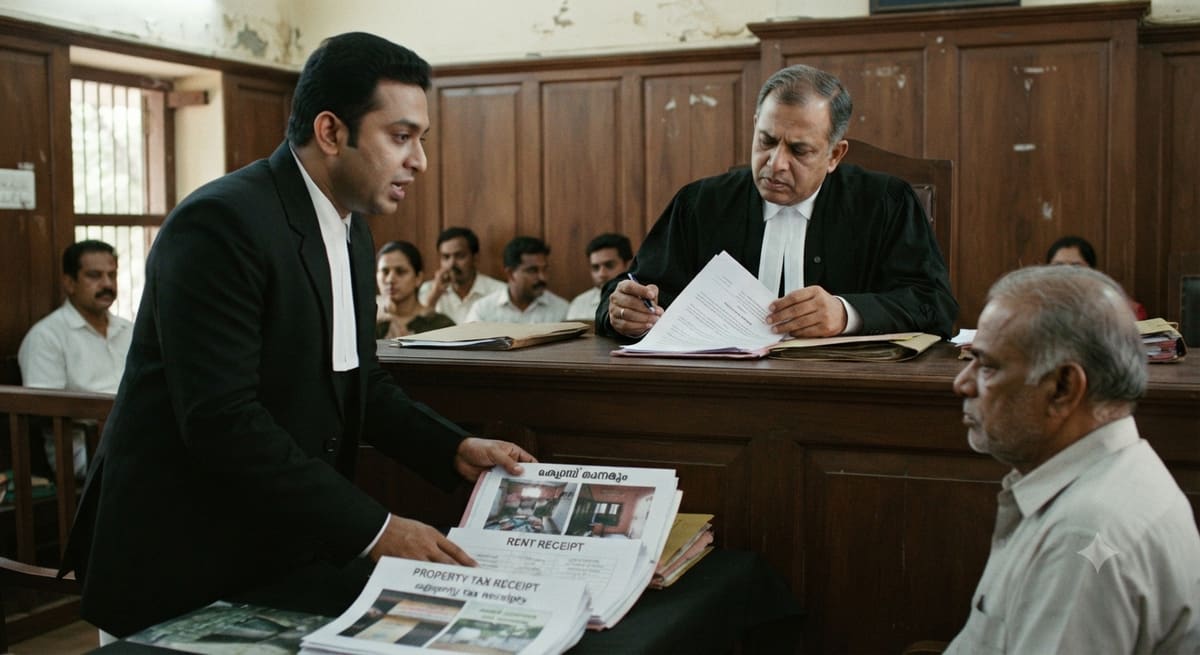
Section 11(3) Kerala Rent Control Act | 'Bona Fide Need' Eviction Requires Tangible Evidence, Not Mere Oral Testimony: Kerala HC
Case Law Analysis
|Kerala High Court

Section 11(3) Kerala Rent Control Act | 'Bona Fide Need' Eviction Requires Tangible Evidence, Not Mere Oral Testimony: Kerala HC

Kerala High Court sets aside eviction orders under Section 11(3) of the Kerala Buildings (Lease and Rent Control) Act, 1965, ruling that landlords must substantiate 'bona fide need' with concrete evidence-documents, witness corroboration, or material proof-beyond oral assertions. The decision reinforces the burden of proof in eviction proceedings, impacting landlords and tenants across Kerala.

Section 48 Evidence Act | Strict Proof of Custom Mandatory; Agnatic Succession Prevails Over Concurrent Findings : SC
Case Law Analysis
|Supreme Court of India

Section 48 Evidence Act | Strict Proof of Custom Mandatory; Agnatic Succession Prevails Over Concurrent Findings : SC

The Supreme Court ruled that customary law, particularly agnatic succession among Oraon tribes, must be strictly proved under Section 48 of the Evidence Act. The judgment sets aside concurrent lower court findings, reinforcing that daughters have no inheritance rights under the custom and the nearest male agnate inherits in the absence of direct heirs. This ruling clarifies the burden of proof in tribal property disputes and limits appellate interference under Article 136.

Section 16(c) Specific Relief Act | Readiness and Willingness Must Be Proven by Documentary Evidence, Not Mere Allegations: Karnataka HC
|Karnataka High Court

Section 16(c) Specific Relief Act | Readiness and Willingness Must Be Proven by Documentary Evidence, Not Mere Allegations: Karnataka HC

The Karnataka High Court affirmed that mere assertions of readiness and willingness to perform a contract are insufficient under Section 16(c) of the Specific Relief Act - plaintiffs must produce contemporaneous documentary proof such as bank statements, correspondence, or payment records. This sets a clear evidentiary standard for property buyers seeking specific performance, shifting the burden beyond oral claims to verifiable paper trails.

Order I Rule 10 CPC | Subsequent Purchaser During Pendency of Suit Must Be Impleaded as Necessary Party : AP HC
Case Law Analysis
|Andhra Pradesh High Court

Order I Rule 10 CPC | Subsequent Purchaser During Pendency of Suit Must Be Impleaded as Necessary Party : AP HC

Andhra Pradesh High Court rules that a subsequent purchaser of property during a pending specific performance suit cannot be excluded from proceedings, as they are a necessary party under Order I Rule 10 CPC. The judgment sets aside the trial court's dismissal of the impleadment application, reinforcing procedural fairness in property disputes.

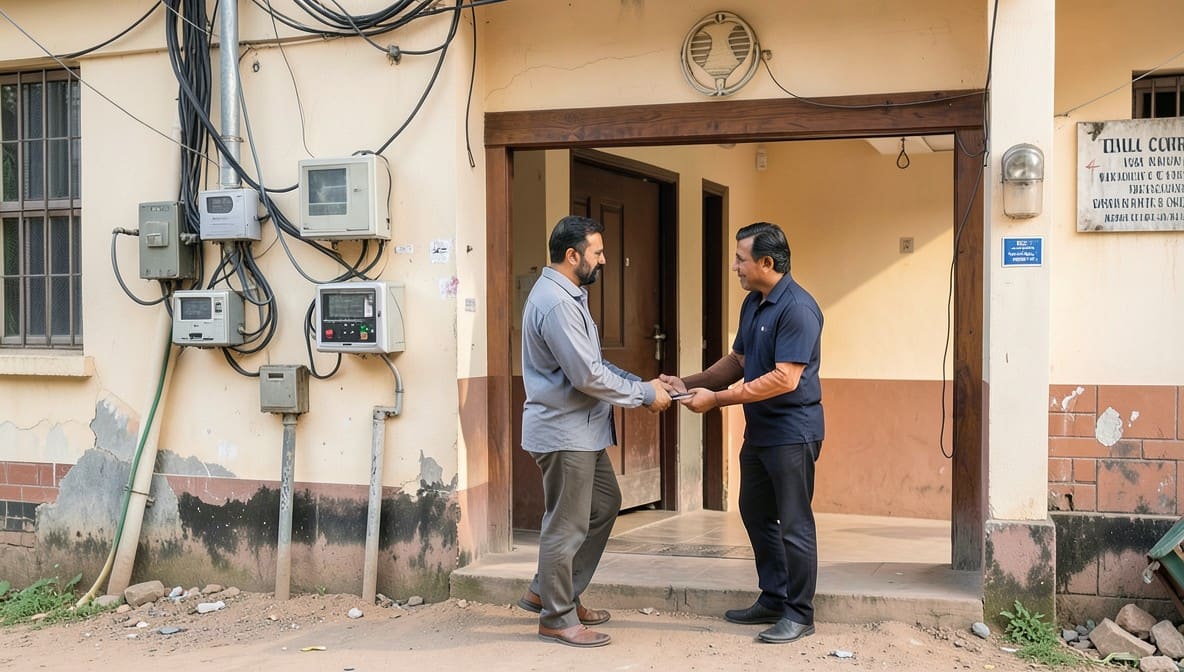
Writ of Mandamus Cannot Displace Civil Court's Exclusive Jurisdiction Over Property Possession | Disconnection of Utilities Requires Prior Declaration of Unlawful Occupation: Patna HC
Case Law Analysis
|Patna High Court

Writ of Mandamus Cannot Displace Civil Court's Exclusive Jurisdiction Over Property Possession | Disconnection of Utilities Requires Prior Declaration of Unlawful Occupation: Patna HC

The Patna High Court has ruled that no administrative or writ court authority can order disconnection of essential utilities like electricity and water based solely on disputed possession. Only a civil court, after adjudicating title and possession, may declare occupancy unlawful - safeguarding fundamental rights under Article 21 and reinforcing the separation between civil remedies and writ jurisdiction.

Specific Performance | Readiness and Willingness Must Be Proven Continuously from Contract Execution to Decree : MP HC Gwalior
Case Law Analysis
|Madhya Pradesh High Court

Specific Performance | Readiness and Willingness Must Be Proven Continuously from Contract Execution to Decree : MP HC Gwalior

The Madhya Pradesh High Court has ruled that in suits for specific performance, a plaintiff’s readiness and willingness to perform must be demonstrated not just at filing, but continuously from the date of contract execution through to the final decree. This sets a strict evidentiary standard for buyers seeking equitable relief, especially in property disputes where delays or inconsistent conduct can derail recovery.

Order XXVI Rule 9 CPC | Mandatory Court Commissioner Appointment in Property Disputes Over Identity, Location, or Measurement : Karnataka HC
|Karnataka High Court

Order XXVI Rule 9 CPC | Mandatory Court Commissioner Appointment in Property Disputes Over Identity, Location, or Measurement : Karnataka HC

The Karnataka High Court ruled that appointment of a Court Commissioner under Order XXVI Rule 9 CPC is compulsory when disputes over property identity, location, or measurement arise. The trial court's refusal to appoint a commissioner was set aside, reinforcing that local inspection is essential for resolving such disputes, not merely a tool for evidence collection.

Equitable Jurisdiction Under Section 9 Arbitration Act | Court Receiver Cannot Be Discharged Without Adjudicating Consent Award Disputes: Bombay HC
Case Law Analysis
|Bombay High Court

Equitable Jurisdiction Under Section 9 Arbitration Act | Court Receiver Cannot Be Discharged Without Adjudicating Consent Award Disputes: Bombay HC

Bombay High Court rules that a Court Receiver appointed under Section 9 of the Arbitration and Conciliation Act, 1996, cannot be discharged without first adjudicating substantive disputes arising from a Consent Award, even after 23 years of custody. The decision underscores that equitable considerations override procedural delays in property disputes under arbitration.

Section 16 Specific Relief Act | Plaintiff’s Readiness to Perform & Burden of Proof on Defendant: AP HC Upholds Specific Performance
|Andhra Pradesh High Court

Section 16 Specific Relief Act | Plaintiff’s Readiness to Perform & Burden of Proof on Defendant: AP HC Upholds Specific Performance

Andhra Pradesh High Court affirms that the plaintiff’s continuous readiness to perform the contract shifts the burden of proof onto the defendant to disprove coercion or non-compliance. The ruling clarifies procedural compliance under the Specific Relief Act and protects the rights of subsequent purchasers in property disputes.

Section 16(c) Specific Relief Act | Readiness & Willingness Proven Despite Delayed Suit Filing: AP HC Upholds Specific Performance Decree
Case Law Analysis
|Andhra Pradesh High Court

Section 16(c) Specific Relief Act | Readiness & Willingness Proven Despite Delayed Suit Filing: AP HC Upholds Specific Performance Decree

The Andhra Pradesh High Court ruled that a plaintiff’s delayed suit filing does not negate readiness and willingness under Section 16(c) of the Specific Relief Act, reinforcing that procedural delays alone cannot defeat a claim for specific performance. The Court also rejected belated additional evidence under Order 41 Rule 27 CPC, emphasizing strict compliance with appellate procedural rules in property disputes.