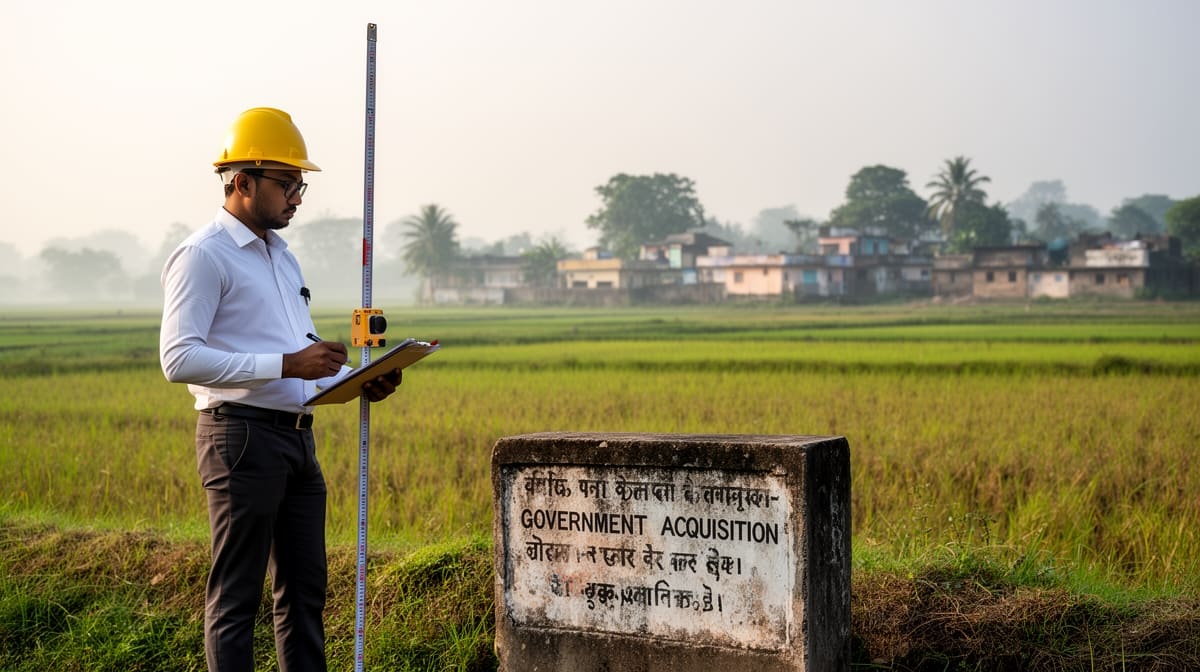
The Punjab and Haryana High Court has reaffirmed that any claim for monetary compensation arising from unauthorized occupation of agricultural land is exclusively triable by Revenue Courts under the Punjab Tenancy Act, 1887. This ruling closes a recurring loophole where litigants attempted to reframe such claims as general damages in civil courts, thereby circumventing statutory jurisdictional bars.
Background & Facts
The Dispute
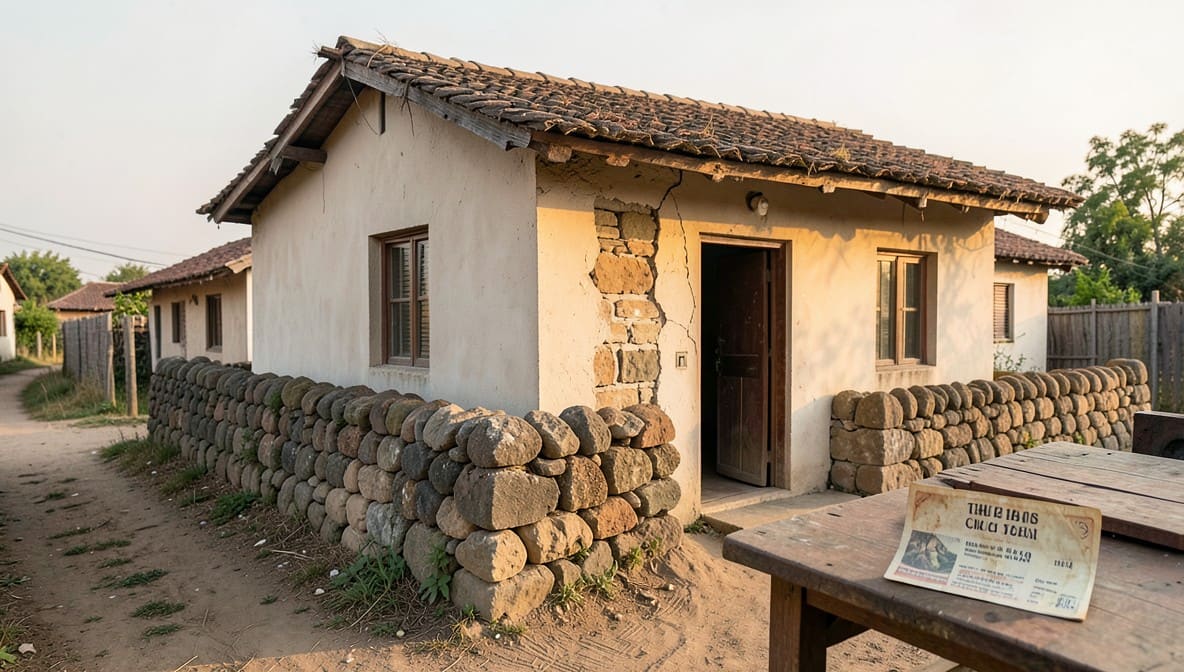
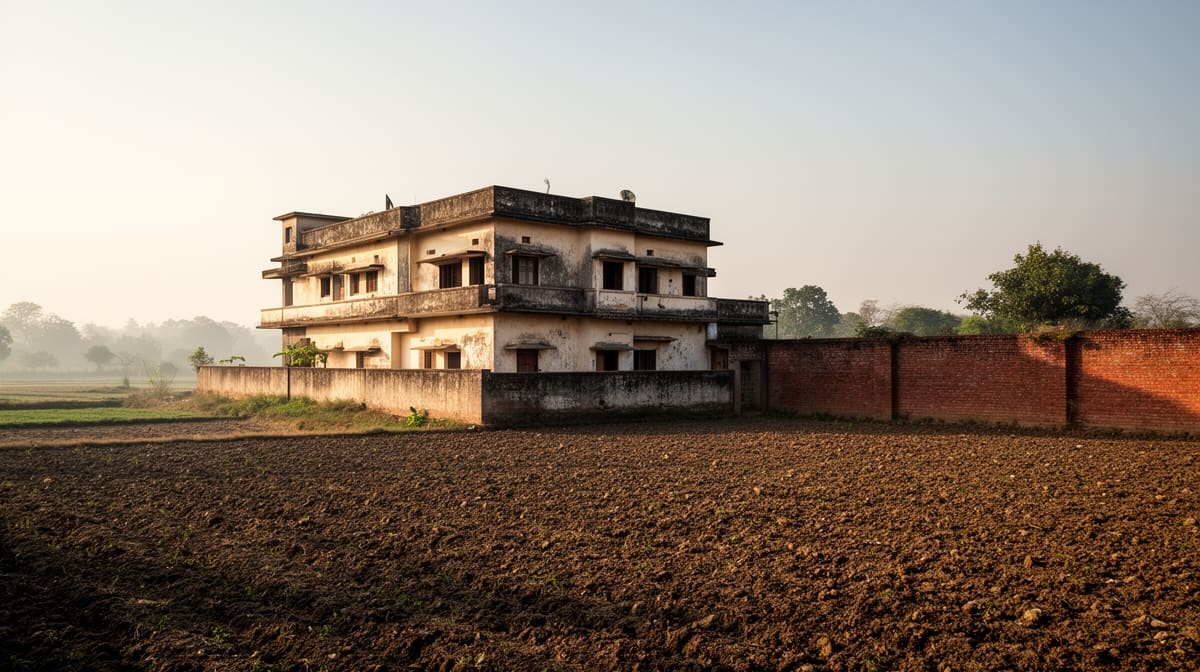
The plaintiffs purchased two parcels of agricultural land - 66 kanal 18 marla and 112 kanal - through registered sale deeds dated 12.03.2012 and 27.08.2012. At the time of purchase, the defendants were in lawful possession. Despite ownership transfer, the plaintiffs were denied possession for nearly six years due to the defendants’ continued occupation and pending litigation initiated by them. Possession was finally delivered on 22.01.2018. The plaintiffs then filed a civil suit on 19.03.2019 seeking compensation for financial loss suffered during the period of wrongful occupation, including loss of cultivation and alleged mental harassment.
Procedural History
- 27.07.2023: Trial Court dismissed the suit, holding that the claim fell under Section 14 read with Section 77(3)(n) of the Punjab Tenancy Act, 1887, and thus exclusively lay within the jurisdiction of Revenue Courts.
- 11.09.2025: First Appellate Court reversed the trial court’s decision, characterizing the claim as one for "monetary loss and mental harassment" unrelated to land occupation, and awarded compensation at ₹20,000 per killa plus 6% interest.
- 16.02.2026: High Court heard appeals and restored the trial court’s dismissal.
Relief Sought
The plaintiffs sought monetary compensation for deprivation of agricultural use, loss of income, and emotional distress during the period of unauthorized possession.
The Legal Issue
The central question was whether a claim for compensation arising from wrongful occupation of agricultural land, even if framed as "damages" for financial and mental loss, falls outside the exclusive jurisdiction of Revenue Courts under Section 77(3)(n) of the Punjab Tenancy Act, 1887.
Arguments Presented
For the Appellant
The appellants argued that the First Appellate Court erred in recharacterizing the claim as independent of land occupation. They relied on binding precedents from the Division Bench of this Court in Pritam Singh v. Mehal Singh and Mandir Maharaj Jagan Nath Puri, Ladwa v. Man Singh, which held that the term "landlord" in Section 14 includes any landowner, and any suit for recovery of mesne profits or use-and-occupation charges against unauthorized occupants is exclusively triable by Revenue Courts. They emphasized that the plaint’s foundation was deprivation of agricultural use, not a standalone tort.
For the Respondent
The respondents contended that the claim was not for rent or mesne profits but for general damages for mental agony and financial loss caused by prolonged denial of possession. They argued that Section 77 did not bar civil courts from adjudicating claims arising from tortious conduct, even if linked to land possession. They cited the relief clause’s reference to "mental harassment" as evidence of a distinct cause of action.
The Court's Analysis
The Court undertook a rigorous statutory interpretation of Section 14 and Section 77(3)(n) of the Punjab Tenancy Act. It held that the language of Section 77(3) is peremptory and creates an express bar on civil court jurisdiction for any dispute concerning use or occupation of agricultural land. The Court emphasized that the nature of the relief claimed - not its label - determines jurisdiction.
"The foundation of the claim is deprivation of use and occupation of agricultural land. Though during arguments, it was suggested that damages were also claimed for physical and mental loss, the relief clause does not disclose any independent cause of action in tort divorced from the occupation of agricultural land."
The Court rejected the First Appellate Court’s attempt to distinguish between "compensation for use" and "compensation for loss," noting that such a distinction is legally untenable. It reaffirmed the principle from Pritam Singh v. Mehal Singh that what cannot be done directly - filing a suit for mesne profits in civil court - cannot be achieved indirectly by relabeling the claim as "damages."
The Court further cited the Supreme Court’s consistent position that concurrent findings based on statutory interpretation, especially under special statutes, are not to be disturbed unless perverse or based on a substantial misapplication of law. Here, the trial court’s application of binding precedent was correct, while the appellate court’s reversal constituted a clear misreading of Section 77(3).
The Verdict
The appellants prevailed. The High Court held that Section 77(3)(n) of the Punjab Tenancy Act, 1887, bars civil courts from entertaining any claim for compensation arising from unauthorized occupation of agricultural land, regardless of how it is framed. The judgment of the First Appellate Court was set aside, and the trial court’s dismissal of the suit was restored.
What This Means For Similar Cases
Jurisdiction Is Determined by Substance, Not Label
- Practitioners must analyze the true nature of the claim, not its pleading terminology. Claims labeled as "damages" or "mental harassment" will be dismissed if the root cause is deprivation of agricultural use.
- Drafting a suit to avoid jurisdictional bars under special statutes will not succeed if the substance remains within the statute’s scope.
Revenue Courts Are the Exclusive Forum for Agricultural Possession Disputes
- Any claim seeking recovery for use, occupation, or loss of income due to unauthorized possession of agricultural land must be filed before the Revenue Court within the one-year limitation under Section 77(5).
- Civil suits filed in contravention of this bar are liable to be dismissed at the threshold, saving litigants from protracted proceedings.
Precedent Binding Even on Concurrent Findings
- High Courts must uphold trial court decisions grounded in binding Division Bench rulings on special statutes.
- Appellate courts cannot substitute their interpretation of statutory provisions unless the lower court’s view is perverse or legally unsustainable.