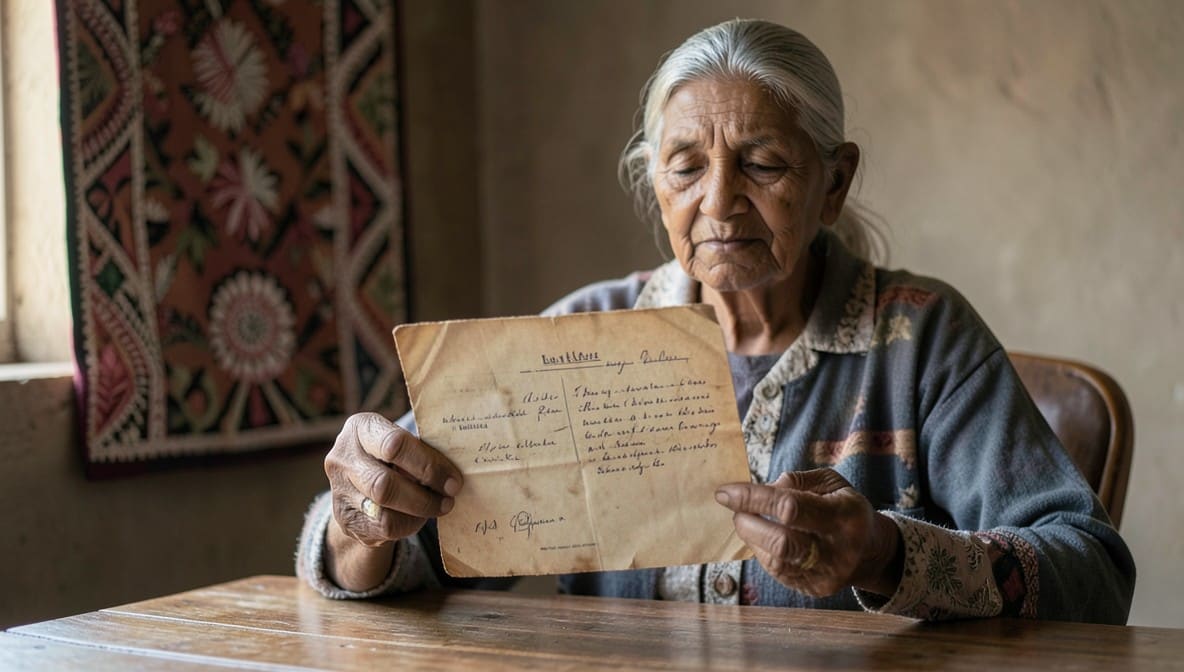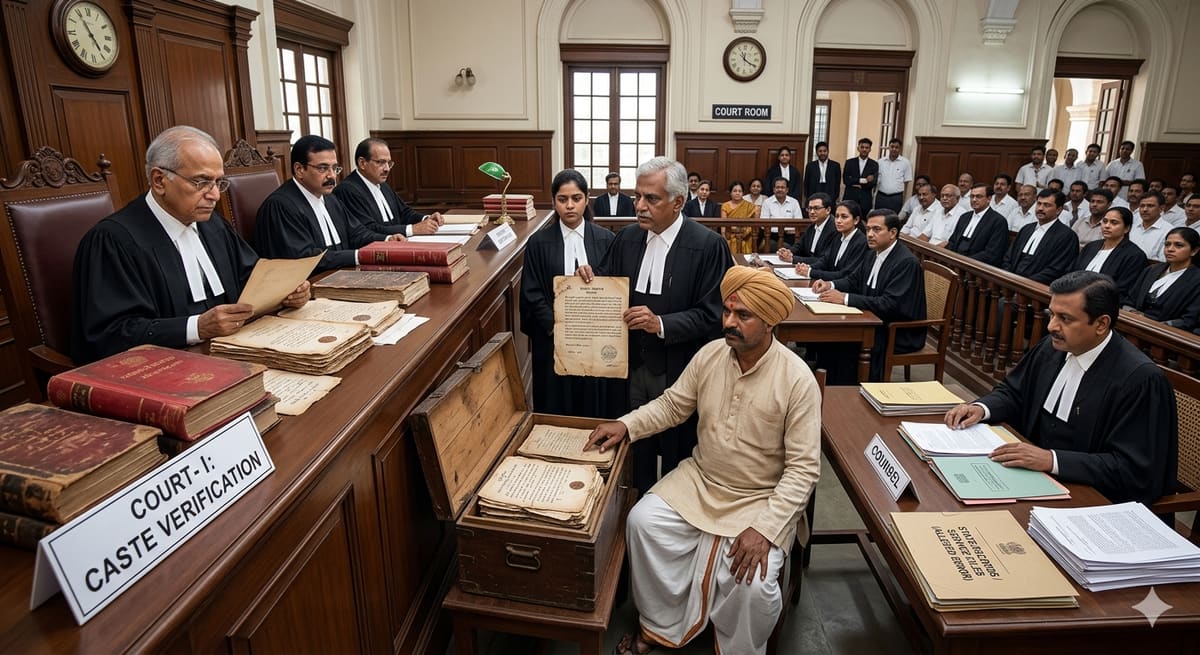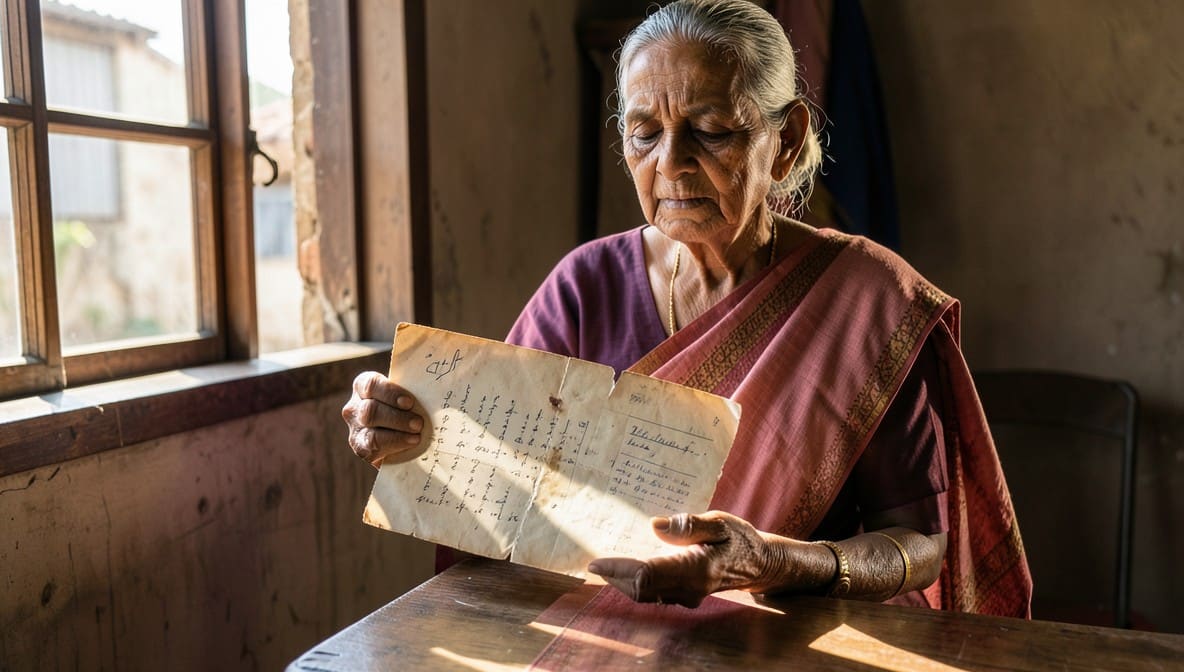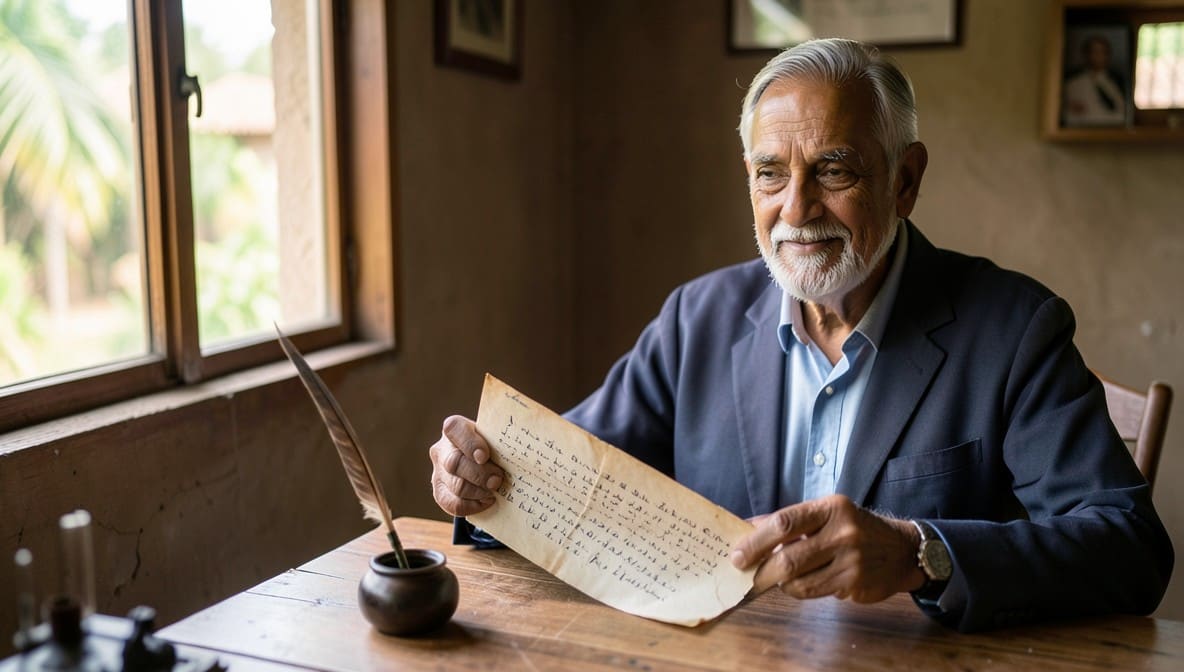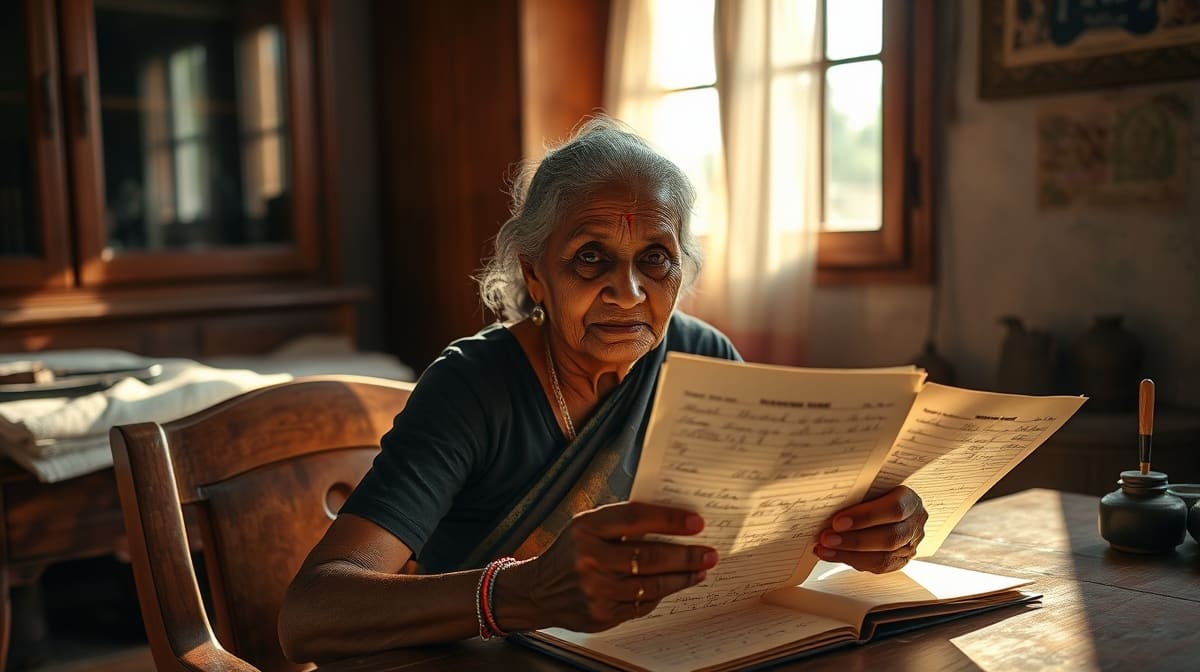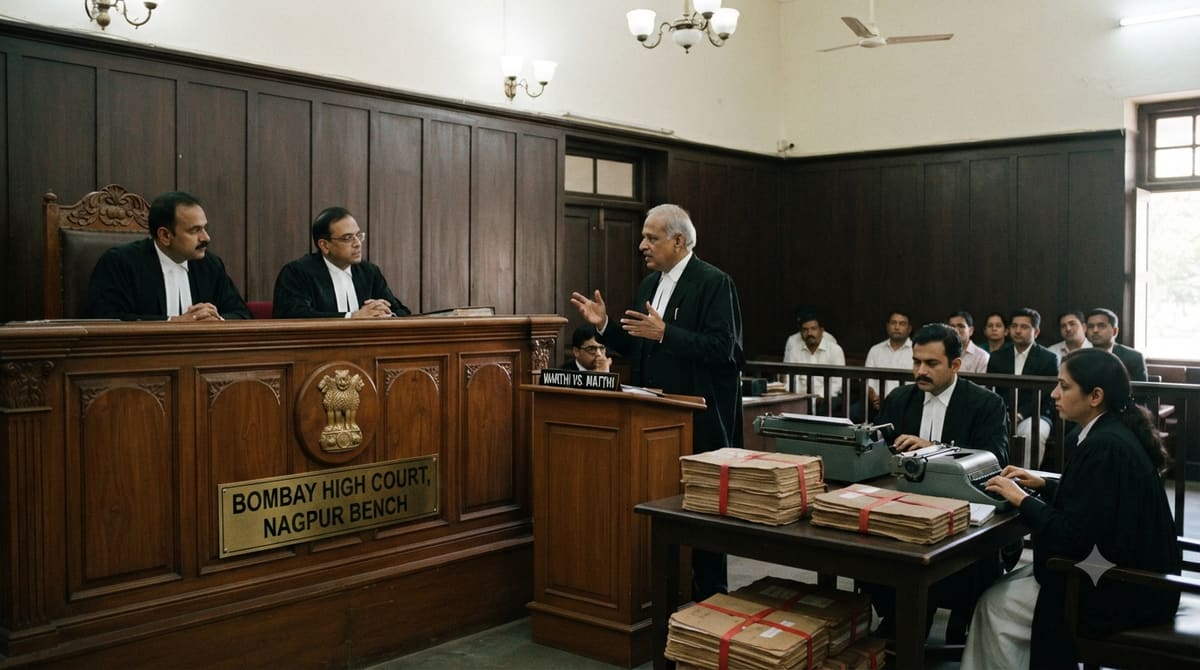
The Bombay High Court has reaffirmed that pre-constitutional documentary evidence carries substantial probative weight in validating caste claims, especially when corroborated by official investigations. This judgment clarifies that minor orthographic discrepancies in historical records cannot justify rejection of caste identity where multiple independent sources confirm the claim.
Background & Facts
The Dispute
The petitioner, Namrata d/o Laxmanrao Chaurashe, a teacher serving under the OBC category, challenged the order dated 14.11.2022 passed by the Divisional Caste Certificate Scrutiny Committee, Amravati, which invalidated her claim to belong to the "Warthi" caste - a recognized Other Backward Class in Maharashtra. The Committee rejected her application on two grounds: (1) the spelling of her ancestor’s caste in pre-constitutional records was recorded as "Watthi" and not "Warthi", and (2) she allegedly failed to establish residence in Maharashtra.
Key Facts
The petitioner’s great-grandfather, Narayan s/o Sonya Watthi, was recorded in the birth and death register of Pusla village, Taluka Warud, District Amravati on 13.02.1938 as the father of a daughter.
A pre-constitutional document dated 08.01.1937, also from Pusla, records Narayan’s caste as "Watthi".
The petitioner’s genealogical tree, submitted with her affidavit, traces lineage from Narayan to her father Laxman, establishing direct descent.
A sanad issued by the Government of Maharashtra in favor of her uncle allotted a house in Pusla village, later inherited by her father.
A sale deed executed by her father and co-sharers in 2005 for immovable property in Pusla village confirms residence.
The petitioner’s school admission records listed her caste as "Maratha" - a point raised by the State as contradictory.
Her father’s death certificate and educational records indicate he studied and died in Gwalior, Madhya Pradesh.
The Caste Scrutiny Committee referred her claim to the Police Vigilance Committee for verification.
The Vigilance Report, dated 10.08.2022, concluded after interviewing villagers that the petitioner and her ancestors were residents of Pusla village, belonged to the "Warthi" caste, and followed Hindu religion.
The caste certificate was originally issued to the petitioner on 22.11.2021 (Serial No. 166) by the Social Welfare Department, Amravati, and she was serving as a teacher under OBC reservation.
Procedural History
22.11.2021: Caste certificate issued by Social Welfare Department, Amravati.
10.08.2022: Police Vigilance Report submitted, confirming petitioner’s caste and residence.
14.11.2022: Divisional Caste Scrutiny Committee rejected the claim, citing spelling variation and lack of Maharashtra residency.
05.02.2023: Writ Petition No. 912 of 2023 filed before the Bombay High Court, Nagpur Bench.
08.07.2026: Judgment reserved.
15.07.2026: Judgment pronounced.
Relief Sought
The petitioner sought quashing of the impugned order dated 14.11.2022 and a direction to the Committee to issue a valid caste certificate recognizing her as belonging to the "Warthi" caste.
The Legal Issue
The central question was whether a minor orthographic variation in pre-constitutional records ("Watthi" vs. "Warthi") justifies rejection of a caste claim when corroborated by a detailed vigilance report and other documentary evidence of residence and lineage.
Arguments Presented
For the Petitioner
The petitioner’s counsel argued that the spelling "Watthi" in the 1937 record is a phonetic variant of "Warthi", common in pre-independence records due to inconsistent transcription practices. She emphasized that the Vigilance Report, commissioned by the Committee itself, conclusively confirmed her caste and residence. The sanad, sale deed, and revenue records (akhiv patrika) established her family’s longstanding connection to Pusla village in Maharashtra. She relied on Anand v. Committee for Scrutiny & Verification of Tribe Claims to argue that the affinity test cannot be used as a sole ground for rejection.
For the Respondent/State
The State contended that the spelling "Watthi" in the 1937 record was inconsistent with "Warthi", and therefore the claim lacked authenticity. It further argued that the petitioner’s father’s education and death in Gwalior indicated no connection to Maharashtra, undermining her claim of local residence. The State maintained that the Committee acted within its authority in rejecting the claim due to lack of conclusive proof.
The Court's Analysis
The Court observed that pre-constitutional documents, such as the 1937 record and the 1938 birth register, are entitled to greater probative value than post-independence records due to their proximity to the time of origin of caste identity. The Court noted that the spelling "Watthi" is not materially different from "Warthi" and is likely a phonetic or clerical variation common in rural records of that era.
"The Vigilance Report was prepared after due inquiry, including statements from villagers, and conclusively affirmed the petitioner’s caste and residence. No reason was assigned by the Committee to reject this report, despite having referred the matter for such verification."
The Court held that the Committee’s failure to explain why it disregarded its own commissioned report rendered its decision arbitrary and violative of principles of natural justice. The Court further rejected the State’s argument regarding Gwalior residence, noting that the father’s education or death elsewhere does not negate the family’s ancestral residence in Pusla, as confirmed by property documents and revenue records.
Regarding the affinity test, the Court cited Anand v. Committee for Scrutiny & Verification of Tribe Claims to emphasize that modernization, migration, and assimilation into mainstream society cannot be grounds to deny caste identity. The Court held that the affinity test may corroborate documentary evidence but cannot override it.
The Verdict
The petition was allowed. The impugned order dated 14.11.2022 was quashed and set aside. The Divisional Caste Scrutiny Committee, Amravati, was directed to issue a valid caste certificate recognizing the petitioner as belonging to the "Warthi" caste within six weeks from receipt of this order. No costs were awarded.
What This Means For Similar Cases
Pre-constitutional Spelling Variants Are Not Fatal
Practitioners must argue that minor spelling variations in pre-independence records (e.g., Watthi/Warthi, Maratha/Marhatta) are common and cannot be grounds for rejection without expert linguistic or historical analysis.
Always submit pre-constitutional records alongside post-independence documents to establish continuity of identity.
Vigilance Reports Must Be Addressed Substantively
When a scrutiny committee commissions a vigilance report, it must provide reasoned grounds for rejecting its findings - mere non-acceptance without explanation is arbitrary.
Failure to engage with the report’s conclusions renders the final order legally unsustainable.
Residence Cannot Be Denied Based on Migration of Individuals
A family’s ancestral residence in a state cannot be negated because an individual member studied, worked, or died elsewhere.
Property records, revenue documents, and sanads are stronger indicators of lineage and residence than personal migration history.
Affinity Test Is Corroborative, Not Determinative
The affinity test cannot be used as a litmus test to deny caste claims, especially for communities that have undergone social integration.
Courts must prioritize documentary evidence over anthropological assumptions about cultural practices.