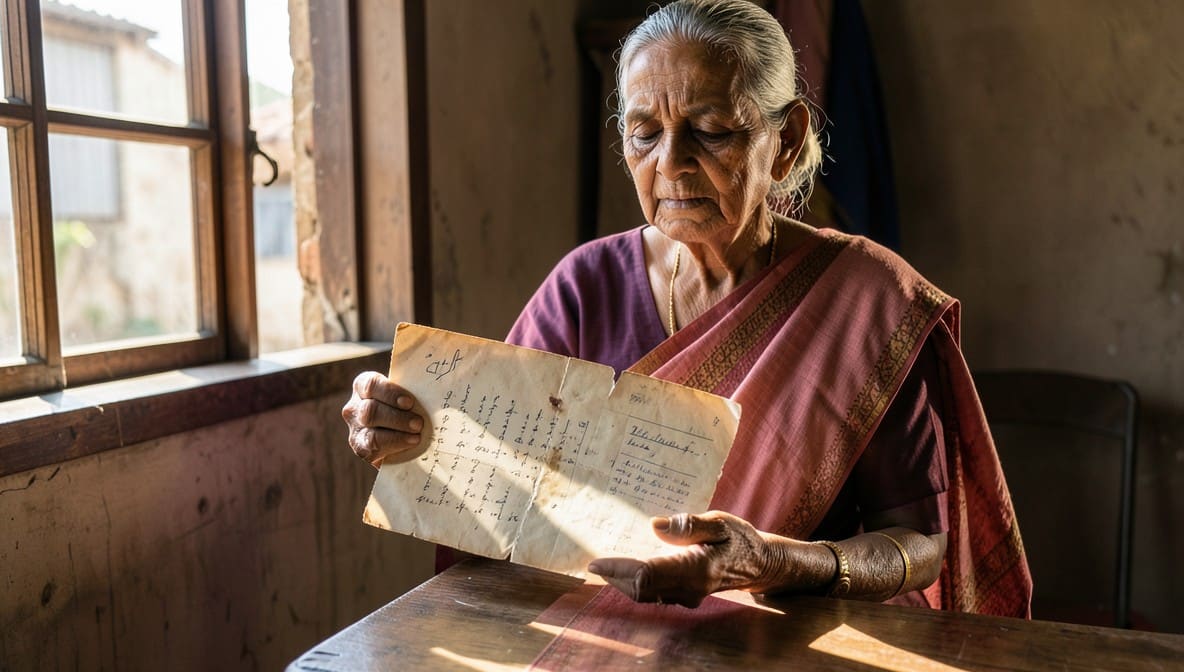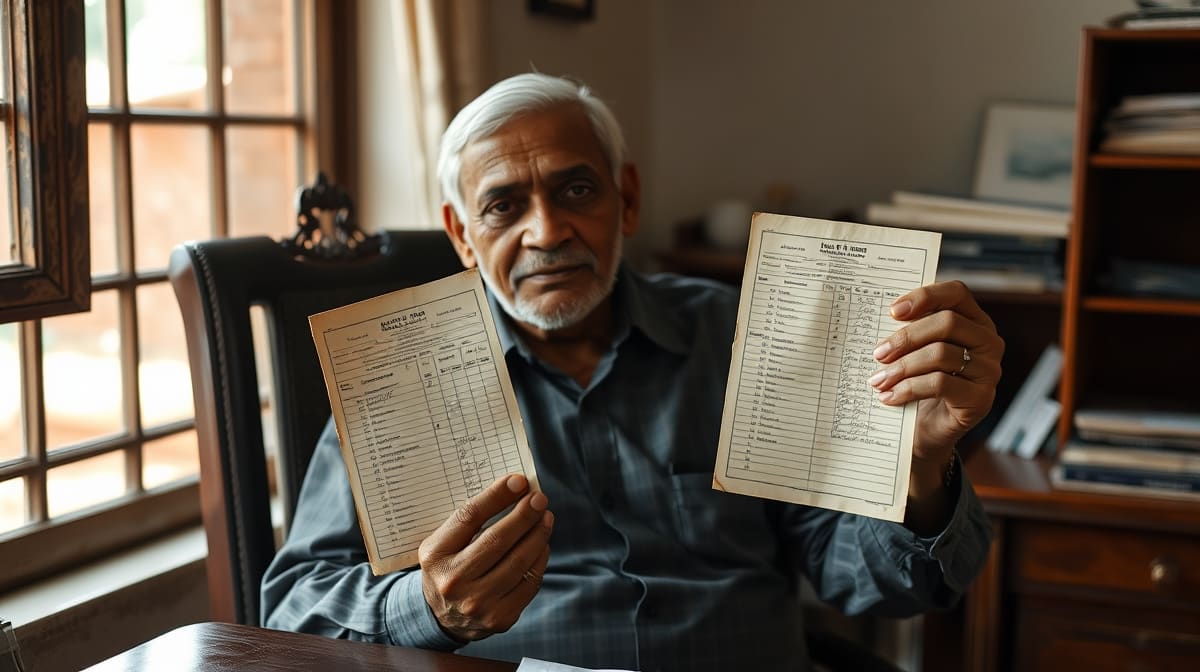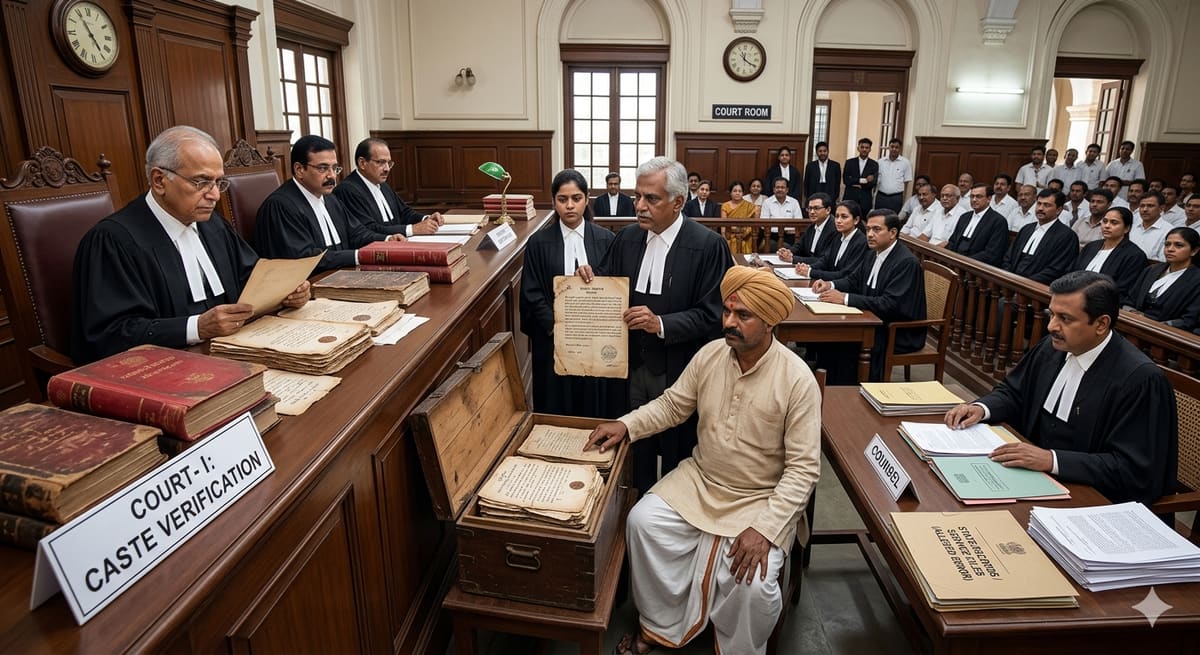
The Bombay High Court has clarified that linguistic identity cannot override caste identity in caste certificate disputes, and that longstanding documentary evidence of ancestral caste must prevail over inconsistent service records. This judgment reinforces the principle that administrative rejection of caste claims must be grounded in substantive evidence, not linguistic confusion or procedural oversight.
Background & Facts
The Dispute
The petitioner, Madhusudan S/o Veeranna Gajarlawar, a retired Senior Grade Clerk, sought recognition of his caste as 'Kshatriya' under the Other Backward Class (OBC) list of Maharashtra, following the invalidation of his earlier claim to 'Chattri' Scheduled Tribe. The District Caste Certificate Scrutiny Committee, Nagpur, rejected his application for a Kshatriya OBC certificate on 04.09.2019, citing inconsistencies in his documents and prior ST claim.
Key Facts
The petitioner was appointed as Junior Clerk on 30.07.1982 and retired on 25.07.2016 after 34 years of service.
He never availed any reservation benefits during his service.
He obtained a Scheduled Tribe (Chattri) caste certificate on 18.02.1981.
The ST certificate was invalidated by the Scheduled Tribe Committee on 21.10.2014.
He submitted the following documents to support his Kshatriya OBC claim:
School Leaving Certificate (13.01.1976) listing caste as 'Telegu Kshatriya'
School Leaving Certificate of his father, G.N. Viranna (06.07.1940), listing caste as 'G. Kshatriya Telagu'
Transfer Certificate of his uncle, G.N. Madhorao (10.05.1952), listing caste as 'Kshatriya'
The Vigilance Cell Report (31.12.2018) confirmed the documents showed no signs of tampering and recorded neighbor testimonies identifying the family as 'Telagu-speaking Kshatriyas' with roots in Andhra Pradesh since 1940.
The petitioner submitted a written reply on 16.06.2019 explaining that 'Telagu' is a language, not a caste.
Procedural History
18.02.1981: Petitioner issued ST caste certificate (Chattri)
21.10.2014: ST Committee invalidated the ST certificate
08.05.2019: Caste Scrutiny Committee issued show-cause notice
16.06.2019: Petitioner submitted written reply
04.09.2019: Caste Scrutiny Committee rejected Kshatriya claim
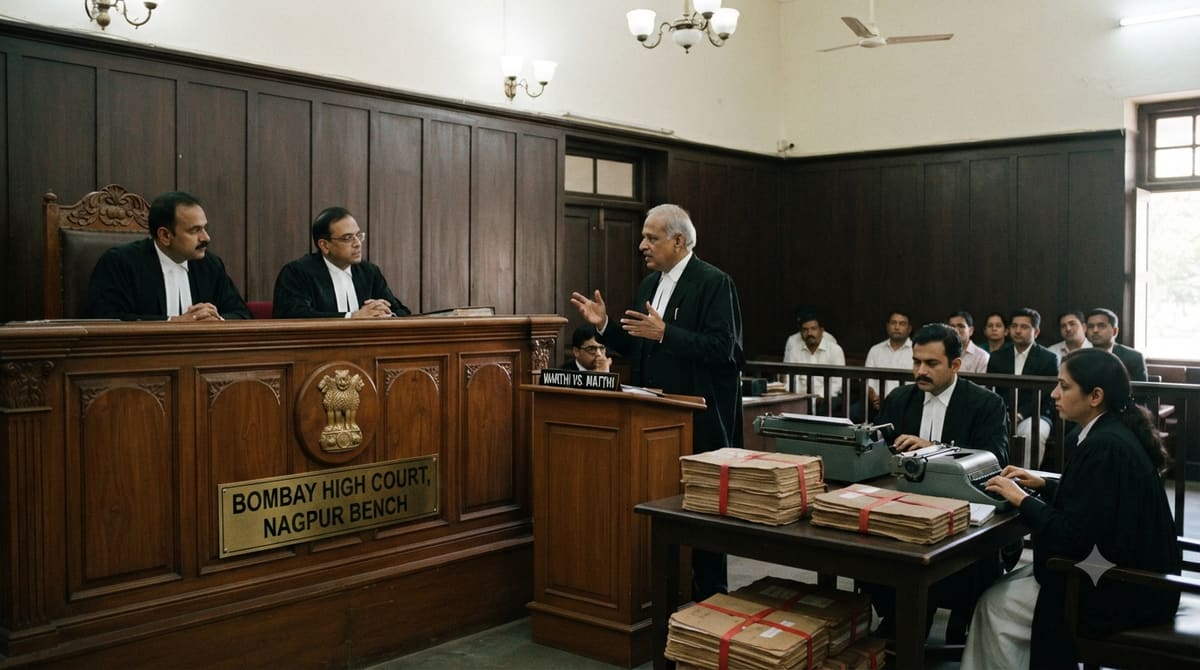
25.07.2019: Writ Petition No. 7498/2019 filed before Bombay High Court, Nagpur Bench
23.03.2026: Case heard and closed for judgment
28.04.2026: Judgment pronounced
Relief Sought
The petitioner sought quashing of the order dated 04.09.2019, declaration that he belongs to 'Kshatriya' OBC, and direction to issue a valid caste certificate.
The Legal Issue
The central question was whether the rejection of a caste claim on the ground that 'Telagu' is recorded alongside 'Kshatriya' in historical documents is legally tenable, and whether 'Kshatriya' qualifies as an independent caste under Maharashtra’s OBC list, distinct from 'Patkar'.
Arguments Presented
For the Petitioner
The petitioner’s counsel relied on three precedents from the Bombay High Court: Balayya alias Balraj v. State of Maharashtra (04.04.2016), Kushwahkant v. State of Maharashtra (11.06.2018), and Chaitali Madan v. Caste Scrutiny Committee (14.11.2025). They argued that 'Telagu' is a language, not a caste, as settled in Anil Ramdas Mede v. State of Maharashtra. They emphasized that the old documents (1940 - 1976) were unaltered, corroborated by neighbor statements, and that the Vigilance Cell itself admitted their authenticity. They further contended that 'Kshatriya' is listed independently at Serial No. 126 in the 2008 Government Resolution, separate from 'Patkar', and that prior invalidation of an ST claim does not bar a subsequent OBC claim.
For the Respondent/State
The Additional Government Pleader argued that 'Kshatriya Telagu' is not the same as 'Kshatriya' listed in the OBC list, and that 'Patkar' and 'Kshatriya' differ in diet, language, and occupation. They contended that the petitioner’s prior ST claim was fraudulent and that the service record listing 'Chattri' (allegedly a misspelling of 'Khatri') undermined his credibility. They asserted that the Scrutiny Committee acted within its authority to reject inconsistent claims.
The Court's Analysis
The Court undertook a meticulous review of the documentary evidence and relevant precedents. It held that the term 'Telagu' (or 'Telegu') is not a caste but a language, as confirmed by the Constitution’s Eighth Schedule and prior judgments of this Court. The Court emphasized that recording language alongside caste in historical documents does not negate the caste identity.
"Telgu is not a caste, but, official language declared under VIIIth Schedule of the Constitution of India."
The Court further noted that the Transfer Certificate of the petitioner’s uncle, listing caste as 'Kshatriya' without any linguistic qualifier, was entirely ignored by the Scrutiny Committee despite being a direct familial document. The Vigilance Cell’s own findings - that documents showed no tampering and neighbors recognized the family as Kshatriyas - were disregarded without justification.
The Court also examined Government Resolution dated 25.06.2008, which explicitly lists 'Khatri' and 'Kshatriya' as independent entries under Serial No. 126, not as sub-castes of 'Patkar'. The Court relied on Chaitali Madan (2025) to affirm that this distinction is legally settled.
The Court rejected the argument that prior invalidation of an ST claim precludes a new OBC claim, stating: "There is no such precedent that once a caste claim is invalidated, the Petitioner cannot claim caste validity certificate of another caste."
It further held that a single ambiguous entry in a service book - possibly a clerical error between 'Chattri', 'Khatri', and 'Kshatriya' - cannot override multiple authentic, contemporaneous documents spanning four decades.
The Verdict
The writ petition was allowed. The impugned order dated 04.09.2019 was quashed and set aside. The Court held and declared that the petitioner belongs to the 'Kshatriya' Other Backward Class. The District Caste Certificate Scrutiny Committee was directed to issue a valid caste certificate to the petitioner within four weeks from the date of receipt of a copy of this judgment.
What This Means For Similar Cases
Documentary Evidence Prevails Over Service Records
Practitioners must prioritize pre-service, ancestral documents (school certificates, transfer certificates) over post-employment service records when challenging caste rejections.
A single inconsistent entry in a service book, especially if uncorroborated, cannot override multiple authentic historical documents.
'Language' Cannot Be Used to Deny Caste Identity
Any administrative body rejecting a caste claim on the basis of linguistic terms (e.g., 'Telagu', 'Marathi', 'Kannada') recorded alongside caste names must be challenged on the ground that language is not a caste.
Courts will apply the principle from Anil Ramdas Mede: language identifiers in old documents are descriptive, not determinative of caste.
Prior Invalidated Claims Do Not Bar New Claims
A petitioner who previously held an ST certificate may still apply for OBC recognition if they can establish a legitimate ancestral claim to a different caste.
The burden shifts to the state to prove fraud or misrepresentation in the new claim - not to rely on the mere existence of a prior invalid claim.