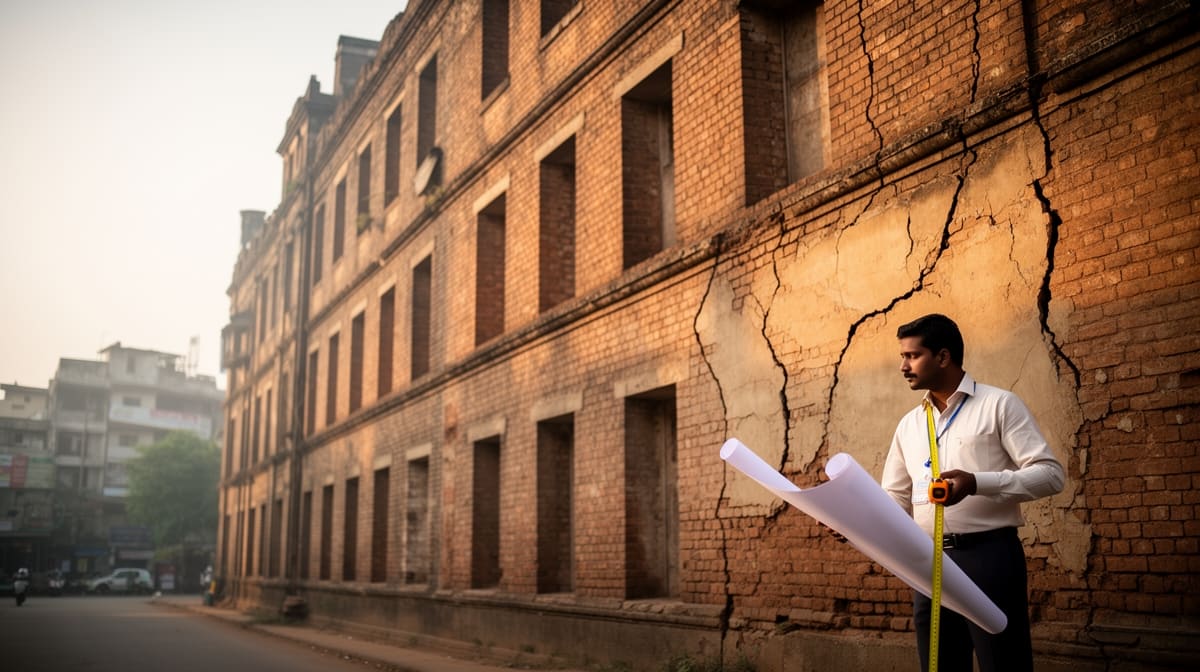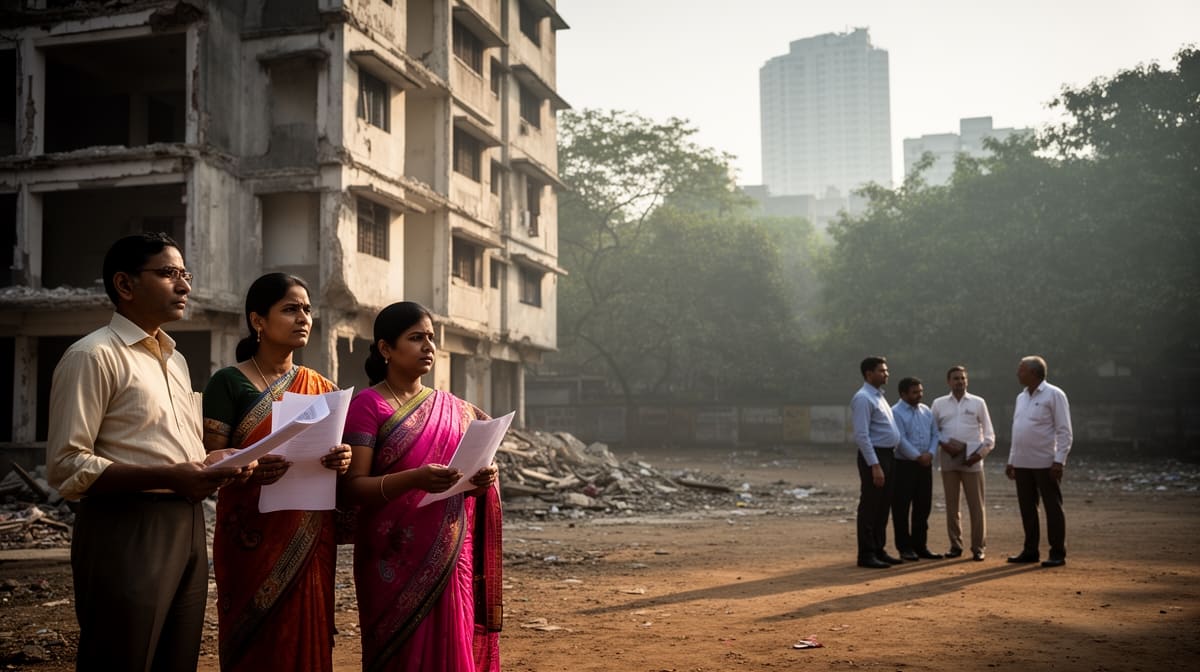
The Bombay High Court has delivered a critical clarification on municipal authority in demolition cases, emphasizing that innocent buyers who purchased property in good faith cannot be made to bear the consequences of administrative failure or developer fraud. This judgment reasserts the principle that procedural fairness and substantive justice must prevail over mechanical enforcement of building regulations.
Background & Facts
The Dispute
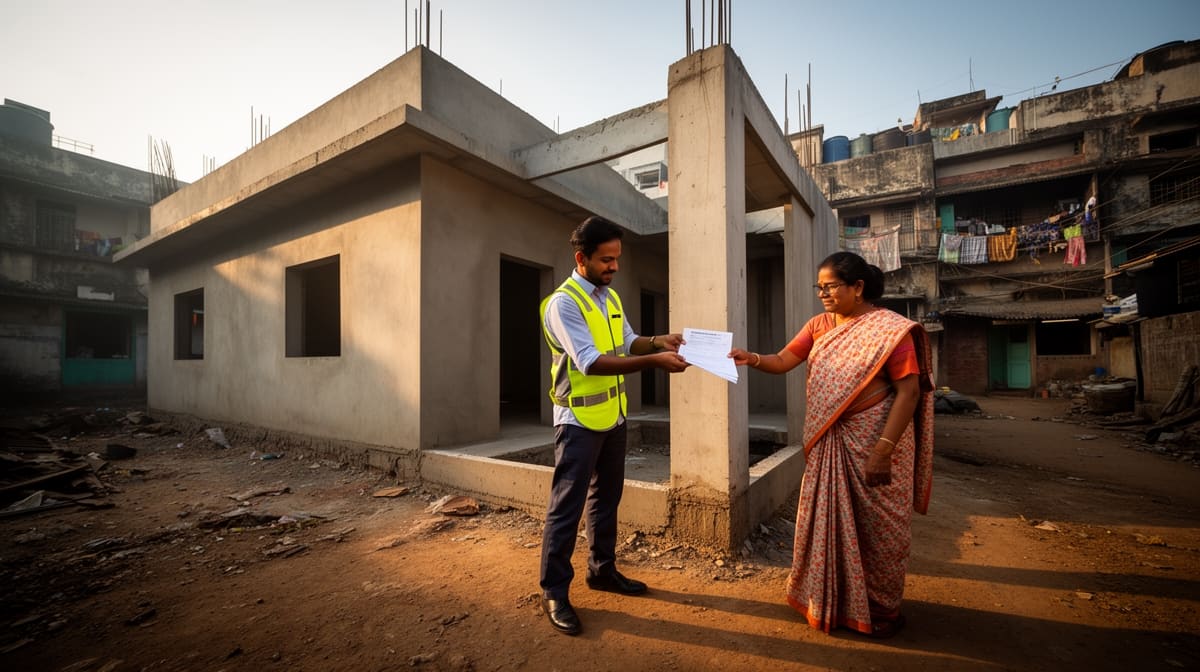
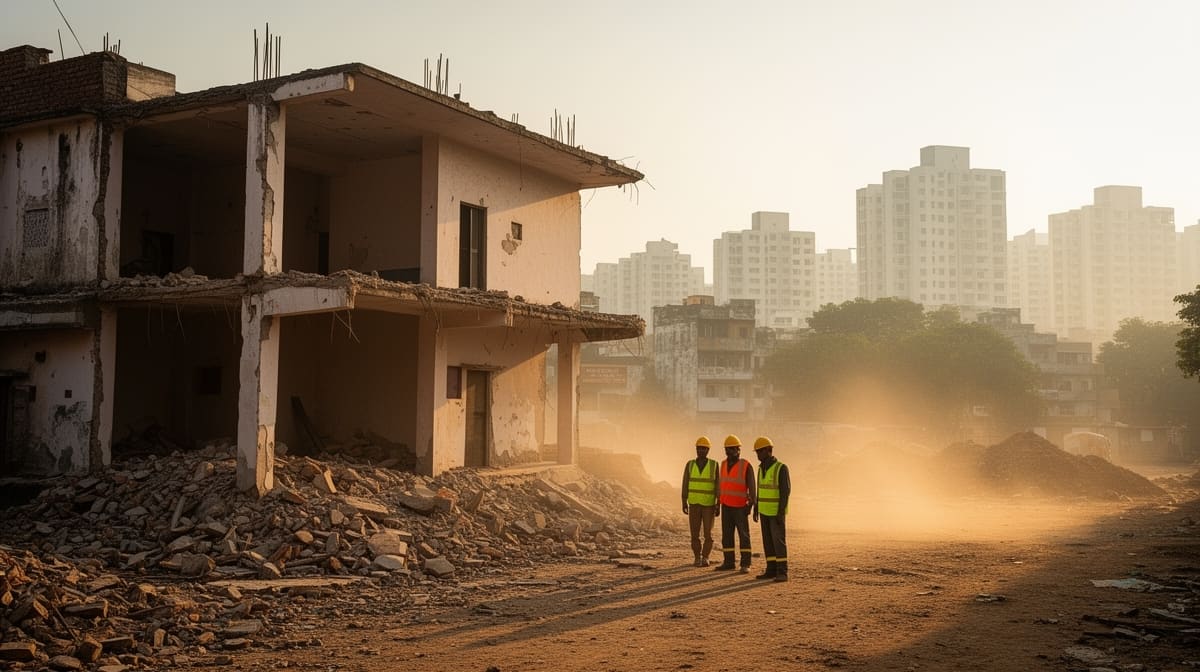
The appellants are individual homebuyers who purchased residential units in a building constructed by Respondent No. 3, a private developer. The Municipal Corporation of Greater Mumbai (MCGM) issued a demolition notice on the grounds that the construction lacked proper permissions under the Mumbai Municipal Corporation Act. The buyers had no involvement in securing approvals, paid full consideration, and relied on representations made by the developer and apparent municipal compliance during the sale process.
Procedural History
- The MCGM initiated demolition proceedings without examining the developer’s role or prior approvals granted or ignored by its own officers.
- The buyers filed civil appeals challenging the demolition notice, arguing violation of natural justice and fundamental rights under Article 21.
- The trial court dismissed the petitions summarily, holding that lack of permission rendered the structure illegal irrespective of buyer innocence.
- The appeals were then brought before the Bombay High Court.
Relief Sought
The appellants sought:
- Stay of demolition
- Direction to MCGM to investigate the developer’s conduct
- Accountability of municipal officers who allegedly permitted construction without due diligence
- Protection of their right to shelter under Article 21
The Legal Issue
The central question was whether municipal authorities can proceed with demolition of a structure without first investigating the role of the developer and without affording procedural fairness to innocent buyers who acted in good faith and relied on apparent official compliance.
Arguments Presented
For the Petitioner
The appellants argued that:
- The buyers were not parties to the unauthorized construction and had no means to verify municipal permissions.
- They relied on the developer’s representations and the fact that utility connections and sale agreements were processed without objection from MCGM.
- Denying them relief violates Article 21 and the doctrine of legitimate expectation as recognized in Maneka Gandhi v. Union of India.
- MCGM’s failure to act against the developer constitutes arbitrary administrative action.
For the Respondent
The MCGM contended that:
- The structure was constructed without valid building permission under Section 367 of the Mumbai Municipal Corporation Act.
- The law does not distinguish between owners and buyers when it comes to illegal construction.
- Any hardship to buyers is a civil matter to be resolved against the developer, not a ground to halt demolition.
The Court's Analysis
The Court rejected the MCGM’s mechanical approach, emphasizing that administrative action must be proportionate and just. It observed that the buyers were not merely tenants but legal owners who had invested life savings in good faith. The Court noted that MCGM had, over years, issued water and electricity connections to the building without raising objections - a fact that created a legitimate expectation of legality.
"It is the innocent buyer who is made to suffer and fight for saving his house. The Corporation cannot turn a blind eye to the developer’s misconduct and then punish the purchaser."
The Court held that due process requires the authority to first determine whether the developer obtained or fraudulently procured permissions, and whether municipal officers had committed acts of omission or commission. It stressed that natural justice demands an inquiry into the root cause of illegality, not just its visible consequence.
The Court further held that the right to shelter under Article 21 cannot be extinguished without a fair opportunity to be heard, especially when the buyer’s conduct was entirely lawful.
The Verdict
The appellants succeeded. The Court held that municipal demolition cannot proceed without first holding the developer accountable and investigating the role of municipal officers. The demolition notice was stayed pending inquiry, and the MCGM was directed to initiate proceedings against the developer and its own officials.
What This Means For Similar Cases
Innocent Buyers Are Not Collateral Damage
- Practitioners must now argue that Article 21 protects the right to shelter even in illegal construction cases, if the buyer acted in good faith.
- Demolition petitions must be resisted on grounds of legitimate expectation and procedural arbitrariness.
- Courts will scrutinize whether the authority investigated the developer’s conduct before targeting buyers.
Municipal Accountability Is Non-Negotiable
- Municipal corporations cannot evade liability by blaming developers.
- If utility services were provided or no objection certificates issued, this creates a prima facie presumption of compliance.
- Buyers may now seek compensation from MCGM for negligence under Section 197 of the CrPC or through civil suits for damages.
Procedural Due Process Trumps Technical Violations
- Section 367 of the Mumbai Municipal Corporation Act cannot be invoked mechanically.
- Authorities must conduct a balancing test: severity of violation vs. impact on fundamental rights.
- Courts will favor remedies that hold the actual wrongdoer accountable, not the victim of systemic failure.