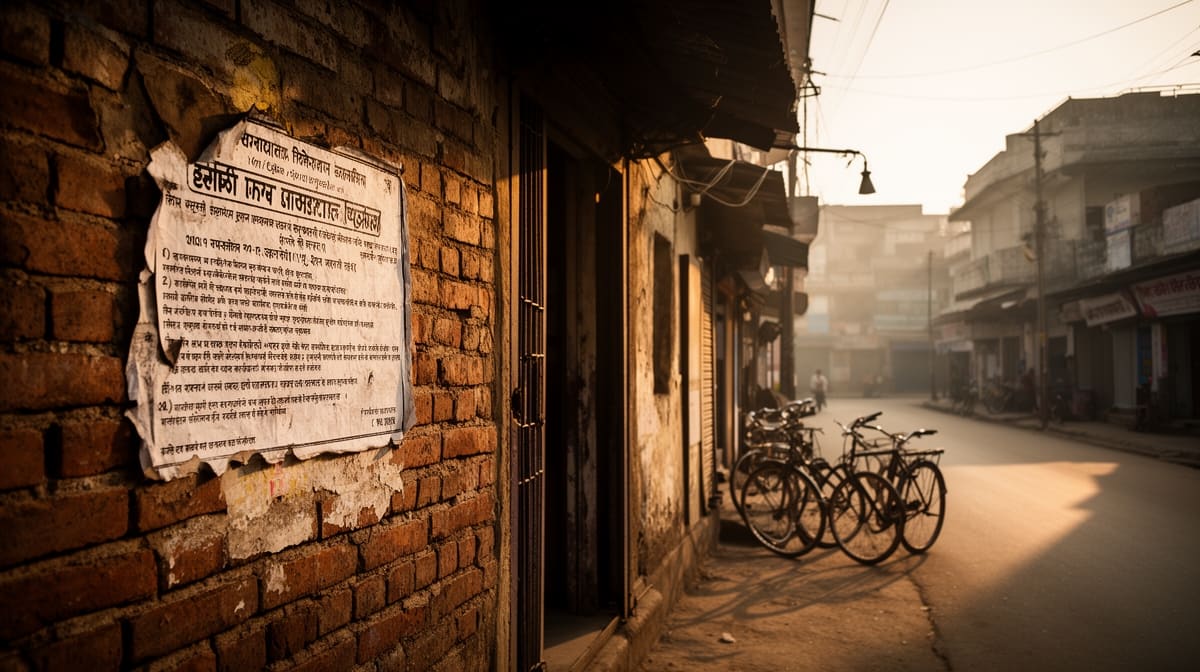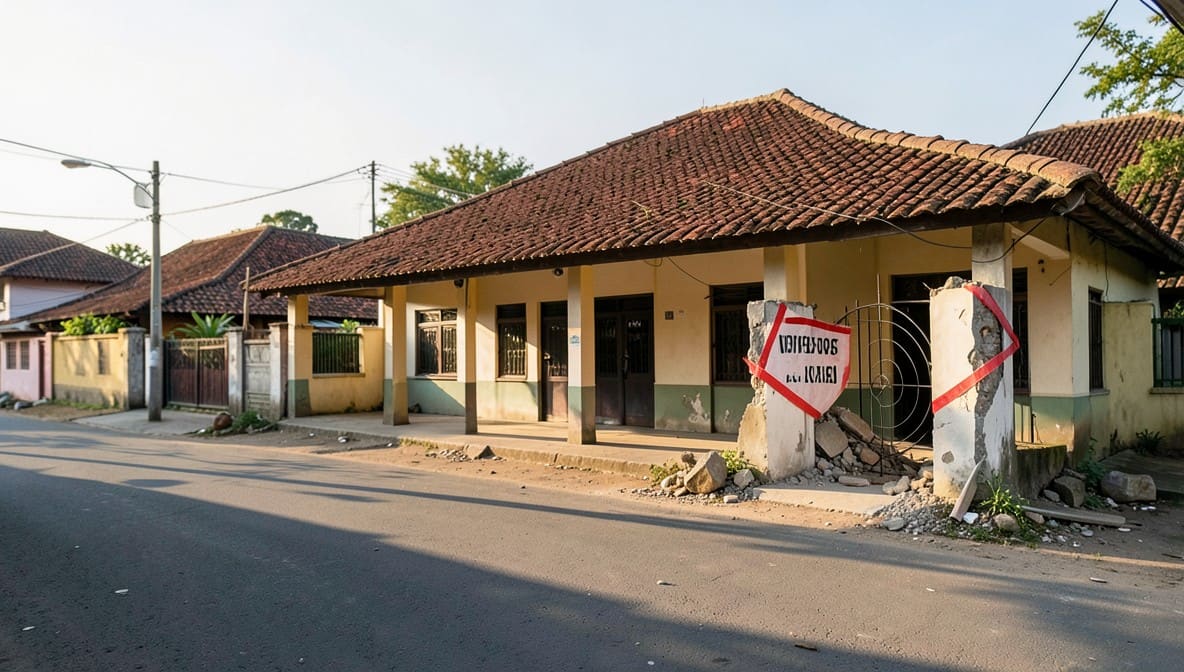
In a significant order emphasizing procedural fairness, the Bombay High Court has restrained the Agricultural Produce Market Committee (APMC) from demolishing unauthorized shops without following due process. The Court directed that a 15-day notice must be issued to occupants, allowing them an opportunity to respond before any action is taken. This ruling underscores the importance of natural justice in administrative actions affecting long-standing occupants.
Background & Facts
The Dispute
The petitioners, Saber @ Sheru Ismail Soudagar and others, are occupants of unauthorized shops within the premises of the Agricultural Produce Market Committee (APMC), Paranda. They have been occupying these shops for over 20 years. The APMC published a news item in a newspaper announcing its decision to initiate action to remove unauthorized shops, prompting the petitioners to approach the High Court.
Key Facts
- The petitioners have occupied the shops for more than 20 years
- The APMC published a news item announcing the removal of unauthorized shops
- No prior notice was issued to the petitioners before the proposed demolition
- The petitioners filed Writ Petition Stamp No. 14984 of 2026 seeking interim relief
Procedural History
- 13.03.2026: Earlier Writ Petition No. 6858 of 2020 directed expeditious disposal of R.C.S. No. 1131 of 2017 within one year
- 22.05.2026: Present writ petition filed before the Vacation Court of the Bombay High Court
- News Item (Annexed at Page 110): APMC announced initiation of action to remove unauthorized shops
Relief Sought
The petitioners sought an interim order restraining the respondent from demolishing or removing the unauthorized shops without following due procedure of law, pending the final disposal of the writ petition.
The Legal Issue
The central question was whether administrative authorities can remove unauthorized constructions without issuing prior notice and affording an opportunity to be heard, particularly when the occupants have been in possession for a substantial period.
Arguments Presented
For the Petitioners
- The petitioners argued that they have been occupying the shops for over 20 years and were not issued any notice before the proposed demolition
- They contended that the APMC’s decision to remove the shops, as announced in the news item, violated principles of natural justice
- Reliance was placed on the earlier direction of the Court in Writ Petition No. 6858 of 2020, which mandated expeditious disposal of related proceedings
For the Respondent
No arguments were presented on behalf of the respondent during the hearing, as the matter was heard ex parte.
The Court's Analysis
The Court observed that administrative authorities are bound to follow due process before taking coercive action. The judgment emphasized that even in cases of unauthorized constructions, occupants must be given a reasonable opportunity to respond to any proposed action. The Court noted:
"The authorities are expected to issue notice to the concerned and by giving at least 15 days time, the authorities should ask the petitioner to submit reply and after considering the reply appropriate order may be passed."
The Court further held that the news item published by the APMC did not constitute sufficient notice, as it did not afford the petitioners an opportunity to be heard. The absence of any prior notice or procedural fairness rendered the proposed action arbitrary and contrary to law.
The Verdict
The Court granted ad-interim relief in terms of prayer clause 'D', restraining the respondent from demolishing or removing the unauthorized shops without following due procedure of law. The matter was directed to be listed for further hearing on 03.07.2026, with notice issued to the respondent.
What This Means For Similar Cases
Due Process Is Non-Negotiable
- Administrative authorities must issue a minimum 15-day notice before taking action against unauthorized constructions
- Occupants must be given an opportunity to submit a reply, and the authority must consider it before passing any order
- Failure to follow this procedure may render the action arbitrary and liable to be set aside
Long-Standing Occupation Matters
- The Court implicitly recognized the rights of long-standing occupants, even in cases of unauthorized constructions
- Practitioners should emphasize the duration of occupation as a factor in seeking interim relief against coercive actions
News Items Do Not Replace Legal Notice
- Publication of a news item or public announcement does not constitute valid notice under law
- Authorities must issue individualized notices to affected parties to comply with principles of natural justice