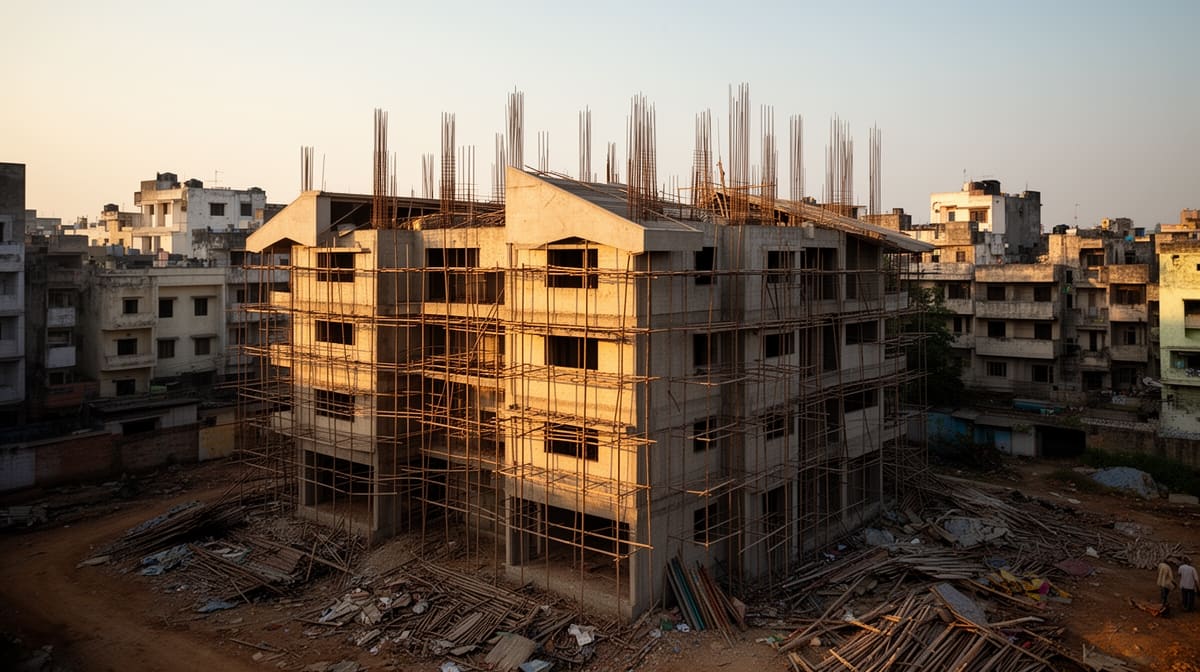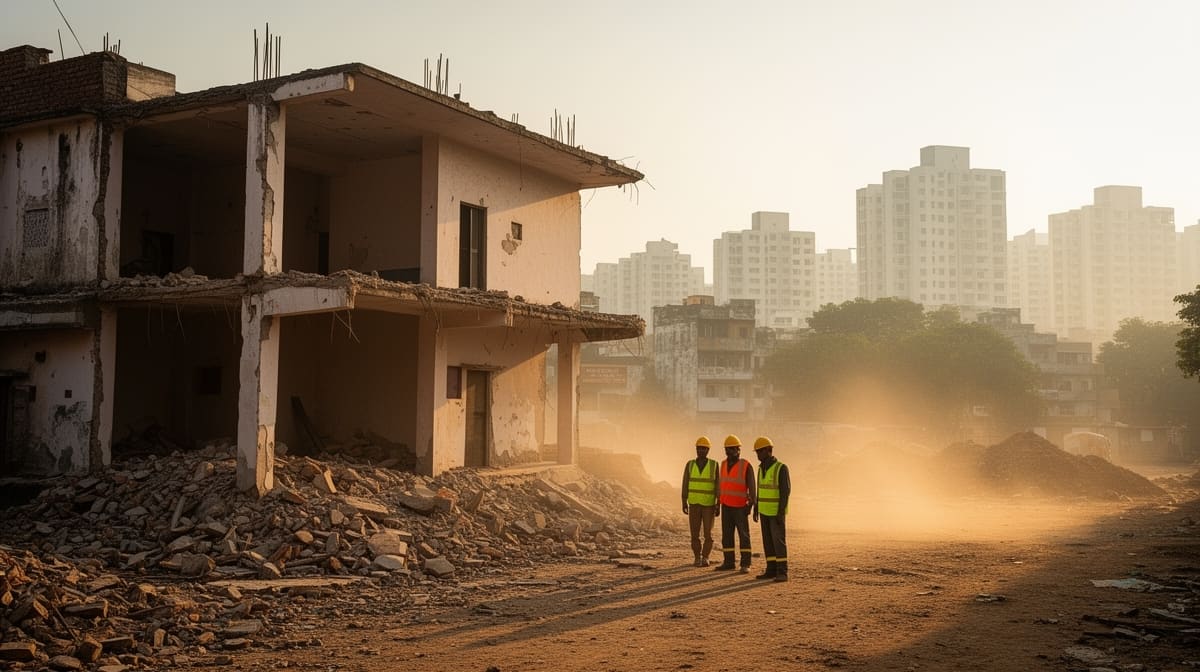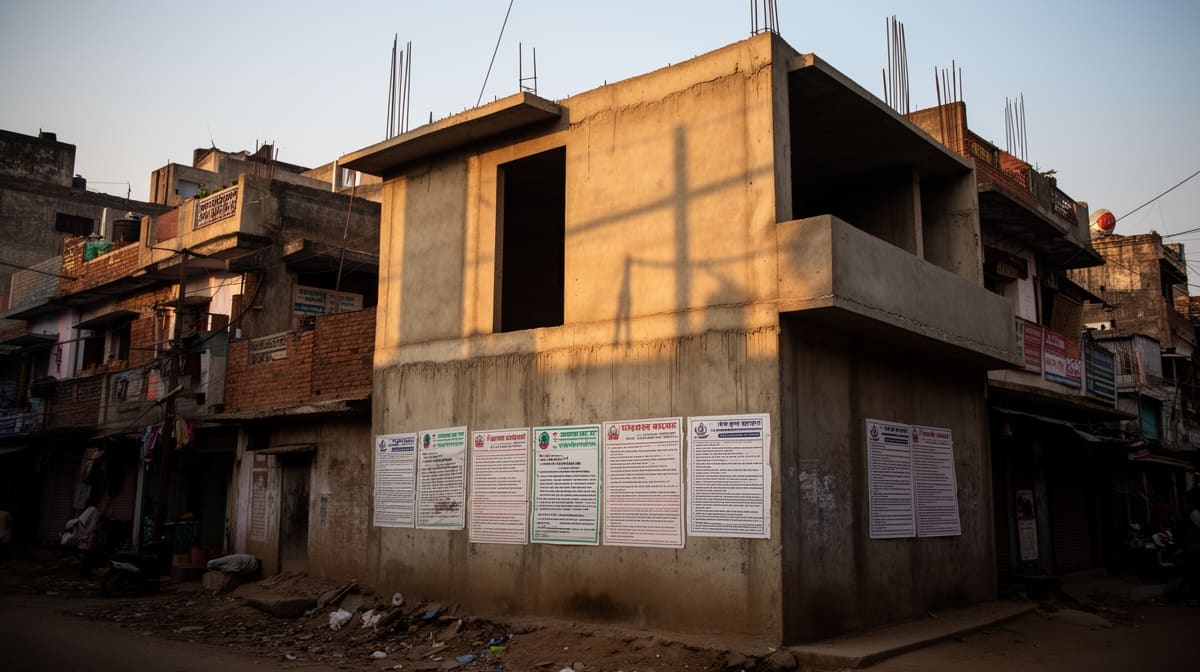
A landmark interim order from the Bombay High Court has established that courts may grant temporary protection against demolition of illegal structures, even in the absence of legal title, provided the occupant deposits substantial monthly sums into court pending final adjudication. This ruling redefines the equitable calculus in municipal enforcement proceedings where procedural delay has prolonged litigation for over a decade.
Background & Facts
The Dispute
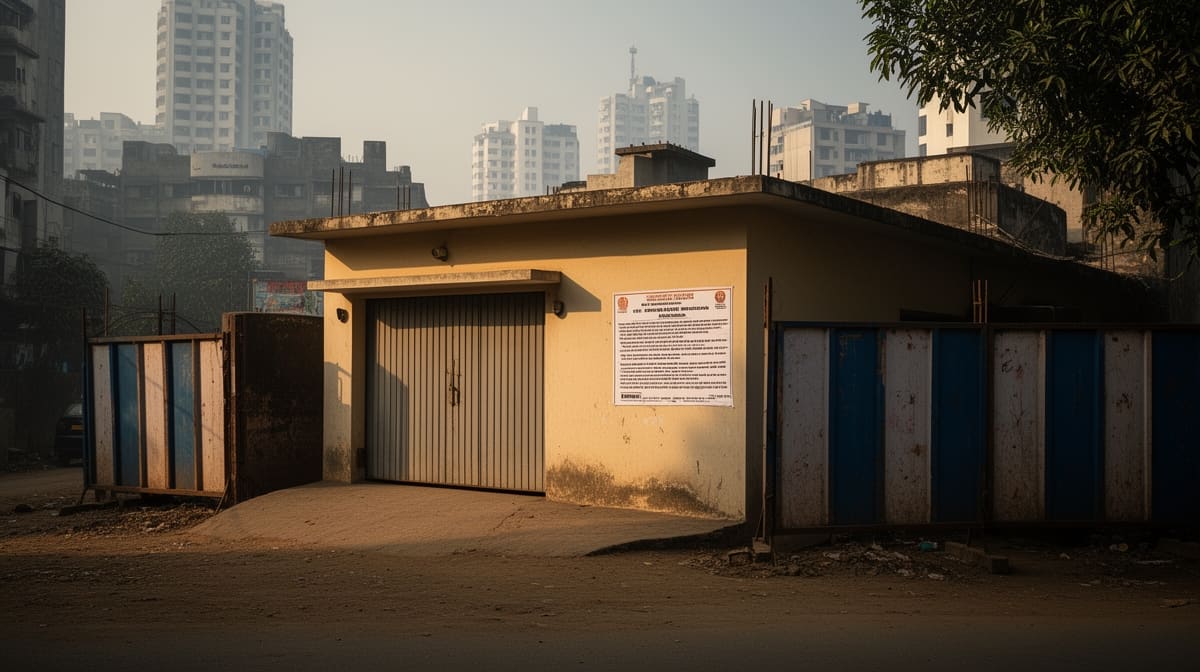
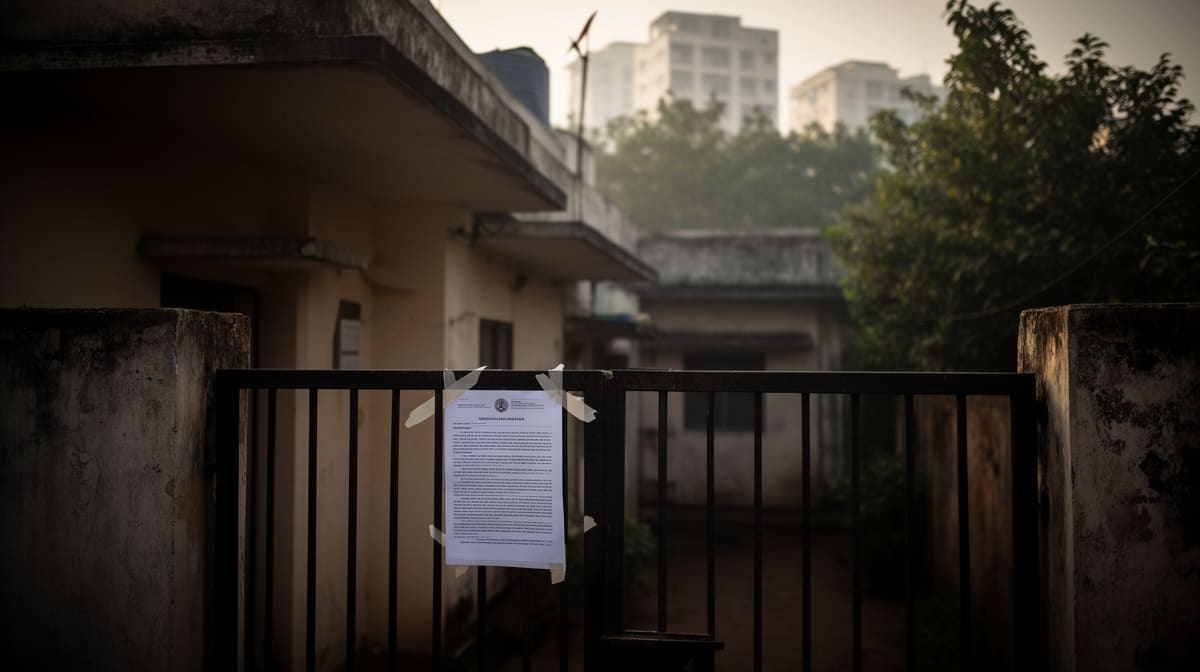
The dispute arose from a notice issued under Section 351 of the Mumbai Municipal Corporation Act, 1888, alleging that a stilt parking area in Bandra had been unlawfully converted into a 250 sq.ft. office space without municipal approval. The appellant, Ebrahim Haji Lakdawala, challenged the notice in civil court, claiming ownership through a registered purchase document. However, he produced no evidence that the structure appeared on the Corporation’s approved plans, and notably, he did not appear as a witness.
Procedural History
- 2012: Municipal Corporation issued notice under Section 351 MMC Act alleging unauthorized construction.
- 2014: City Civil Court dismissed the suit after finding no proof of legal status or approval.
- 2016: First Appeal filed before Bombay High Court; ad-interim stay granted on 25 May 2016.
- 2016: Regularisation application rejected; appeal pending before Minister (status unknown).
- 2026: Appeal finally taken up for admission after ten years of inaction.
Relief Sought
The appellant sought continuation of the ad-interim stay against demolition, arguing that irreversible harm would occur if the structure was torn down before final adjudication. The respondents sought enforcement of the trial court’s dismissal and removal of the illegal structure.
The Legal Issue
The central question was whether a court may grant interim protection against demolition of a structure admitted to be illegal under municipal law, and if so, under what equitable conditions can such relief be conditioned to prevent abuse of process.
Arguments Presented
For the Appellant
The appellant’s counsel argued that demolition would cause irreparable loss, especially if the pending regularisation appeal were eventually allowed. He relied on the principle of utmost good faith in equitable proceedings and cited State of Maharashtra v. Suresh to argue that courts must balance hardship against illegality. He emphasized the long pendency of the appeal was due to court backlog, not his neglect.
For the Respondent
The Municipal Corporation contended that the appellant had no legal title, had not challenged the trial court’s detailed findings, and had remained passive for a decade. They cited Municipal Corporation of Delhi v. Suresh Kumar to assert that illegal constructions cannot be protected merely due to delay, and that allowing continued use without penalty incentivizes defiance of municipal law.
The Court's Analysis
The Court acknowledged the appellant’s failure to establish legal status or produce approved plans. It noted that the structure had been used illegally since 2010 and that the appellant had not proactively followed up on his appeal for over ten years. The Court rejected the argument that court delay alone justified indefinite protection.
"The fact that the Court is overburdened and cannot take up and was unable to take the matter for admission and the civil application for hearing has resulted into the appellant enjoying the benefits of ad-interim protection for almost ten years. This is nothing but taking advantage of the pendency of the Court proceedings by the litigant and such approach is highly deplorable."
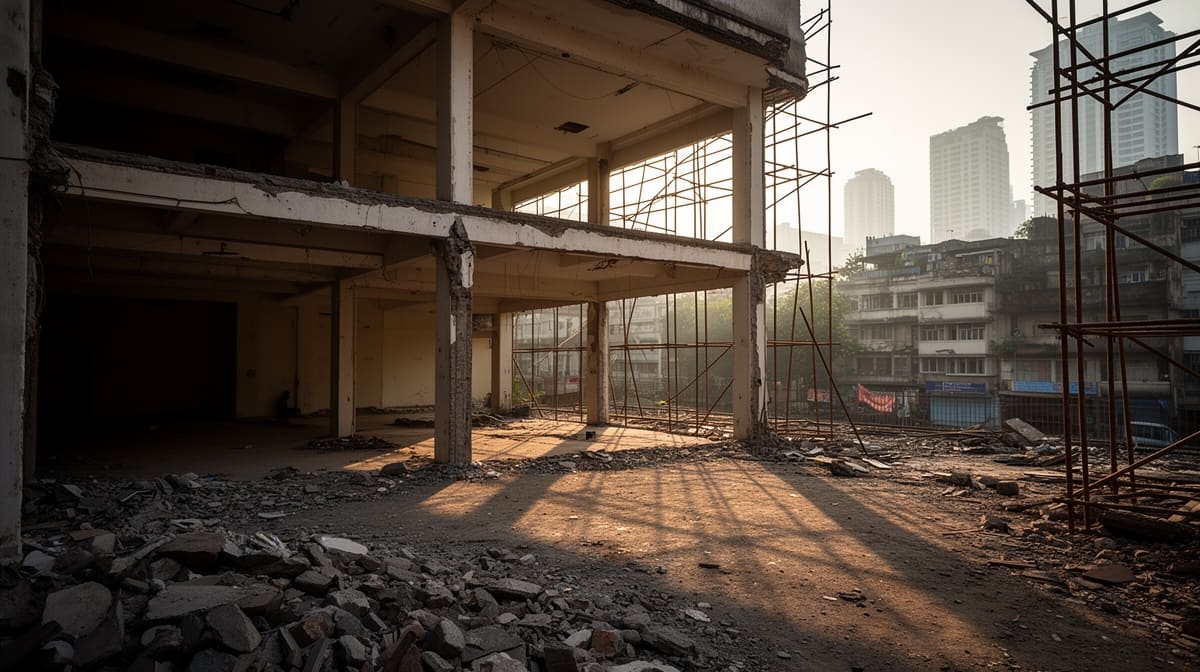
However, the Court recognized a potential injustice: if the appeal were allowed or regularisation granted, demolition would render any remedy meaningless. To balance equity and deterrence, the Court imposed a stringent financial condition. It held that equitable relief must be tied to tangible accountability, not mere procedural inertia. The monthly deposit requirement transforms passive occupation into a form of rent paid to the state, ensuring the Corporation is not deprived of its due even if the structure remains standing.
The Court further clarified that any future regularisation order would apply prospectively only, and that the deposited amounts would remain in court until final disposal, subject to potential transfer to the Corporation or a charitable cause.
The Verdict
The appellant prevailed on interim relief. The Court held that demolition may be stayed pending appeal only if the occupant deposits Rs.30,000 per month retroactively from 2010 and continues monthly deposits, with strict penalties for default. The relief is conditional, reversible, and designed to neutralize the benefit of unlawful occupation.
What This Means For Similar Cases
Interim Protection Requires Financial Accountability
- Practitioners must now argue that any stay against demolition must include a mechanism to compensate the municipal authority for unlawful use.
- Courts will no longer grant blanket stays; financial deposits are now a baseline requirement.
- Failure to deposit triggers automatic vacation of stay - no extensions permitted.
Retroactive Deposits Are Enforceable
- Courts may impose monthly payments dating back to the date of unlawful occupation, even if the suit was filed years later.
- This creates a financial disincentive for prolonged illegal use and ensures the state is not left uncompensated.
- Practitioners should advise clients to anticipate such obligations when filing suits against demolition notices.
Regularisation Does Not Erase Past Illegality
- Even if a structure is later regularised, the deposit obligation continues until the date of that order.
- Regularisation is prospective only; it does not validate prior use or absolve past liability.
- Clients must be warned that applying for regularisation does not halt the accrual of deposit obligations.