The Customs, Excise and Service Tax Appellate Tribunal (CESTAT), Chandigarh, has held that an importer cannot be denied exemption under the EPCG scheme merely because the tariff classification adopted in the Bill of Entry differs from the classification determined by Customs, provided the goods qualify as capital goods under the Foreign Trade Policy. The Tribunal set aside an order demanding differential duty of Rs. 3,07,21,816, an equal penalty under Section 114A, and a redemption fine of Rs. 50,00,000, ruling that once the DGFT authorizes goods as capital goods, Customs cannot unilaterally dispute eligibility based on classification without seeking clarification from the DGFT.
Background & Facts
The Dispute
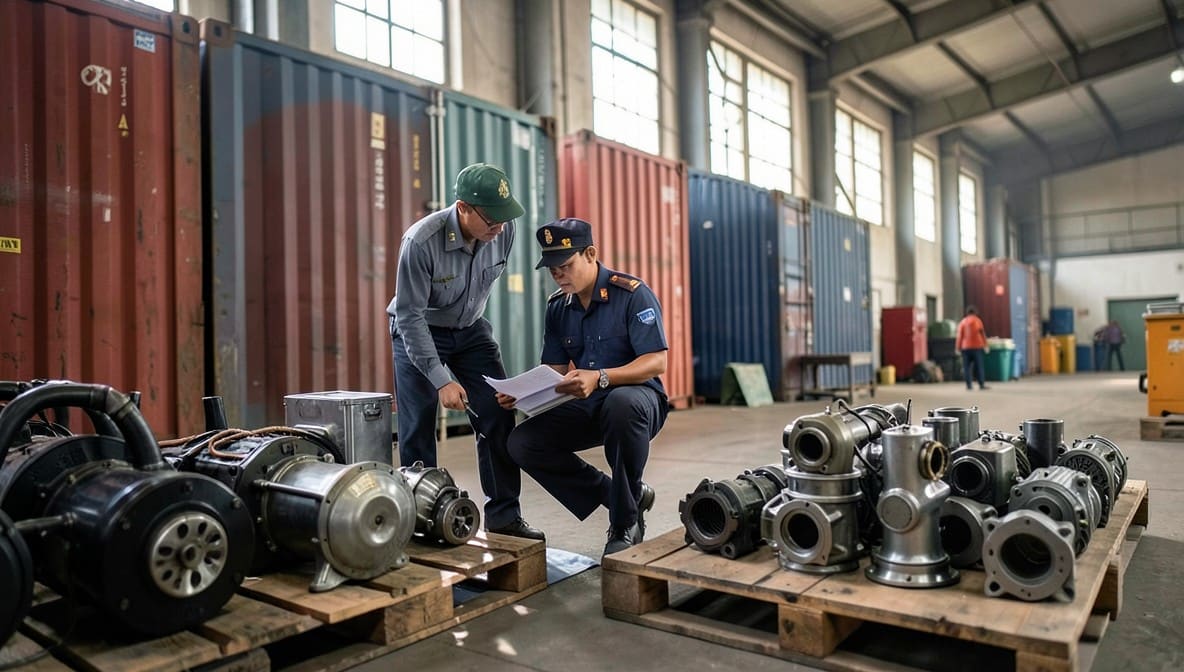
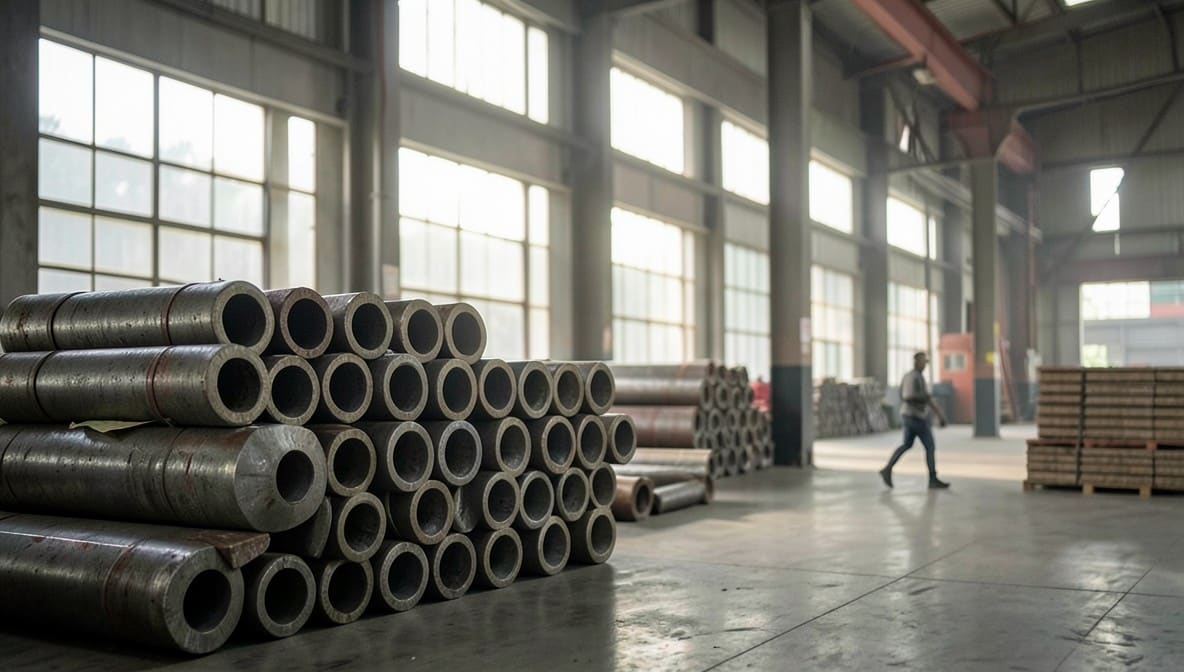
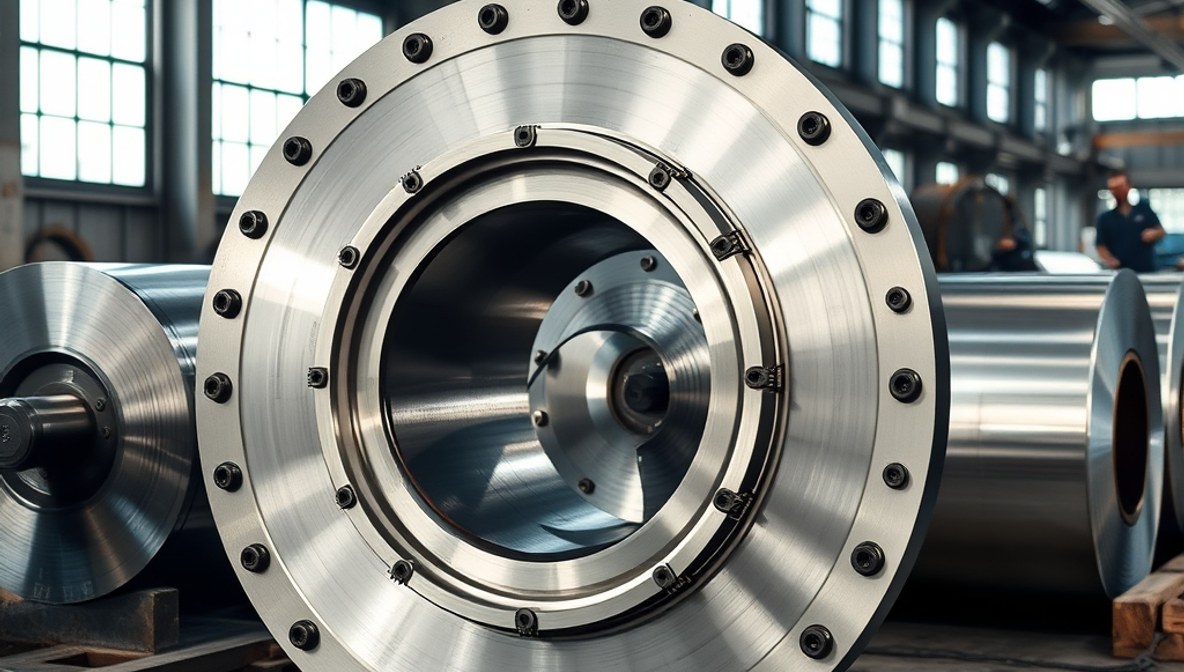
M/s Chiripal Poly Films Ltd. (the appellant) imported 60 spools for a rolling mill under an EPCG Authorization issued by the Directorate General of Foreign Trade (DGFT). The appellant filed Bill of Entry No. 6542707 classifying the goods under Customs Tariff Heading (CTH) 8455 9000 as "other parts of rolling mills" and claimed exemption under Notification No. 26/2023-Cus. The Revenue contended that the spools, being made of steel, were correctly classifiable under CTH 7326 9099 (articles of iron or steel) and that the appellant had mis-declared the classification to unlawfully avail the EPCG benefit.
Key Facts
- The appellant is engaged in manufacturing aluminium foils and required spools for its rolling mill operations.
- The EPCG Authorization described the goods as "spools for rolling mill" and categorized them as capital goods.
- The Bill of Entry was filed on an unspecified date in 2024, classifying the spools under CTH 8455 9000.
- The goods were seized by Customs on 04.12.2024.
- A show cause notice was issued alleging mis-declaration and misclassification.
- The Principal Commissioner of Customs, Sahnewal, Ludhiana, passed the impugned Order-in-Original No. Pr.Commr/NA/LDH/Customs/08/2025 on 19.08.2025, confirming the reclassification to CTH 7326 9099, denying the exemption, and demanding:
- Differential duty: Rs. 3,07,21,816
- Penalty under Section 114A of the Customs Act, 1962: Rs. 3,07,21,816 (equal amount)
- Redemption fine: Rs. 50,00,000
- The appellant contended that the spools are tailor-made for rolling mills, constitute essential parts of the manufacturing process, and are not excluded under Appendix-5F of the FTP.
Procedural History
- 04.12.2024: Goods seized by Customs authorities.
- 19.08.2025: Order-in-Original passed by Principal Commissioner of Customs, Sahnewal, Ludhiana.
- 2025: Customs Appeal No. 61188 of 2025 filed before CESTAT, Chandigarh.
- 15.10.2026: Hearing held before the Tribunal.
- 05.11.2026: Final Order No. 60591/2026 pronounced, allowing the appeal.
The Parties' Positions
Appellant: The spools are capital goods as defined in Para 11.08 of the FTP and authorized by DGFT. The EPCG scheme and Notification No. 26/2003-Cus (Explanation A) adopt the FTP definition. Classification under the Customs Tariff does not alter the nature of goods as capital goods. Section Note 1(c) of Section XVI excludes only "bobbins, spools, cops, cones, cores, reels or similar supports" acting as supports for materials, not essential machine parts. Heading 8455 9000 is the most specific description under GRI Rule 3(a). Reliance placed on JSW Steel Ltd. [2016 (340) ELT 262], Cosmic Ferro Alloys Ltd. [2024 (8) TMI - CESTAT Kolkata], Jindal Stainless Ltd. [2025 (3) TMI 855], and other precedents.
Respondent: The EPCG Authorization is valid only for the specific CTH mentioned. The department adheres to strict license terms. Section Note 1(c) of Section XVI specifically excludes spools of any material from Chapter 84. The appellant knowingly declared under CTH 8455 9000 despite the exclusion, establishing mis-declaration under Section 28(4). Relied on Videocon Industries Ltd. [(2023) 5 Centax 108 (SC)] and KGN Enterprises Ltd. [2013 (293) ELT 39 (T-Mum)].
Relief Sought
The appellant sought setting aside of the impugned order, allowance of exemption under Notification No. 26/2023-Cus, and remission of the differential duty demand of Rs. 3,07,21,816, penalty of Rs. 3,07,21,816, and redemption fine of Rs. 50,00,000.
The Legal Issue
The central questions were: (1) Whether a difference between the tariff heading in the EPCG Authorization and the classification under the Customs Tariff disentitles the importer from the exemption benefit; and (2) Whether the imported spools are classifiable under CTH 7326 9099 (as contended by Revenue) or CTH 8455 9000 (as declared by the appellant).
Arguments Presented
For the Appellant
Counsel submitted that the EPCG scheme and FTP define capital goods by functionality - plant, machinery, equipment, or accessories required for manufacture directly or indirectly - not by tariff classification. Paragraph 5.1(a) of the FTP allows import of capital goods (except those in Appendix-5F) at zero duty. The spools are not in Appendix-5F. The Customs Notification No. 26/2003-Cus, Explanation (A), expressly adopts the FTP definition. The appellant distinguished KGN Enterprises Ltd. on facts: that case involved galvanized sheets, nuts, bolts, and frames - not electrical/mechanical equipment - whereas the present spools are precision-engineered, essential parts of a rolling mill. Section Note 1(c) of Section XVI excludes only "similar supports" (i.e., supports for materials like thread/yarn), not parts essential to machine operation. Explanation (I)(A) and (B) of Section XVI clarify that the section covers all machinery and parts suitable for use solely or principally with particular machines, regardless of material. Heading 8455 9000 is the most specific description under GRI Rule 3(a), preferred over the residual heading 7326 9099.
For the Respondent
The Authorized Representative argued that the EPCG Authorization is valid only for the specific CTH mentioned; strict compliance with license terms is mandatory. Section Note 1(c) of Section XVI is binding and absolute in excluding spools from Chapter 84. The appellant's expert opinion cannot override statutory provisions. The appellant knowingly mis-declared the classification, attracting Section 28(4) for extended period and penalty. Hindustan Steel principles on penalty are inapplicable as facts differ. The extended period was rightly invoked, and confiscation and penalties were justified.
The Court's Analysis
The Tribunal framed two issues: (1) whether the classification difference disentitles the exemption, and (2) the correct classification. On the first issue, the Tribunal held that the definition of "capital goods" in the FTP (Para 11.08) and Handbook of Procedures (Appendix-5F) governs eligibility for the EPCG scheme. The Customs Notification No. 26/2003-Cus, Explanation (A), expressly provides that "capital goods" have the same meaning as in Para 11.08 of the FTP. Since the DGFT authorized the spools as capital goods and they are not in Appendix-5F, Customs cannot deny the benefit based on a different tariff classification. The Tribunal emphasized:
"We find that there is no definition given under the Customs Act for capital goods. Therefore, we are of the considered opinion that when the authority issuing EPCG license considers the impugned goods as capital goods as per the definition given in the FTP and the Handbook of Procedures, Customs have no reason to disbelieve the same to be capital goods depending on the classification that is be arrived at under the Customs Tariff Act."
The Tribunal further held that if Customs wished to dispute eligibility, they were required to refer the matter to the DGFT for clarification or seek modification of the authorization. Having done neither, they could not dispute eligibility "irrespective of the classification that may have been arrived at by the Customs." The Tribunal relied on the coordinate Bench decision in JSW Steel Ltd. [2016 (340) ELT 262 (Tri.-Chennai)], which held that the department cannot take a different stand on the same goods as capital goods under EPCG but not under SHIS, and that the FTP definition governs. This principle was recently affirmed in Jindal Stainless Ltd. [2025 (3) TMI 855 (CESTAT Kolkata)].
On the classification issue, the Tribunal noted considerable force in the appellant's argument that Section Note 1(c) of Section XVI excludes "bobbins, spools, cops, cones, cores, reels or similar supports of any material" - where "similar supports" refers to goods acting as supports for materials (like thread/yarn), not parts essential to a machine for manufacturing. The Revenue's reliance on Chapter 73.26 Explanatory Notes (covering articles obtained by forging, punching, cutting, stamping, etc.) was unavailing as it was not established that the spools were manufactured by such simple processes; the appellant's claim of technically complicated precision manufacturing was unrefuted. However, the Tribunal held that since the exemption is available irrespective of classification, the classification question need not be conclusively decided. Consequently, the allegation of mis-declaration with intent to evade duty was nullified, and the demand for duty, penalty, and redemption fine was unwarranted.
The Verdict
The appeal was allowed. The Tribunal set aside the Order-in-Original No. Pr.Commr/NA/LDH/Customs/08/2025 dated 19.08.2025 in its entirety. The differential duty demand of Rs. 3,07,21,816, the penalty under Section 114A of Rs. 3,07,21,816, and the redemption fine of Rs. 50,00,000 were all remitted. The appellant is entitled to the exemption under Notification No. 26/2023-Cus for the 60 spools imported under the EPCG Authorization.
What This Means For Similar Cases
EPCG Eligibility Governed by FTP Definition, Not Tariff Classification
- The definition of "capital goods" in Paragraph 11.08 of the Foreign Trade Policy and the negative list in Appendix-5F are the sole determinants of EPCG eligibility.
- Customs cannot deny exemption because the tariff heading in the Bill of Entry differs from the heading Customs considers correct, provided the DGFT has authorized the goods as capital goods.
- If Customs disputes the characterization, the proper course is to refer the matter to the DGFT for clarification or seek amendment of the authorization - not to unilaterally deny the benefit.
Section Note 1(c) of Section XVI Does Not Exclude Essential Machine Parts
- The exclusion of "bobbins, spools, cops, cones, cores, reels or similar supports" applies only to items functioning as supports for materials (e.g., yarn, thread), not to precision-engineered parts essential to the operation of a machine for manufacturing.
- Practitioners should argue that "similar supports" must be read ejusdem generis with the preceding terms - all of which are passive supports for winding materials.
- Where goods are manufactured by technically complex processes (precision machining, heat treatment, etc.), the residual heading 7326 9099 (covering articles made by forging, punching, cutting, stamping) should not be preferred over a specific machinery parts heading like 8455 9000 under GRI Rule 3(a).
Mis-declaration Allegation Fails When Exemption Is Classification-Agnostic
- Once the Tribunal holds that the exemption is available irrespective of classification, the mens rea for mis-declaration under Section 28(4) and penalty under Section 114A collapses.
- Revenue must prove that the importer knew the goods were ineligible for the scheme, not merely that a different tariff classification was possible.
- The burden shifts to Revenue to show the goods fall in Appendix-5F or do not meet the FTP functionality test - a mere classification dispute is insufficient.
Actionable Takeaways for Practitioners
- Verify Appendix-5F first: Before contesting classification, confirm the goods are not in the negative list.
- Obtain Chartered Engineer certificates detailing the technical complexity and essentiality of the part to the manufacturing process.
- Cite JSW Steel Ltd. and Jindal Stainless Ltd. for the principle that FTP definition governs across schemes (EPCG, SHIS, etc.).
- Demand DGFT reference: In show cause responses, argue that Customs must refer classification disputes affecting scheme eligibility to the DGFT.
- Challenge extended period: If the only alleged "mis-declaration" is a classification difference on goods otherwise eligible, Section 28(4) should not be invoked.