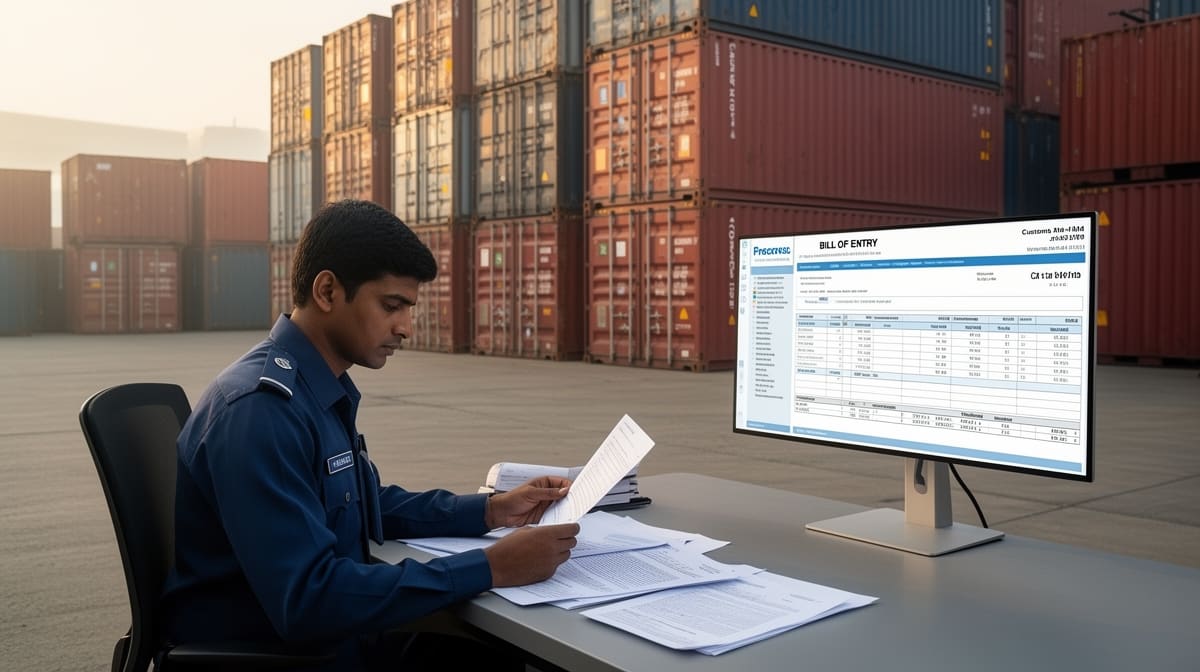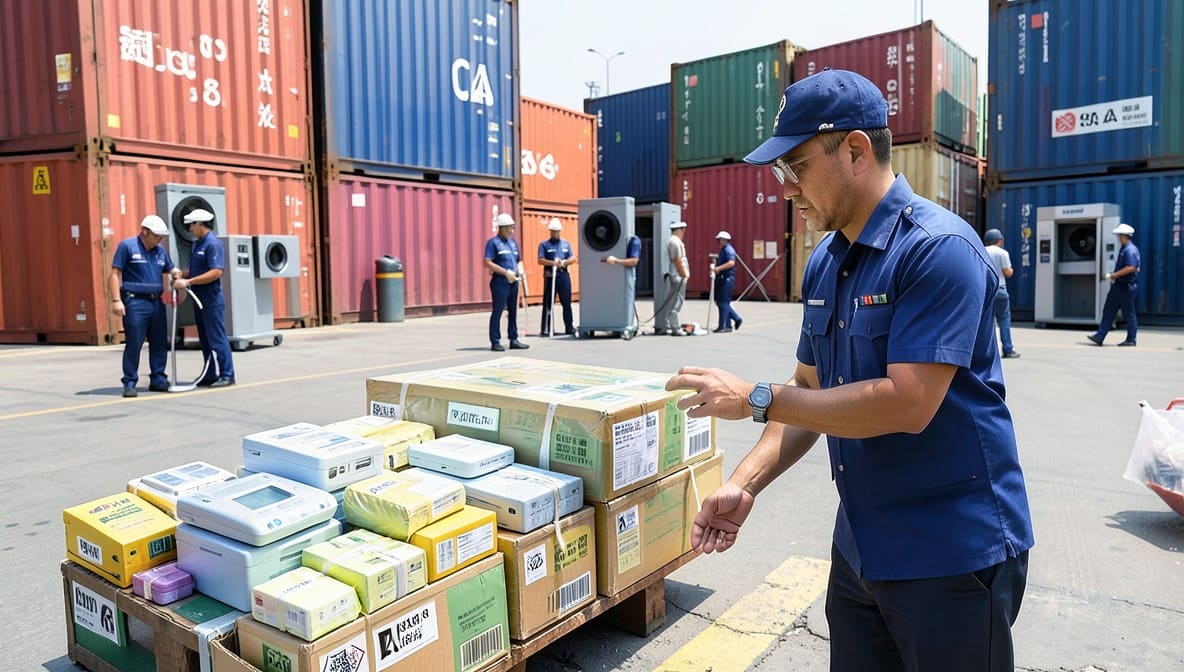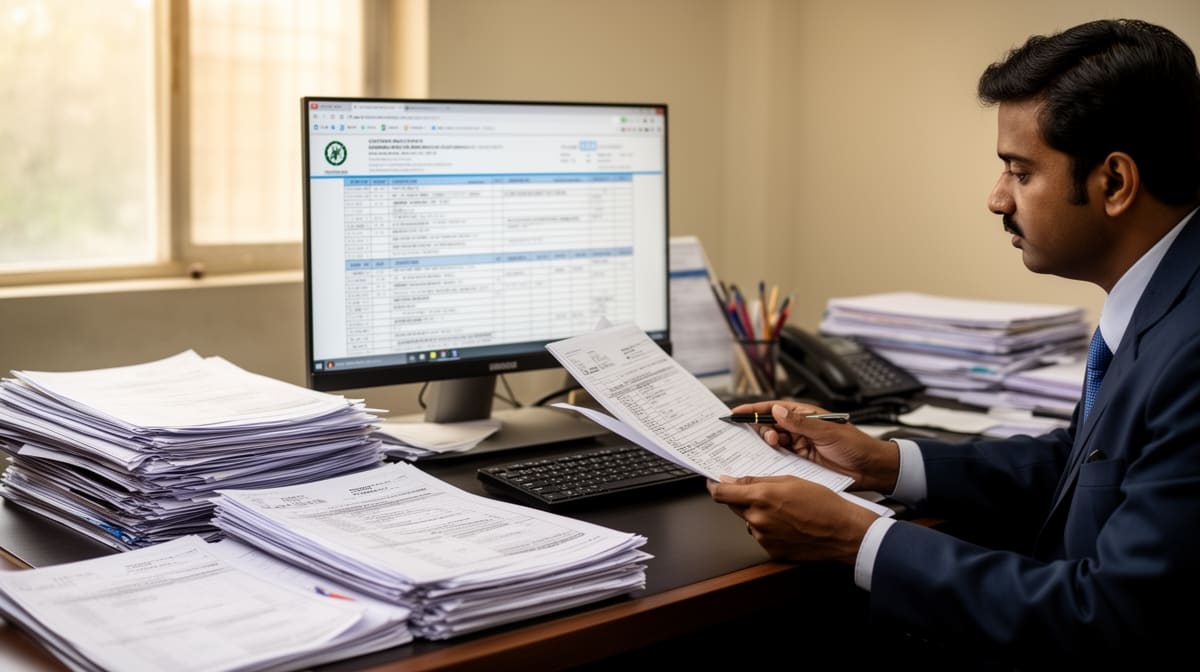
The Customs Appellate Tribunal has clarified a critical principle in customs law: a mere error in classification of imported goods, even if resulting in lower duty payment, cannot attract penalty unless there is proof of fraud, collusion, or willful misstatement. This ruling reinforces the distinction between administrative error and intentional evasion, offering much-needed clarity to importers and customs practitioners.
Background & Facts
The Dispute
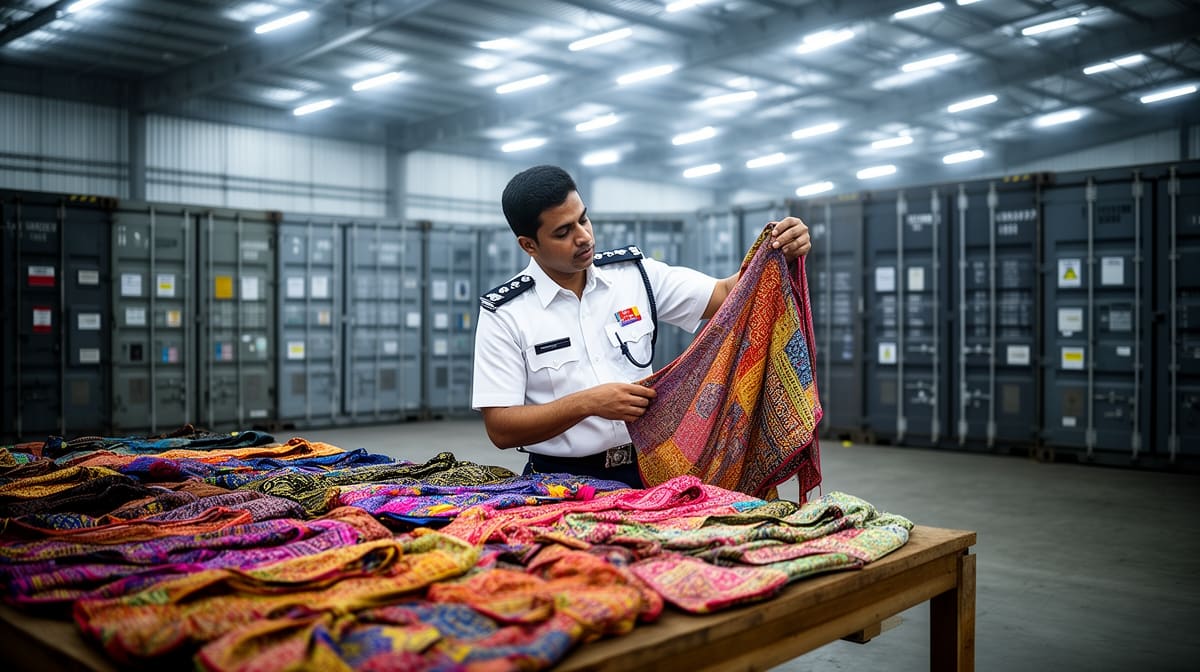
The appellant, M/s Chogori India Retail Ltd., imported women’s jackets declared as "knitted" under Customs Tariff Item (CTI) 6102 30 10, attracting a 10% duty rate. Upon physical examination by Customs officials, the garments were found to be made of woven fabric, not knitted, and thus correctly classifiable under CTI 6202 93 90, which attracts a 25% duty rate. The importer’s authorized representative, Shri Kuldeep Bhandari, acknowledged during inspection that the garments were woven and agreed with the proposed reclassification.
Procedural History
- July 2021: Three Show Cause Notices (SCNs) issued by Customs Preventive units at Patparganj, Tughlakabad, and New Customs House, proposing differential duty and penalty.
- March 2023: Commissioner of Customs confirmed differential duty of Rs. 4,04,306/- under Section 28(4) and imposed penalty of equal amount under Section 114A.
- November 2025: Appeal heard before the Customs Appellate Tribunal.
Relief Sought
The appellant sought quashing of the penalty under Section 114A and relief from extended period of limitation under Section 28(4), arguing that the misclassification was an honest error without any intent to evade duty.
The Legal Issue
The central question was whether Section 114A of the Customs Act, 1962 permits imposition of penalty for misclassification of goods when there is no evidence of fraud, collusion, or willful misstatement, and whether Section 28(4) justifies recovery beyond the normal limitation period in cases of mere self-assessment error.
Arguments Presented
For the Appellant
Learned counsel argued that:
- The classification under CTI 6102 30 10 was a reasonable, albeit incorrect, interpretation based on the garment’s appearance.
- The importer paid higher IGST than applicable under the correct classification, indicating no incentive to evade duty.
- The representative’s admission during inspection was not a confession of intent to evade, but an acknowledgment of factual observation.
- Reliance was placed on the principle that self-assessment errors are subject to re-assessment, not penalization.
For the Respondent
The Revenue contended that:
- The importer’s representative explicitly admitted the garments were woven, confirming deliberate misdeclaration.
- The difference in duty rates (10% vs. 25%) constituted significant revenue loss.
- The classification was clear under the Customs Tariff, and the appellant’s failure to verify fabric type amounted to negligence amounting to suppression.
- Penalty under Section 114A was justified as the misclassification resulted in evasion of duty.
The Court's Analysis
The Tribunal conducted a meticulous review of the facts and statutory framework. It acknowledged that the garments were correctly reclassified under CTI 6202 93 90, as they were woven and not knitted, and that the duty demand under Section 28(1) was valid. However, the critical inquiry was whether the conditions for invoking Section 28(4) (extended limitation) and Section 114A (penalty) were met.
The Tribunal emphasized that Section 114A requires proof of fraud, collusion, or willful misstatement. Mere incorrect classification, even if resulting in lower duty, does not satisfy this threshold. The Court noted:
"It is perfectly possible for the appellant to have misunderstood and wrongly classified the imported goods during self-assessment of the Bills of Entry. The remedy against wrong self-assessment is re-assessment by the officer. Such re-assessment does not necessarily mean the appellant had any intention to evade paying duty at the correct rate."
The Tribunal distinguished between a technical error in interpretation and intentional evasion. The fact that the importer’s representative cooperated during inspection, did not conceal documents, and had no history of similar violations further negated any inference of malafide intent. The Tribunal also observed that distinguishing between woven and knitted fabrics, while possible, is not always obvious to non-experts, and the appellant had paid IGST at a higher rate than the correct classification would have required.
Consequently, the Tribunal held that the elements necessary to invoke Section 114A were absent. The penalty was therefore unsustainable.
The Verdict
The appellant prevailed on the penalty issue. The Tribunal upheld the duty demand of Rs. 4,04,306/- under the correct classification but set aside the penalty under Section 114A and the extended period of limitation under Section 28(4). The order was modified to restrict recovery to the normal limitation period, affirming that mere misclassification without intent does not attract penalty.
What This Means For Similar Cases
Penalty Cannot Be Imposed for Honest Classification Errors
- Practitioners must now argue that Section 114A requires proof of mens rea - not just differential duty.
- Importers who self-assess in good faith, even if incorrectly, are protected from punitive action absent evidence of concealment or deception.
- Customs authorities must now document specific acts of fraud or suppression to justify penalty proceedings.
Re-assessment Is the Correct Remedy, Not Prosecution
- The Tribunal reaffirmed that Section 28(1) and Section 28(5) provide adequate remedies for re-assessment of misclassified goods.
- Revenue authorities should avoid initiating penalty proceedings as a first step; re-assessment must precede any punitive action.
- Practitioners can now cite this order to resist arbitrary penalty notices in classification disputes.
Documentation and Cooperation Mitigate Risk
- Cooperation during inspection, as demonstrated by the appellant’s representative, significantly weakens the Revenue’s case for willful suppression.
- Maintaining records of internal classification reviews and communication with customs brokers can serve as evidence of good faith.
- Importers should consider pre-filing consultations with customs experts to reduce risk of inadvertent misclassification.