The Rajasthan High Court has directed a recalibration of environmental compensation imposed on an industrial unit after it demonstrated through sworn affidavit and photographic evidence that the offending facility had been permanently shut down and demolished. This interim order underscores the necessity for regulatory bodies to account for subsequent factual changes before enforcing penalties, reinforcing procedural fairness in environmental enforcement.
Background & Facts
The Dispute
The appellant, M/s S. Kankriya Wire And Cable and Kankriya Plasto Technique, operated a copper wire furnace at its industrial premises in Jodhpur, Rajasthan. The Rajasthan State Pollution Control Board (RSPCB) issued an order dated 02.02.2026 imposing environmental compensation for 97 days, from 16.12.2024 to 24.03.2025, on the ground that the appellant’s operations contributed to environmental pollution.
Key Facts
- The appellant received a show cause notice from the RSPCB in late 2024
- In response, the appellant filed a sworn affidavit dated 24.03.2025 before the RSPCB
- The affidavit stated that the copper wire furnace had been permanently shut down on 12.01.2025
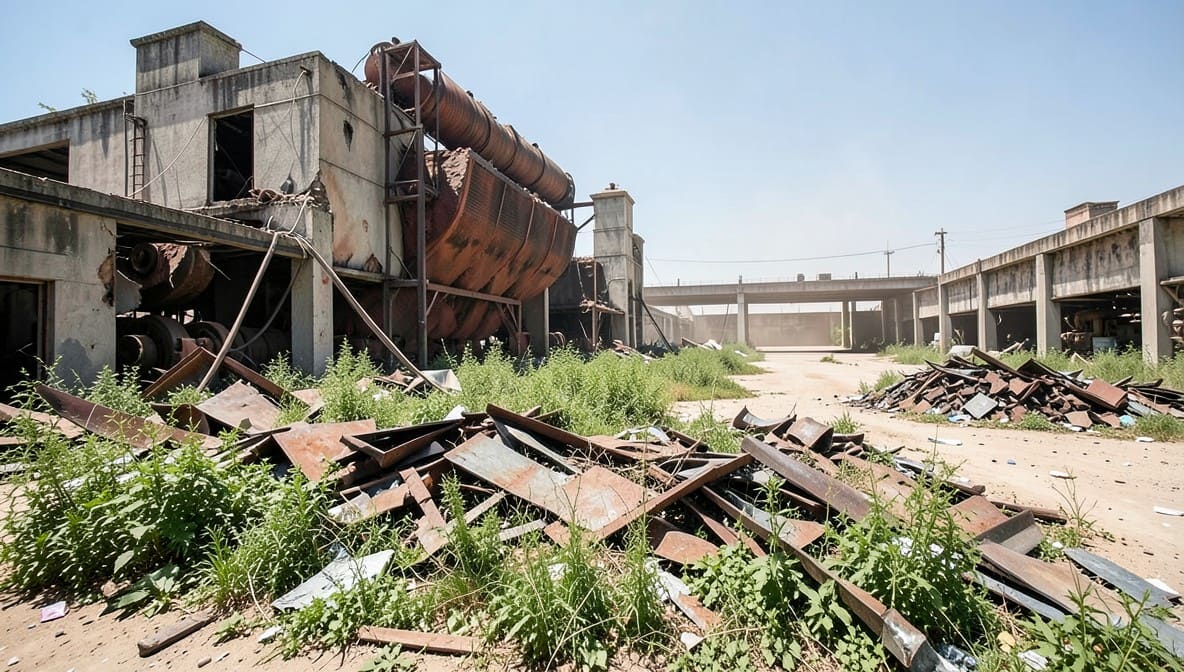
- The furnace was subsequently demolished on 12.02.2025
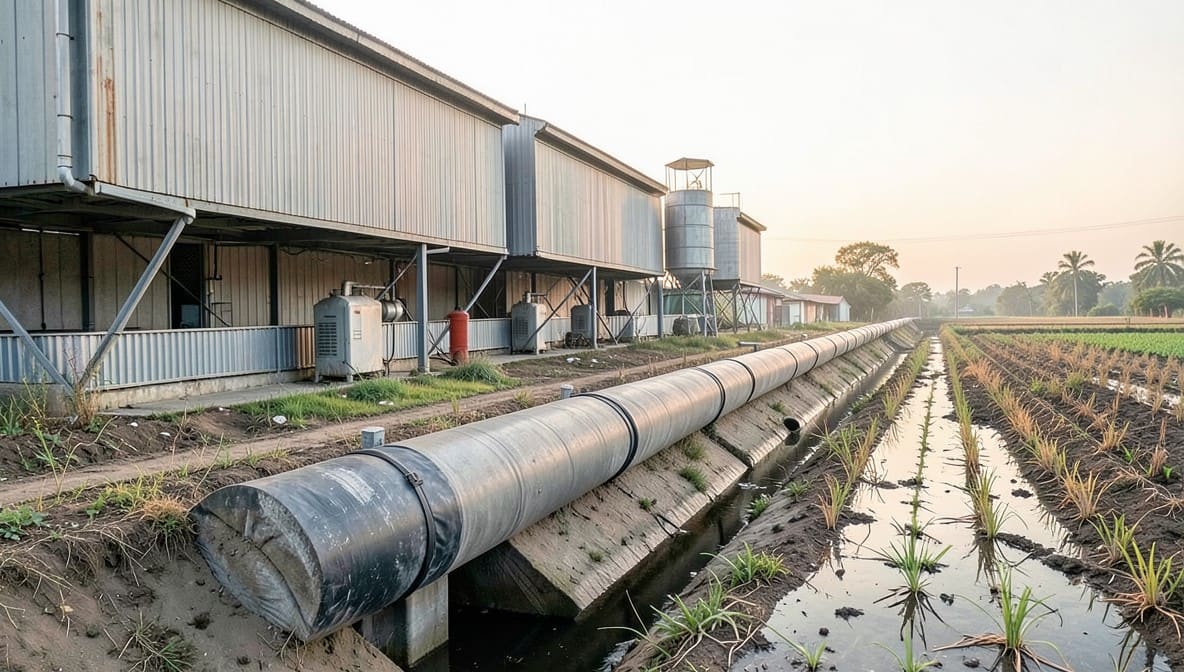
- Photographs appended to the appeal paper-book visually corroborate the demolition and non-operational status of the premises
- The RSPCB did not submit any rebuttal evidence before the Single Judge or the Division Bench
- The environmental compensation was calculated on a daily basis for 97 days, without accounting for the cessation of operations
Procedural History
- 16.12.2024: Alleged period of pollution commencement
- 24.03.2025: Appellant submits sworn affidavit to RSPCB declaring shutdown and demolition
- 02.02.2026: RSPCB passes impugned order imposing environmental compensation for 97 days
- 08.03.2026: Writ petition filed before the Single Judge of the High Court challenging the order
- 08.05.2026: Special Appeal Writ No. 564/2026 heard by Division Bench
Relief Sought
The appellant sought quashing of the RSPCB’s order dated 02.02.2026, and in the alternative, a recalculation of environmental compensation to reflect the actual period of operation, with due consideration to the shutdown on 12.01.2025 and demolition on 12.02.2025.
The Legal Issue
The central question was whether an environmental compensation order based on a period of alleged pollution can remain valid when the appellant has demonstrated, through credible evidence, that the source of pollution ceased to exist before the end of the period for which compensation was imposed.
Arguments Presented
For the Appellant
Learned counsel for the appellant submitted that the environmental compensation was calculated on a mechanical basis without considering the cessation of operations. The sworn affidavit dated 24.03.2025, supported by photographic evidence, conclusively established that the furnace was no longer operational from 12.01.2025. The RSPCB had failed to rebut this evidence despite having the opportunity to do so. The appellant argued that imposing liability for a period after cessation of activity violates the principle of proportionality and natural justice.
For the Respondent
The Additional Advocate General for the RSPCB did not contest the factual assertions made by the appellant. No counter-affidavit or documentary evidence was filed to challenge the shutdown or demolition dates. The respondents relied solely on the original order and did not present any new material to substantiate continued pollution beyond 12.01.2025.
The Court's Analysis
The Division Bench observed that while the RSPCB has the authority to impose environmental compensation under the Environment (Protection) Act, 1986, such imposition must be grounded in factual accuracy. The court noted that the appellant had not merely made a bare assertion but had submitted a sworn affidavit corroborated by visual evidence. The Board, despite being represented by counsel, chose not to challenge the veracity of these submissions.
"The Board has placed nothing on record either before the writ court or before us to rebut the appellant's deposition though the Board is represented in the instant appeal by learned counsel on advance service."
The Court emphasized that administrative orders must evolve with changing circumstances. To impose liability for a full 97-day period when the source of pollution ceased after 27 days would be arbitrary and disproportionate. The court further noted that the writ petition challenging the order was still pending before the Single Judge, and therefore, the final determination remained subject to that adjudication.
The Bench held that while the appellant’s evidence warranted a reassessment of the compensation, it could not unilaterally set aside the order without prejudice to the pending writ petition. Hence, an interim recalibration was deemed appropriate.
The Verdict
The appeal was disposed of with the direction that the environmental compensation imposed by the RSPCB be recalculated to reflect only the period from 16.12.2024 to 12.01.2025 (27 days), subject to the final outcome of the writ petition pending before the Single Judge. The appellant shall pay the recalculated amount within four weeks. The balance of the compensation shall remain sub judice. The Court further clarified that if the appellant’s affidavit is found to be false, the respondents may file an appropriate application before the Single Judge for appropriate consequences.
What This Means For Similar Cases
Environmental Liability Must Reflect Actual Operational Period
- Practitioners must now insist that regulatory bodies recalculate penalties when clients demonstrate cessation of polluting activity
- Sworn affidavits supported by photographs, invoices for demolition, or third-party verification can serve as credible rebuttals to blanket penalty orders
- Regulatory agencies bear the burden of disproving claims of cessation if they wish to maintain original penalty amounts
Procedural Fairness Requires Reconsideration Upon New Evidence
- Administrative orders are not static; they must be revisited when material facts change post-order
- Failure to rebut credible evidence submitted by the affected party may result in interim relief being granted by courts
- Courts will not uphold penalties based on outdated or disproven factual premises, even if the original order was procedurally valid
Interim Relief Is Available Pending Final Adjudication
- Courts are willing to grant interim recalibration of penalties where factual changes are substantiated
- This does not amount to final adjudication but ensures proportionality while the main petition is pending
- Practitioners should consider filing applications for interim relief in pending writs where facts have materially changed since the impugned order