The National Green Tribunal’s judgment in a consolidated batch of 342 appeals from ceramic manufacturers in Morbi, Gujarat, establishes a critical precedent on the limits of collective environmental liability under the polluter pays principle. While affirming the need for substantial compensation for decades of industrial pollution, the Tribunal rejected the notion that mere possession of a coal gasifier - without proof of individual violation - can justify financial penalties. The ruling underscores that environmental accountability must be tied to demonstrable harm and procedural fairness, not administrative convenience.
Background & Facts
The Dispute
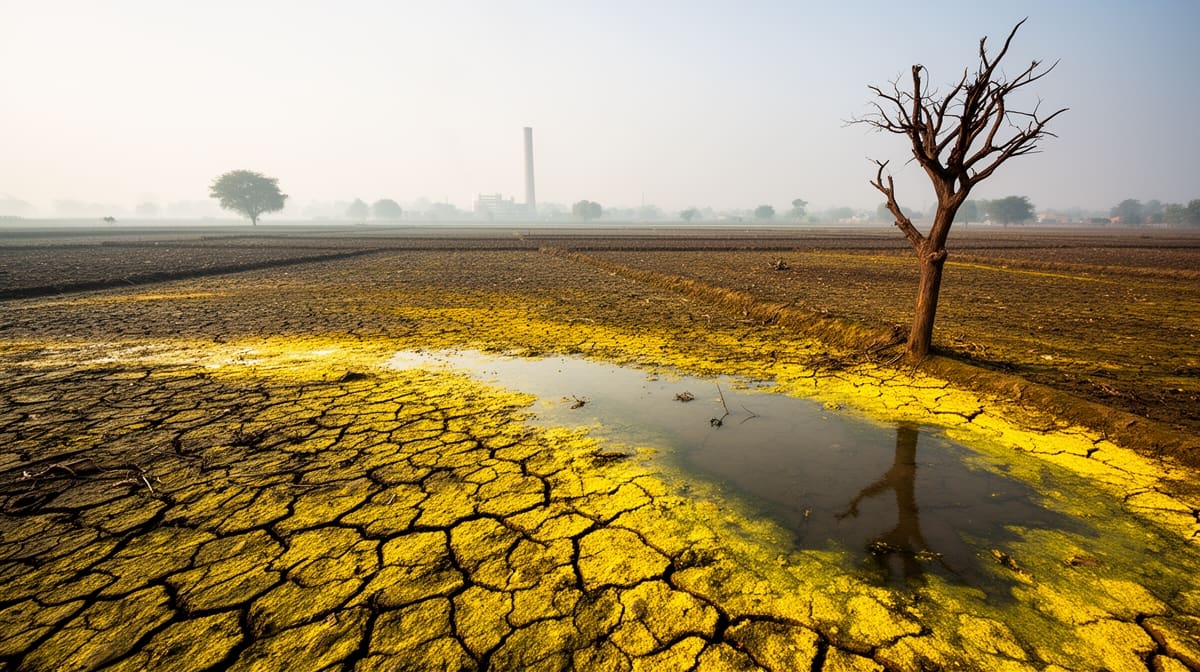
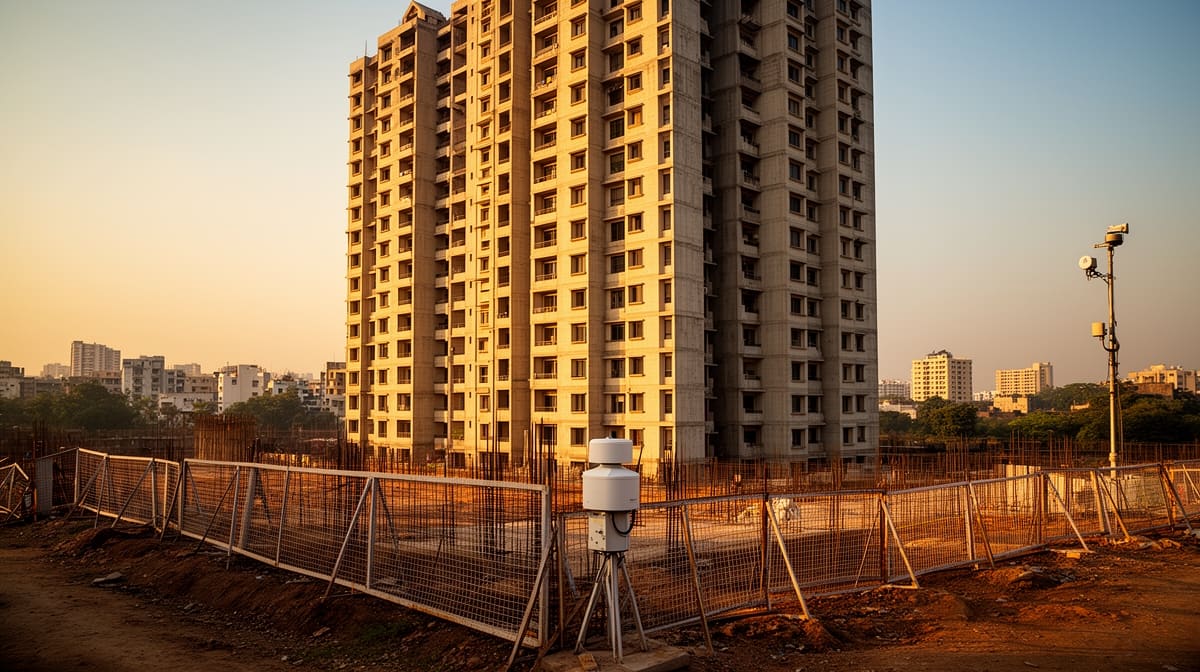
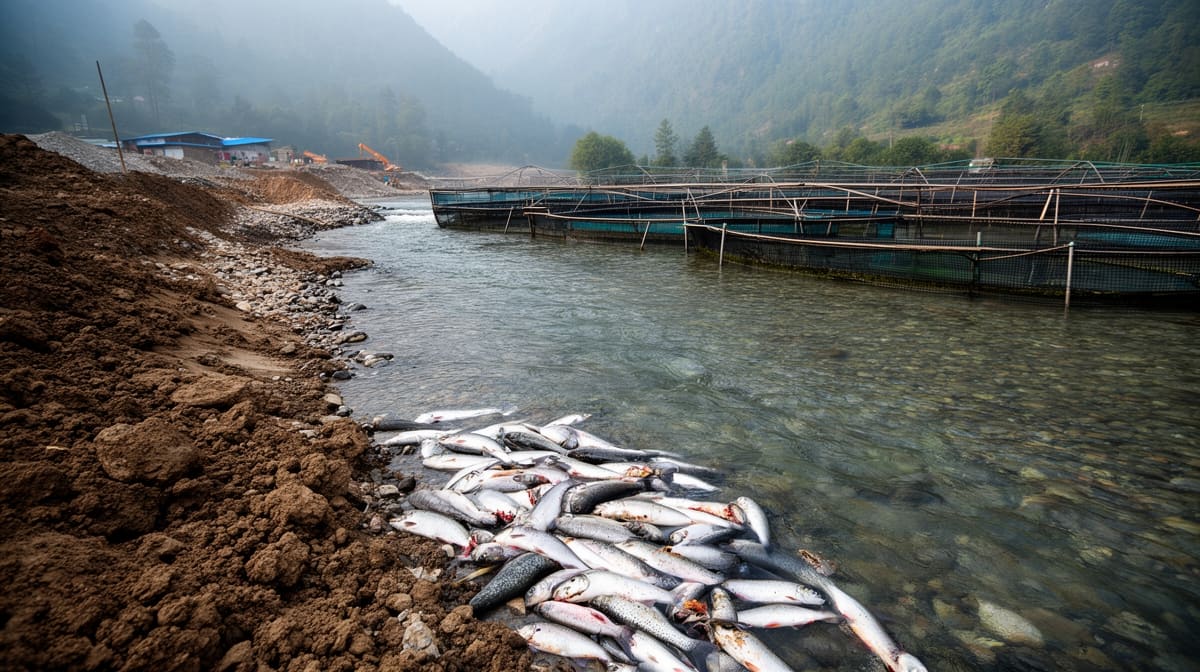
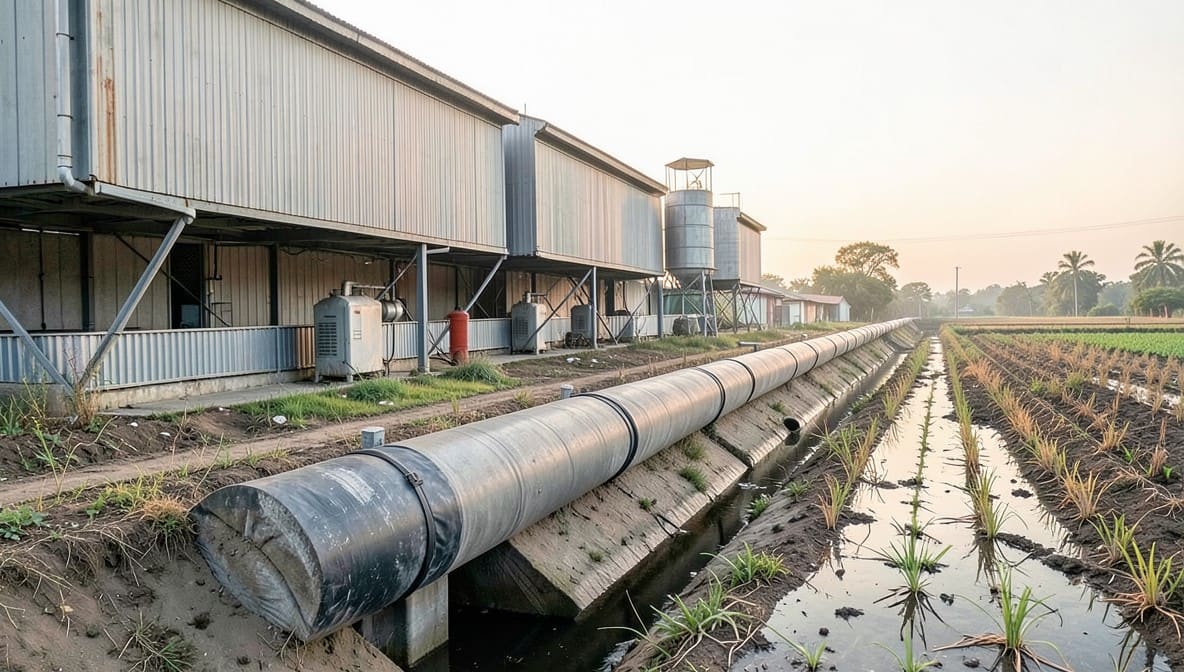
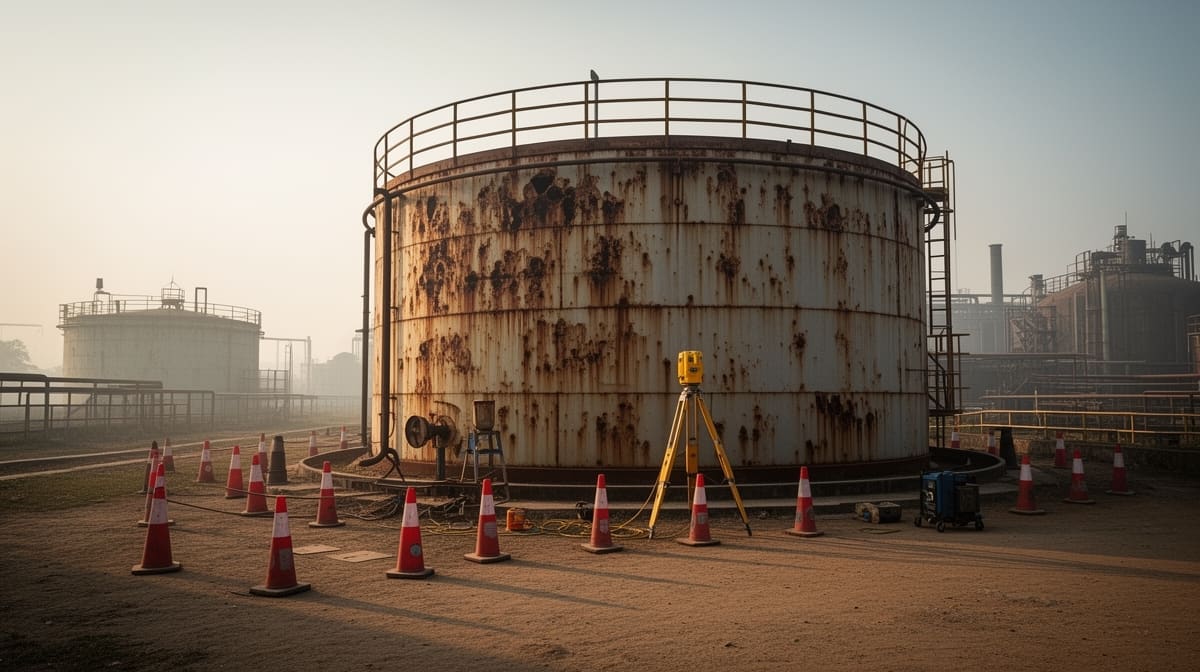
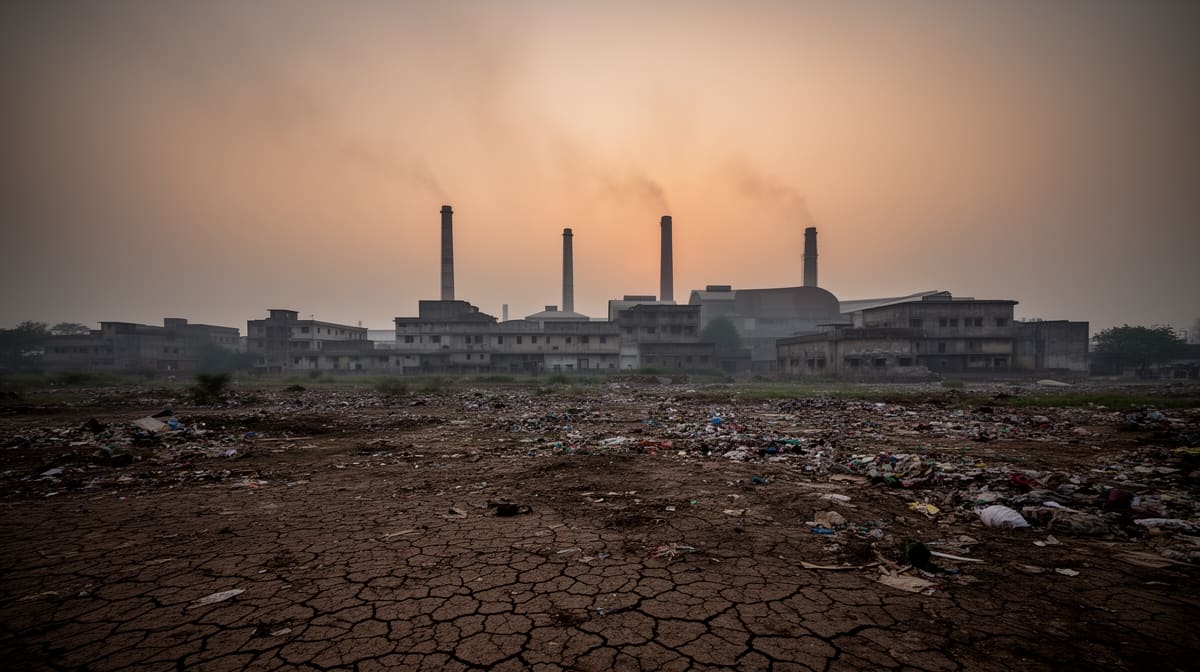
The dispute arose from the operation of over 600 ceramic, vitrified, and tile manufacturing units in the Morbi-Wankaner industrial belt, which relied on coal-based gasifiers to generate synthetic gas for kilns. These gasifiers emitted toxic pollutants including coal tar, particulate matter (PM2.5/PM10), and heavy metals into air, soil, and groundwater. The Gujarat Pollution Control Board (GPCB), acting on directives from the National Green Tribunal (NGT), sought to recover environmental damage compensation from all units possessing coal gasifiers, regardless of whether they operated in compliance with their Consent to Operate (CTO).
Procedural History
The case evolved through multiple stages:
- 2015 - 2017: Original Applications filed before NGT led to a 2019 order directing closure of all coal gasifiers and constituting a three-member committee (CPCB, GPCB, NEERI) to assess environmental damage.
- April 2019: The committee recommended interim compensation of ₹5,000 per day per gasifier from the date of installation, based on a prior order concerning STP/ETP violations.
- September 2019: GPCB issued legal notices under Section 33A of the Water Act and Section 31A of the Air Act demanding interim compensation from 606 units.
- 2020 - 2021: Affected units challenged the notices in the Gujarat High Court, which upheld the principle of collective liability but directed deposit of only 25% of the amount pending final assessment.
- October 2021: The Supreme Court dismissed SLPs, declining to interfere with the High Court’s interim order.
- December 2024: An Oversight Committee, chaired by former Chief Justice B.C. Patel, finalized a compensation of ₹122.05 crores, distributed via a scaling formula based on industry size and gasifier capacity.
- May 2025: GPCB issued final orders directing payment of the full compensation, deducting interim deposits.
Relief Sought
The appellants sought quashing of the final compensation orders, arguing that:
- No individualized assessment of pollution caused by each unit was conducted;
- The formula for equitable distribution was arbitrary and lacked statutory basis;
- Natural justice was violated due to absence of show-cause notices and opportunity of hearing;
- Units that had shut down gasifiers before the 2019 NGT order or operated on PNG were wrongly included.
The Legal Issue
The central question was whether the polluter pays principle permits imposition of environmental compensation based on collective liability and a formulaic distribution, when individual operational data, pollution contribution, and violation history are not established for each unit.
Arguments Presented
For the Appellant
The appellants relied on Kantha Vibhag Yuva Koli Samaj Parivartan Trust v. State of Gujarat (2022) 13 SCC 401, arguing that adjudicatory functions under Section 15 of the NGT Act cannot be delegated to administrative committees. They contended that:
- Mere possession of a gasifier does not equate to violation; units with valid CTE/CTO operated legally until the 2019 order.
- The Oversight Committee’s scaling formula - based on investment and gasifier capacity - was arbitrary and not scientifically validated.
- The GPCB failed to serve show-cause notices for the final compensation, violating principles of natural justice.
- 77 units were closed or operated on PNG, yet were still targeted.
For the Respondent
The GPCB argued that:
- The NGT’s 2019 order explicitly authorized the three-member committee and Oversight Committee to assess damage and recommend distribution.
- The scale of pollution (122.05 crores) and number of units (606) made individualized assessment impractical.
- The formula was developed by expert institutes (NEERI, IIPH, AMPRI) and endorsed by a judicially chaired Oversight Committee.
- Appellants had multiple opportunities to be heard through High Court proceedings and legal notices.
- The compensation was not punitive but restorative, aimed at cleaning up a critically polluted industrial cluster.
The Court's Analysis
The Tribunal acknowledged the severity of pollution in Morbi, citing NEERI’s findings of elevated PM2.5, phenols, PAHs, and heavy metals in soil and groundwater, alongside IIPH’s estimate of 15.45% respiratory distress among residents. It accepted that the cumulative impact of 606 units rendered individual attribution technically unfeasible.
"The enormity of the pollution which was found to have been caused by a large number of industries, that could not have otherwise been remedied but for this method, which has been evolved by the expert body/Committee, with which we are totally in agreement."
However, the Tribunal’s reasoning diverged sharply from the GPCB’s position on procedural fairness. While it upheld the compensation amount, it implicitly validated the appellants’ core contention: that the formula must be grounded in individualized data. The Court noted that the Oversight Committee’s scaling factors - based on investment and gasifier capacity - were applied uniformly across units, even those that had shut down operations before 2019 or used PNG. The Tribunal did not reject the formula outright but accepted it as a pragmatic compromise, stating:
"We are not impressed by the argument made by the Learned Counsel in this regard and find that this formula does not suffer from any infirmity and having been devised by an expert body, we agree with this formula..."
This acceptance, however, was conditional on the procedural history. The Court found that the appellants had been served multiple legal notices - dated September 2019, December 2019, April 2022, and August 2024 - each detailing the basis of liability, the litigation history, and the quantum of compensation. The High Court had also heard arguments on the fairness of the formula. Thus, the Tribunal concluded that the principle of natural justice had been satisfied through cumulative procedural engagement, even if not in a single formal hearing.
Crucially, the Court did not endorse the delegation of adjudicatory power under Section 15 of the NGT Act to the Oversight Committee. Instead, it treated the Committee’s role as advisory, with the final order issued by GPCB under statutory powers (Sections 31A and 33A) as the operative instrument. This distinction allowed the Tribunal to uphold the outcome without violating the Supreme Court’s holding in Kantha Vibhag.
The Verdict
The appellants lost. The National Green Tribunal dismissed all 342 appeals, upholding the final compensation order of ₹122.05 crores distributed across 606 units. The core legal holding was that collective environmental liability may be imposed through a scientifically grounded, expert-derived formula when individual assessment is impracticable, provided affected parties have been afforded multiple opportunities to be heard through prior judicial and administrative proceedings.
What This Means For Similar Cases
Collective Liability Requires Procedural Safeguards
- Practitioners must now argue that collective liability schemes must be preceded by documented, multi-stage notice and hearing processes.
- A single notice is insufficient; the cumulative history of litigation, High Court hearings, and repeated GPCB notices can satisfy natural justice.
- Units that ceased operations before the triggering order must be excluded unless evidence shows ongoing harm.
Expert Formulas Are Admissible But Not Unchallengeable
- Formulae based on capacity, investment, or production volume are permissible if developed by recognized scientific institutes.
- However, such formulas must be transparent, documented, and subject to challenge on grounds of arbitrariness or lack of correlation with actual pollution.
- Merely citing "expert opinion" is not enough; the methodology must be disclosed and open to scrutiny.
Statutory Powers Cannot Substitute Adjudication
-
GPCB’s use of Section 31A (Air Act) and Section 33A (Water Act) to enforce compensation is valid only if the underlying assessment is not an adjudicatory function.
-
Where compensation is based on quantified environmental damage (as here), the NGT retains the exclusive authority under Section 15 to determine liability.
-
Future GPCB orders must clearly distinguish between enforcement of NGT directives and independent adjudication.
-
Units that operated under valid CTE/CTO before a regulatory order must be presumed lawful unless proven otherwise.
-
Evidence of shutdown, dismantling, or switch to PNG must be accepted as rebuttal to liability.
-
GPCB must maintain and produce operational records (fuel logs, production data) to substantiate claims of violation.
-
Legal notices must explicitly state the basis for quantum calculation and reference the expert reports.
-
Appeals against such orders must be filed within 30 days of the final notice, as further opportunities will not be granted.