The Karnataka High Court has established a critical principle in environmental enforcement: closure orders cannot be mechanically applied without accounting for extraordinary circumstances or the petitioner’s demonstrated willingness to comply. This judgment reinforces that regulatory action must be proportionate, especially when economic livelihoods and public employment are at stake.
Background & Facts
The Dispute
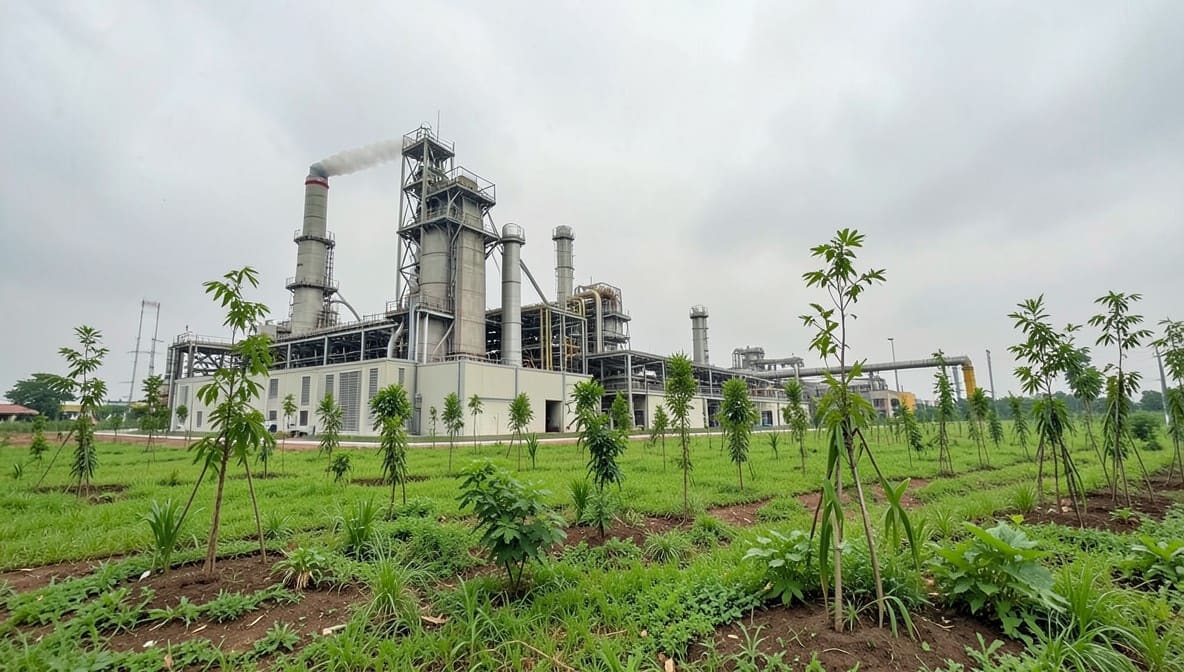
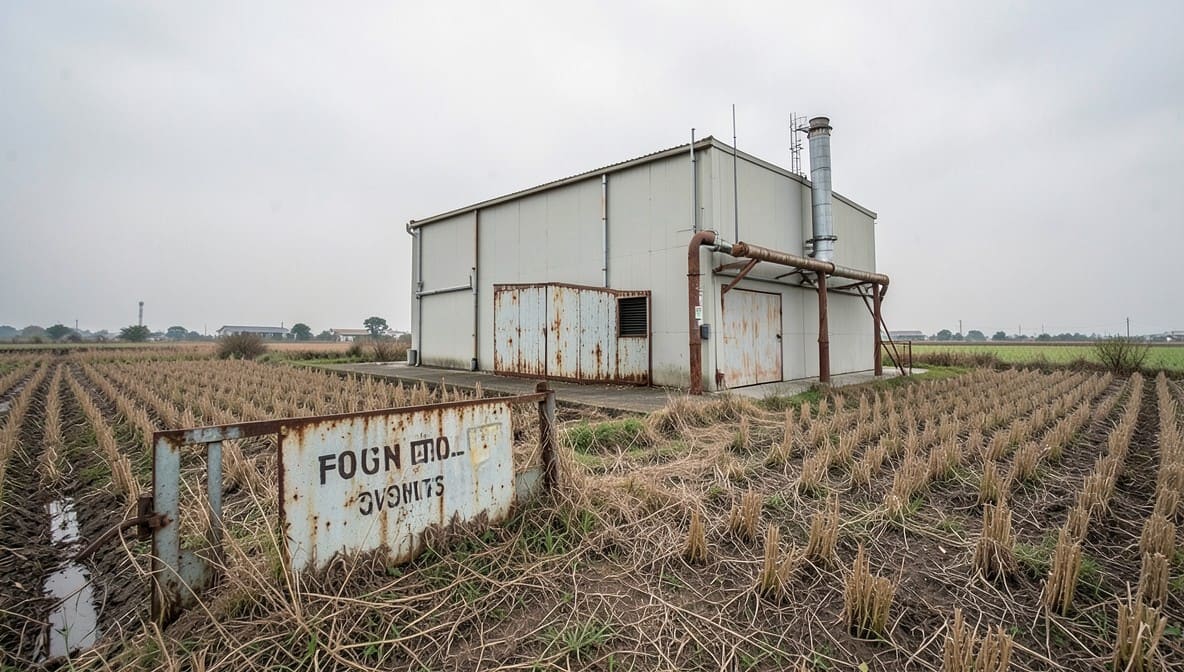
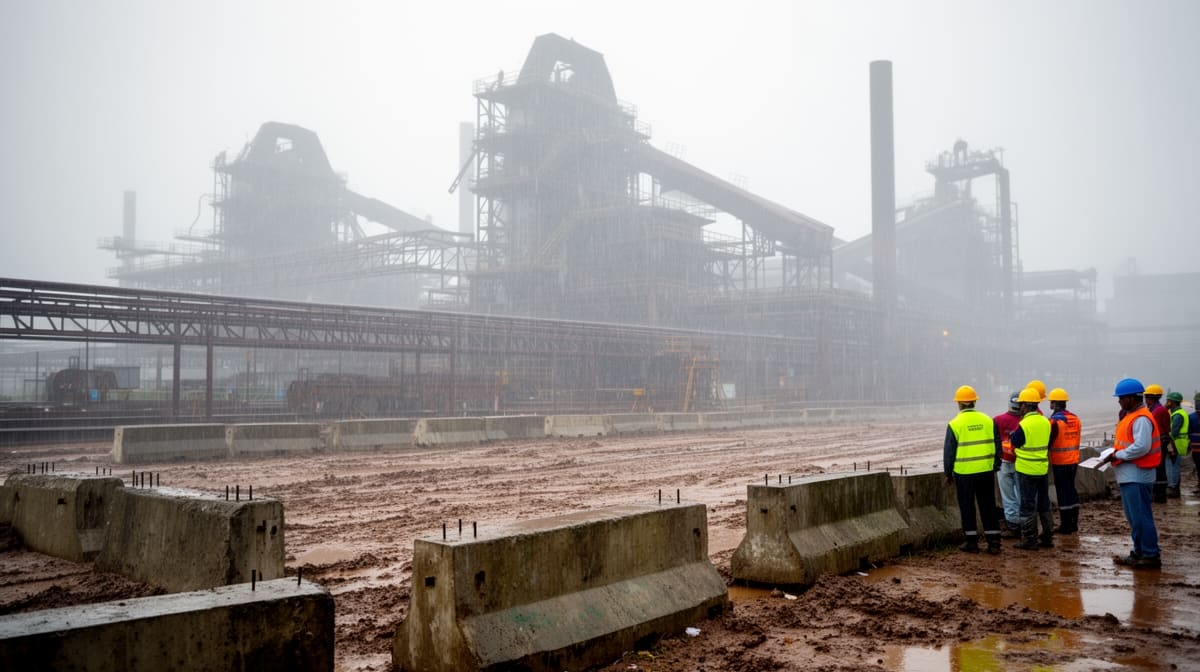
The petitioner, M/s Lakshmipriya Steels Pvt. Ltd., operates a steel manufacturing unit in Vijayanagara District, Karnataka. The Karnataka State Pollution Control Board (KSPCB) issued a closure order on 23 October 2025, citing four non-compliances: failure to install belt curtains, un-concreted approach road, absence of wind-breaking barriers, and inadequate green belt. The petitioner admitted partial non-compliance but attributed the failure to construct the wind-breaking wall to unprecedented monsoon flooding that submerged the designated area.
Procedural History
- 23 October 2025: KSPCB issued closure order under the Water (Prevention and Control of Pollution) Act, 1974, and Environment (Protection) Act, 1986.
- December 2025: Writ petition filed under Articles 226 and 227 of the Constitution challenging the closure order.
- 18 February 2026: KSPCB submitted that a fresh inspection would be conducted to verify compliance claims.
- 25 February 2026: Inspection report confirmed all four non-compliances; petitioner filed an affidavit undertaking remediation.
Relief Sought
The petitioner sought quashing of the closure order and restoration of electricity supply, arguing that the unit supports over 100 employees and that non-compliance was due to force majeure, not negligence.
The Legal Issue
The central question was whether a closure order under environmental statutes can be sustained when the non-compliance arises from extraordinary natural conditions, and whether the regulator must afford a reasonable opportunity for remediation before imposing coercive measures.
Arguments Presented
For the Petitioner
The petitioner relied on the doctrine of proportionality and the principle of natural justice, arguing that the closure was disproportionate given the force majeure condition. It cited M.C. Mehta v. Union of India to emphasize that environmental enforcement must balance ecological goals with economic realities. The petitioner submitted that it had complied with all other directives and had taken concrete steps - such as laying the foundation for the wind-breaking wall - demonstrating good faith.
For the Respondent
The KSPCB contended that environmental compliance is non-negotiable and that failure to meet even one condition justifies closure under statutory mandates. It argued that the petitioner had been given prior notices and opportunities to comply, and that allowing exceptions would undermine regulatory authority. The Board maintained that the inspection report confirmed persistent violations, warranting enforcement.
The Court's Analysis
The Court rejected a rigid, mechanical application of environmental norms. It emphasized that regulatory action must be tempered by reasonableness and context, particularly when compliance is hindered by natural calamities beyond the petitioner’s control. The Court noted that the petitioner had not ignored directives but had acted in good faith, and that the only outstanding issue - the wind-breaking wall - was physically impossible to complete due to flooding.
"The law does not demand the impossible. Where a petitioner demonstrates commitment to compliance and the impediment is external and temporary, the regulator must permit a reasonable window for remediation."
The Court further held that closure is a drastic remedy and should be reserved for persistent, willful, or repeated violations. The petitioner’s affidavit, filed before the Court, constituted a binding undertaking to rectify all deficiencies within eight weeks. The Court found this sufficient to suspend coercive action without compromising environmental objectives.
The Court also clarified that the restoration of electricity was not a concession but a necessary step to enable compliance, as the petitioner could not undertake construction work without power. The conditional nature of the relief - automatic re-disconnection upon non-compliance - ensured accountability.
The Verdict
The petitioner succeeded. The Court held that closure orders must be proportionate and context-sensitive, and that a binding undertaking to remedy deficiencies within a fixed timeframe suffices to suspend coercive action. The closure order was suspended for eight weeks, electricity was restored, and the KSPCB was directed to revoke the order upon full compliance.
What This Means For Similar Cases
Compliance Undertakings Can Suspend Enforcement
- Practitioners must now file binding affidavits with timelines when challenging closure orders, demonstrating concrete steps taken and a realistic plan for remediation.
- Courts will favor conditional suspension over immediate closure where non-compliance is not willful.
- Regulatory agencies must document and verify undertakings before proceeding with enforcement.
Force Majeure Is a Valid Defense in Environmental Cases
- Natural disasters such as floods, landslides, or extreme weather can constitute valid defenses to non-compliance, provided they are documented and reported promptly.
- Petitioners must submit photographic evidence, meteorological reports, or official disaster declarations to substantiate claims of force majeure.
- Regulators cannot ignore external factors when assessing culpability under environmental statutes.
Proportionality Is Now a Core Principle in Environmental Enforcement
- Courts will apply the triple test of legitimacy, necessity, and proportionality to closure orders, mirroring constitutional standards under Article 14.
- Regulatory agencies must record reasons for choosing closure over lesser measures like fines or warnings.
- This judgment sets a precedent for challenging blanket enforcement actions in pollution control cases across India.