Supreme Court of India judgments

498 Supreme Court of India judgments explained in plain English: what was decided, the law applied and why it matters. Page 11 of 21.

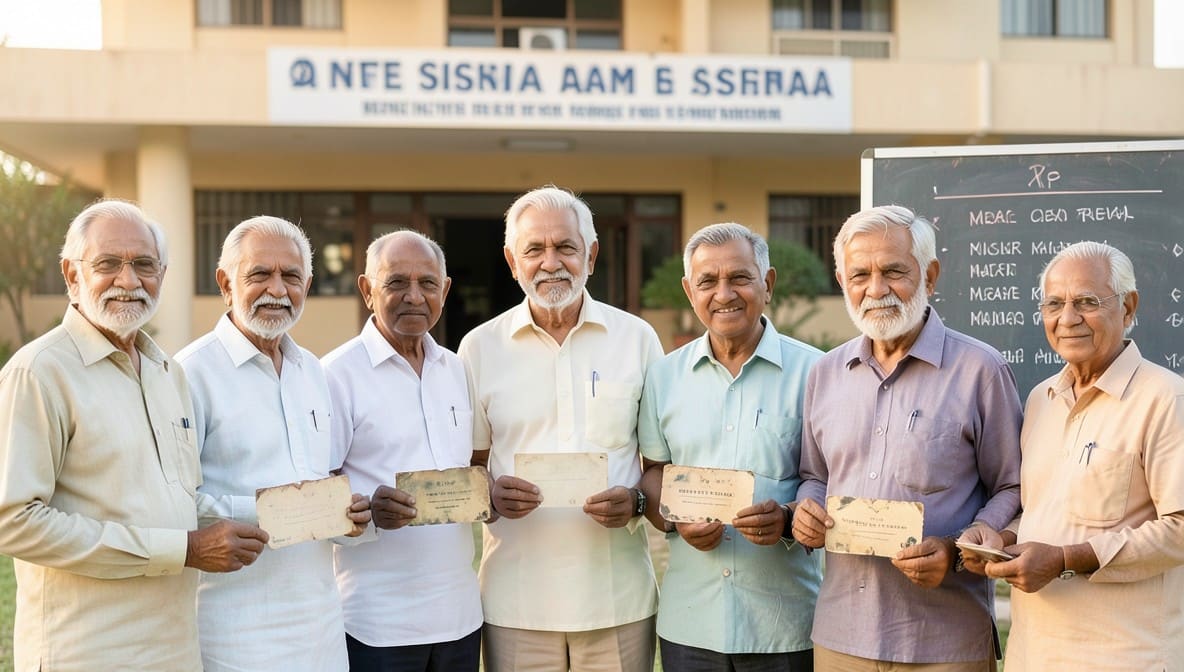
Section 68 Indian Evidence Act | Will Validated by One Attesting Witness Despite Delay and Exclusion of Heirs Absent Suspicious Circumstances : SC
Case Law Analysis
|Supreme Court of India

Section 68 Indian Evidence Act | Will Validated by One Attesting Witness Despite Delay and Exclusion of Heirs Absent Suspicious Circumstances : SC

The Supreme Court has held that a will is valid if proved by a single attesting witness, even if there is delay in producing the document or natural heirs are excluded - provided no suspicious circumstances surround its execution. This reinforces that procedural irregularities alone cannot invalidate a testamentary disposition, offering clarity to executors, beneficiaries, and probate courts navigating contested wills under the Indian Evidence Act.

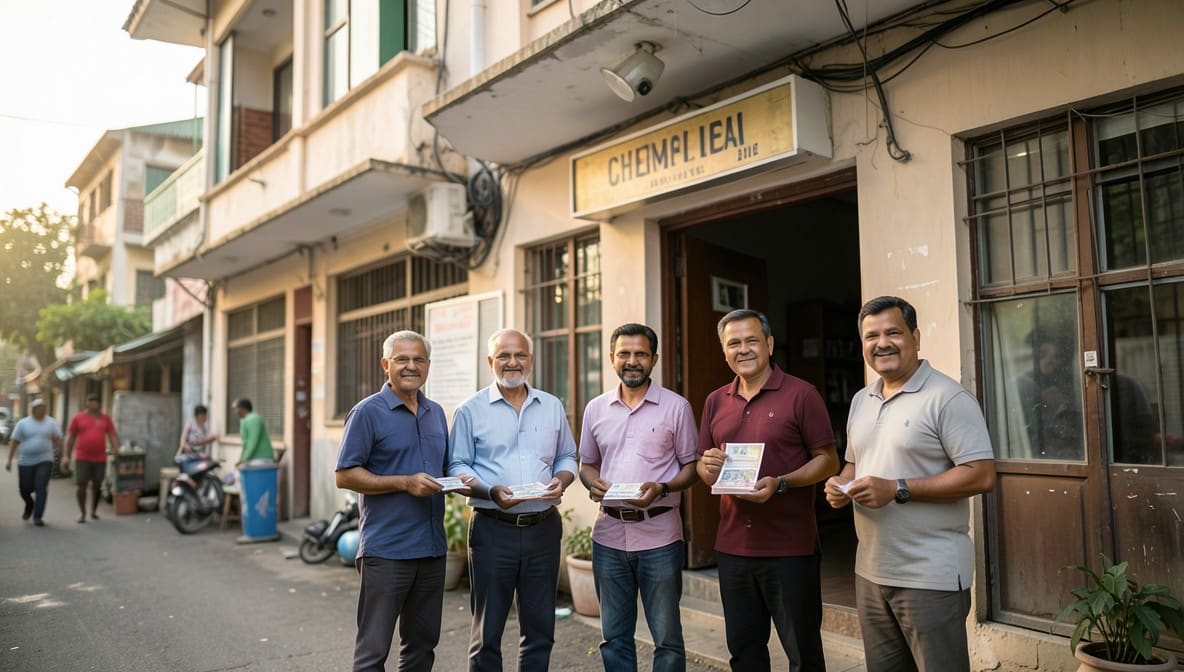
Bombay Rent Act Section 13(1)(g) | Co-Ownership via Share Certificates + Family Arrangement Establishes Landlord Status for Eviction : SC
|Supreme Court of India

Bombay Rent Act Section 13(1)(g) | Co-Ownership via Share Certificates + Family Arrangement Establishes Landlord Status for Eviction : SC

The Supreme Court has ruled that a plaintiff need not hold a registered title to claim eviction under the Bombay Rent Act - joint ownership through cooperative share certificates, coupled with a documented family arrangement, suffices to establish landlord status. This clarifies that equitable interests in property, recognized by family consensus, can trigger statutory eviction rights, impacting thousands of tenanted buildings in Mumbai and beyond.

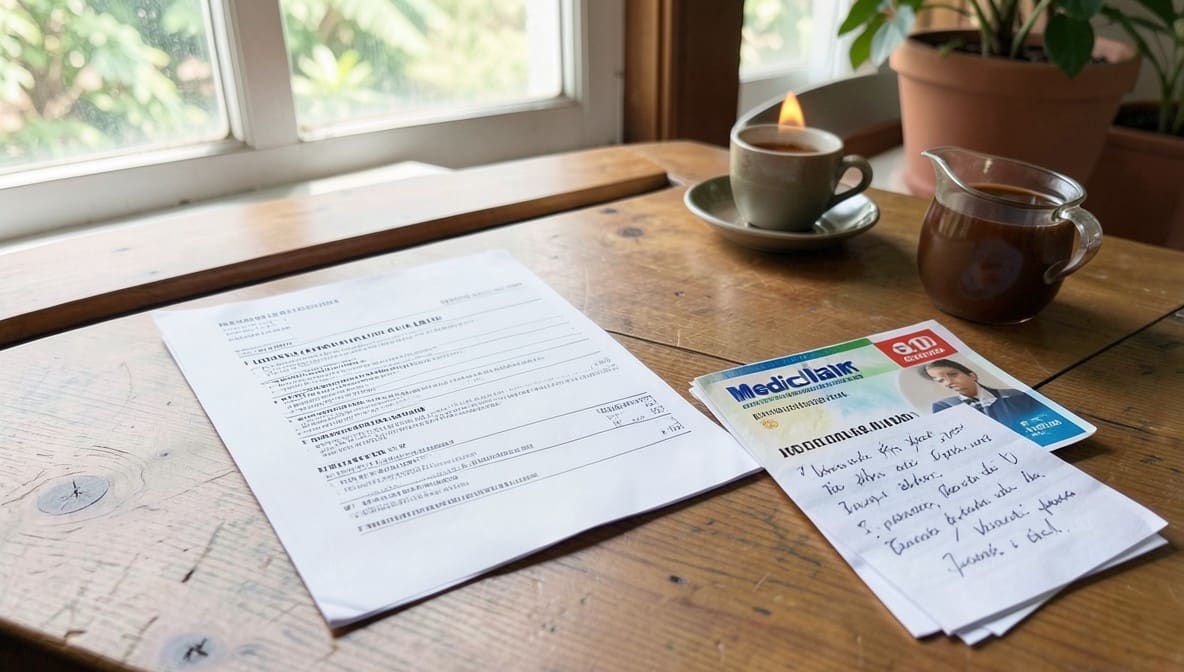
Mediclaim Reimbursements Not Deductible from MACT Awards | Statutory Compensation Independent of Contractual Insurance Benefits : SC
Case Law Analysis
|Supreme Court of India

Mediclaim Reimbursements Not Deductible from MACT Awards | Statutory Compensation Independent of Contractual Insurance Benefits : SC

The Supreme Court has ruled that amounts received under a Mediclaim policy are contractual benefits and cannot be offset against statutory compensation awarded by a Motor Accidents Claims Tribunal. This clarifies that double recovery principles do not apply, ensuring accident victims can retain both insurance payouts and tribunal-awarded damages without reduction.

Natural Justice in Remission | Gravity of Offence Insufficient Without Custodial Conduct Analysis: SC
Case Law Analysis
|Supreme Court of India

Natural Justice in Remission | Gravity of Offence Insufficient Without Custodial Conduct Analysis: SC

The Supreme Court has ruled that denying premature release to a life convict based solely on the gravity of the offence, without evaluating conduct in custody, violates the right to a reasoned decision under Article 21. This sets a binding precedent for all state parole and remission boards, requiring transparent, individualized assessments in every case involving life imprisonment.

Medical Student Relocation Costs | Defaulting College Liable for Transferee Institution Fees Under Judicial Intervention : SC
Case Law Analysis
|Supreme Court of India

Medical Student Relocation Costs | Defaulting College Liable for Transferee Institution Fees Under Judicial Intervention : SC

The Supreme Court has ruled that when regulatory failures force the relocation of MBBS students, the defaulting medical college must bear the financial burden of tuition paid to transferee institutions. This sets a critical precedent ensuring that educational continuity for students does not become a cost borne by innocent private colleges or the public system.

Section 7(5) Arbitration Act | Express Reference to Prior Agreement Incorporates Its Arbitration Clause: Supreme Court
Case Law Analysis
|Supreme Court of India

Section 7(5) Arbitration Act | Express Reference to Prior Agreement Incorporates Its Arbitration Clause: Supreme Court

The Supreme Court has ruled that when a subsequent contract explicitly states that all terms of a prior agreement form part of it, the arbitration clause in the earlier contract is validly incorporated - even without repeating its language. This clarifies the legal standard for incorporation by reference, empowering developers and parties in real estate and commercial contracts to enforce arbitration where clear contractual language exists.

Articles 14 & 16 | Contractual Appointment Against Regular Vacancy Violates Constitutional Equality : SC Mandates Regular Appointment
|Supreme Court of India

Articles 14 & 16 | Contractual Appointment Against Regular Vacancy Violates Constitutional Equality : SC Mandates Regular Appointment

Supreme Court rules that offering contractual appointments for regular vacancies without justified reasoning violates constitutional guarantees of equality and public employment. The appellant is entitled to regular appointment with seniority and benefits from the initial appointment date, reinforcing the principle of non-arbitrariness in public employment.

Specific Performance | Failure to Deposit Balance Consideration Within Decree Time Renders Decree Inexecutable: SC
|Supreme Court of India

Specific Performance | Failure to Deposit Balance Consideration Within Decree Time Renders Decree Inexecutable: SC

The Supreme Court has ruled that a decree for specific performance becomes inexecutable if the buyer fails to deposit the balance sale consideration within the court-mandated timeframe, even if the court later permits late payment. This clarifies that equitable relief is contingent on strict compliance with conditional timelines, affecting buyers and sellers in real estate disputes nationwide.

Deemed Membership Under Sections 397-398 | No Register Entry Bar to Oppression Remedy if Proprietary Interest Proven : SC
Case Law Analysis
|Supreme Court of India

Deemed Membership Under Sections 397-398 | No Register Entry Bar to Oppression Remedy if Proprietary Interest Proven : SC

The Supreme Court ruled that a person can qualify as a deemed member under Sections 397-398 of the Companies Act, 1956, even without formal registration, if their financial contribution and the company’s conduct demonstrate a proprietary interest. This expands access to equitable remedies for investors and stakeholders whose rights are ignored through technical non-registration.

G.O. (Ms.) No. 237’s 3:1 Promotion Quota Governs Seniority Post-Merger | SC Upholds T. Gnanavel’s Promotion Order : SC
|Supreme Court of India

G.O. (Ms.) No. 237’s 3:1 Promotion Quota Governs Seniority Post-Merger | SC Upholds T. Gnanavel’s Promotion Order : SC

The Supreme Court affirmed that post-merger seniority for promotions must strictly follow the 3:1 reservation ratio mandated by G.O. (Ms.) No. 237, rejecting belated challenges filed after retirement. This ruling binds all government departments undergoing restructuring, ensuring seniority rights are tied to statutory promotion quotas, not ad hoc discretion.

'May' in Disciplinary Regulations is Directory, Not Mandatory | SC Upholds Management Discretion in Canara Bank Case : SC
Case Law Analysis
|Supreme Court of India

'May' in Disciplinary Regulations is Directory, Not Mandatory | SC Upholds Management Discretion in Canara Bank Case : SC

The Supreme Court ruled that the term 'may' in Regulation 10 of Canara Bank's Disciplinary Regulations is directory, not mandatory, affirming the bank's discretion to conduct joint or independent disciplinary proceedings. This decision reinforces the principle that statutory language must be interpreted contextually, impacting disciplinary frameworks across banking and employment sectors.

Judicial Dictation Not Legally Binding Until Signed | Supreme Court Reinforces Finality of Authenticated Orders Only
Case Law Analysis
|Supreme Court of India

Judicial Dictation Not Legally Binding Until Signed | Supreme Court Reinforces Finality of Authenticated Orders Only

The Supreme Court ruled that an oral dictation in open court lacks legal force until formally signed and authenticated, setting aside a disputed order uploaded post-dictation. This decision underscores the procedural requirement for signed judgments to prevent ambiguity in judicial pronouncements, impacting litigants and lower courts interpreting interim rulings.

Article 350A & RTE Act | Mother Tongue as Medium of Instruction Mandatory: SC Directs Rajasthan to Formulate Rajasthani Language Policy
Case Law Analysis
|Supreme Court of India

Article 350A & RTE Act | Mother Tongue as Medium of Instruction Mandatory: SC Directs Rajasthan to Formulate Rajasthani Language Policy

Supreme Court affirms that education in a child's mother tongue is a constitutional right under Article 350A, RTE Act, and NEP 2020, directing Rajasthan to include Rajasthani in teacher recruitment exams and school curriculum. The ruling sets a precedent for linguistic rights in education, impacting state policies nationwide.

Section 420 IPC | Prompt Rectification of Billing Error Negates Criminal Cheating: SC Quashes Complaint Against Hospital
Case Law Analysis
|Supreme Court of India

Section 420 IPC | Prompt Rectification of Billing Error Negates Criminal Cheating: SC Quashes Complaint Against Hospital

The Supreme Court ruled that an inadvertent billing error, promptly corrected with refund, does not constitute criminal cheating under Section 420 IPC. The judgment clarifies that absent fraudulent intent or dishonest concealment, mere billing discrepancies-even in medical services-cannot sustain criminal proceedings, offering relief to healthcare providers facing similar complaints.

Section 61 IBC | Appeal Without Certified Copy of Impugned Order is Incompetent, Not Merely Defective: SC
Case Law Analysis
|Supreme Court of India

Section 61 IBC | Appeal Without Certified Copy of Impugned Order is Incompetent, Not Merely Defective: SC

The Supreme Court ruled that an appeal under Section 61 of the Insolvency and Bankruptcy Code (IBC) is rendered incompetent-not just defective-if filed without a certified copy of the impugned order. This precedent reinforces strict procedural compliance in IBC appeals, impacting insolvency practitioners and creditors challenging NCLT/NCLAT orders.

Section 147 IT Act | Reassessment Valid If Tangible Material Reveals Income Escapement, Even If Disclosed Earlier : SC Clarifies AOP Profit vs Revenue Distinction
Case Law Analysis
|Supreme Court of India

Section 147 IT Act | Reassessment Valid If Tangible Material Reveals Income Escapement, Even If Disclosed Earlier : SC Clarifies AOP Profit vs Revenue Distinction

Supreme Court rules that reassessment under Section 147 IT Act is justified if fresh tangible material exposes income escapement, regardless of prior disclosure. The judgment distinguishes between profit and revenue sharing in Association of Persons (AOP) agreements, impacting tax liability assessments for entities involved in such arrangements.

BNSS Section 193(3) | Charge-Sheet Mandatory Despite Civil Dispute Over Society Land Fraud: SC Overrules High Court Stay
Case Law Analysis
|Supreme Court of India

BNSS Section 193(3) | Charge-Sheet Mandatory Despite Civil Dispute Over Society Land Fraud: SC Overrules High Court Stay

The Supreme Court ruled that criminal investigations under BNSS Section 193(3) cannot be stayed even in cases involving overlapping civil disputes, such as fraudulent land sales by societies. The Court emphasized that the filing of a charge-sheet is mandatory to ensure criminal proceedings proceed without delay, overriding interim High Court orders seeking to halt investigations.