Madhya Pradesh High Court judgments

1273 Madhya Pradesh High Court judgments explained in plain English: what was decided, the law applied and why it matters. Page 4 of 54.

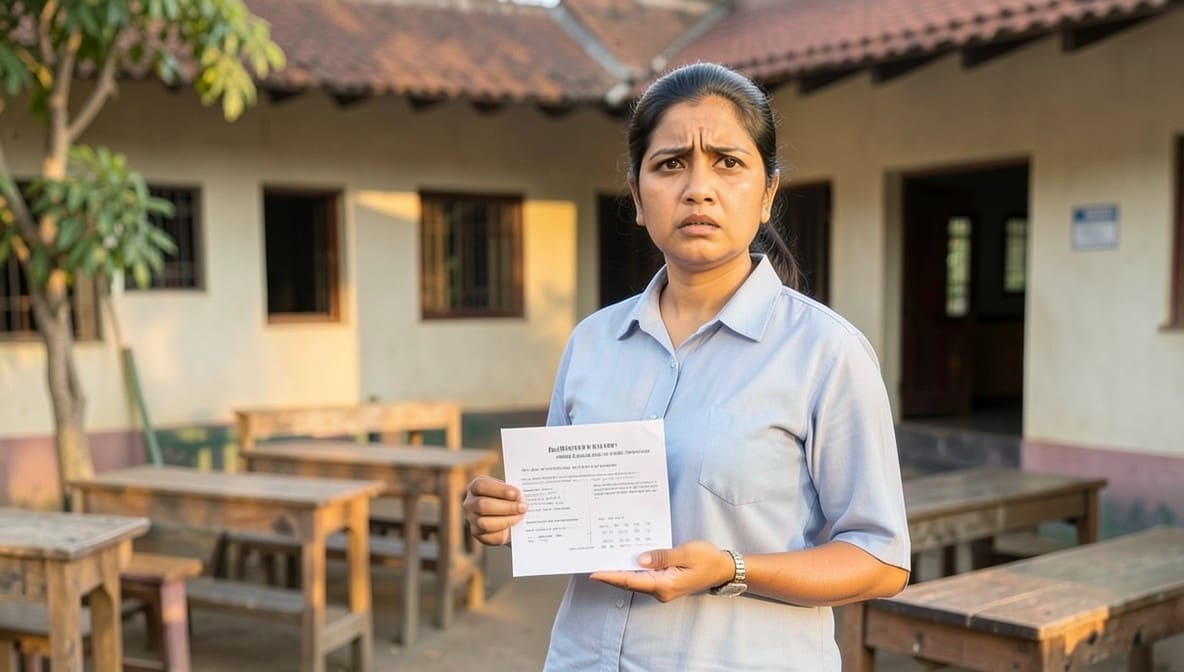
Section 483 BNSS | Omnibus Dowry Allegations Without Specific Evidence Insufficient to Deny Bail : MP HC
Case Law Analysis
|Madhya Pradesh High Court

Section 483 BNSS | Omnibus Dowry Allegations Without Specific Evidence Insufficient to Deny Bail : MP HC

Madhya Pradesh High Court rules that general dowry harassment allegations, without specific evidence linking the accused to the offense, cannot justify continued custody under Bharatiya Nagarik Suraksha Sanhita. The judgment underscores the need for individualized culpability in dowry-related bail applications, impacting bail jurisprudence under the new criminal procedure code.
Section 5 Limitation Act | 12-Day Delay in Quasi-Criminal Appeal Must Be Condoned on Merits: MP HC
Case Law Analysis
|Madhya Pradesh High Court

Section 5 Limitation Act | 12-Day Delay in Quasi-Criminal Appeal Must Be Condoned on Merits: MP HC

Madhya Pradesh High Court sets aside dismissal of a criminal appeal under Section 138 NI Act solely on a 12-day delay, emphasizing that quasi-criminal matters demand a liberal approach to condonation. The ruling mandates merits hearing where delay is minimal and attributable to rural ignorance or procedural lapses, reinforcing access to justice in statutory appeals.

RCI-Recognized Qualifications Prevail Over NCTE for Special Education Teachers Under Article 14 & 16 : MP HC
Case Law Analysis
|Madhya Pradesh High Court

RCI-Recognized Qualifications Prevail Over NCTE for Special Education Teachers Under Article 14 & 16 : MP HC

Madhya Pradesh High Court holds that Rehabilitation Council of India (RCI) qualifications supersede NCTE approval for Special Education Teachers, quashing arbitrary denial of appointment. The ruling reinforces constitutional safeguards under Articles 14 and 16, ensuring non-discriminatory employment practices for RCI-certified professionals.

Article 226 Writ | MP HC Mandates Disposal of Anganwadi Workers' Minimum Wages Representation Within 2 Months : MP HC
Case Law Analysis
|Madhya Pradesh High Court

Article 226 Writ | MP HC Mandates Disposal of Anganwadi Workers' Minimum Wages Representation Within 2 Months : MP HC

The Madhya Pradesh High Court directed the State to decide the pending representation of Anganwadi Workers Union for minimum wages within two months, emphasizing statutory duties and living wage requirements. The ruling reinforces the obligation of administrative authorities to dispose of representations in a time-bound manner, impacting thousands of Anganwadi workers across the state.

CM Rise School Scheme | Minimum Five-Year Posting Protection Bars Arbitrary Transfers Without Unavoidable Circumstances : MP HC
Case Law Analysis
|Madhya Pradesh High Court

CM Rise School Scheme | Minimum Five-Year Posting Protection Bars Arbitrary Transfers Without Unavoidable Circumstances : MP HC

The Madhya Pradesh High Court has ruled that teachers appointed under the CM Rise School Scheme cannot be transferred before completing their mandated five-year tenure unless unavoidable circumstances are clearly documented. This sets a binding precedent for administrative fairness in government education postings, protecting contractual teachers from capricious transfers and reinforcing contractual obligations of state schemes.

FSS Act Section 51 | Delay in Lab Report + 1.2% Deviation Nullifies Penalty: MP HC
Case Law Analysis
|Madhya Pradesh High Court

FSS Act Section 51 | Delay in Lab Report + 1.2% Deviation Nullifies Penalty: MP HC

The Madhya Pradesh High Court has ruled that an unexplained delay in the food analysis report, coupled with a marginal 1.2% deviation from standards, renders a penalty under Section 51 of the FSS Act unsustainable. This sets a critical precedent for food businesses: procedural lapses by authorities can override minor non-compliance, reinforcing due process over strict liability in food safety enforcement.

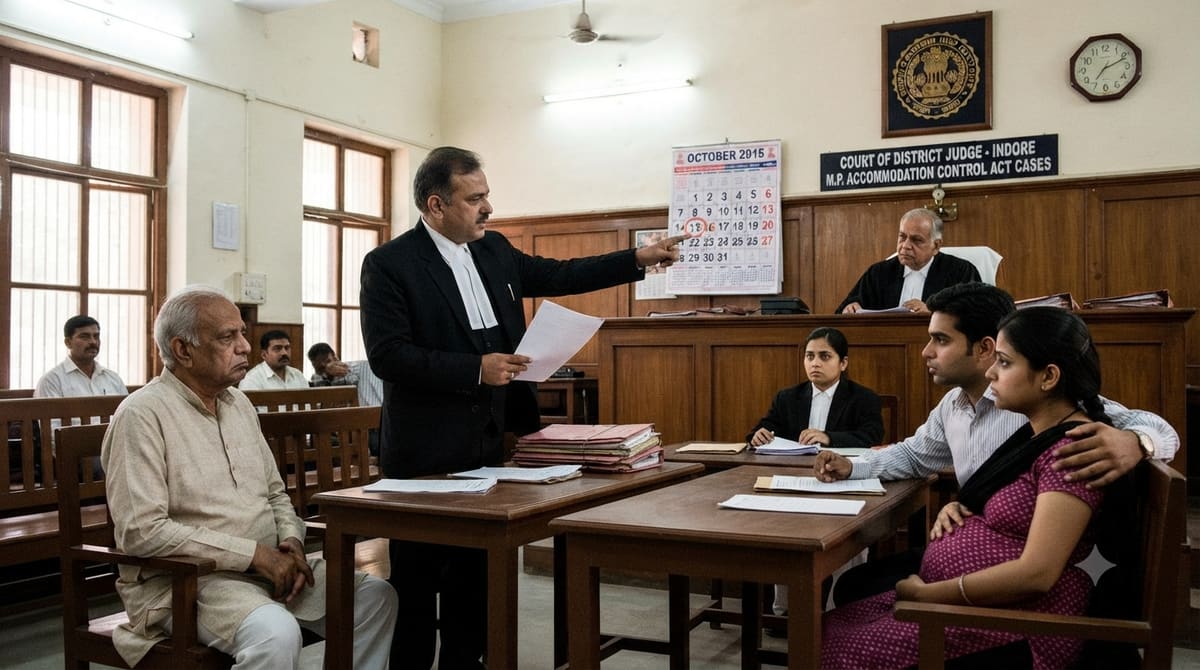
M.P. Accommodation Control Act Section 16(1)(g) | Bonafide Need for Eviction Must Be Assessed as of Suit Filing Date, Not Subsequent Marriage : MP HC
Case Law Analysis
|Madhya Pradesh High Court

M.P. Accommodation Control Act Section 16(1)(g) | Bonafide Need for Eviction Must Be Assessed as of Suit Filing Date, Not Subsequent Marriage : MP HC

The Madhya Pradesh High Court has ruled that a landlord's bonafide need to evict a tenant for personal use - such as starting a business for a daughter - must be evaluated solely as of the date the eviction suit was filed. This clarifies that post-filing events like marriage or changed family circumstances cannot be used to validate or invalidate the need, ensuring legal certainty for landlords and tenants alike.

Article 227 | Panchayat Settlement Insufficient to Deny Interim Maintenance Under Hindu Adoption and Maintenance Act : MP HC
Case Law Analysis
|Madhya Pradesh High Court

Article 227 | Panchayat Settlement Insufficient to Deny Interim Maintenance Under Hindu Adoption and Maintenance Act : MP HC

MP High Court upholds Rs. 2000/month interim maintenance for a daughter-in-law under the Hindu Adoption and Maintenance Act, ruling that a private Panchayat settlement-without court pleadings-cannot override statutory maintenance rights. The judgment reinforces that financial settlements outside judicial proceedings lack legal weight in maintenance disputes.

BNSS Section 430(1) | Bail Granted Under NDPS Act Despite Conviction Due to Weak Circumstantial Evidence Linking Accused to Contraband : MP HC
Case Law Analysis
|Madhya Pradesh High Court

BNSS Section 430(1) | Bail Granted Under NDPS Act Despite Conviction Due to Weak Circumstantial Evidence Linking Accused to Contraband : MP HC

MP High Court suspends a 10-year NDPS Act sentence, granting bail after 4+ years of custody, holding that mere vehicle ownership without direct contraband possession fails to establish guilt. The ruling underscores that circumstantial evidence must conclusively link the accused to the crime for prolonged detention under stringent narcotics laws.

Transfer Orders Not Interfered With for Policy Violations Alone | MP HC Reaffirms Administrative Discretion Under Article 226 : MP HC
Case Law Analysis
|Madhya Pradesh High Court

Transfer Orders Not Interfered With for Policy Violations Alone | MP HC Reaffirms Administrative Discretion Under Article 226 : MP HC

The Madhya Pradesh High Court has ruled that mere breach of internal transfer guidelines - even when causing personal hardship - does not justify judicial intervention in administrative postings. This clarifies that only malafide intent, arbitrariness, or statutory violation can override the state’s discretion in personnel transfers, reinforcing that no public servant has a legal right to a fixed posting. A critical precedent for government employees and administrative authorities navigating transfer disputes.

Income Tax Returns Admissible as Primary Evidence for Deceased's Income in Motor Accident Claims | MP HC
Case Law Analysis
|Madhya Pradesh High Court

Income Tax Returns Admissible as Primary Evidence for Deceased's Income in Motor Accident Claims | MP HC

The Madhya Pradesh High Court has ruled that Income Tax Returns filed by the deceased are reliable and sufficient evidence to determine income for compensation under the Motor Vehicles Act, 1988, overturning the Tribunal's reliance on speculative earnings. This sets a critical precedent for claimants across India, ensuring fairer compensation by recognizing formal tax filings over arbitrary income estimates.

MTP Act Section 3(2)(b) | Medical Board Mandatory for Termination Beyond 24 Weeks in Minor Rape Cases : MP HC
Case Law Analysis
|Madhya Pradesh High Court

MTP Act Section 3(2)(b) | Medical Board Mandatory for Termination Beyond 24 Weeks in Minor Rape Cases : MP HC

The Madhya Pradesh High Court has ruled that a Medical Board must be constituted immediately to evaluate the safety of terminating a pregnancy beyond 24 weeks in cases of minor rape survivors, affirming that the health and rights of the victim override procedural delays. This sets a critical precedent for expediting medical access in POCSO cases where gestational limits are exceeded, ensuring compliance with Supreme Court guidelines on reproductive autonomy and child welfare.

Administrative Instructions | Writ Relief Valid When Seniority-Based Appointment Violation Causes Adverse Civil Consequences : MP HC Jabalpur
Case Law Analysis
|Madhya Pradesh High Court

Administrative Instructions | Writ Relief Valid When Seniority-Based Appointment Violation Causes Adverse Civil Consequences : MP HC Jabalpur

The Madhya Pradesh High Court holds that while executive circulars alone don't create enforceable rights, violating a clear seniority-based appointment policy that forces a senior officer to serve under a junior constitutes an adverse civil consequence justifying judicial intervention. This ruling strengthens accountability in public service promotions and protects institutional hierarchy against arbitrary decisions.

Section 17(3)(b) Arms Act 1959 | Renewal Denial Invalid Without Public Safety Risk Assessment Despite Pending Criminal Case : MP HC
Case Law Analysis
|Madhya Pradesh High Court

Section 17(3)(b) Arms Act 1959 | Renewal Denial Invalid Without Public Safety Risk Assessment Despite Pending Criminal Case : MP HC

The Madhya Pradesh High Court has ruled that licensing authorities cannot reject arms license renewals solely because a criminal case is pending. A concrete evaluation of public safety risk under Section 17(3)(b) is mandatory - mere registration of an FIR, without evidence linking the firearm to the alleged offense, is insufficient. This protects lawful license holders from arbitrary administrative action and reinforces procedural fairness in firearm regulation.

Section 483 BNSS | Prolonged Pre-Trial Detention of 17 Months Justifies Bail in NDPS Case Despite Serious Offence : MP HC Gwalior
|Madhya Pradesh High Court

Section 483 BNSS | Prolonged Pre-Trial Detention of 17 Months Justifies Bail in NDPS Case Despite Serious Offence : MP HC Gwalior

The Madhya Pradesh High Court granted bail to an accused in an NDPS case after 17 months of pre-trial detention, holding that excessive delay in trial, combined with no flight risk and completed investigation, overrides the gravity of the offence. This reinforces Article 21’s speedy trial guarantee as a standalone ground for bail, even in non-bailable drug cases where charges remain unproven.