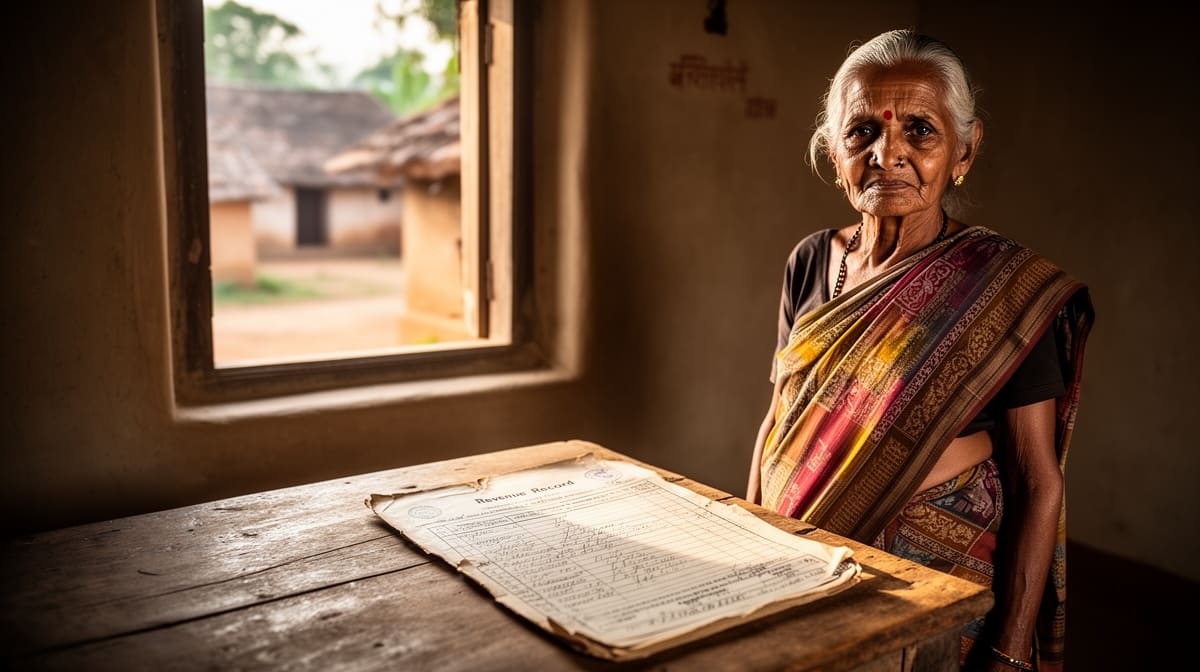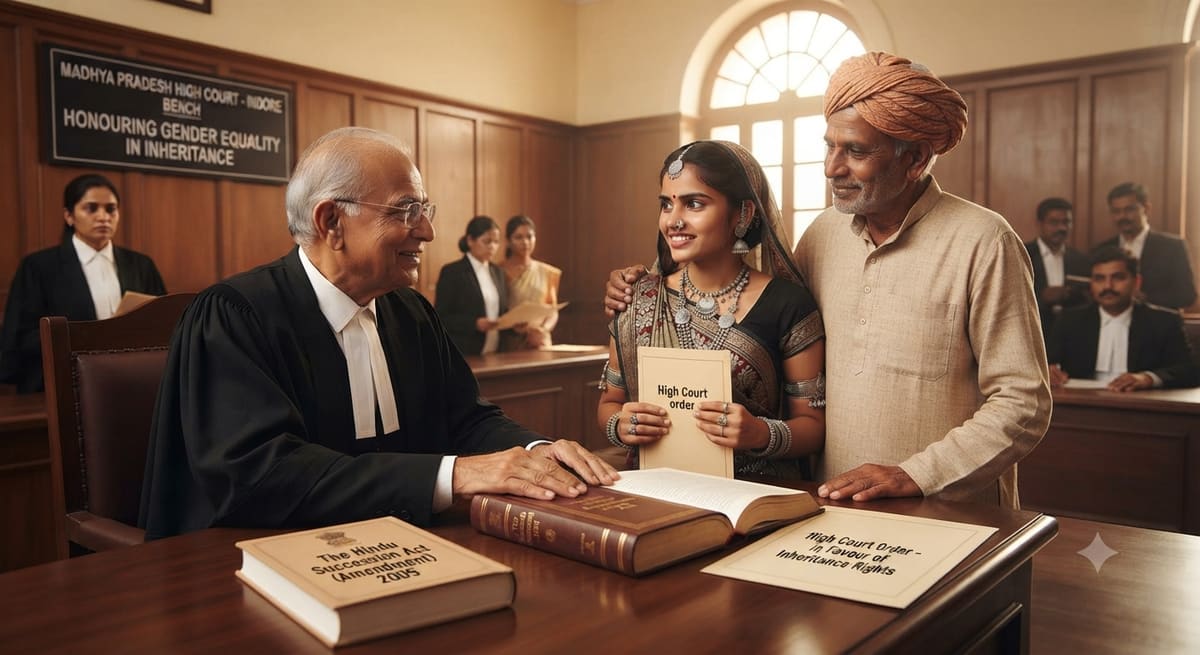
The Madhya Pradesh High Court recently dismissed a second appeal challenging concurrent findings of lower courts, reinforcing that the Pateliya community follows the Hindu Succession Act, 1956 rather than tribal customary rights excluding married daughters from ancestral property inheritance. The judgment underscores the necessity of proving distinct tribal customs and the evidentiary burden on plaintiffs claiming exceptions to statutory inheritance laws.
Background & Facts
The Dispute
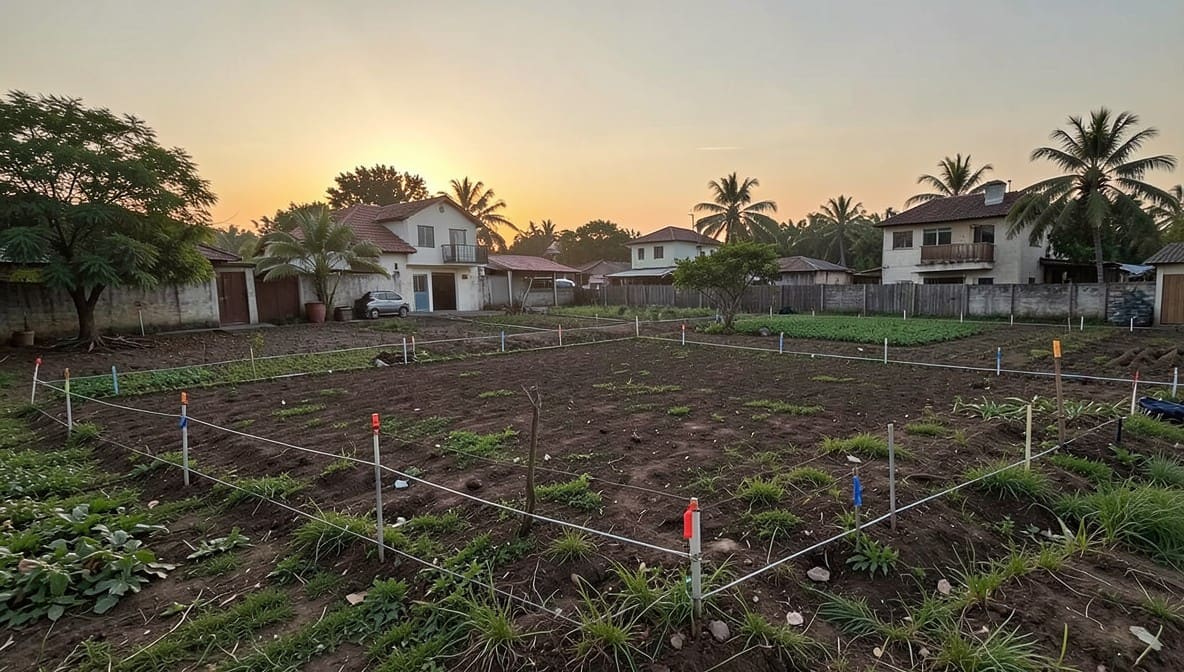
The appellant, Makna, filed a suit for declaration of title and permanent injunction concerning agricultural land measuring 1.9200 hectares (survey Nos. 12, 23, 32, 38, and 40) in village Gopalpura, Tehsil Meghnagar, District Jhabua. The dispute arose between Makna (plaintiff/appellant) and his aunt, Dhuli (defendant/respondent), over the inheritance of ancestral property following the death of their common ancestor, Puniya.
Key Facts
Ancestral Lineage: Puniya, the common ancestor, had four sons (late Sakra, Kasna, Khimla, and Heera) and three daughters (Dhuli, late Vasni, and late Ditli). Makna is the son of Heera, while Dhuli is his paternal aunt.
Death Timeline:
Puniya expired in 1979.
His sons expired between 1972 and 1990.
Heera (Makna’s father) expired in 2011.
Revenue Records: In 1982-83, the names of Puniya’s surviving heirs were recorded in the revenue records for agricultural land measuring 6.5 hectares (survey Nos. 29, 32, 35, 36).
Partition (1986-87): The ancestral property was partitioned, and shares of all family members, including daughters, were separately recorded. The suit property (1.9200 hectares) was recorded in the joint names of Makna and Dhuli.
Customary Rights Claim: Makna averred that the Patliya community, being a Scheduled Tribe, follows customary rights under which married daughters lose their inheritance rights upon marriage. He relied on a 1987 revenue order directing the removal of daughters’ names from mutation records, though Dhuli’s name was inadvertently retained.
Defendant’s Residence: Dhuli claimed she resided in Gopalpura even after marriage, with her husband acting as a Ghar Jamai (resident son-in-law). This was corroborated by job cards, ration cards, and election ID cards showing her address in Gopalpura.
Litigation Timeline:
18.12.2020: Naib Tehsildar, Meghnagar, ordered partition of the suit property.
29.06.2021: Collector, Jhabua, set aside the partition order.
21.03.2024: Trial Court (Regular Civil Suit No. 45-A/2021) dismissed Makna’s suit.
08.05.2025: First Appellate Court (Regular Civil Appeal No. 47/2024) upheld the trial court’s decree.
15.04.2026: Second Appeal (SA-1345-2025) filed before the High Court.
The Parties' Positions
For the Appellant (Makna)
Customary Rights: Argued that the Patliya community follows tribal customs excluding married daughters from ancestral property inheritance.
Revenue Records: Contended that Dhuli’s name was inadvertently retained in the revenue records despite the 1987 order directing its removal.
Pleadings Admission: Claimed that Dhuli’s written statement did not deny the existence of such customary rights, thereby treating it as an admitted fact.
Precedent Reliance: Cited Tiwaribai v. Sitabai (2010(3) MPLJ 688), where the Court upheld customary rights of the Bheel community.
For the Respondent (Dhuli)
Denial of Custom: Explicitly denied the existence of any custom in the Patliya community excluding daughters from inheritance. Asserted that the community follows Hindu rights and rituals.
Residence Proof: Submitted evidence (job card, ration card, election ID) proving her continuous residence in Gopalpura.
Revenue Records: Argued that her name was retained in the revenue records post-partition, indicating her rightful share.
Consent of Sisters: Stated that her sisters, Vasni and Ditli, consented to removal of their names in 1987 as they received valuables in lieu of their shares.
Procedural History
15.05.2021: Suit filed before the trial court (Regular Civil Suit No. 45-A/2021).
21.03.2024: Trial Court dismissed the suit, holding that no custom excluding daughters was proven.
08.05.2025: First Appellate Court (Regular Civil Appeal No. 47/2024) concurred with the trial court.
15.04.2026: Second Appeal (SA-1345-2025) filed before the High Court.
09.07.2026: High Court dismissed the appeal.
Relief Sought
The appellant sought:
Declaration of title over the suit property (1.9200 hectares).
Permanent injunction restraining Dhuli from claiming any right over the property.
The Legal Issue
The central question was whether the Patliya community follows tribal customary rights excluding married daughters from ancestral property inheritance, or whether it adheres to the Hindu Succession Act, 1956, which grants equal inheritance rights to daughters.
Arguments Presented
For the Appellant
Customary Rights: Relied on Tiwaribai v. Sitabai to argue that tribal customs override statutory inheritance laws.
Pleadings: Contended that Dhuli’s failure to deny the custom in her written statement amounted to an admission.
For the Respondent
Statutory Rights: Argued that the Patliya community follows Hindu law, not tribal customs excluding daughters.
Evidence: Submitted documentary proof (job card, ration card, election ID) to establish her residence and rights in Gopalpura.
Distinction of Precedent: Distinguished Tiwaribai on the ground that it pertained to the Bheel community, not the Patliya community.
The Court's Analysis
The High Court undertook a detailed examination of pleadings, evidence, and precedents to resolve the dispute:
Pleadings Analysis:
The Court noted that Dhuli’s written statement explicitly denied the existence of any custom excluding daughters from inheritance (para 9 and 10).
The appellant’s claim that the custom was not denied was rejected, as Dhuli’s statement clarified that the Patliya community follows Hindu rights.
Evidence Appreciation:
The trial court (para 17-20) and first appellate court (para 26-34) recorded concurrent findings that Dhuli resided in Gopalpura and her name was retained in revenue records post-partition.
The Court highlighted admissions by the appellant’s witnesses (PW-1 and PW-2) that:
The Patliya community follows Hindu rights and rituals.
Dhuli lived in Gopalpura with her father.
Dhuli’s husband died in Gopalpura, and his last rites were performed there.
Burden of Proof:
The Court emphasized that the burden was on the appellant to prove that the Patliya community follows the same customs as the Bheel community.
Mere assertion that the Patliya community is a Scheduled Tribe was insufficient to establish distinct customary rights.
Precedent Distinction:
The Court distinguished Tiwaribai v. Sitabai on the ground that it pertained to the Bheel community, not the Patliya community.
The appellant failed to establish that the customs of the Bheel community apply to the Patliya community.
"A close scrutiny of para 19 in juxtaposition to the statement of plaintiff (PW-1) and Dalsingh (PW-2) would show that there are clear admissions by both of them, which would establish the pleadings made in the written statement. The fact of following Hindu rights and rituals are admitted. The fact of defendant living in Gopalpura is admitted."
The Verdict
The High Court dismissed the appeal, upholding the concurrent findings of the lower courts. The Court held:
The Patliya community follows the Hindu Succession Act, 1956, not tribal customary rights excluding daughters.
The appellant failed to prove that the Patliya community’s customs mirror those of the Bheel community.
Dhuli’s continuous residence in Gopalpura and retention in revenue records established her rightful share in the suit property.
What This Means For Similar Cases
Burden of Proof Lies on Claimants of Customary Rights
Evidentiary Requirements: Parties claiming tribal customary rights must provide concrete evidence (e.g., community practices, expert testimony, or historical records) to establish that their tribe follows distinct customs.
Statutory Presumption: In the absence of proof, courts will presume adherence to statutory laws (e.g., Hindu Succession Act) over unproven customs.
Distinction Between Tribal Communities Is Critical
No Blanket Application: Customs of one tribal community cannot be automatically applied to another, even if both are Scheduled Tribes.
Case-Specific Analysis: Courts will examine the unique practices of each community, requiring detailed pleadings and evidence from claimants.
Revenue Records and Residence Evidence Carry Significant Weight
Revenue Records: Retention of a daughter’s name in revenue records post-partition is strong evidence of her inheritance rights.
Residence Proof: Documents like job cards, ration cards, and election IDs can corroborate claims of residence and rights in ancestral property.
Admissions in Evidence: Witness statements admitting community practices or residence can decisively influence the court’s findings.