Andhra Pradesh High Court judgments

392 Andhra Pradesh High Court judgments explained in plain English: what was decided, the law applied and why it matters. Page 5 of 17.

Article 226 | Withdrawal of Writ Petition Without Leave Bars Fresh Petition on Same Cause of Action : AP HC
Case Law Analysis
|Andhra Pradesh High Court

Article 226 | Withdrawal of Writ Petition Without Leave Bars Fresh Petition on Same Cause of Action : AP HC

The Andhra Pradesh High Court ruled that withdrawing a writ petition under Article 226 without seeking leave to file a fresh petition precludes subsequent petitions on the same cause of action. This decision reinforces res judicata principles and discourages forum-shopping, impacting litigants seeking multiple remedies for identical disputes.

Electricity Act 2003 Section 56 | Mandatory Notice & Hearing Before Disconnection; AP HC Upholds Consumer Rights Under Articles 14 & 21
Case Law Analysis
|Andhra Pradesh High Court

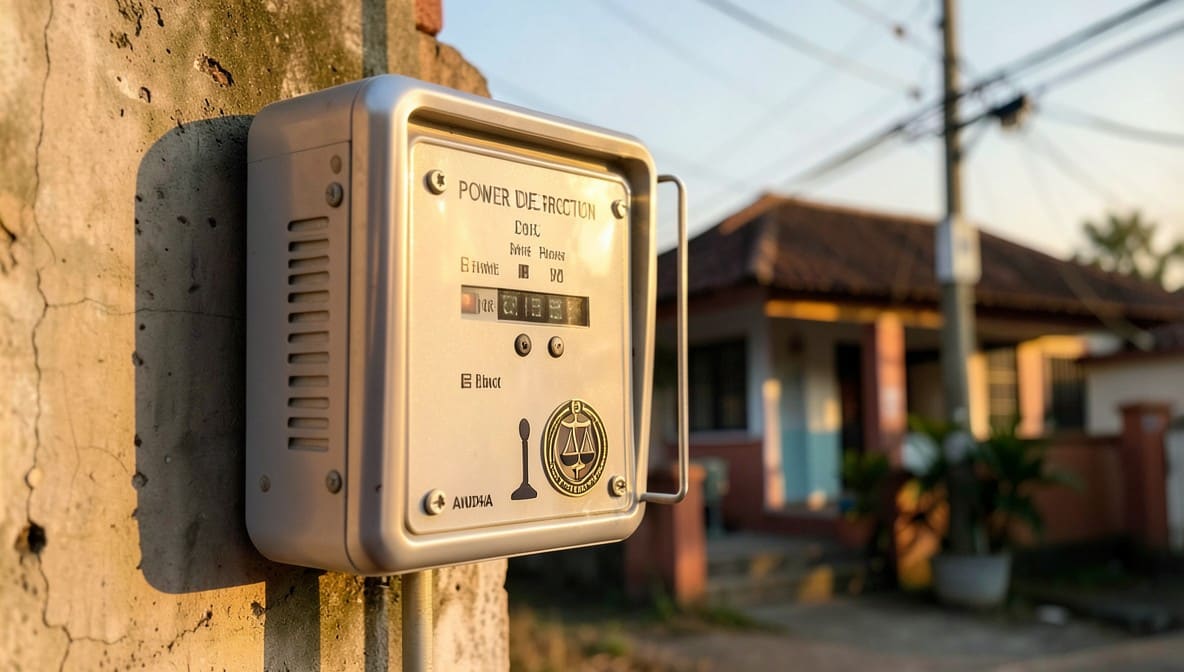
Electricity Act 2003 Section 56 | Mandatory Notice & Hearing Before Disconnection; AP HC Upholds Consumer Rights Under Articles 14 & 21

Andhra Pradesh High Court reinforces that electricity disconnection without adhering to statutory notice and hearing under Section 56 of the Electricity Act 2003 violates constitutional rights. The ruling mandates strict compliance with procedural safeguards, ensuring consumers are protected from arbitrary disconnections by distribution companies.

NDPS Act Section 20(b)(ii)(B) | Intermediate Quantity Ganja Seizure + Criminal Antecedents Justify Bail Denial Despite Small Quantity Precedents : Andhra Pradesh HC
Case Law Analysis
|Andhra Pradesh High Court

NDPS Act Section 20(b)(ii)(B) | Intermediate Quantity Ganja Seizure + Criminal Antecedents Justify Bail Denial Despite Small Quantity Precedents : Andhra Pradesh HC

Andhra Pradesh High Court rules that 2.17 kg ganja seizure-falling under 'intermediate quantity'-coupled with criminal antecedents, overrides small quantity bail precedents like Arnesh Kumar. The judgment emphasizes societal harm and investigation stage as decisive factors, setting a stricter threshold for bail in narcotics cases.

Umadevi Principles | 33-Year Casual Worker Entitled to Regularization Despite State Rule Requiring 5-Year Service by 1993 : Andhra Pradesh HC
Case Law Analysis
|Andhra Pradesh High Court

Umadevi Principles | 33-Year Casual Worker Entitled to Regularization Despite State Rule Requiring 5-Year Service by 1993 : Andhra Pradesh HC

The Andhra Pradesh High Court ruled that continuous, unblemished service of over three decades in a sanctioned post justifies regularization as a one-time constitutional remedy, even when state rules impose stricter eligibility criteria. This sets a critical precedent for long-serving casual and time-scale workers across state-funded institutions, affirming that service duration trumps procedural barriers when fundamental rights to livelihood are at stake.

Article 226 | Non-Participant in Tender Process Lacks Locus Standi to Challenge Conditions: Andhra Pradesh HC
Case Law Analysis
|Andhra Pradesh High Court

Article 226 | Non-Participant in Tender Process Lacks Locus Standi to Challenge Conditions: Andhra Pradesh HC

The Andhra Pradesh High Court ruled that a non-participant in a tender process cannot challenge its conditions under Article 226, especially when the petition is filed after a 7-year delay, rendering it barred by laches. This reinforces the principle that locus standi in tender disputes is restricted to actual participants, limiting judicial review of public procurement decisions.

Section 36A(4) NDPS Act | Public Prosecutor’s Remand Extension Report Must Show Independent Application of Mind : Andhra Pradesh HC
|Andhra Pradesh High Court

Section 36A(4) NDPS Act | Public Prosecutor’s Remand Extension Report Must Show Independent Application of Mind : Andhra Pradesh HC

Andhra Pradesh High Court sets aside a remand extension under Section 36A(4) NDPS Act, ruling that the Public Prosecutor’s report must demonstrate independent application of mind and justify further custody beyond 180 days. The decision reinforces procedural safeguards against arbitrary detention in drug-related cases, impacting prosecutors and accused alike.

HPCL LPG Distributorship Guidelines | 15-Year Lease Compliance Mandatory as of Application Date; No Equitable Relief for Litigation Delays: AP HC
Case Law Analysis
|Andhra Pradesh High Court

HPCL LPG Distributorship Guidelines | 15-Year Lease Compliance Mandatory as of Application Date; No Equitable Relief for Litigation Delays: AP HC

Andhra Pradesh High Court holds that HPCL's 15-year lease requirement for LPG distributorship applicants is a strict eligibility criterion, not subject to relaxation for hardship or prolonged litigation. The ruling bars applicants from curing defects post-application, reinforcing administrative rigidity over equitable considerations in public sector selections.

NDPS Act Section 20(b)(ii)(C) | Bail Granted Despite Commercial Quantity and Prior Antecedents Due to 201 Days of Judicial Custody Without Interrogation : Andhra Pradesh HC
Case Law Analysis
|Andhra Pradesh High Court

NDPS Act Section 20(b)(ii)(C) | Bail Granted Despite Commercial Quantity and Prior Antecedents Due to 201 Days of Judicial Custody Without Interrogation : Andhra Pradesh HC

The Andhra Pradesh High Court held that 201 days of judicial custody without custodial interrogation, combined with fixed residences and no flight risk, overrides the presumption against bail under NDPS Act for commercial quantities and prior antecedents. This reinforces that prolonged pre-trial detention without investigative necessity triggers Article 21 protections, setting a critical precedent for accused persons in drug cases facing extended pre-trial incarceration.

Section 304 Part-II IPC | Throttling in Sudden Quarrel Over Minor Debt Lacks Intention to Kill, Distinguishes from Murder: Andhra Pradesh HC
Case Law Analysis
|Andhra Pradesh High Court

Section 304 Part-II IPC | Throttling in Sudden Quarrel Over Minor Debt Lacks Intention to Kill, Distinguishes from Murder: Andhra Pradesh HC

The Andhra Pradesh High Court reduced a murder conviction to culpable homicide not amounting to murder, holding that throttling during a heated argument over Rs. 100, without premeditation or weapon use, cannot establish the necessary intent for Section 302 IPC. This reinforces that sudden quarrels, even involving lethal force, may fall under Section 304 Part-II if the act is impulsive and not driven by a design to cause death - a critical distinction for defense lawyers and trial courts handling domestic altercations.

Prescribed Textbook Authority Overrides Answer Key Discrepancy | MBBS Exam Re-evaluation Mandated: Andhra Pradesh HC
Case Law Analysis
|Andhra Pradesh High Court

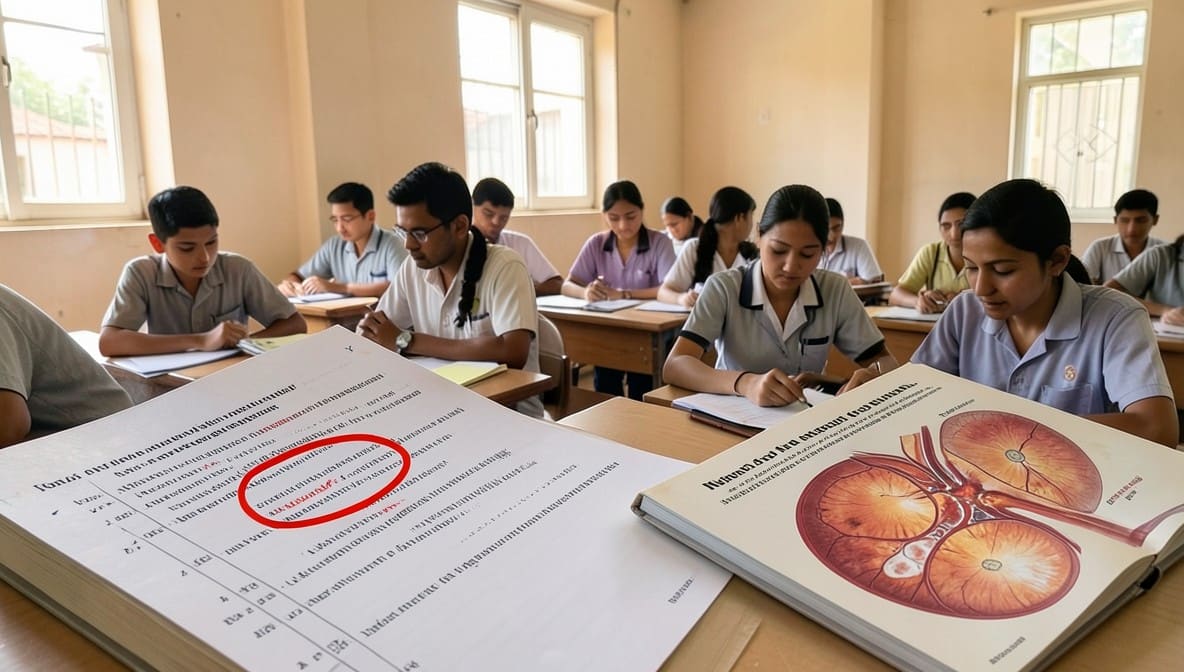
Prescribed Textbook Authority Overrides Answer Key Discrepancy | MBBS Exam Re-evaluation Mandated: Andhra Pradesh HC

Andhra Pradesh High Court rules that when a dispute arises between an answer key and prescribed textbooks, the latter prevails for academic fairness. The court directed re-evaluation of MBBS exam papers where the neurosensory retina layers question conflicted with standard texts, ensuring students are not penalized for adhering to official curriculum.

Contempt of Court Under Sections 10-12 | Issuing Notices Alone Insufficient for Judicial Compliance; Willful Disobedience Attracts Fine & Costs : Andhra Pradesh HC
Case Law Analysis
|Andhra Pradesh High Court

Contempt of Court Under Sections 10-12 | Issuing Notices Alone Insufficient for Judicial Compliance; Willful Disobedience Attracts Fine & Costs : Andhra Pradesh HC

The Andhra Pradesh High Court ruled that mere issuance of notices does not constitute compliance with judicial orders. Willful disobedience of a final court directive-even without malice-amounts to contempt, warranting imposition of fines and costs on public officials. The judgment underscores that administrative inaction post-notice violates judicial authority and mandates tangible enforcement of orders.

Waqf Act Section 61 | Hereditary Claim to Mutawalli Succession Must Be Backed by Statutory Enquiry, Not Mere Familial Assertion : Andhra Pradesh HC
|Andhra Pradesh High Court

Waqf Act Section 61 | Hereditary Claim to Mutawalli Succession Must Be Backed by Statutory Enquiry, Not Mere Familial Assertion : Andhra Pradesh HC

The Andhra Pradesh High Court ruled that a hereditary claim to mutawalli succession under the Waqf Act, 1995, must be substantiated by a statutory enquiry report, not just familial ties. The decision reinforces that Waqf Board determinations under Section 61 prevail over unproven assertions, impacting succession disputes in religious endowments.

Rule 28 A.P. State Service Rules | Relinquishment of Promotion is Personal Right, Not Subject to Administrative Discretion: AP HC
Case Law Analysis
|Andhra Pradesh High Court

Rule 28 A.P. State Service Rules | Relinquishment of Promotion is Personal Right, Not Subject to Administrative Discretion: AP HC

The Andhra Pradesh High Court held that an employee’s right to relinquish promotion under Rule 28 of the A.P. State and Subordinate Service Rules, 1996, is a personal choice and cannot be overridden by administrative action. The court directed reinstatement of the employee, emphasizing that such decisions are protected unless contrary to public interest.

Section 83 Endowments Act | Mandatory Pre-Auction Notice to Landowners Required Even in Disputed Ownership Cases : AP HC
Case Law Analysis
|Andhra Pradesh High Court

Section 83 Endowments Act | Mandatory Pre-Auction Notice to Landowners Required Even in Disputed Ownership Cases : AP HC

Andhra Pradesh High Court reinforces that the Endowments Department must strictly comply with Section 83 of the Endowments Act, 1987, by issuing prior notice to landowners before auctioning land-regardless of ownership disputes. The ruling protects landowners from arbitrary dispossession and ensures procedural fairness in religious endowment land auctions.

Locus Standi Under Andhra Pradesh Endowments Act | Stranger Cannot Seek Mandamus for Temple Land Encroachment Removal: AP HC
Case Law Analysis
|Andhra Pradesh High Court

Locus Standi Under Andhra Pradesh Endowments Act | Stranger Cannot Seek Mandamus for Temple Land Encroachment Removal: AP HC

The Andhra Pradesh High Court ruled that a third-party petitioner lacks locus standi to seek a writ of mandamus for removal of encroachments on temple land under the Andhra Pradesh Charitable and Hindu Religious Institutions and Endowments Act, 1987. The court directed authorities to protect the temple properties while dismissing the petition.

Article 226 Review Petition | Error Apparent on Record Must Be Demonstrated; Writ Jurisdiction Cannot Bypass Statutory Appeals Under Section 100 CPC: AP HC
Case Law Analysis
|Andhra Pradesh High Court

Article 226 Review Petition | Error Apparent on Record Must Be Demonstrated; Writ Jurisdiction Cannot Bypass Statutory Appeals Under Section 100 CPC: AP HC

Andhra Pradesh High Court reaffirms that review petitions under Article 226 require a clear error apparent on the record, and writ jurisdiction cannot be used to circumvent statutory remedies like appeals under Section 100 CPC. The ruling underscores the limited scope of review petitions and the necessity of exhausting alternative remedies before invoking constitutional jurisdiction.

Section 482 CrPC | Quashing Proceedings Mandatory When Co-Accused Acquitted Due to Insufficient Evidence: Andhra Pradesh HC
Case Law Analysis
|Andhra Pradesh High Court

Section 482 CrPC | Quashing Proceedings Mandatory When Co-Accused Acquitted Due to Insufficient Evidence: Andhra Pradesh HC

The Andhra Pradesh High Court held that continuing trial against a petitioner after the acquittal of a co-accused in dowry-related offences (Section 498A IPC and Dowry Prohibition Act) amounts to an abuse of process. The ruling reinforces that quashing is necessary where evidence is insufficient to sustain charges, protecting accused from prolonged harassment.

Section 482 CrPC | Quashing Charge Sheet Mandatory If Allegations Fail Prima Facie Offence Test: Andhra Pradesh HC
Case Law Analysis
|Andhra Pradesh High Court

Section 482 CrPC | Quashing Charge Sheet Mandatory If Allegations Fail Prima Facie Offence Test: Andhra Pradesh HC

The Andhra Pradesh High Court held that a charge sheet under Sections 420, 468, and 470 IPC must be quashed if the allegations do not disclose a prima facie offence. The ruling reinforces that Section 482 CrPC empowers courts to prevent abuse of process where no legal offence is made out, protecting accused from frivolous prosecutions.

Section 417 IPC | False Promise of Marriage Alone Insufficient for Cheating Charge Without Dishonest Intent: Andhra Pradesh HC Quashes FIR
Case Law Analysis
|Andhra Pradesh High Court

Section 417 IPC | False Promise of Marriage Alone Insufficient for Cheating Charge Without Dishonest Intent: Andhra Pradesh HC Quashes FIR

The Andhra Pradesh High Court ruled that a consensual relationship, even if predicated on a false promise of marriage, does not automatically constitute criminal cheating under Section 417 IPC. The court emphasized that dishonest intent must be proven from the inception of the relationship to sustain charges, setting a precedent for quashing FIRs lacking such evidence.

Standard Operating Procedures Under Food Safety Laws | FCI Directions Binding on Millers for Fortified Rice Compliance: Andhra Pradesh HC
Case Law Analysis
|Andhra Pradesh High Court

Standard Operating Procedures Under Food Safety Laws | FCI Directions Binding on Millers for Fortified Rice Compliance: Andhra Pradesh HC

The Andhra Pradesh High Court upheld the binding nature of FCI's Standard Operating Procedures (SOPs) for fortified rice quality control, rejecting millers' challenges. The court ruled that test results are final under appeal procedures, and millers' liability extends beyond mechanical blending, validating surprise inspections without prior notice.

Section 29 Proviso Endowments Act | Managing Trustee Can Act as Executive Officer for Low-Income Trusts Without Formal Appointment: AP HC
Case Law Analysis
|Andhra Pradesh High Court

Section 29 Proviso Endowments Act | Managing Trustee Can Act as Executive Officer for Low-Income Trusts Without Formal Appointment: AP HC

Andhra Pradesh High Court rules that under the proviso to Section 29 of the Endowments Act, a Managing Trustee of a religious institution with annual income below Rs. 2 lakhs can legally act as an Executive Officer, even without formal appointment. This holding validates eviction proceedings initiated by the trustee, reinforcing the statutory flexibility for smaller trusts.

Contempt of Court Under Land Acquisition Act | Willful Disobedience of Judicial Orders Triggers Civil Contempt: Andhra Pradesh HC
Case Law Analysis
|Andhra Pradesh High Court

Contempt of Court Under Land Acquisition Act | Willful Disobedience of Judicial Orders Triggers Civil Contempt: Andhra Pradesh HC

The Andhra Pradesh High Court ruled that willful disobedience of judicial orders in land acquisition cases constitutes civil contempt, granting a final compliance opportunity. The judgment underscores the judiciary's intolerance for non-compliance with land acquisition directives, reinforcing the Rule of Law and judicial authority over public bodies.

Article 19 & 21 | Arbitrary Vehicle Seizure Under Forest Laws Violates Due Process: Andhra Pradesh HC Sets Strict Timeline for Release
Case Law Analysis
|Andhra Pradesh High Court

Article 19 & 21 | Arbitrary Vehicle Seizure Under Forest Laws Violates Due Process: Andhra Pradesh HC Sets Strict Timeline for Release

The Andhra Pradesh High Court ruled that seizure of vehicles under forest laws without due process violates constitutional rights under Articles 19 and 21. The court mandated the release of a seized vehicle within a strict timeline, reinforcing procedural fairness in state actions affecting property and liberty.