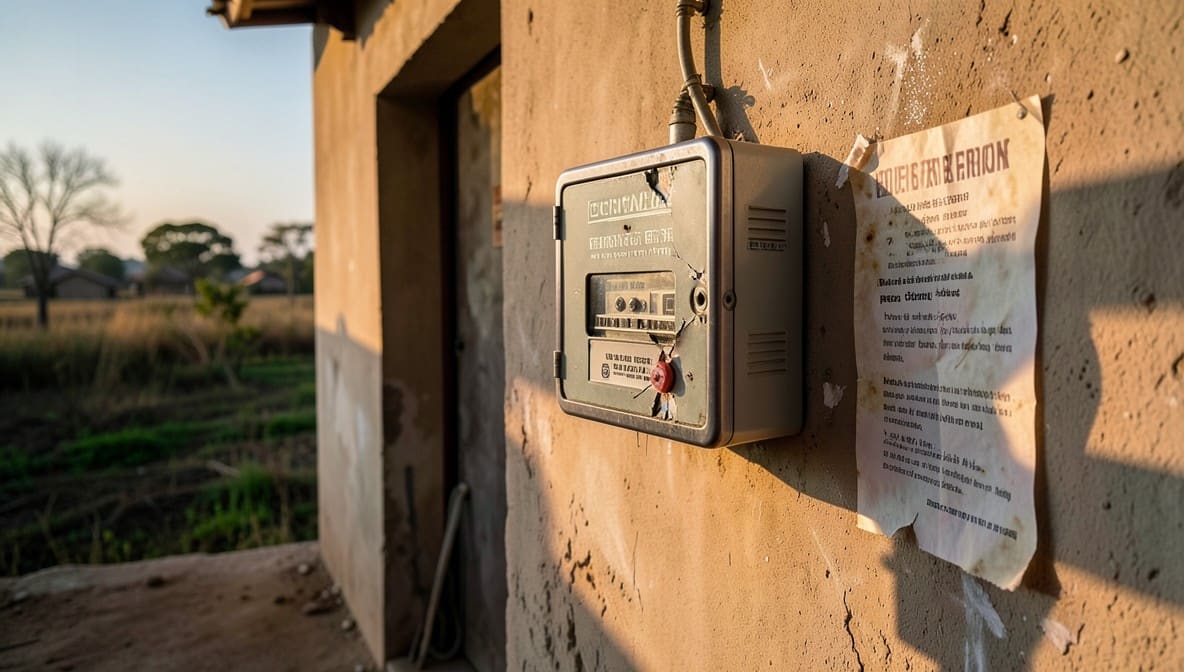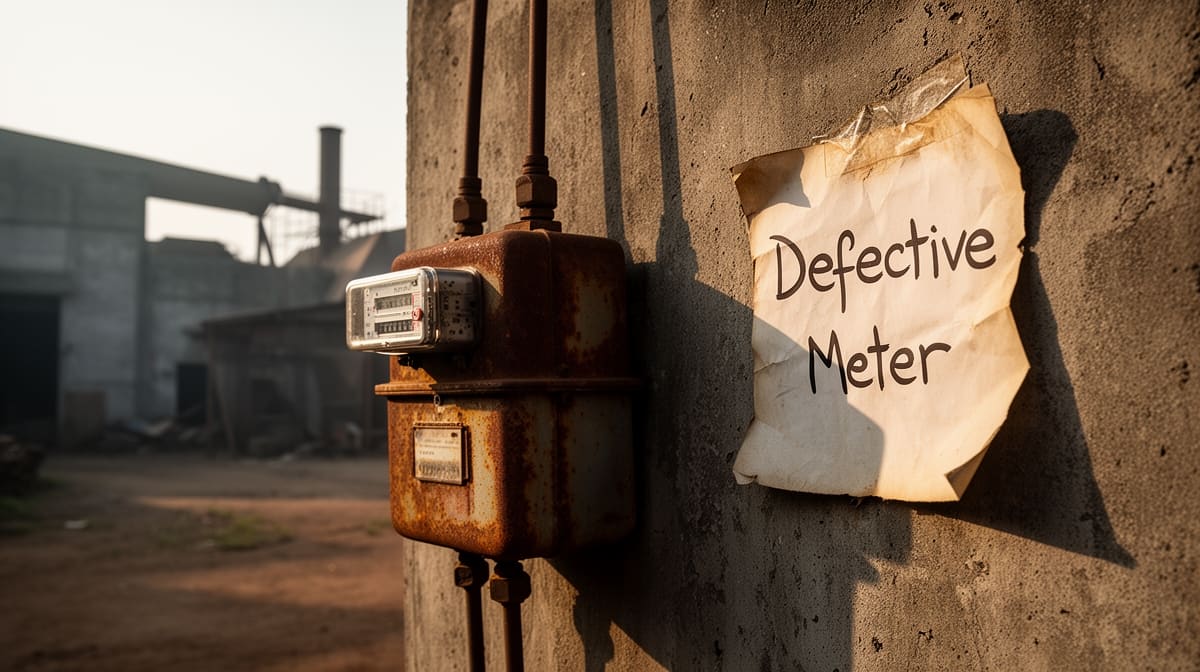
The Punjab and Haryana High Court has reaffirmed that civil courts retain jurisdiction to adjudicate disputes where electricity boards unilaterally alter tariff classifications without notice, thereby violating fundamental principles of natural justice. This judgment clarifies a critical boundary between administrative authority and judicial oversight in utility disputes.
Background & Facts
The Dispute
The appellants, owners of M/s Green Bar and Restaurant in Patiala, held an industrial power connection since 1960 for air-conditioning and refrigeration. In 1987, the Punjab State Electricity Board reclassified their connection as "commercial" under Commercial Circular No. 94/86, increasing tariffs without notice, consent, or amendment to the original agreement. The disputed bill of ₹1,04,947 dated 26.03.1997 formed the basis of the suit, alongside an earlier bill from 1987.
Procedural History
- 1998: Trial Court held the demand illegal and void for lack of notice but dismissed the suit on grounds of lack of civil court jurisdiction.
- 2001: First Appellate Court affirmed the illegality of the demand but upheld dismissal on jurisdictional grounds.
- 2026: Regular Second Appeal filed before the Punjab and Haryana High Court.
Relief Sought
The appellants sought a declaration that the reclassification and bills were illegal, a permanent injunction against recovery or disconnection, and mandatory relief for restoration of the original industrial tariff.
The Legal Issue
The central question was whether civil courts have jurisdiction to entertain a suit challenging the legality of an electricity board’s unilateral reclassification of tariff category when such action is taken without notice and in violation of the existing agreement and principles of natural justice.
Arguments Presented
For the Appellant
Learned counsel relied on Punjab State Electricity Board v. Joginder Singh (RSA No. 2200 of 1999), a co-ordinate Bench judgment with identical facts, which held that when the Board acts without jurisdiction and violates audi alteram partem, the civil court retains jurisdiction. It was argued that no statutory bar exists under the Indian Electricity Act, 1910 or the Electricity (Supply) Act, 1948 to exclude civil court jurisdiction where the challenge is to the very validity of the demand.
For the Respondent
The respondents supported the lower courts’ view that jurisdiction lies exclusively with the statutory authorities under the Electricity Acts, and that civil courts must defer to administrative determinations unless expressly excluded by statute.
The Court's Analysis
The Court emphasized that the issue was not about tariff fixation per se, but about the procedural illegality in altering the contractual and statutory classification without notice. Both lower courts had already held the demand illegal, null, and void. The only remaining question was jurisdiction.
"It is the basic principle of law that nobody can be condemned unheard. Before any action detrimental to the interest of the litigant/consumer is taken by the Board, it was obligatory upon the Board to issue the notice. This act on the part of the Board is without jurisdiction. The civil Court will always have the jurisdiction to entertain such suits."
The Court distinguished PSEB v. Ashwani Kumar (1997), which dealt with tariff disputes within statutory framework, from the present case where the Board acted beyond its authority by altering the connection category without consent or procedure. The binding precedent in Joginder Singh was directly applicable and had been ignored by the first appellate court despite being placed on record. The Court held that violation of natural justice renders an administrative action ultra vires, thereby opening the door to civil court remedies.
The Verdict
The appellants won. The Court held that civil courts have jurisdiction when an electricity board reclassifies a connection without notice, violating the agreement and principles of natural justice. The suit was decreed with declaration of illegality, permanent injunction, and costs.
What This Means For Similar Cases
Civil Courts Are Not Barred by Statutory Frameworks When Natural Justice Is Violated
- Practitioners must argue that statutory exclusivity does not apply where administrative action is procedurally invalid.
- Even under specialized statutes like the Electricity Acts, ultra vires acts remain subject to civil court scrutiny.
- A finding of illegality on merits by lower courts strengthens the jurisdictional argument.
Notice Is Not a Formality - It Is a Jurisdictional Prerequisite
- Any unilateral change in tariff category, connection type, or billing structure requires prior notice and opportunity to be heard.
- Failure to issue notice renders the action void ab initio, not merely voidable.
- Evidence of non-receipt of notice or absence of record of notice should be central to pleadings.
Precedents on Identical Facts Are Binding Even If Ignored
- When a co-ordinate Bench has ruled on identical facts, lower courts are bound to apply it.
- Failure to refer to a binding precedent in the record constitutes a patent error of law warranting reversal in second appeal.
- Counsel must always cite and annex relevant precedents under Order 41 Rule 27 CPC and highlight their non-consideration.