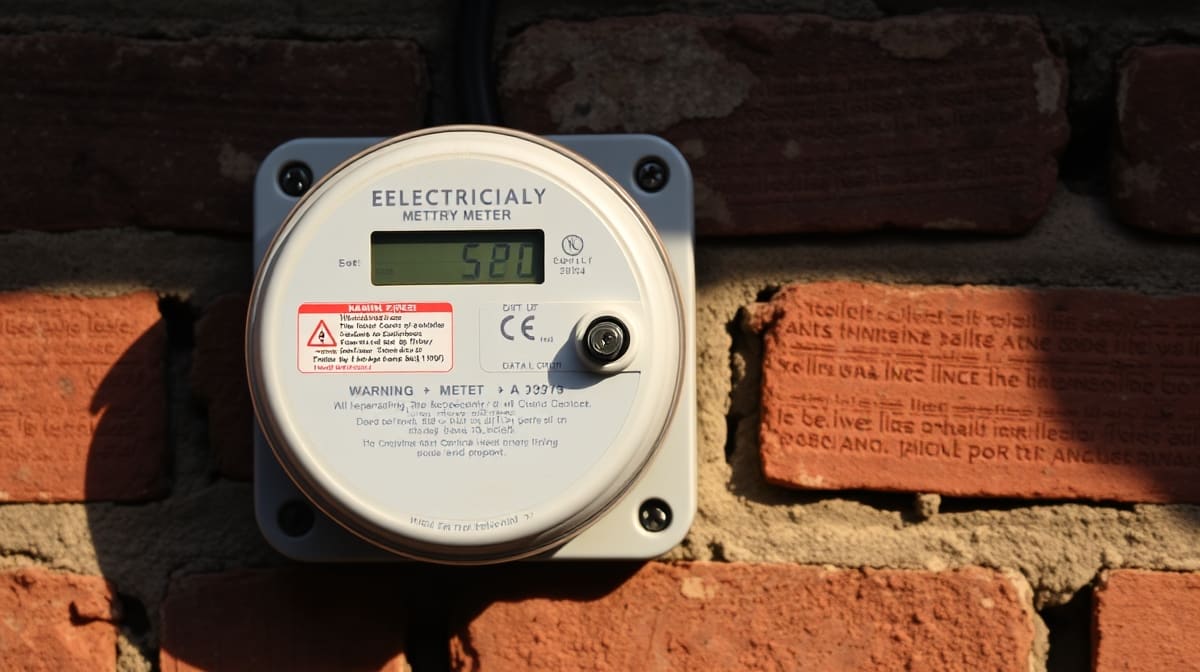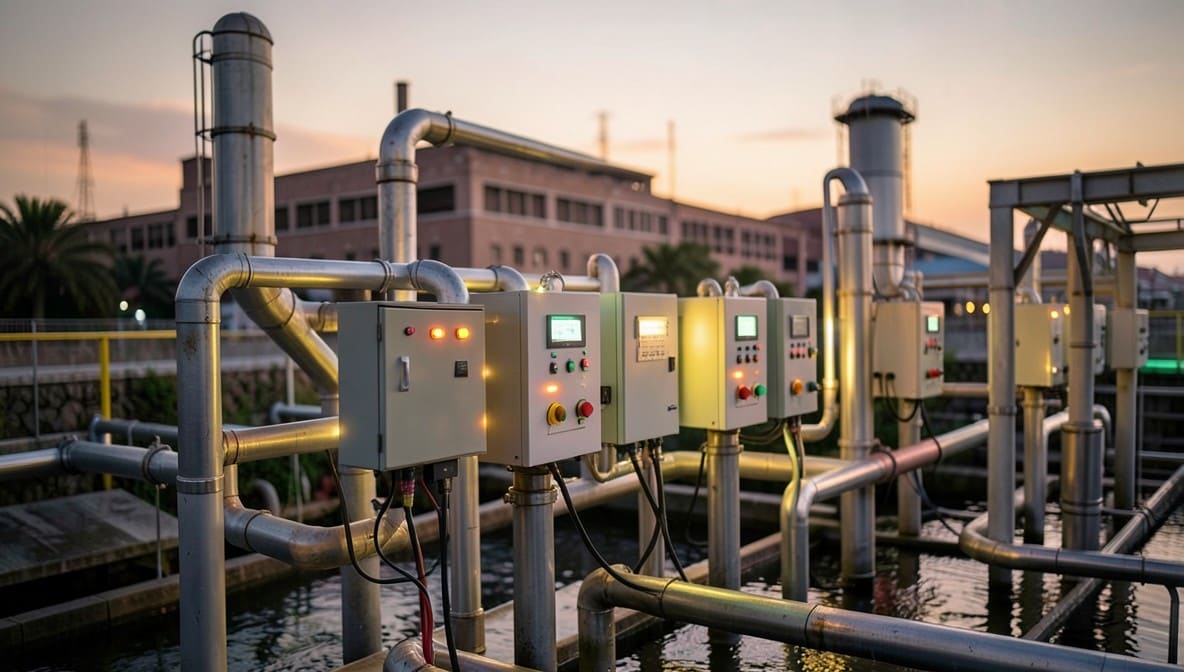
The Bombay High Court has clarified that electricity distribution companies cannot unilaterally recover subsidies already disbursed to consumers through retrospective debit adjustments absent explicit statutory or governmental authorization. This ruling reinforces consumer protection principles under the Electricity Act, 2003 and the MERC Regulations, 2020.
Background & Facts
The Dispute
The petitioner, Maharashtra State Electricity Distribution Company Ltd. (MSEDCL), challenged the final order dated 15.01.2025 passed by the Consumer Grievance Redressal Forum (CGRF), Amravati, which directed MSEDCL to set aside a debit bill adjustment of Rs.3,49,10,622.70. This amount represented the retrospective recovery of VM Subsidy previously granted to the respondent, SMS Limited (CETP-1), for electricity consumption between 2017 and 2021.
Key Facts
- The respondent, SMS Limited, is a Common Effluent Treatment Plant (CETP) located at Textile Zone, Additional MIDC, Amravati, established since 22.12.2016.
- The consumer was classified as an HT Industrial Consumer (CD 1100 kVA) with consumer number 364339007310.
- Pursuant to Government Resolution dated 29.06.2016, MSEDCL granted VM Subsidy to eligible industrial consumers, including the respondent, from 2017 to 2021.
- On 03.08.2023, MSEDCL issued an electricity bill for July 2023 containing a debit adjustment of Rs.3,49,10,622.70, claiming retrospective cancellation of subsidy based on Government Resolution dated 23.06.2022.
- The 23.06.2022 Resolution reclassified beneficiaries into manufacturing and non-manufacturing units but contained no provision for recovery of previously granted subsidies.
- The respondent filed a grievance under Regulation 7 of MERC (CGRF and Ombudsman) Regulations, 2020, challenging the debit adjustment as unlawful.
Procedural History
- 22.12.2016: Respondent connected to MSEDCL grid as HT Industrial Consumer.
- 29.06.2016: Government Resolution granting VM Subsidy to eligible industrial units.
- 2017 - 2021: MSEDCL disbursed VM Subsidy to respondent without objection.
- 23.06.2022: Government Resolution reclassifying subsidy beneficiaries; no retrospective recovery clause.
- 03.08.2023: MSEDCL issued bill with debit adjustment of Rs.3,49,10,622.70.
- 2024: Complaint filed by respondent before CGRF, Amravati (CGRF Case No.56/2024).
- 15.01.2025: CGRF allowed complaint, set aside debit adjustment, and directed cancellation of interest and DPC.
- 20.01.2025: Coordinate Bench of Bombay HC in MSEDCL v. Meera Enterprise held CGRF lacks jurisdiction over subsidy grant disputes.
- 15.04.2026: Writ Petition No.2056/2025 reserved for judgment.
- 05.06.2026: Judgment pronounced dismissing the writ petition.
The Parties' Positions
For MSEDCL (Petitioner):
- Argued that the complaint was not maintainable under Regulation 7.9(d) of MERC Regulations, 2020, as the bill amount itself was not disputed - only the subsidy adjustment.
- Contended that CGRF lacks jurisdiction over matters concerning grant or non-grant of government subsidies.
- Asserted that the respondent’s CETP is a non-manufacturing unit under the Electricity Act, 2003, and thus ineligible for subsidy under the 23.06.2022 Resolution.
- Relied on MSEDCL v. Gajkesari Steels (MERC Order 25.05.2023) and Assistant Engineer v. Rahamatullah Khan (2020) 4 SCC 650 to justify recovery of mistaken payments.
For SMS Limited (Respondent):
- Argued that the grievance was not about non-grant of subsidy, but about unlawful retrospective recovery of subsidy already paid.
- Emphasized that MSEDCL itself had classified the respondent as an Industrial Consumer since 2016 and extended subsidy for five years without challenge.
- Cited MERC Tariff Order dated 03.11.2016 confirming industrial classification.
- Relied on Hindustan Petroleum v. MSEDCL (2013 SCC OnLine Bom 66) and MSEDCL v. Viraj Profile (2023 SCC OnLine Bom 2557) to establish CETP as a manufacturing activity.
- Stressed that the 23.06.2022 Resolution did not authorize recovery of past subsidies.
Relief Sought
MSEDCL sought quashing of the CGRF order dated 15.01.2025 and restoration of the debit adjustment of Rs.3,49,10,622.70, along with interest and Delayed Payment Charges.
The Legal Issue
The central question was whether an electricity distribution company can retrospectively recover subsidy amounts already disbursed to a consumer based on a subsequent government resolution that contains no express provision for recovery, and whether such a dispute falls within the jurisdiction of the Consumer Grievance Redressal Forum under the MERC Regulations, 2020.
Arguments Presented
For the Appellant/Petitioner
MSEDCL contended that the dispute was not about billing irregularities but about eligibility for government subsidy, which lies outside the CGRF’s jurisdiction under Regulation 7.9(d). It argued that the 23.06.2022 Resolution effectively revoked eligibility, and since the subsidy was granted based on a mistaken classification, recovery was permissible under Gajkesari Steels and Rahamatullah Khan. It further claimed the respondent’s CETP was a non-manufacturing unit, disqualifying it from subsidy under the Electricity Act, 2003.
For the Respondent/State
The respondent countered that the grievance was squarely about the unilateral debit adjustment, not subsidy denial. It emphasized that MSEDCL had accepted eligibility for seven years and that the 23.06.2022 Resolution was prospective only. It relied on Viraj Profile to establish that wastewater treatment constitutes manufacturing, and that CGRF jurisdiction extends to disputes over bill adjustments, even if rooted in subsidy policy.
The Court's Analysis
The Court examined the nature of the grievance and the legal basis for the debit adjustment. It held that the consumer’s complaint did not challenge the non-grant of future subsidy, but contested the legality of recovering subsidy already paid. The Court observed:
"The issue in the instant petition is about retrospective recovery of awarded subsidy."
It noted that the Government Resolution dated 23.06.2022, while reclassifying beneficiaries, contained no language authorizing recovery of past payments. The Court emphasized that retrospective recovery of benefits already conferred requires explicit statutory or contractual authority, which was absent here.
The Court distinguished MSEDCL v. Gajkesari Steels, where recovery was permitted due to a billing error by MSEDCL itself, whereas here, MSEDCL had voluntarily granted subsidy for years without objection. The Court further held that the classification of CETP as manufacturing or non-manufacturing was immaterial, since MSEDCL had already recognized the respondent as an Industrial Consumer under its own tariff order dated 03.11.2016.
The Court also rejected MSEDCL’s reliance on Assistant Engineer v. Rahamatullah Khan and K.C. Ninan, noting these cases dealt with recovery of unpaid dues after consumption, not reversal of subsidies already paid. The Court concluded:
"Non-eligibility, if any, cannot be given effect retrospectively to the extent of authorizing petitioners to make recovery of subsidy already awarded."
The CGRF’s finding that the debit adjustment was unjustified was upheld as reasonable, based on the absence of legal basis for recovery and the long-standing acceptance of eligibility by MSEDCL.
The Verdict
The writ petition was dismissed with no order as to costs. The Court upheld the CGRF’s order dated 15.01.2025, directing MSEDCL to set aside the debit adjustment of Rs.3,49,10,622.70, along with all interest and Delayed Payment Charges levied thereon. No further directions were issued, as the relief granted was complete.
What This Means For Similar Cases
Retrospective Recovery Requires Explicit Authority
- Practitioners must now argue that any reversal of subsidies, incentives, or benefits already paid requires clear statutory or policy language permitting retroactivity.
- Absent such language, even bona fide administrative errors cannot justify recovery from consumers.
CGRF Jurisdiction Covers Bill Adjustments Rooted in Policy
- Disputes over debit adjustments - even those arising from subsidy policy changes - are maintainable before CGRF if they relate to the consumer’s bill.
- The jurisdictional bar under Regulation 7.9(d) applies only to direct challenges against government subsidy decisions, not to utility-imposed bill corrections.
Classification Must Be Consistent
-
Electricity distribution companies cannot arbitrarily reclassify consumers after years of consistent treatment.
-
Tariff orders and past conduct establish the baseline for eligibility; unilateral reclassification without notice or transition mechanism is legally unsustainable.
-
Always verify whether subsidy or incentive policies contain explicit recovery clauses before initiating adjustments.
-
Document all classifications and subsidy grants in writing to prevent future disputes.
-
In litigation, focus on the nature of the grievance (bill adjustment vs. subsidy denial) to determine forum jurisdiction.