
Topic

writ petition dismissed

A writ petition dismissed in Indian courts refers to a constitutional remedy sought under Articles 226 or 32 being rejected due to procedural defects, lack of jurisdiction, or failure to exhaust statutory remedies.

5 articlesLatest May 2026
Section 50 Indian Stamp Act | Six-Month Limitation for Refund of Unused Stamp Papers is Absolute : Punjab & Haryana HC
Case Law Analysis
|Punjab and Haryana High Court

Section 50 Indian Stamp Act | Six-Month Limitation for Refund of Unused Stamp Papers is Absolute : Punjab & Haryana HC

The Punjab & Haryana High Court ruled that the six-month limitation period under Section 50 of the Indian Stamp Act for refund of unused stamp papers is a statutory bar, leaving no room for condonation of delay. Property buyers and litigants must file refund claims within the prescribed period or risk forfeiture of the entire amount.
Section 10(1) MOFA 1963 | Prospective Application Covers Continuing Defaults; Promoters Must Execute Conveyance Even for Pre-Act Agreements : Bombay HC
Case Law Analysis
|Bombay High Court

Section 10(1) MOFA 1963 | Prospective Application Covers Continuing Defaults; Promoters Must Execute Conveyance Even for Pre-Act Agreements : Bombay HC

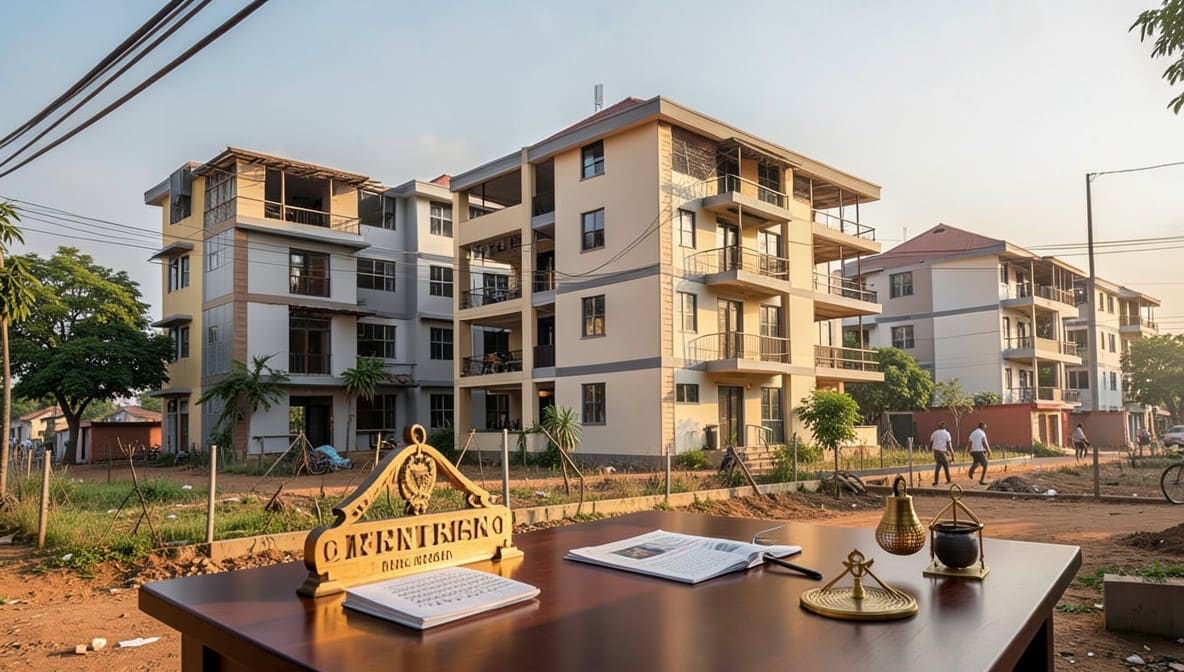
Bombay High Court rules that the Maharashtra Ownership Flats Act's deemed conveyance provision applies prospectively to ongoing defaults, obligating promoters to execute conveyance even for agreements predating the Act. The judgment clarifies that statutory obligations persist until compliance, impacting housing societies and developers across Maharashtra.

Chhattisgarh Land Revenue Code Section 250-A | Writ Petition Dismissed for Failure to Exhaust Statutory Appeal Before SDO: Chhattisgarh HC
Case Law Analysis
|Chhattisgarh High Court

Chhattisgarh Land Revenue Code Section 250-A | Writ Petition Dismissed for Failure to Exhaust Statutory Appeal Before SDO: Chhattisgarh HC

The Chhattisgarh High Court has ruled that petitioners cannot bypass the statutory appellate process under Section 250-A of the Chhattisgarh Land Revenue Code by filing writ petitions against non-execution of encroachment removal orders. The court directed the Sub-Divisional Officer to decide the pending appeal within 60 days, reinforcing that administrative remedies must be exhausted before judicial intervention - a critical procedural safeguard for land dispute litigants.

Cause of Action for Natural Calamity Compensation Accrues at Incident Time, Not Certificate Issuance : CGHC
Case Law Analysis
|Chhattisgarh High Court

Cause of Action for Natural Calamity Compensation Accrues at Incident Time, Not Certificate Issuance : CGHC

Chhattisgarh High Court rules that compensation claims for deaths in a 2010 cloudburst must be adjudicated under the 2008 policy, as the cause of action crystallizes at the time of the incident, not when the certificate is issued. This precedent ensures timely policy application for disaster victims, preventing retrospective amendments from diluting entitlements.