The Punjab and Haryana High Court has clarified that the Supreme Court’s prohibition on registering BS-III vehicles does not apply to vehicles purchased before 01.04.2017, reinforcing the principle that regulatory bans are prospective and cannot nullify prior lawful transactions. This judgment provides critical relief to vehicle owners who complied with purchase norms but faced administrative delays in registration.
Background & Facts
The Dispute
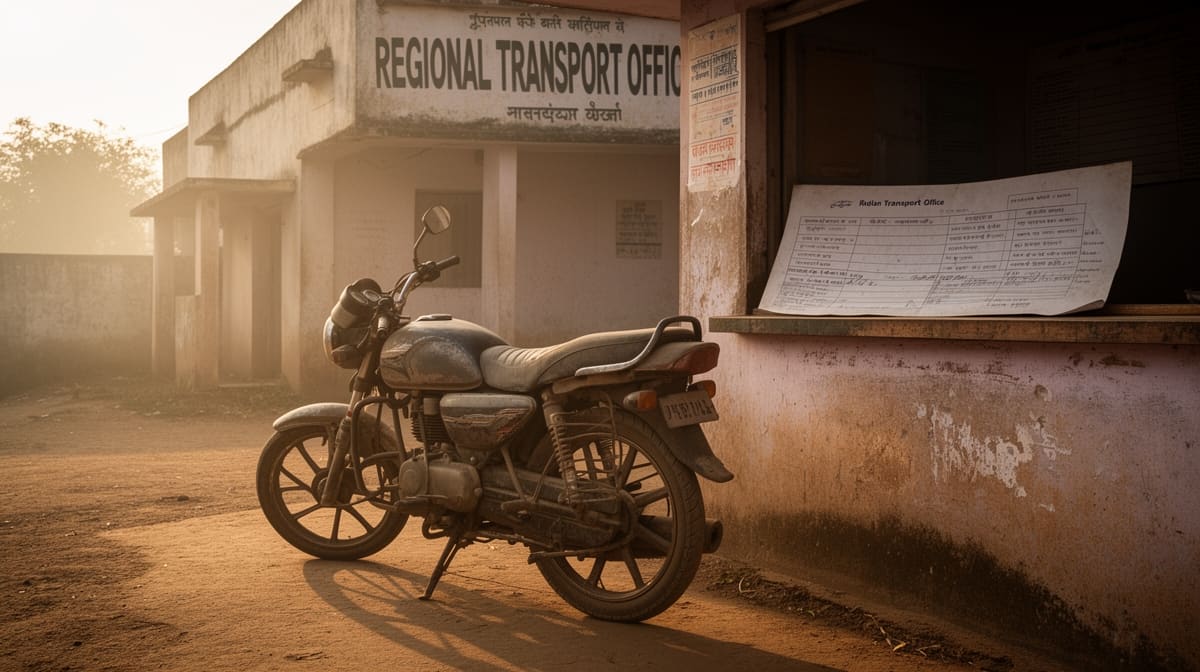
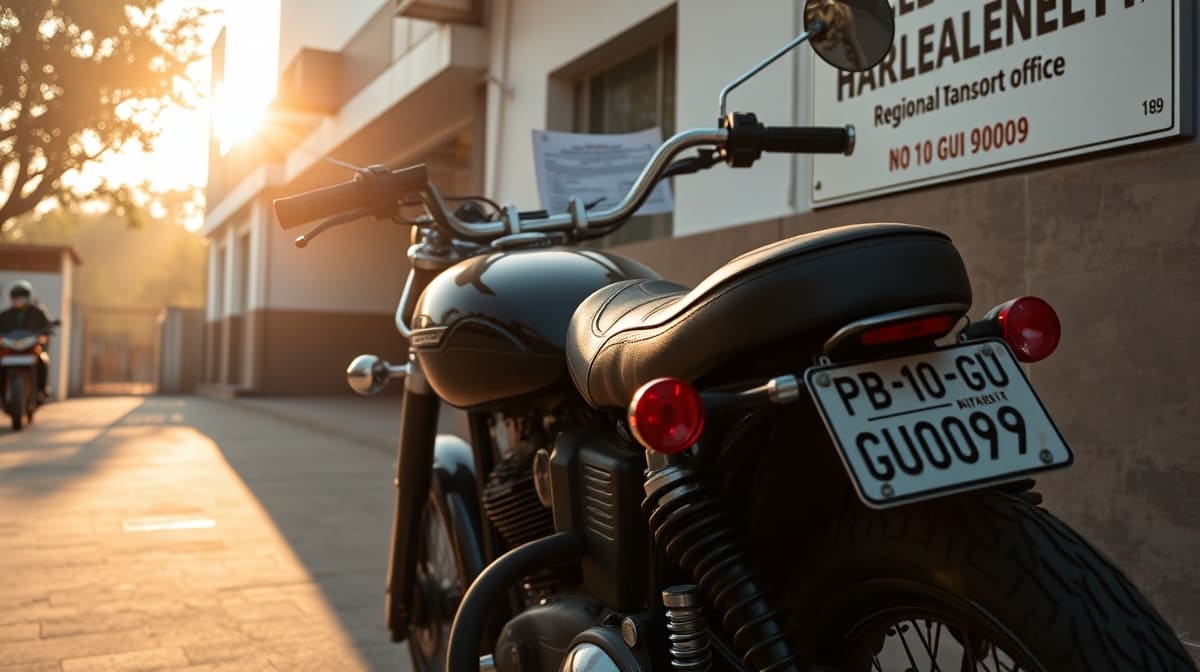
The petitioner, Gobind Expeller Company of Ludhiana, purchased a Harley Davidson motorcycle bearing Engine No. GX4F317574 in 2015. The vehicle is classified as BS-III emission standard. The petitioner sought a special paid registration number PB-10-GU-0009, which was formally allotted by the Regional Transport Office via letter dated 06.08.2019. The petitioner paid all applicable motor vehicle taxes and registration fees amounting to ₹84,532/- as per invoice dated 13.03.2020, covering the period from purchase to March 2020. Despite fulfilling all financial obligations and receiving the special number allocation, the Regional Transport Officer refused to issue the Registration Certificate.
Key Facts
- The motorcycle was purchased in 2015, well before the 01.04.2017 cutoff
- Special registration number PB-10-GU-0009 was allotted on 06.08.2019
- Motor vehicle taxes and registration fees of ₹84,532/- were paid on 13.03.2020
- The petitioner made a representation on 20.12.2020 seeking registration
- A legal notice was sent on 08.03.2025, which remained unaddressed
- The vehicle is BS-III compliant and was legally sold in India at the time of purchase
Procedural History
- 2015: Petitioner purchased Harley Davidson motorcycle
- 06.08.2019: Special registration number PB-10-GU-0009 allotted by RTO Ludhiana
- 13.03.2020: Petitioner paid ₹84,532/- as motor vehicle taxes and registration fees
- 20.12.2020: First formal representation made to RTO for issuance of Registration Certificate
- 10.12.2025: RTO Ludhiana issued reply denying registration citing M.C. Mehta judgment
- 08.03.2025: Legal notice sent to Respondent No. 3
- 30.03.2026: Writ petition filed under Articles 226 and 227 of the Constitution of India
Relief Sought
The petitioner sought a writ directing Respondent No. 3, the Regional Transport Officer, Ludhiana, to issue the Registration Certificate for the Harley Davidson motorcycle bearing Engine No. GX4F317574 and registration number PB-10-GU-0009.
The Legal Issue
The central question was whether the Supreme Court’s directive in M.C. Mehta v. Union of India prohibiting registration of BS-III vehicles from 01.04.2017 applies to vehicles purchased and sold prior to that date.
Arguments Presented
For the Petitioner
The petitioner’s counsel argued that the Supreme Court’s judgment in M.C. Mehta v. Union of India (2019) (17) SCC 490 explicitly excluded vehicles already sold before 01.04.2017 from its prohibition. The petitioner purchased the vehicle in 2015, long before the ban took effect. The delay in registration was due to administrative inaction, not any fault of the petitioner. The payment of taxes and fees in 2020 demonstrated continued intent to comply with legal formalities. Denial of registration on the basis of a prospective ban violated the principle of legitimate expectation and constituted arbitrary state action.
For the Respondent
The State counsel contended that the petitioner remained silent for nearly four years after purchase and only paid taxes in 2020, which was after the 01.04.2017 cutoff. They relied on the Supreme Court’s direction that no BS-III vehicle shall be registered after that date, arguing that the timing of payment rendered the registration ineligible regardless of purchase date. They suggested the petitioner seek a refund of the amount deposited.
The Court's Analysis
The Court examined the exact language of the Supreme Court’s judgment in M.C. Mehta v. Union of India dated 29.03.2017. The Apex Court had directed that from 01.04.2017, no manufacturer or dealer shall sell BS-III vehicles in India, and no registering authority shall register such vehicles. Crucially, the judgment clarified that this prohibition did not extend to vehicles already sold before that date.
"It was made clear that vehicles which have already been sold before 01.04.2017 would be excluded from aforesaid directions."
The Court held that the petitioner’s purchase in 2015 placed the vehicle squarely within the excluded category. The delay in registration, whether due to administrative lapse or personal oversight, could not override the clear exemption granted by the Supreme Court. The payment of taxes and fees in 2020 was not a new application for registration but a fulfillment of pending obligations for a vehicle lawfully acquired. The State’s reliance on the ban was therefore misplaced and legally unsustainable.
The Court further noted that the petitioner had acted in good faith by securing the special number allocation in 2019 and discharging financial obligations in 2020. The refusal to issue the Registration Certificate amounted to an abuse of power and violation of Article 14 of the Constitution.
The Verdict
The petitioner succeeded. The Court directed Respondent No. 3, the Regional Transport Officer, Ludhiana, to issue the Registration Certificate for the Harley Davidson motorcycle bearing Engine No. GX4F317574 and registration number PB-10-GU-0009 within four weeks from the date of judgment. No costs were awarded.
What This Means For Similar Cases
Purchase Date Overrides Registration Delay
- Practitioners representing vehicle owners must emphasize the purchase date as the decisive factor, not the date of tax payment or registration application
- Administrative delays by RTOs cannot be used to deny registration of pre-2017 vehicles
- Tax payment after 01.04.2017 does not invalidate eligibility if the vehicle was lawfully acquired before the cutoff
M.C. Mehta Judgment Is Not a Blanket Ban
- The Supreme Court’s order is prospective and contains an explicit carve-out for pre-sale vehicles
- RTOs must verify purchase documents (invoice, delivery receipt) to determine eligibility
- Refusals based on blanket application of the ban are legally untenable and subject to writ jurisdiction
Procedural Compliance Must Be Honored
- Special number allotments made by RTOs create legitimate expectations
- Petitioners should be encouraged to file writs promptly when registration is denied despite clear eligibility
- Courts will not penalize owners for state inaction when statutory conditions are otherwise met