The Madras High Court has affirmed that state authorities cannot prohibit traditional religious-cultural rituals on speculative grounds of potential political content. In a decisive ruling, the Court quashed a police order blocking the 'Gramiya Themmangu Palsuvai Nigazhchigal' ritual during a temple festival, emphasizing that such restrictions require concrete evidence, not mere suspicion.
Background & Facts
The Dispute
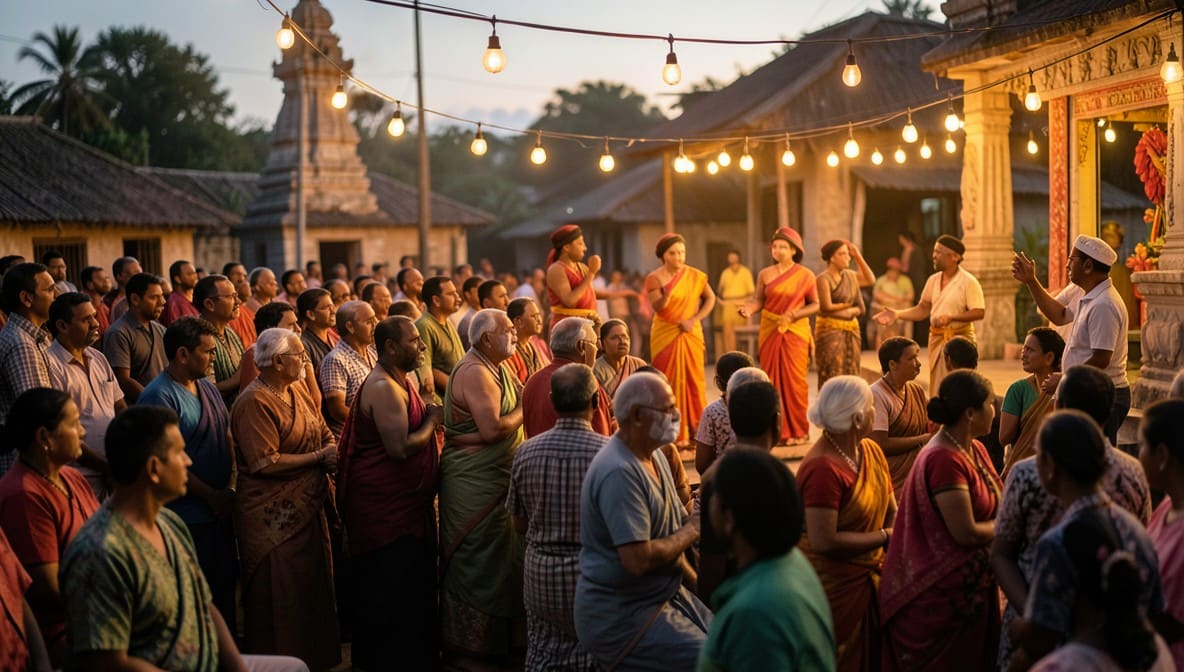
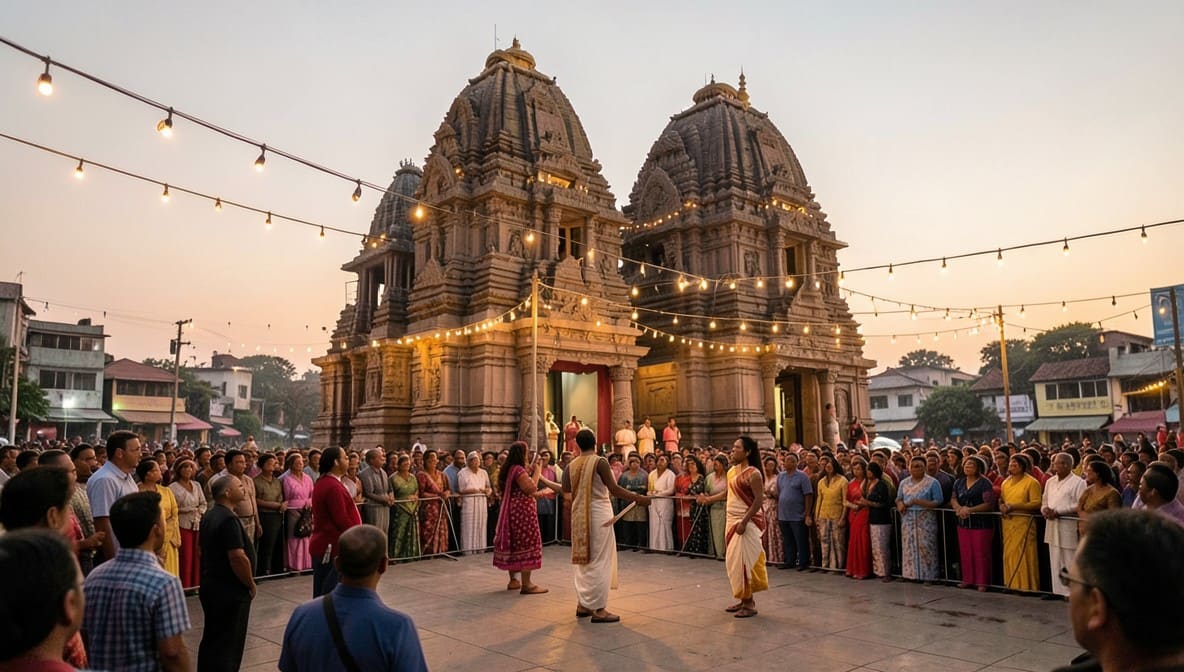
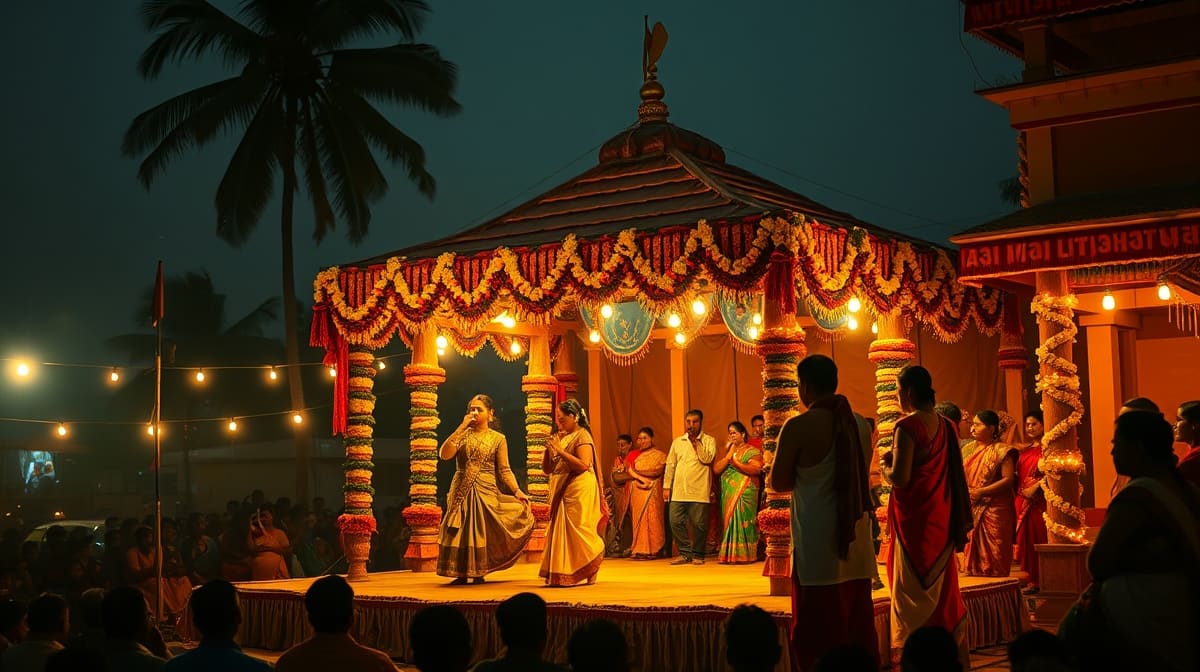
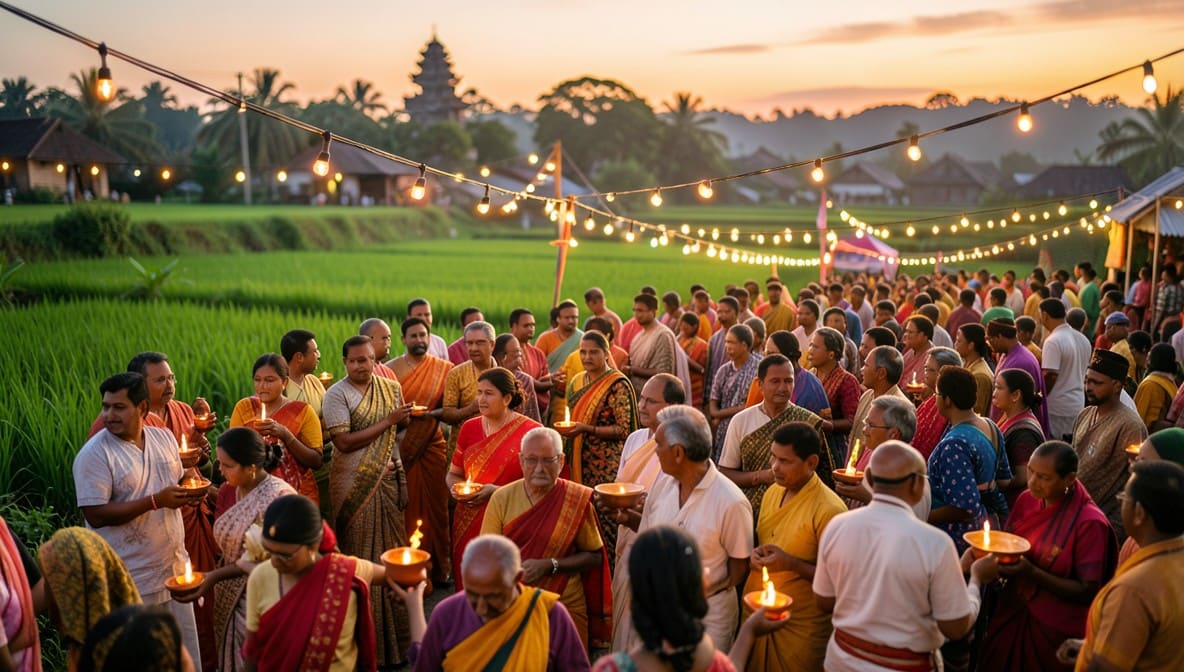
The petitioner, S. Durairaj, sought permission to conduct the traditional ritual known as 'Gramiya Themmangu Palsuvai Nigazhchigal' as part of the annual Arulmigu Sri Mandhaiamman Temple festival in Kalpulichanpatti Village, Usilampatti Taluk, Madurai District. The ritual, deeply rooted in local agrarian and devotional customs, involves community participation and is performed to seek blessings for agricultural prosperity and communal harmony.
On 24.03.2026, the 3rd respondent, Inspector of Police, Vikkiramangalam Police Station, issued an order prohibiting the conduct of this ritual, citing concerns that it might exhibit 'political colour'. The petitioner challenged this order through a writ petition under Article 226 of the Constitution.
Key Facts
- The ritual 'Gramiya Themmangu Palsuvai Nigazhchigal' has been conducted annually for decades without incident.
- The petitioner submitted a written undertaking on 20.03.2026, explicitly stating that the ritual would not involve any political slogans, symbols, or references.
- The undertaking was accepted by the police authorities as part of the application process.
- No specific evidence or intelligence was produced by the police to substantiate the claim of potential political content.
- The festival is scheduled for 01.04.2026, with the impugned order issued just one week prior.
Procedural History
- 20.03.2026: Petitioner submits written undertaking to the 3rd respondent, assuring no political content in the ritual.
- 24.03.2026: 3rd respondent issues order prohibiting the ritual on grounds of possible political colour.
- 25.03.2026: Writ Petition W.P.Crl.(MD) No.1679 of 2026 filed before the Madurai Bench of Madras High Court.
- 25.03.2026: Hearing conducted and judgment delivered on the same day.
The Parties' Positions
Petitioner: Argued that the ritual is a purely religious-cultural practice, protected under Article 25 of the Constitution. The written undertaking eliminated any legitimate basis for restriction. The police order was arbitrary, disproportionate, and violative of fundamental rights.
Respondents: Initially resisted the petition but conceded during hearing that no concrete evidence of political intent existed. The Government Advocate acknowledged the undertaking and agreed that the prohibition lacked legal basis.
Relief Sought
The petitioner sought:
- Quashing of the impugned order dated 24.03.2026
- Direction to the respondents to permit the conduct of 'Gramiya Themmangu Palsuvai Nigazhchigal' on 01.04.2026
- Assurance that police may intervene only if actual political content emerges during the event
The Legal Issue
The central question was whether police authorities may prohibit a traditional religious-cultural ritual based solely on speculative concerns of political content, without any concrete evidence or prior incident, when a clear undertaking against political use has been given.
Arguments Presented
For the Petitioner
The petitioner’s counsel relied on Shayara Bano v. Union of India and Indian Young Lawyers Association v. State of Kerala to assert that Article 25 protects not only doctrinal religious practices but also culturally embedded rituals integral to community identity. The written undertaking rendered the police’s apprehension speculative and legally insufficient. The order violated the principles of proportionality and least restrictive means under Article 19(1)(a) and Article 21.
For the Respondent
The Government Advocate conceded that no intelligence, complaint, or prior instance of political misuse had been recorded. He acknowledged that the undertaking provided a sufficient safeguard and that the prohibition was not grounded in any statutory provision or judicial precedent.
The Court's Analysis
The Court observed that the right to practice religion under Article 25 includes the right to perform rituals that are essential and traditional to the faith or community. The police’s action was not based on any statutory power to regulate religious events but on subjective apprehension.
"The mere apprehension of political colour, without any tangible evidence or past conduct, cannot override the fundamental right to conduct a centuries-old cultural ritual, especially when a binding undertaking has been furnished."
The Court emphasized that the state’s duty is to protect such practices, not to preemptively suppress them on suspicion. The undertaking provided a clear, enforceable condition: if political content emerges, police may intervene under existing law. To prohibit the event outright was an overreach.
The Court further noted that the timing of the order - issued just one day before the festival - exacerbated its arbitrariness and caused undue hardship to the community.
The Verdict
The writ petition is allowed. The impugned order dated 24.03.2026 is quashed insofar as it prohibits the conduct of 'Gramiya Themmangu Palsuvai Nigazhchigal'. The petitioner is permitted to conduct the ritual on 01.04.2026 during the Arulmigu Sri Mandhaiamman Temple festival in Kalpulichanpatti Village. The respondents are at liberty to intervene only if the event exhibits actual political content, in which case appropriate legal action may be taken under existing statutes.
What This Means For Similar Cases
Religious Rituals Cannot Be Suppressed on Speculation
- Practitioners must challenge police orders banning cultural-religious events where no prior incident or concrete evidence exists
- Written undertakings against political use constitute a legally recognized safeguard
- Courts will apply strict scrutiny to restrictions on Article 25 rights absent objective grounds
Police Must Distinguish Between Risk and Prejudice
- Authorities cannot rely on vague notions of 'political colour' to justify restrictions
- Any intervention must be based on specific, actionable intelligence, not community stereotypes
- Proportionality requires that the least restrictive measure be adopted - here, monitoring rather than prohibition
Cultural Identity Is Protected Under Constitutional Liberty
- Traditional rituals tied to religious festivals are protected even if they lack formal doctrinal status
- Courts recognize the role of cultural continuity in sustaining community identity
- Denial of such practices on speculative grounds undermines pluralism and constitutional secularism