The Jharkhand High Court has affirmed that the constitutional guarantee of life under Article 21 includes the right to timely, specialized medical care for burn victims. In a landmark public interest litigation, the Court held that the State’s failure to operationalize sanctioned burn units across district hospitals constitutes a systemic violation of fundamental rights, and issued binding directives to ensure immediate and comprehensive reform.
Background & Facts
The Dispute
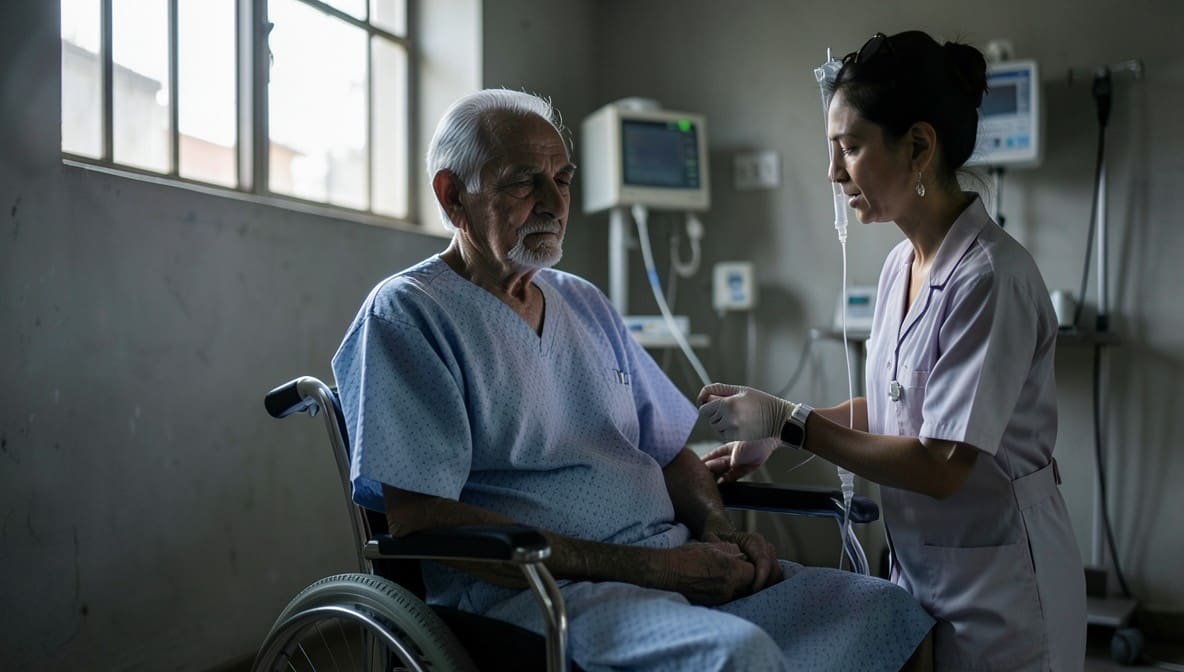
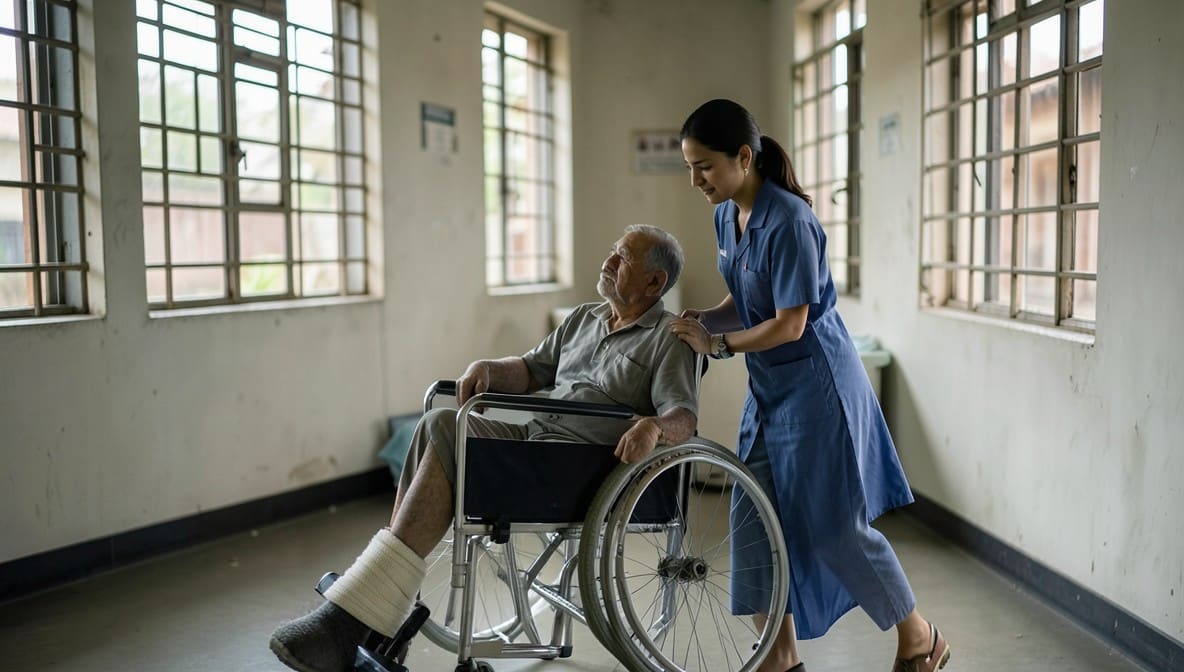
The petitioner, Onkar Vishwakarma, filed a writ petition under Article 226 of the Constitution seeking redress for the tragic consequences of a kerosene fire in Hazaribagh in 2021. The incident, allegedly caused by the distribution of adulterated kerosene with a flash point of 13.5°C - far below the safety standard of 35°C - resulted in four deaths and approximately fifteen severe burn injuries, including permanent facial disfigurement. The victims were admitted to Sadar Hospital, Hazaribagh, which lacked a functional burn unit, forcing them to be treated in general wards without specialized care.
Key Facts
- The kerosene supplied through the Public Distribution System was tested and found to be highly inflammable, with laboratory reports from Indian Oil Corporation confirming the dangerous flash point.
- Four persons died, including a two-year-old child and an elderly woman.
- Fifteen others suffered grievous burns, many requiring long-term rehabilitation.
- Essential medicines were not available at Sadar Hospital, forcing families to procure them from the open market.
- Annexure 3 to the petition contained official lab reports; Annexure 4 contained photographs of the injured.
- The petitioner alleged that repeated representations to district officials and hospital authorities yielded no response.
Procedural History
- 2021: Kerosene fire incident in Hazaribagh.
- 2021: FIR registered as Mufassil P.S. Case No. 45/2021.
- 2021: Writ Petition (PIL) No. 920 of 2021 filed before the Jharkhand High Court.
- 22.07.2025: Court observed that no specialized burn ward existed in any government hospital in Jharkhand and refused to dismiss the PIL despite non-appearance of counsel.
- 24.09.2025: Court examined the State’s counter-affidavit and found discrepancies in reported burn unit capacities and staffing.
- 12.03.2026: State filed a supplementary affidavit claiming all 24 districts had operational burn units, supported by Annexure-I.
- 01.04.2026: Judgment delivered after scrutiny revealed Annexure-I listed only 22 units and contained duplicate entries, contradicting CAG audit findings.
The Underlying Transaction
The State had sanctioned funds under the National Programme for Prevention & Management of Burn Injuries (NPPMBI) during the 12th Five-Year Plan (2012 - 2017) to construct 24 ten-bedded burn units in district hospitals at Rs. 1.35 crore each. Of these, 20 units were completed between September 2015 and January 2017. However, the Comptroller and Auditor General’s 2021 Performance Audit found that none of these units were functional due to non-procurement of equipment, lack of staffing, and absence of maintenance.
Procedural History
- 2014: Sanction of 24 burn units under NPPMBI.
- 2016: Four units dropped from the plan.
- 2017: 20 units completed structurally but not operationalized.
- 2021: CAG audit exposed non-functionality of all 20 units.
- 2021: Kerosene fire incident in Hazaribagh.
- 2021: Writ petition filed.
- 22.07.2025: Court took suo motu cognizance of systemic failure.
- 24.09.2025: Court directed supplementary affidavit.
- 12.03.2026: State submitted misleading Annexure-I.
- 01.04.2026: Judgment delivered.
Relief Sought
The petitioner sought:
- Immediate transfer of burn victims to RIMS Ranchi or functional burn units.
- Free medical treatment including medicines.
- Compensation of Rs. 50,00,000 to legal heirs of deceased.
- Compensation of Rs. 35,00,000 to those with permanent disability.
- Compensation of Rs. 25,00,000 to those with facial disfigurement.
The Parties' Positions
Petitioner: Argued that the State’s failure to operationalize burn units violated Article 21, citing Rudul Sah, Nilabati Behera, and Paschim Banga Khet Mazdoor Samity. Emphasized that the kerosene tragedy was symptomatic of a state-wide collapse in emergency burn care.
Respondents: Initially failed to appear. Later submitted affidavits claiming all burn units were functional, but provided incomplete, inconsistent, and unverified data. Did not dispute the CAG audit findings or the absence of trained personnel.
The Legal Issue
The central question was whether the State’s failure to operationalize constitutionally mandated burn care infrastructure, despite sanctioned funds and policy guidelines, constitutes a violation of the Right to Health under Article 21 of the Constitution.
Arguments Presented
For the Petitioner
The petitioner relied on Rudul Sah v. State of Bihar, Nilabati Behera v. State of Orissa, and Paschim Banga Khet Mazdoor Samity v. State of West Bengal to argue that the State’s duty to provide emergency medical care is non-negotiable. The absence of functional burn units, even after years of funding and policy formulation, rendered the right to life illusory. The petitioner emphasized that burn injuries require time-sensitive, specialized care, and treating patients in general wards is a constitutional breach. The NPPMBI guidelines were presented as binding standards, not aspirational goals.
For the Respondent
The State, through its supplementary affidavit, claimed all 24 districts had operational burn units. However, it provided no verifiable evidence of staffing, equipment, or daily functionality. It did not contest the CAG audit findings or explain the discrepancy between sanctioned infrastructure and actual availability. The State offered no defense for the absence of trained personnel or the non-procurement of equipment.
The Court's Analysis
The Court conducted a rigorous examination of constitutional jurisprudence, statutory obligations, and administrative accountability. It rejected the State’s claim of compliance as a “paper-based” exercise, noting that infrastructure without staffing, equipment, or protocols is meaningless.
"In a welfare State, the constitutional mandate of providing effective medical care cannot be satisfied by the mere existence of buildings if they lack the life-saving machinery and trained manpower essential for treating specialised trauma such as burn injuries."
The Court emphasized that the Right to Health is not a derivative right but an intrinsic component of Article 21, as affirmed in Consumer Education and Research Centre v. Union of India and Parmanand Katara v. Union of India. The denial of timely burn care, where every minute affects survival and recovery, is tantamount to a denial of life itself.
The Court distinguished between policy intent and operational reality. While the State had allocated funds and constructed buildings, it had failed to implement the NPPMBI Operational Guidelines, which are not mere suggestions but constitute a Standard of Care voluntarily adopted by the State. The CAG audit findings, corroborated by the State’s own data, proved systemic neglect.
The Court also noted the gendered impact of burn injuries, citing WHO data showing women aged 15 - 49 are three times more likely to suffer fatal burns in India. This reinforced the State’s obligation under Article 14 and 15 to ensure equitable access to life-saving care.
The Court rejected the petitioner’s specific monetary claims as premature, given the ongoing criminal trial under Mufassil P.S. Case No. 45/2021. However, it affirmed that victims retain the right to compensation under Section 357-A of the CrPC and Section 396 of the Bharatiya Nagarik Suraksha Sanhita, 2023, and directed the District Legal Services Authority to facilitate their access.
The Verdict
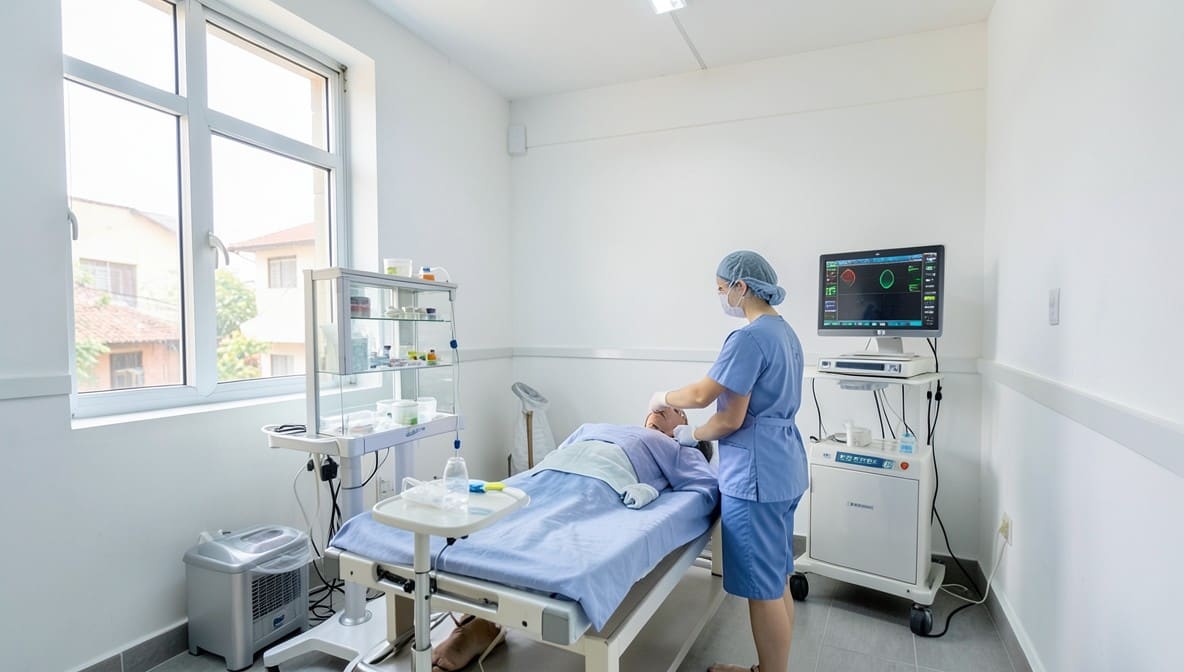
The petitioner succeeded on the core constitutional issue. The Court directed the State Government to make dedicated burn units fully functional in all 24 district hospitals and government medical colleges within 120 days from the date of judgment. The units must be staffed with trained medical and paramedical personnel, equipped with essential medicines and infection-control infrastructure, and provide round-the-clock emergency care. Comprehensive training for staff must be completed within 90 days. A State Monitoring Committee, headed by the Principal Secretary (Health), must be constituted within four weeks and meet quarterly. The District Legal Services Authority, Hazaribagh, must identify victims and assist in filing compensation claims under Section 357-A, with decisions to be rendered within one month of court recommendations. The trial in Mufassil P.S. Case No. 45/2021 must conclude expeditiously.
What This Means For Similar Cases
Constitutional Duty Overrides Budgetary Constraints
- Practitioners must argue that financial limitations cannot excuse the State’s obligation to provide emergency medical infrastructure under Article 21.
- The Paschim Banga principle applies to all life-threatening conditions requiring time-sensitive care: trauma, stroke, cardiac arrest, and now burn injuries.
- Any government hospital denying specialized care due to lack of funds is in prima facie violation of the Constitution.
Policy Compliance Must Be Verified, Not Asserted
- Administrative affidavits claiming compliance must be backed by verifiable data: staffing rosters, equipment inventories, daily patient logs.
- Courts will cross-check claims with CAG audits, health department records, and independent reports.
- “Paper compliance” without operational reality will be struck down.
Victim Compensation Requires Proactive Facilitation
- Legal aid bodies must proactively identify victims of state-negligence cases, even if they lack legal representation.
- District Legal Services Authorities are now under a judicial mandate to assist in filing compensation claims under Section 357-A.
- Courts will set strict timelines for compensation decisions - failure to comply may attract contempt proceedings.