The Andhra Pradesh High Court has issued a nuanced order in a fatal assault case, declining anticipatory bail but imposing a temporary restraint on arrest to safeguard an accused’s right to education. This ruling carves out a pragmatic exception to rigid bail jurisprudence by recognizing academic exigency as a compelling factor in procedural fairness.
Background & Facts
The Dispute
The petitioner, Dadam Babu Reddy, a 21-year-old engineering student, is accused in Crime No. 20 of 2026 registered at B. Kothakota Urban Police Station, Annamayya District, for offences under Sections 103(1) and 115(2) read with Section 3(5) of the Bharatiya Nyaya Sanhita, 2023. The case arises from a violent altercation between two families over access to a shared pathway for sheep grazing.
Key Facts
- The incident occurred on 21.02.2026 at approximately 7:30 a.m. near the disputed pathway
- The deceased, father of the de facto complainant, was assaulted with sticks by Accused No. 1 and the petitioner (Accused No. 2)
- The deceased sustained head injuries and succumbed to them on 26.02.2026 while undergoing treatment
- A counter case, Crime No. 23 of 2026, has been registered against the de facto complainant and his family members
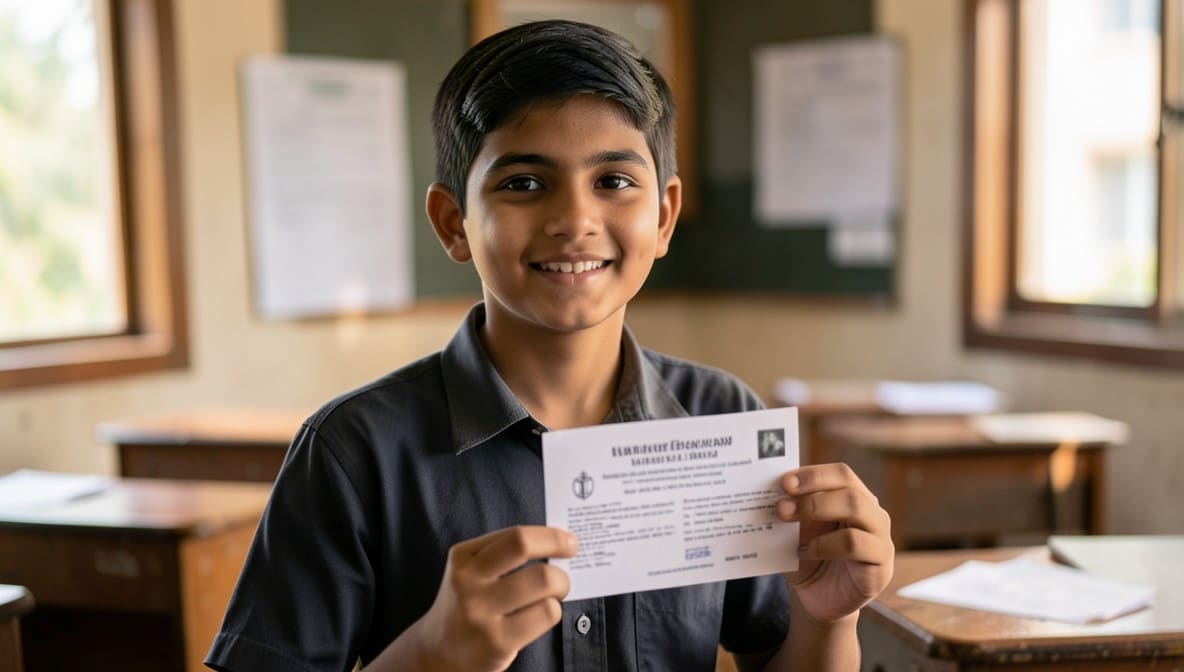
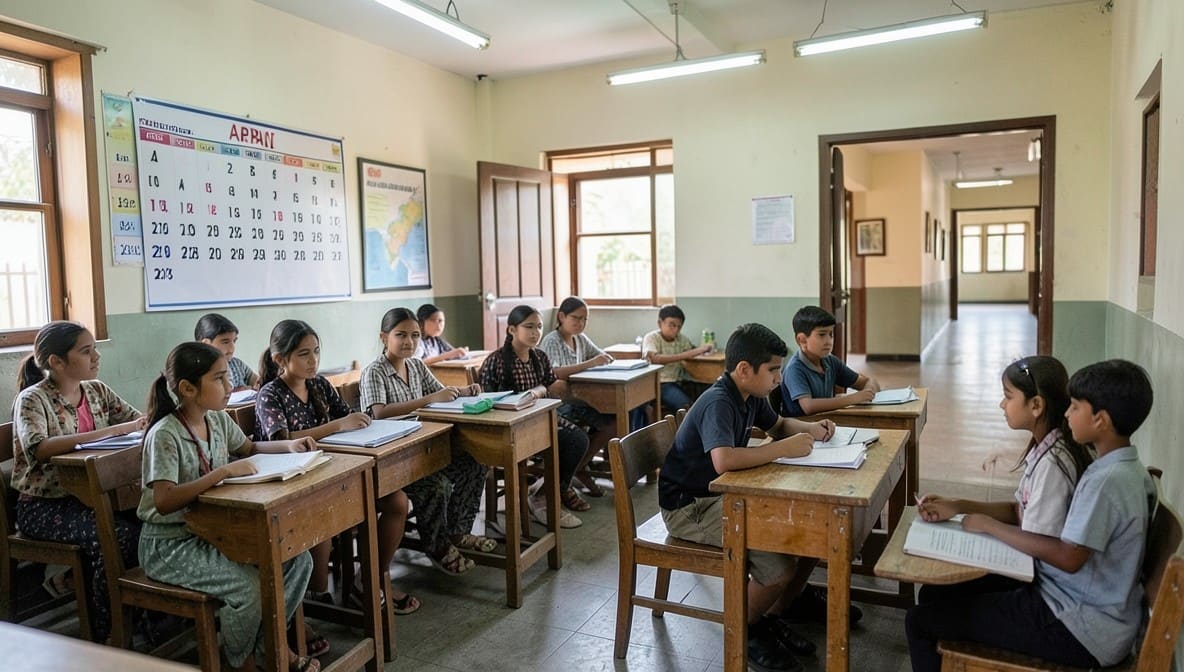
- The petitioner is currently enrolled in B.Tech III Year, II Semester at an engineering college
- The petitioner’s examinations are scheduled to commence shortly after the date of this order
- Accused No. 1 and other co-accused have already been released on regular bail
Procedural History
- 21.02.2026: Alleged assault and subsequent death of the deceased
- 26.02.2026: Death of the deceased; FIR registered as Crime No. 20 of 2026
- 17.04.2026: Criminal Petition No. 2459/2026 filed under Section 482 of the Bharatiya Nagarik Suraksha Sanhita, 2023 seeking anticipatory bail
- 17.04.2026: Hearing conducted before Dr. Justice Venkata Jyothirmai Pratapa
The Parties' Positions
For the Petitioner: The petitioner is an innocent engineering student with no prior criminal record. He asserts that the dispute is rooted in a civil land access conflict. His academic future is at stake, as he is due to appear for his B.Tech III Year II Semester examinations. He argues that arrest would irreparably harm his career and that co-accused have already been granted bail.
For the Respondent: The prosecution contends that the petitioner was present at the scene and committed a specific overt act - striking the deceased on the head with a stick. The nature of the offence, involving grievous hurt leading to death, is serious and non-bailable. Granting anticipatory bail would undermine the integrity of the investigation and the gravity of the charge.
Relief Sought
The petitioner seeks anticipatory bail under Section 482 of the Bharatiya Nagarik Suraksha Sanhita, 2023, to prevent arrest until after the completion of his B.Tech III Year II Semester examinations.
The Legal Issue
Can a court, while declining anticipatory bail in a serious non-bailable offence, impose a temporary restraint on arrest to protect an accused’s right to education under Article 21 of the Constitution?
Arguments Presented
For the Petitioner
The petitioner’s counsel relied on the principle that personal liberty under Article 21 includes the right to pursue education. He emphasized that the petitioner is a first-time offender, the dispute has civil underpinnings, and a counter case exists. He cited Arnesh Kumar v. State of Bihar to argue against automatic arrest and highlighted that the petitioner’s detention would cause disproportionate harm to his future, especially when co-accused are already on bail.
For the Respondent
The Assistant Public Prosecutor contended that Section 103(1) and 115(2) of the Bharatiya Nyaya Sanhita, 2023, read with Section 3(5), attract punishment of up to life imprisonment, making the offence grave and non-bailable. The prosecution stressed that the petitioner’s presence at the scene and participation in the assault are clearly alleged, and that the court must not interfere with the investigation at this stage. The seriousness of the crime, they argued, outweighs any claim of academic hardship.
The Court's Analysis
The Court acknowledged the gravity of the allegations: the petitioner is accused of participating in a fatal assault with a weapon, resulting in death. The Court found that specific overt acts were attributed to him, and the nature of the offence under the Bharatiya Nyaya Sanhita, 2023, warranted serious judicial scrutiny. The Court held that the threshold for granting anticipatory bail under Section 482 had not been met, particularly given the severity of the charge.
"This Court finds that specific overt acts have been attributed to the Petitioner / Accused No.2 in the commission of the alleged offences."
However, the Court did not dismiss the petitioner’s plight as irrelevant. It recognized that the petitioner’s academic future - his right to pursue higher education - is a legitimate facet of personal liberty under Article 21. The Court noted that the examinations are imminent and that arrest at this precise juncture would cause irreversible harm to his career, with no corresponding benefit to the investigation.
The Court emphasized that its refusal to grant anticipatory bail does not imply a finding on the merits of the case. It further noted that the petitioner has no criminal antecedents and that the investigation remains ongoing. The Court concluded that a temporary, conditional restraint on arrest was a proportionate response to balance the competing interests of justice and individual rights.
The Verdict
The Criminal Petition was dismissed insofar as anticipatory bail was sought. However, the Court directed that the respondent police shall not take any coercive steps against the petitioner until the completion of his B.Tech III Year II Semester examinations. The petitioner is required to cooperate fully with the investigation and make himself available for interrogation whenever summoned by the Investigating Officer. The Court clarified that this order does not constitute any opinion on the merits of the case. All pending miscellaneous petitions are closed.
What This Means For Similar Cases
Academic Emergency Can Justify Temporary Non-Arrest
- Practitioners may now argue that imminent academic examinations, particularly in professional courses like engineering or medicine, constitute a compelling reason for temporary restraint on arrest
- This does not equate to anticipatory bail but creates a procedural pause under Section 482
- The order must be tied to verifiable academic schedules, not general claims of future disruption
Proportionality Trumps Automatic Arrest in Non-Bailable Cases
- Even in serious offences, courts may impose conditional non-arrest orders if the accused is a first-time offender and arrest would cause disproportionate harm
- The existence of a counter case and the release of co-accused on bail are relevant factors in assessing fairness
- This approach aligns with Arnesh Kumar v. State of Bihar by rejecting mechanical arrest and promoting judicial discretion
Investigative Integrity Must Be Preserved
- The petitioner must remain available for interrogation; the order is not a shield from investigation
- Failure to appear when summoned may result in immediate arrest and cancellation of the stay
- Courts will likely require written undertakings from petitioners to ensure compliance