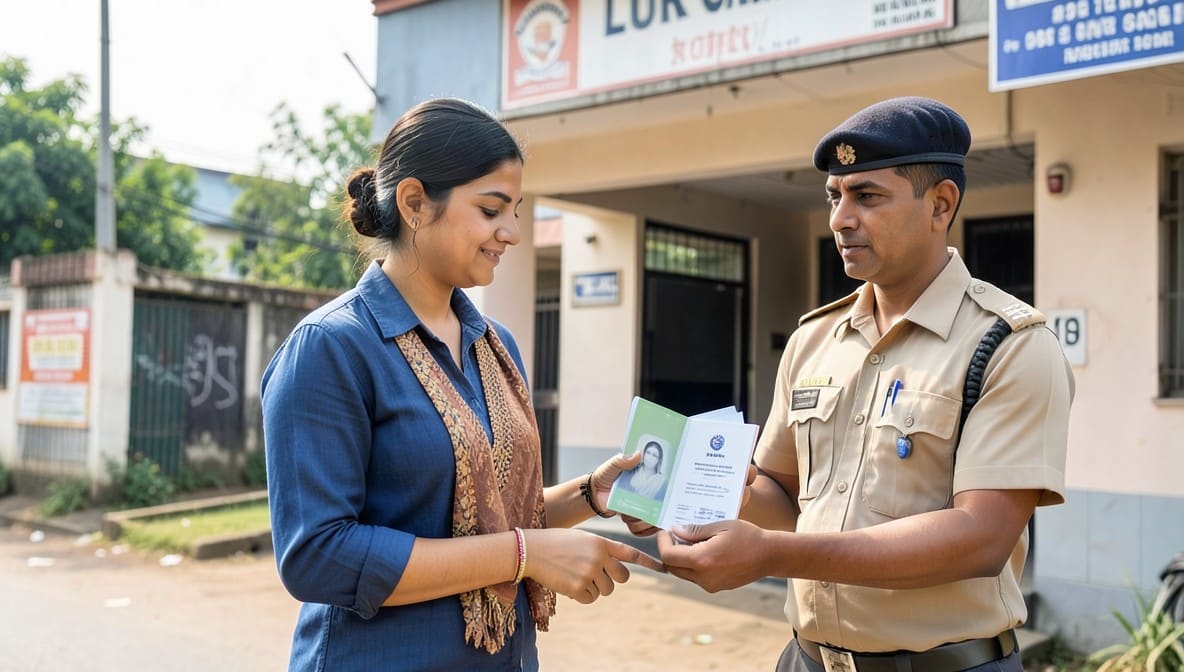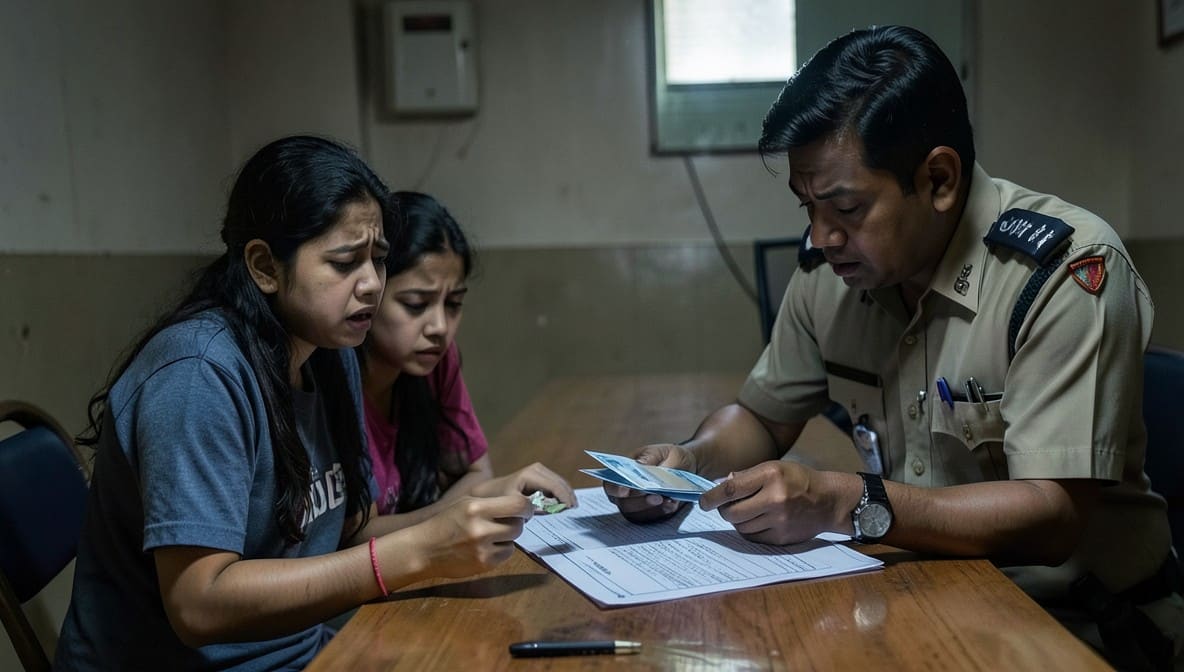
The Madhya Pradesh High Court, Gwalior Bench, has directed the Superintendent of Police, Ashoknagar to verify threats faced by a couple who married against familial opposition and provide protection if genuine risks exist. The judgment reinforces the constitutional right to police protection for couples in inter-caste marriages, while emphasizing procedural safeguards before granting such relief.
Background & Facts
The Dispute
The petitioners, Smt. Deepti Kushwah (petitioner No. 1) and her spouse (petitioner No. 2), approached the High Court under Article 226 of the Constitution seeking police protection. They alleged that after solemnizing their marriage of their own free will, they faced continuous threats, intimidation, and harassment from the family members of petitioner No. 1, who strongly opposed the union. The petitioners contended that these threats posed a serious risk to their life, liberty, and dignity.
Key Facts
- The petitioners claimed to have married voluntarily, without coercion
- Family members of petitioner No. 1 opposed the marriage and allegedly subjected the couple to threats and intimidation
- Both petitioners are majors, as evidenced by their Aadhar cards and marksheets submitted before the Court
- The petitioners sought directions to the Superintendent of Police, Ashoknagar to ensure their protection
- The dispute arose in Ashoknagar district, Madhya Pradesh
Procedural History
- 2026: Writ Petition No. 15525 of 2026 filed before the Madhya Pradesh High Court, Gwalior Bench
- 29.04.2026: The High Court disposed of the petition with directions to the police
Relief Sought
The petitioners sought:
- Police protection from threats posed by family members
- Expeditious verification of their grievances by the Superintendent of Police, Ashoknagar
- Appropriate protective measures if a genuine threat was established
The Legal Issue
The central question was whether Article 226 of the Constitution empowers the High Court to direct police protection for couples facing threats due to inter-caste marriages, and if so, what procedural safeguards must precede such relief.
Arguments Presented
For the Petitioners
- Relied on Lata Singh v. State of U.P. & Another, (2006) 5 SCC 475, where the Supreme Court held that inter-caste marriages are a part of the right to life and liberty under Article 21
- Cited Shakti Vahini v. Union of India & Others, (2018) 7 SCC 192, where the Supreme Court directed state authorities to provide protection to couples facing threats due to inter-caste marriages
- Argued that both petitioners are majors and entitled to constitutional protection against familial harassment
- Contended that continuous threats justified immediate police intervention
For the Respondent/State
- Submitted that if the petitioners approach the concerned police authorities, appropriate action shall be taken in accordance with law
- Did not dispute the legal right to protection but emphasized procedural verification before granting relief
The Court's Analysis
The Court acknowledged the constitutional dimensions of the case, particularly the right to life and liberty under Article 21 and the right to marry a person of one's choice as established in Lata Singh and Shakti Vahini. However, it emphasized the need for procedural safeguards before directing police protection:
"The Superintendent of Police, Ashoknagar shall first verify the factum of marriage, the age of the petitioners, and the existence of any real threat perception. Upon such verification, if it is found that there exists a genuine threat to the life or liberty of the petitioners, appropriate protective measures shall be taken in accordance with law."
The Court clarified that its order did not express any opinion on the validity or legality of the marriage, focusing solely on the threat perception and the state's duty to protect.
The Verdict
The Court disposed of the writ petition with the following directions:
- The Superintendent of Police, Ashoknagar must verify the following:
- The factum of marriage between the petitioners
- The age of the petitioners (to confirm they are majors)
- The existence of a genuine threat to their life or liberty
- If verification confirms a real threat, the police must provide appropriate protection in accordance with law
- The Court did not adjudicate the validity of the marriage
- The writ petition was disposed of with the above directions
What This Means For Similar Cases
Police Protection Is Not Automatic
- Verification is mandatory: Courts will not grant police protection solely based on allegations. The threat perception must be verified by the police before any protective measures are taken
- Procedural compliance: Petitioners must cooperate with verification processes, including submitting proof of marriage and age
- Burden of proof: The petitioners bear the initial burden of establishing a genuine threat, failing which relief may be denied
Right to Marry vs. Right to Protection
- The judgment reaffirms the right to marry a person of one's choice as a fundamental right under Article 21, following Lata Singh and Shakti Vahini
- However, it distinguishes between the right to marry and the right to protection, holding that the latter is conditional on verification
- Practitioners must argue: While the right to marry is absolute, the right to police protection is not self-executing and requires factual corroboration
Implications for State Authorities
- Police discretion: The judgment empowers police authorities to verify threats before acting, preventing misuse of protection orders
- State's duty: Once a genuine threat is established, the state must provide protection, reinforcing its positive obligation under Article 21
- Judicial oversight: High Courts may monitor compliance with verification directions, ensuring accountability in protection cases