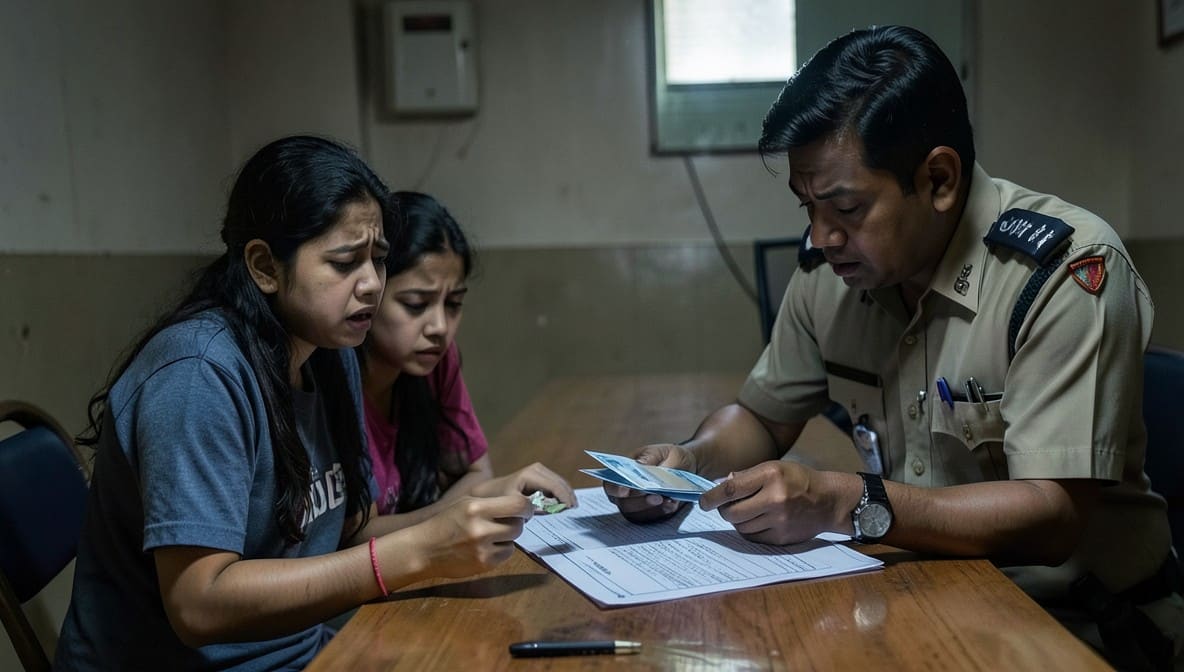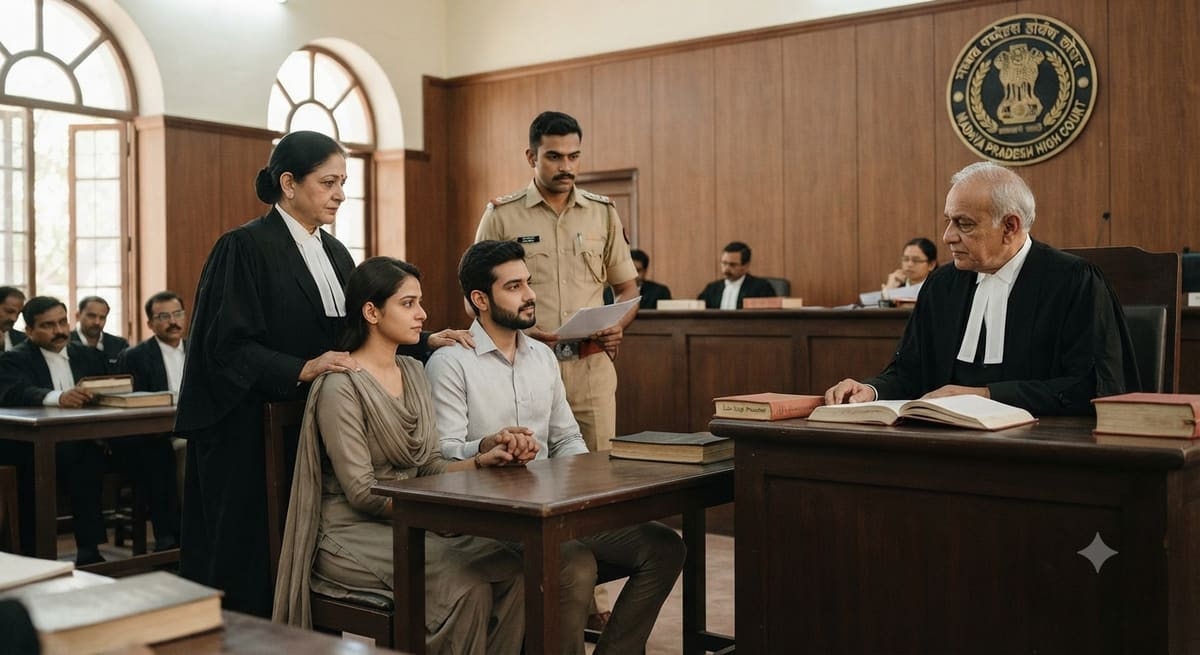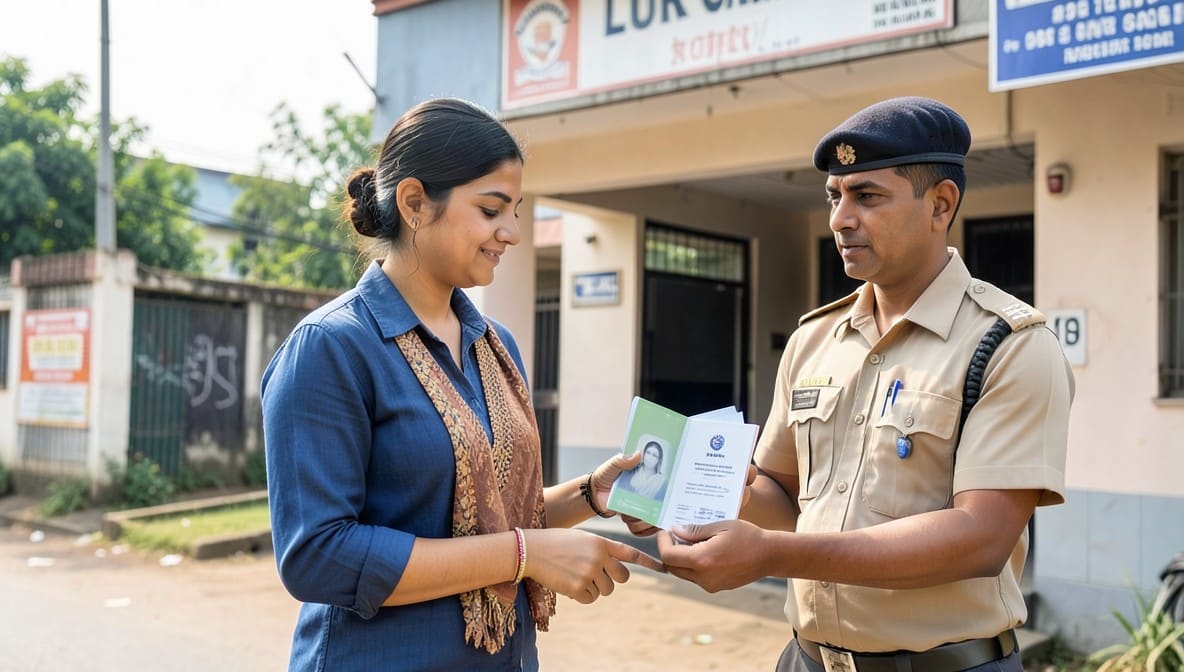
In a significant affirmation of personal liberty, the Madhya Pradesh High Court has directed the Superintendent of Police, Indore, to provide immediate protection to a couple facing harassment from family members due to their voluntary marriage. The Court relied on landmark Supreme Court judgments to hold that adults entering into wedlock voluntarily are entitled to police protection against threats to their life and liberty, regardless of societal objections.
Background & Facts
The Dispute
The petitioners, Divyanshi and another individual (names not fully disclosed in the judgment), filed a writ petition before the Madhya Pradesh High Court seeking police protection. They alleged that their family members were harassing them on account of their voluntary marriage, which had been entered into despite objections from their families. The petitioners contended that they were major at the time of marriage and had exercised their constitutional right to marry a person of their choice.
Key Facts
- The petitioners claimed to be major and provided documentary evidence to support their age:
- Aadhar Cards
- Mark sheets
- Birth certificates
- They submitted a marriage certificate and marriage photographs to prove the validity of their marriage.
- The petitioners apprehended threat to their life from family members due to objections to their marriage.
- The writ petition was filed under Article 226 of the Constitution of India seeking police protection.
Procedural History
- 24.06.2026: Writ Petition No. 21130 of 2026 filed before the Madhya Pradesh High Court, Indore Bench.
- The petitioners sought immediate police protection and relied on Supreme Court precedents to support their claim.
Relief Sought
The petitioners sought the following reliefs:
- Police protection to safeguard their life and liberty.
- Directions to the Superintendent of Police, Indore, to record their statements and take necessary action if threats were substantiated.
- Permission to approach the nearest police station in case of emergency.
The Legal Issue
The central question before the Court was whether adults who have entered into a voluntary marriage are entitled to police protection when facing harassment or threats from family members or society, particularly in cases involving inter-caste or inter-religious marriages.
Arguments Presented
For the Petitioners
- The petitioners argued that they were major and had exercised their fundamental right to marry under Article 21 of the Constitution of India.
- They relied on the Supreme Court judgment in Lata Singh v. State of U.P. (AIR 2006 SC 2522), which held that adults have the right to marry a person of their choice and are entitled to police protection if threatened.
- They contended that the harassment by family members violated their right to life and personal liberty.
For the Respondents/State
- The State, represented by the Panel Lawyer, did not contest the petitioners' claim for police protection.
- The State was directed to ensure compliance with the Court's order and provide protection if threats were established.
The Court's Analysis
The Court examined the petitioners' claim in light of constitutional principles and Supreme Court precedents.
"If the petitioners are major and have entered into the marriage voluntarily, then they should not be harassed by any one just because they have objection with their marriage. In order to avoid any harassment, the petitioners are certainly entitled for Police protection."
The Court relied on the following key judgments:
-
Lata Singh v. State of U.P. (AIR 2006 SC 2522): The Supreme Court held that adults have the right to marry a person of their choice and are entitled to police protection if threatened or harassed due to their marriage.
-
Shakti Vahini v. Union of India ((2018) 7 SCC 192): The Supreme Court directed state authorities to prevent honor crimes and provide protection to couples facing threats due to inter-caste or inter-religious marriages.
The Court observed that the right to marry is a facet of personal liberty under Article 21 of the Constitution and that state authorities are duty-bound to protect individuals exercising this right. The Court further emphasized that harassment or threats to couples on account of their marriage cannot be tolerated and must be dealt with promptly and effectively.
The Verdict
The Court disposed of the writ petition with the following directions:
- The petitioners were directed to approach the Superintendent of Police, Indore, along with their documents relating to age proof and marriage to record their statements.
- The petitioners were permitted to approach the nearest police station in case of emergency.
- The Superintendent of Police/SHO was directed to take immediate action if threats to the petitioners' life were established, in accordance with the directions issued by the Supreme Court in Shakti Vahini v. Union of India.
- A copy of the order was directed to be supplied to the Government Advocate, who was further directed to communicate the order to the Superintendent of Police, Indore, for prompt compliance.
What This Means For Similar Cases
Protection for Voluntary Marriages
This judgment reinforces the principle that adults entering into voluntary marriages are entitled to police protection if they face threats or harassment. Practitioners should note:
- State authorities cannot refuse protection on the ground that the marriage is inter-caste, inter-religious, or otherwise objectionable to society or family members.
- Documentary evidence (Aadhar Card, birth certificate, marriage certificate) is crucial to establish age and validity of marriage.
Duty of Police Authorities
- Police authorities are legally bound to record statements of couples seeking protection and take immediate action if threats are substantiated.
- Failure to provide protection may result in contempt of court or writ petitions against the concerned authorities.
Broader Implications for Personal Liberty
- The judgment underscores that personal liberty under Article 21 includes the right to marry a person of one's choice without fear of harassment.
- Courts are likely to intervene in cases where state authorities fail to protect couples facing threats due to their marriage.
- Practitioners should cite this judgment in cases involving honor crimes, forced marriages, or harassment of couples exercising their right to marry.