The denial of electricity to a household due to a private dispute over property ownership, particularly when residents are physically disabled and have no alternative means of access, constitutes a violation of the fundamental right to life under Article 21. The Punjab and Haryana High Court has unequivocally held that electricity is not a mere commodity but a basic necessity essential for human dignity and survival.
Background & Facts
The Dispute
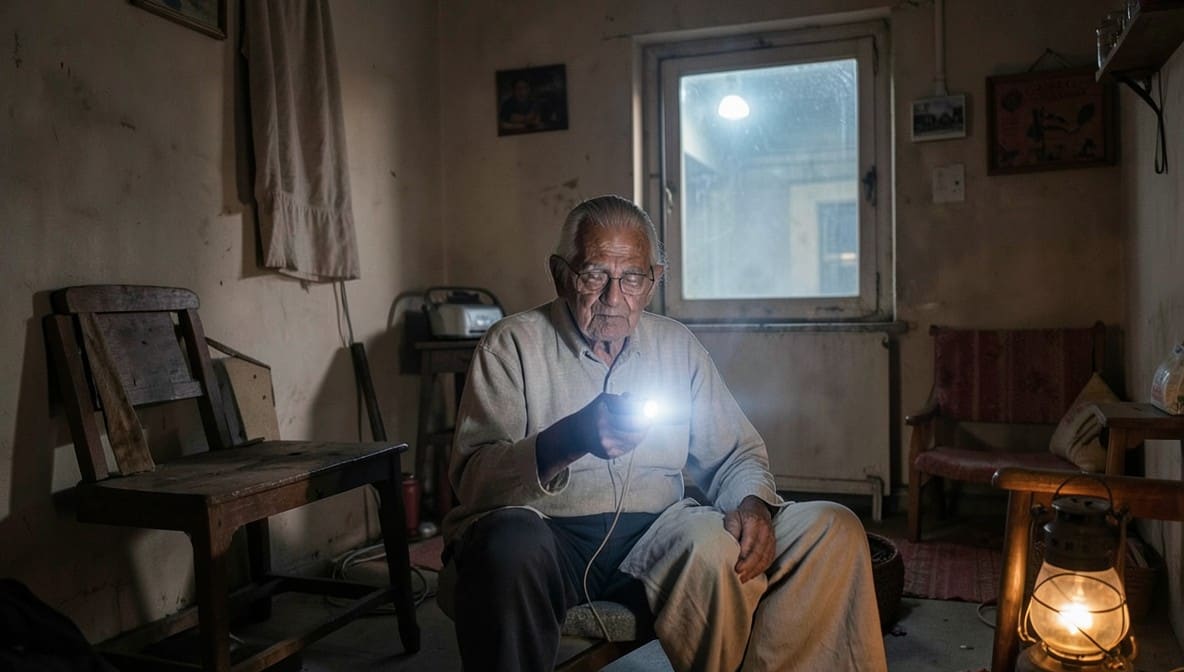
The petitioners, including Sulekha and others, sought the release of an electricity connection at their residence in Haryana. The connection had been originally registered in the name of respondent No.5, who is the father-in-law of petitioner No.1. Following the filing of an FIR under the POCSO Act, 2012 against respondent No.5, the power supply to the premises was deliberately disconnected. The petitioners, who have been residing at the location for years, were left without electricity for five months despite repeated applications for reconnection.
Key Facts
- Petitioner No.1 and her husband suffer from physical disabilities of 85% and 60% respectively
- The electricity connection was disconnected by respondent No.5 after an FIR was lodged against him under the POCSO Act, 2012
- The petitioners submitted an application for a new electricity connection on or before 30.12.2025
- The electricity distribution authority rejected the application vide order dated 30.12.2025 on the ground of lack of ownership or lease documents
- The petitioners have been residing at the premises continuously and have paid all outstanding electricity dues
- The property is owned by respondent No.5, who is the father-in-law of petitioner No.1
- No alternative accommodation or source of electricity is available to the petitioners
Procedural History
- 30.12.2025: Electricity connection application rejected by the respondent authority
- 17.02.2026: Writ petition filed under Articles 226 and 227 of the Constitution of India
- 17.02.2026: Court issued interim direction: respondents to obtain documents from petitioners and release electricity connection on or before next date of hearing
- 05.03.2026: Hearing adjourned for respondents to obtain instructions
- 20.04.2026: Final hearing and judgment delivered
Relief Sought
The petitioners sought: (1) quashing of the order dated 30.12.2025 rejecting their electricity connection application; (2) immediate release of electricity connection without insisting on ownership or lease documents; (3) direction to treat their existing application as valid and complete.
The Legal Issue
The central question was whether the denial of electricity connection on the ground of absence of ownership or lease documents, while the applicant is a long-term resident and has cleared all dues, violates the fundamental right to life under Article 21 of the Constitution of India.
Arguments Presented
For the Petitioner
Counsel argued that electricity is indispensable for daily living, especially for persons with disabilities. The disconnection was not due to non-payment or technical reasons but was a retaliatory act stemming from a criminal case against the property owner. The petitioners have no legal recourse to compel the owner to provide documents, and the state utility cannot use private disputes to deprive citizens of a basic necessity. Reliance was placed on Justice K.S. Puttaswamy v. Union of India to affirm that access to essential services is integral to dignity under Article 21.
For the Respondent
The Deputy Advocate General contended that the electricity distribution rules require proof of ownership or tenancy to issue a new connection. Without such documents, the utility cannot legally transfer liability or assume risk of future disputes. The respondent argued that the petitioners should resolve the ownership dispute civilly or seek alternative remedies.
The Court's Analysis
The Court rejected the argument that procedural compliance can override fundamental rights. It observed that the petitioners are not seeking to usurp ownership but merely to access a service they have been using and paying for. The Court emphasized that the state, as a duty-bearer under Article 21, cannot permit private vendettas to deprive vulnerable citizens of essential utilities.
"In the present era, it is very difficult to survive without electricity. It is a basic necessity and part of fundamental rights guaranteed by Article 21 of the Constitution of India."
The Court noted that the petitioners had paid all outstanding dues and had no other source of power. The refusal to provide connection on technical grounds, while ignoring the humanitarian and constitutional dimensions, amounted to arbitrariness under Article 14. The Court further held that the utility’s insistence on ownership documents was unreasonable when the applicant is a bona fide occupant and the dispute lies between the occupant and the owner.
The Verdict
The petition succeeded. The Court set aside the order dated 30.12.2025 and directed the electricity distribution authority to provide a temporary electricity connection to the petitioners within one week from the date of judgment. The authority was directed not to insist on ownership or lease documents and to process the existing application without requiring a fresh submission. The connection shall be provided subject to payment of applicable charges.
What This Means For Similar Cases
Electricity Is Not a Privilege But a Right
- Practitioners can now invoke Article 21 to challenge denial of electricity where the applicant is a long-term resident and has cleared dues
- Denial on grounds of disputed ownership, without alternative accommodation, is arbitrary and unconstitutional
- Utilities must prioritize human dignity over procedural formalities in cases involving vulnerable persons
State Cannot Be a Bystander in Private Disputes
- Public utilities cannot use private disputes as justification to deprive citizens of essential services
- The state has a positive obligation under Article 21 to ensure access to basic utilities even when third-party conflicts exist
- Courts may intervene to provide interim relief without waiting for resolution of underlying civil disputes
Procedural Flexibility for Vulnerable Groups
- Persons with disabilities, elderly, or economically disadvantaged applicants are entitled to relaxed documentation norms for essential services
- Temporary connections may be granted pending resolution of title disputes
- Utilities must adopt a rights-based approach, not a bureaucratic one, in service delivery