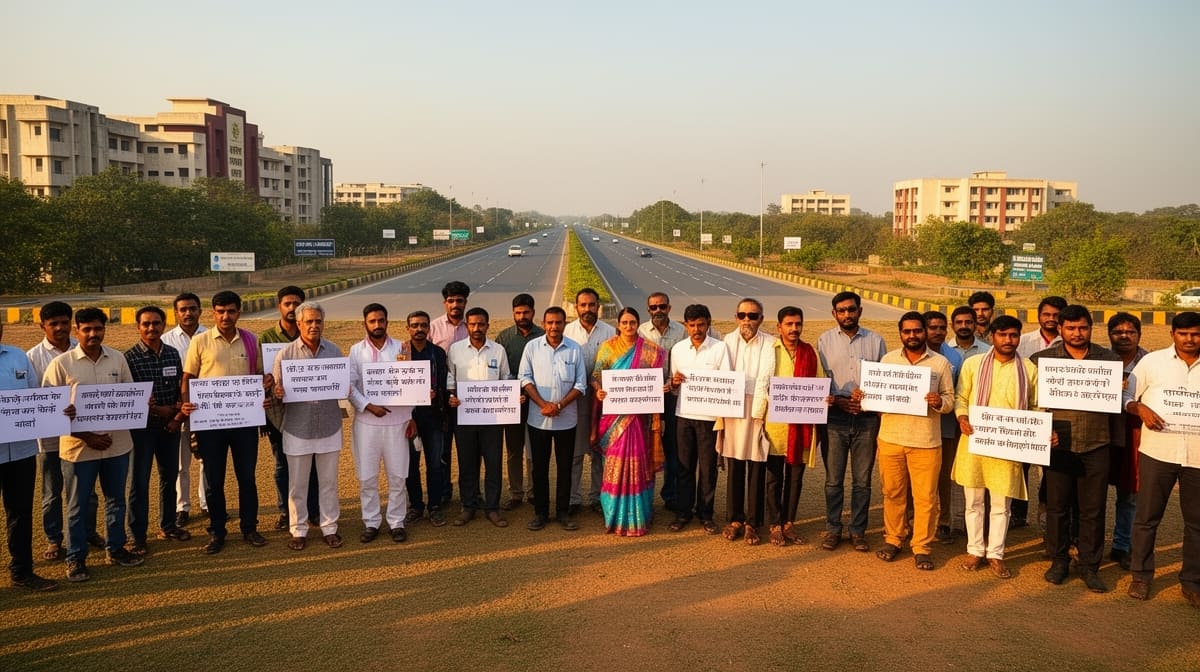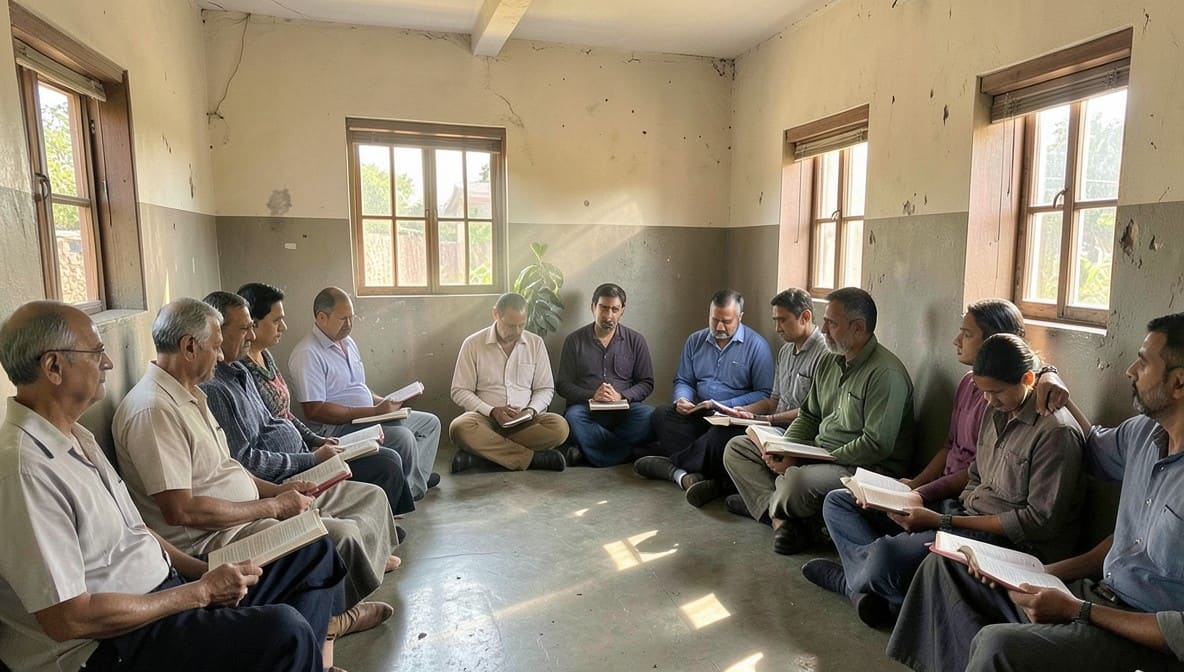
The Karnataka High Court has affirmed that the denial of permission for a religious event based solely on the past antecedents of a speaker, without any current threat to public order, violates the fundamental right to freedom of expression under Article 19(1)(a). The Court emphasized that once legal proceedings are closed by an undertaking and apology, they cannot be resurrected to suppress lawful assembly.
Background & Facts
The Dispute
The petitioner, the Fellowship of Udupi District Churches, a registered trust, sought permission to conduct the "Festival of Peace" scheduled for 20.03.2026, 21.03.2026, and 22.03.2026 at the Christian P.U. College Ground, Mission Compound, Udupi. The event included a guest speaker whose prior conduct had triggered a criminal case in Tamil Nadu. The Superintendent of Police, Udupi, refused to grant permission, citing the speaker’s past antecedents.
Key Facts
- The petitioner is a registered religious trust with registration number UDP, 4-00209-2014-15
- The proposed event is a three-day interfaith gathering titled "Festival of Peace"
- The speaker in question had previously been involved in a criminal case in Tamil Nadu
- That case was closed on 15.01.2025 after the speaker tendered an unconditional apology and submitted a written undertaking before the High Court of Chennai under Section 482 of the Cr.P.C.
- The speaker had previously participated in a similar "Festival of Peace" event in Bengaluru on 10.12.2025, during which his speeches were reported to be in full compliance with the undertaking
- The petitioner offered to file a fresh, detailed affidavit before the Superintendent of Police, Udupi, re-affirming adherence to the terms of the earlier undertaking
Procedural History
- 10.03.2026: Petitioners submitted formal application for permission to conduct the event
- 12.03.2026: Superintendent of Police, Udupi, denied permission citing "potential law and order issues" based on past antecedents
- 14.03.2026: Writ Petition No. 9112 of 2026 filed before the Karnataka High Court under Article 226 of the Constitution
- 18.03.2026: Petition came up for preliminary hearing before Justice Sachin Shankar Magadum
The Parties' Positions
For the Petitioner
- The speaker’s past case was conclusively closed by judicial order and undertaking
- No evidence of current incitement or threat exists
- The event is peaceful, religious, and non-political in nature
- The speaker is willing to submit a fresh affidavit binding him to the terms of the earlier undertaking
- Denial of permission amounts to prior restraint on free speech
For the Respondents
- The speaker has a history of conduct that led to criminal proceedings
- Past conduct raises reasonable apprehension of public disorder
- Police have a duty to prevent potential unrest, even if speculative
- Permission should be withheld until further inquiry
Relief Sought
The petitioner sought a writ of mandamus directing the Superintendent of Police to grant permission for the event and to provide adequate police protection for its peaceful conduct.
The Legal Issue
Can permission for a lawful public event be denied solely on the basis of a speaker’s past criminal antecedents, when those proceedings have been formally closed by judicial undertaking and no current threat is demonstrated?
Arguments Presented
For the Petitioner
The petitioner relied on Shreya Singhal v. Union of India to argue that prior restraint on speech requires imminent danger, not speculative apprehension. The undertaking before the Chennai High Court under Section 482 Cr.P.C. was a judicially recognized resolution of past misconduct. The speaker’s participation in a prior event in Bengaluru without incident demonstrated compliance. The refusal to grant permission was arbitrary and violated Article 19(1)(a).
For the Respondent
The Additional Government Advocate contended that the police have a duty to assess risk based on history, even if proceedings are closed. The mere fact that a case was closed by undertaking does not erase the underlying conduct. The state has a legitimate interest in preventing potential communal tension, especially in sensitive regions.
The Court's Analysis
The Court rejected the notion that past antecedents alone can justify denial of permission. It emphasized that Section 482 Cr.P.C. allows courts to quash proceedings to prevent abuse of process, and the acceptance of an undertaking constitutes a final judicial determination. The Court noted:
"The closure of criminal proceedings by an undertaking before a High Court is not a mere formality; it is a conclusive judicial act that extinguishes the basis for further action absent new facts."
The Court held that the state cannot rely on stale allegations to impose prior restraint on speech. The petitioner’s offer to file a fresh affidavit binding the speaker to the terms of the earlier undertaking was a sufficient safeguard. The Court distinguished between legitimate public order concerns and speculative fears rooted in history. It further observed that the right to assemble and express religious views is protected under Article 25, and cannot be curtailed without concrete evidence of imminent threat.
The Verdict
The writ petition was allowed. The Superintendent of Police, Udupi, is directed to grant permission for the "Festival of Peace" scheduled on 20th, 21st, and 22nd March, 2026, at Christian P.U. College Ground, Mission Compound, Udupi. Adequate police protection must be provided for the event’s peaceful conduct. The speaker must file a fresh affidavit before the Superintendent of Police, Udupi, undertaking to strictly adhere to the terms of the earlier undertaking given before the High Court of Chennai. Compliance is to be completed within 48 hours of this order.
What This Means For Similar Cases
Past Conduct Cannot Justify Prior Restraint
- Practitioners can now argue that judicially closed proceedings, especially those resolved by undertaking under Section 482 Cr.P.C., cannot be used to deny permission for lawful events
- The burden shifts to the state to demonstrate a current, specific, and imminent threat - not historical association
- Denial of permission based on "potential" unrest without evidence is arbitrary and unconstitutional
Affidavits as Binding Safeguards
- Courts recognize voluntary, sworn affidavits as effective tools to mitigate perceived risks
- Petitioners should proactively offer to submit fresh affidavits re-affirming compliance with prior undertakings
- Such affidavits, when specific and court-admissible, satisfy the state’s duty to prevent disorder without suppressing speech
Religious Events Are Protected Under Article 19 and 25
- Peaceful religious gatherings cannot be equated with political or inflammatory assemblies
- Authorities must distinguish between expression of faith and incitement to hatred
- Denial of permission for religious events on vague grounds invites judicial intervention under Article 226