The Gujarat High Court has clarified that state authorities cannot impose arbitrary documentary burdens - such as pre-1950 evidence - on applicants seeking Scheduled Caste certificates when the caste is already recognized under state government resolutions. This ruling reinforces the constitutional obligation to ensure equitable access to affirmative action benefits without imposing unreasonable procedural hurdles.
Background & Facts
The Dispute
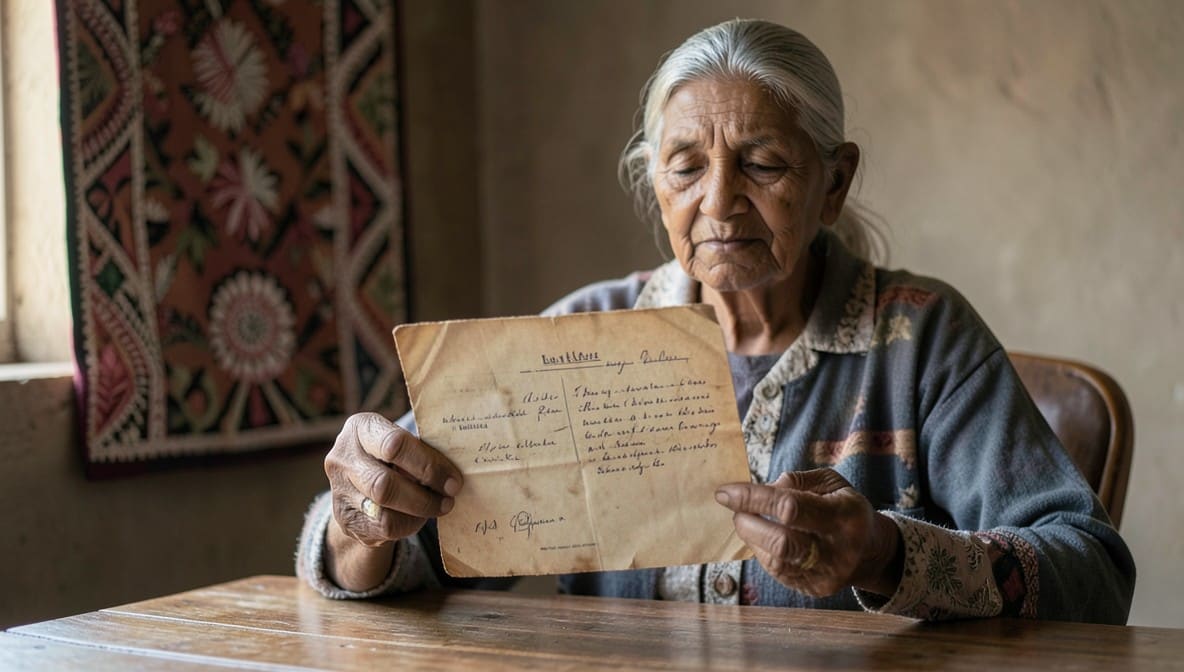
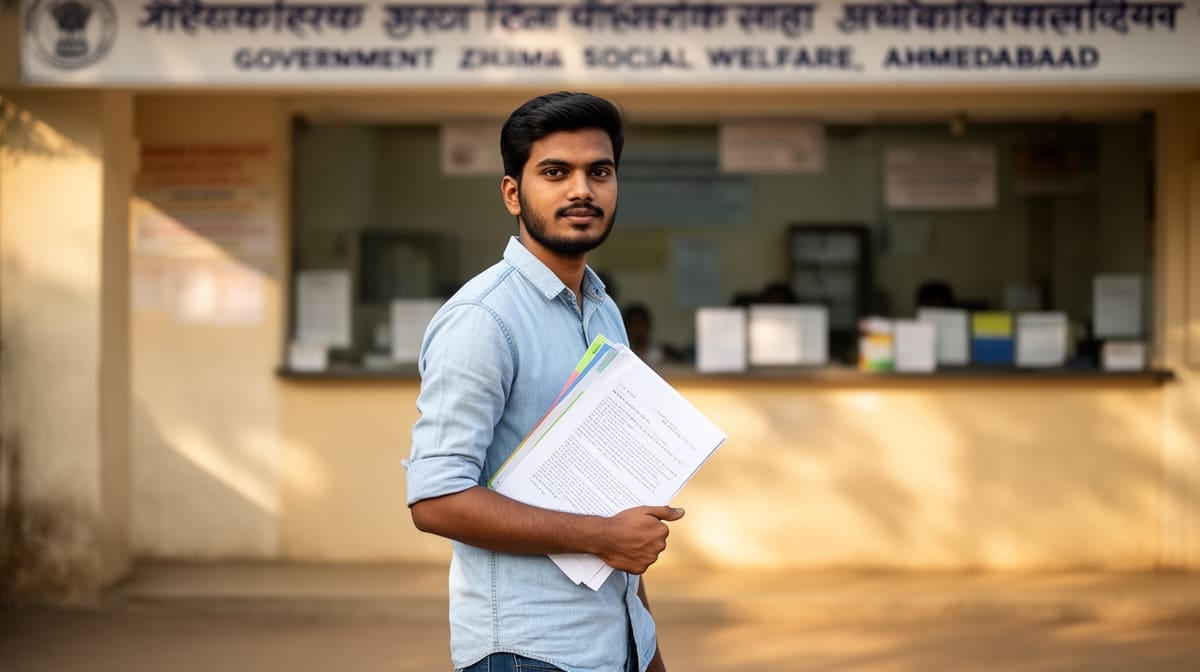
The petitioner, Bhilesa Harishkumar Umaji, applied for a Scheduled Caste certificate for his son, Chirag, to avail educational scholarships. The applicant’s family belongs to the Meghwal Vankar community, recognized as a Scheduled Caste in Gujarat under Government Resolution No. 10.03.2000. Despite residing in Ahmedabad since before the petitioner’s birth in 1975, and possessing BPL cards and family records, the Social Welfare and Justice Department demanded proof of caste status prior to 1950, citing the petitioner’s ancestral origin in Rajasthan.
Procedural History
- 27 July 2022: First application submitted for son’s caste certificate
- 23 September 2022: Second application sent via registered post; no response
- Multiple personal visits: Petitioner repeatedly approached the office without resolution
- 2023: Writ petition filed under Articles 226 and 227 of the Constitution
Relief Sought
The petitioner sought issuance of Scheduled Caste certificates for himself and his son, arguing that the authority’s refusal violated fundamental rights under Articles 14, 15, and 21, and contravened the state’s own recognition of the Meghwal community.
The Legal Issue
The central question was whether a state authority may deny a Scheduled Caste certificate to an applicant whose caste is explicitly recognized by a state government resolution, solely on the ground that the applicant cannot produce documents predating 1950 from a different state of origin.
Arguments Presented
For the Petitioner
Learned counsel relied on the Gujarat Government’s Resolution dated 10.03.2000, which explicitly recognized Meghwal Vankar, Jadeja Meghwal, and other sub-groups as part of the unified Meghwal Scheduled Caste community. She argued that the demand for pre-1950 documents from Rajasthan was legally irrelevant, as the state’s own recognition conferred eligibility irrespective of ancestral domicile. She cited State of Punjab v. Baldev Singh to affirm that state-specific recognition governs eligibility for benefits within that state.
For the Respondent
The Assistant Government Pleader contended that the petitioner failed to establish caste continuity prior to 1950 in Rajasthan, which, according to departmental guidelines, was a prerequisite for verification. He argued that the absence of historical documentation created reasonable doubt about the authenticity of the claim, justifying non-issuance pending further inquiry.
The Court's Analysis
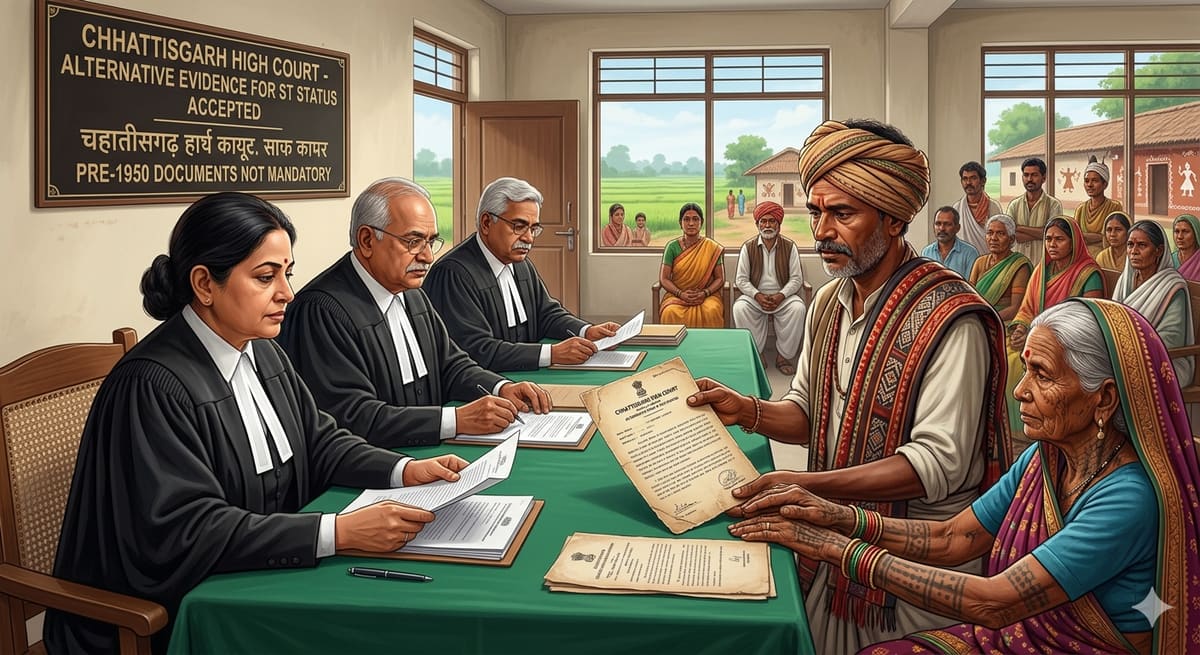
The Court rejected the respondent’s reliance on pre-1950 documentation as legally unsustainable. It emphasized that the state’s own resolution dated 10.03.2000 was the decisive legal instrument governing eligibility within Gujarat. The Court observed that the demand for documents from Rajasthan was not only extraneous but also inconsistent with the principle of substantive equality under Article 14.
"The State of Gujarat has, by its own resolution, recognized the Meghwal community - including its sub-groups - as Scheduled Caste. To now insist on pre-1950 proof from another state is to impose an impossible burden, inconsistent with the spirit of social justice and the constitutional mandate to remove historical disabilities."
The Court further noted that the petitioner’s family had resided in Ahmedabad for generations, held BPL cards, and were known in the community as Meghwal. The authority’s silence for over a year constituted administrative inaction, which cannot be justified as due diligence. The Court held that once a caste is recognized by state notification, the burden shifts to the state to verify claims through available local records - not to demand impossible historical evidence.
The Verdict
The petitioner succeeded. The Court held that demanding pre-1950 documents from another state to deny a Scheduled Caste certificate is unlawful where the caste is already recognized by state resolution. The authority was directed to decide the fresh application within four weeks, with due opportunity to the petitioner.
What This Means For Similar Cases
State Recognition Overrides Ancestral Documentation
- Practitioners can now argue that state-specific caste recognition trumps demands for pre-1950 documents from other states
- Applications must be evaluated based on current residence, community recognition, and local records - not ancestral provenance
- Denial based on origin outside the state is prima facie arbitrary and violates Article 14
Administrative Silence Is Not a Valid Ground for Denial
- Prolonged inaction (over one year) without reason constitutes 违宪行政不作为 (unconstitutional administrative inaction)
- Petitioners may seek writs for mandatory directions to decide pending applications within fixed timelines
- Authorities must issue reasoned orders, not silence, when rejecting applications
Local Evidence Suffices for Verification
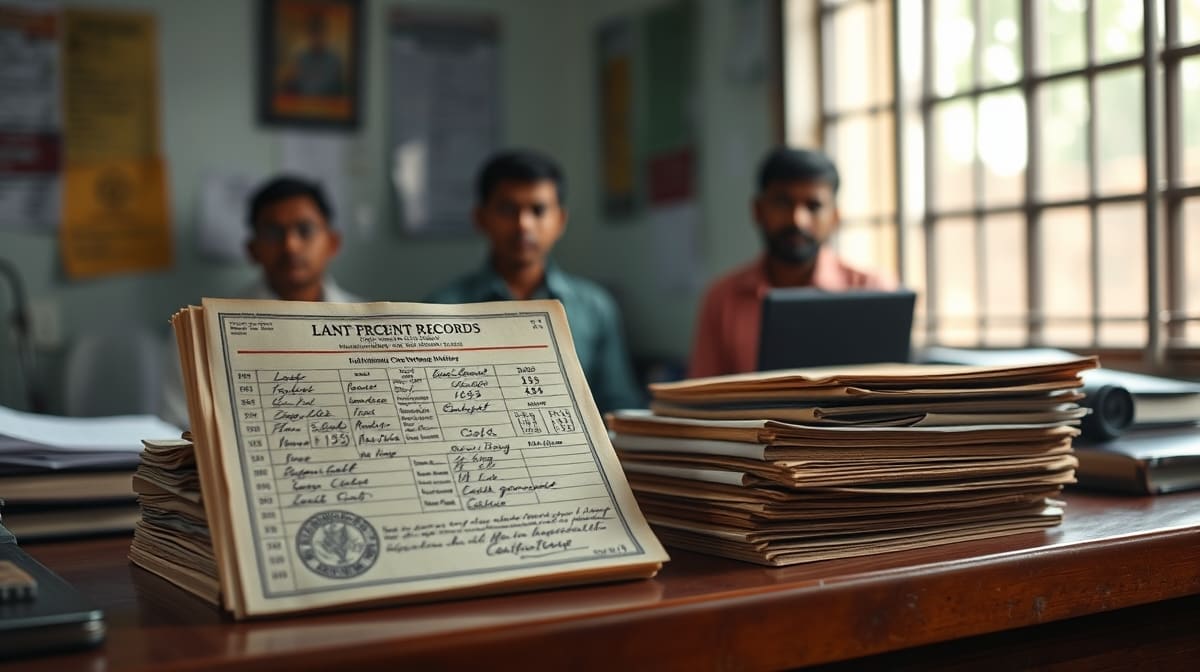
- BPL cards, school records, voter IDs, and community attestations are sufficient for verification where caste is state-recognized
- No requirement exists under law to produce pre-1950 documents unless the caste itself is disputed or not notified
- Practitioners should compile local affidavits and community certificates as primary evidence in such cases