The Andhra Pradesh High Court disposed of a writ petition filed under Article 226 of the Constitution, recording the state's assurance that the petitioner's land was not proposed for public purpose. The judgment underscores the state's obligation to respect approved layouts and refrain from arbitrary encroachment, reinforcing property rights under Article 21.
Background & Facts
The Dispute
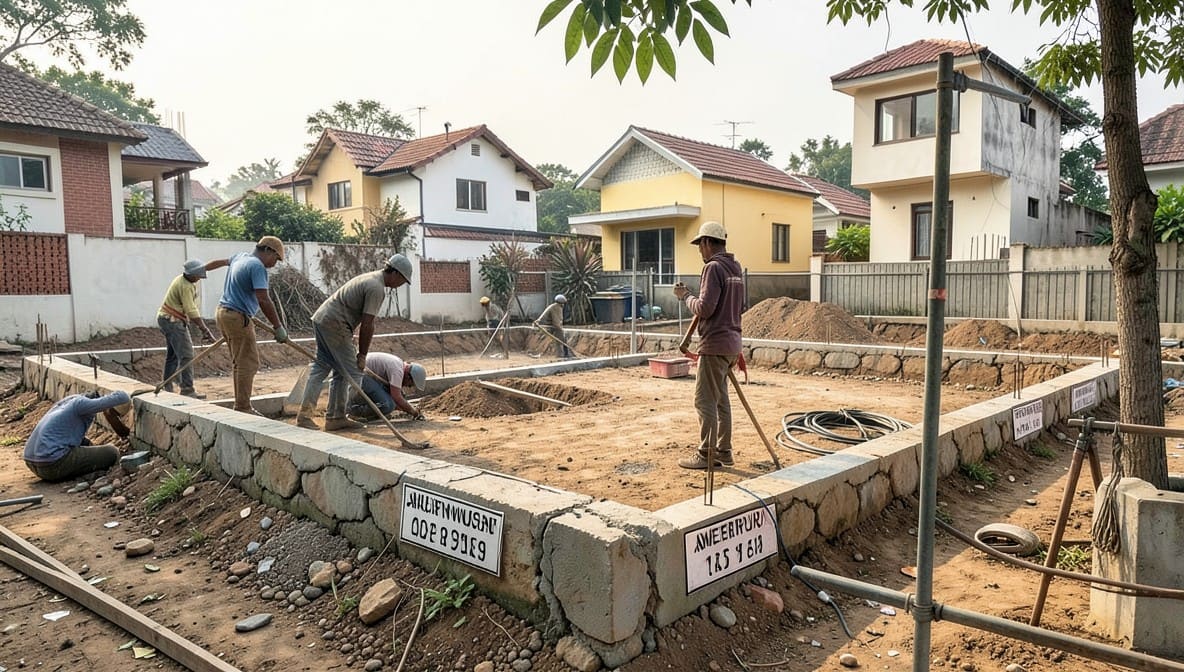
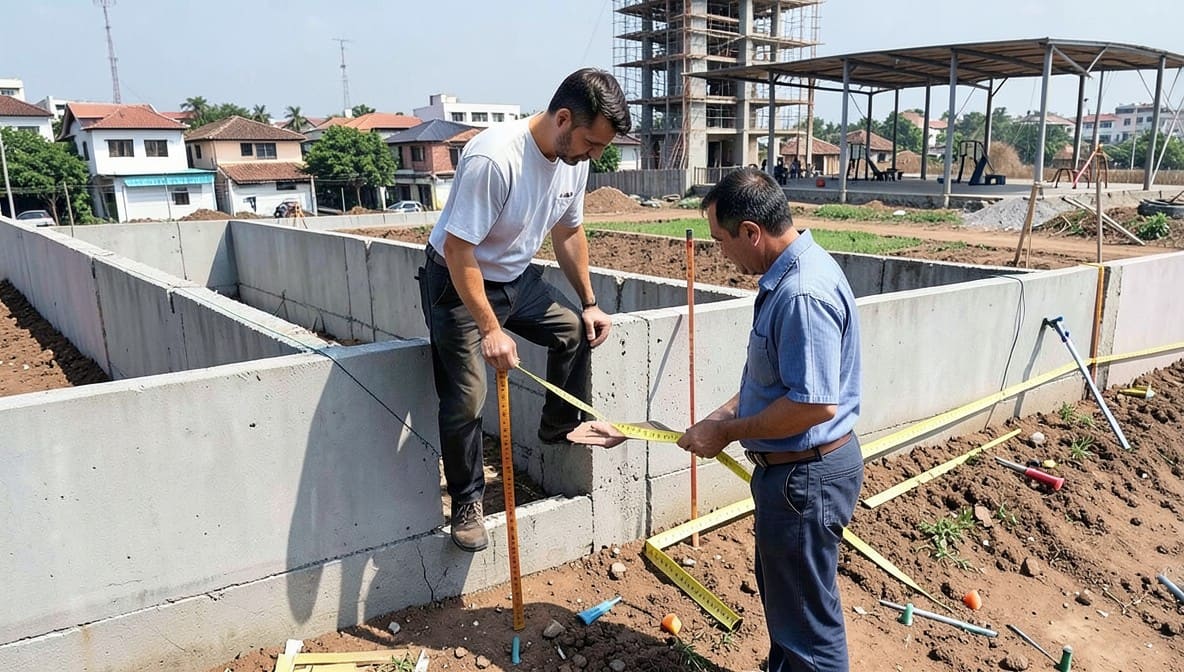
The petitioner, Divya Constructions and Infrastructures, owns a land parcel admeasuring 2.58 acres in Sy. Nos. 242/1, 243/1, and 243/2 of Surappakasam Village, Renigunta Mandal, Tirupati District. The petitioner had obtained Final Layout Approval from the Tirupati Urban Development Authority (TUDA) vide L.P. No. 2/2025/1166/TUDA/DPMS dated 02.04.2025 for a residential layout comprising 32 plots, roads, parks, and utility areas. Despite this approval, respondent officials, accompanied by local political leaders, forcibly entered the petitioner's property on an unspecified date, destroyed infrastructure, and commenced excavation for constructing an Ayushman Arogya Mandir (AAM).
Key Facts
- The petitioner acquired the land and executed a registered gift deed (Doc. No. 8456/2025) on 01.12.2025, gifting 3611.29 square yards to Surappakasam Gram Panchayat
- The land was converted from agricultural to non-agricultural (commercial/residential) use vide proceedings of the R.D.O., Srikalahasti (D.Dis.(C)/703/2024 dated 20.12.2024)
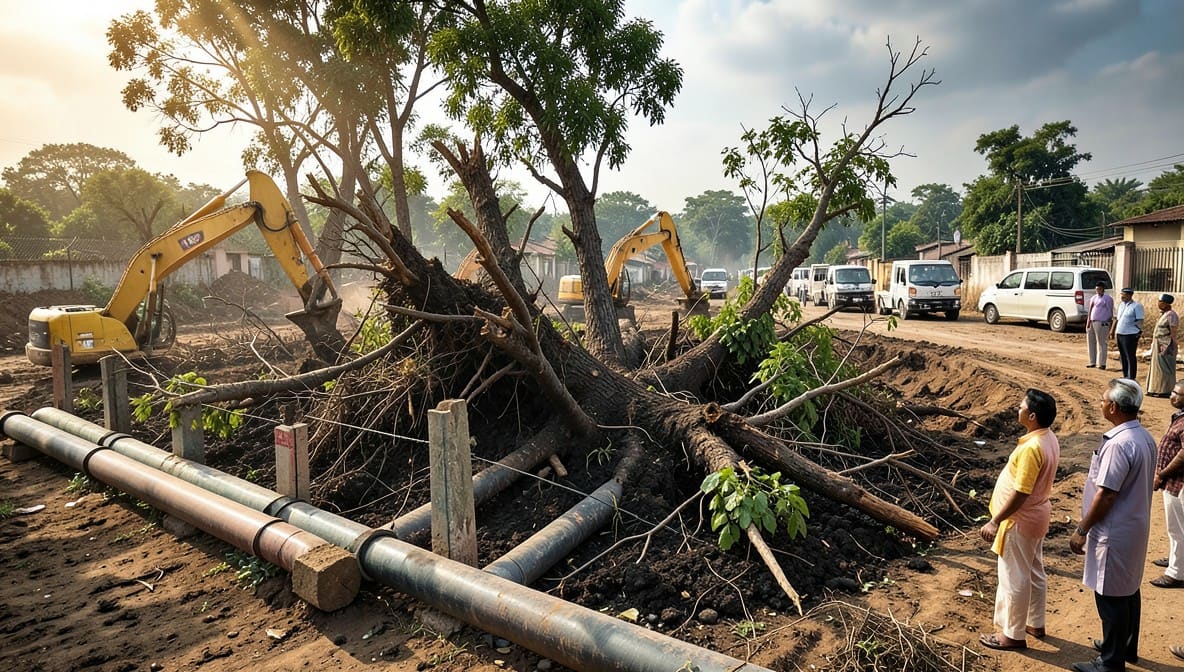
- Respondents Nos. 6, 7, and 8, without prior notice, destroyed the petitioner's developed layout, including trees, drip irrigation, and boundary structures
- Photographic evidence of the destruction was submitted with the petition
- The petitioner sought restoration of the property to its original condition and a direction to halt further illegal construction
Procedural History
- 01.01.2026: Mortgage deed released, statutory recognition completed
- 01.12.2025: Registered gift deed executed in favour of Surappakasam Gram Panchayat
- 02.04.2025: Final Layout Approval granted by TUDA (L.P. No. 2/2025/1166/TUDA/DPMS)
- 20.12.2024: Land conversion proceedings issued by R.D.O., Srikalahasti
- Unspecified date: Illegal encroachment and destruction of property by respondents
- 22.06.2026: Writ Petition (W.P.No. 15372 of 2026) filed before the Andhra Pradesh High Court
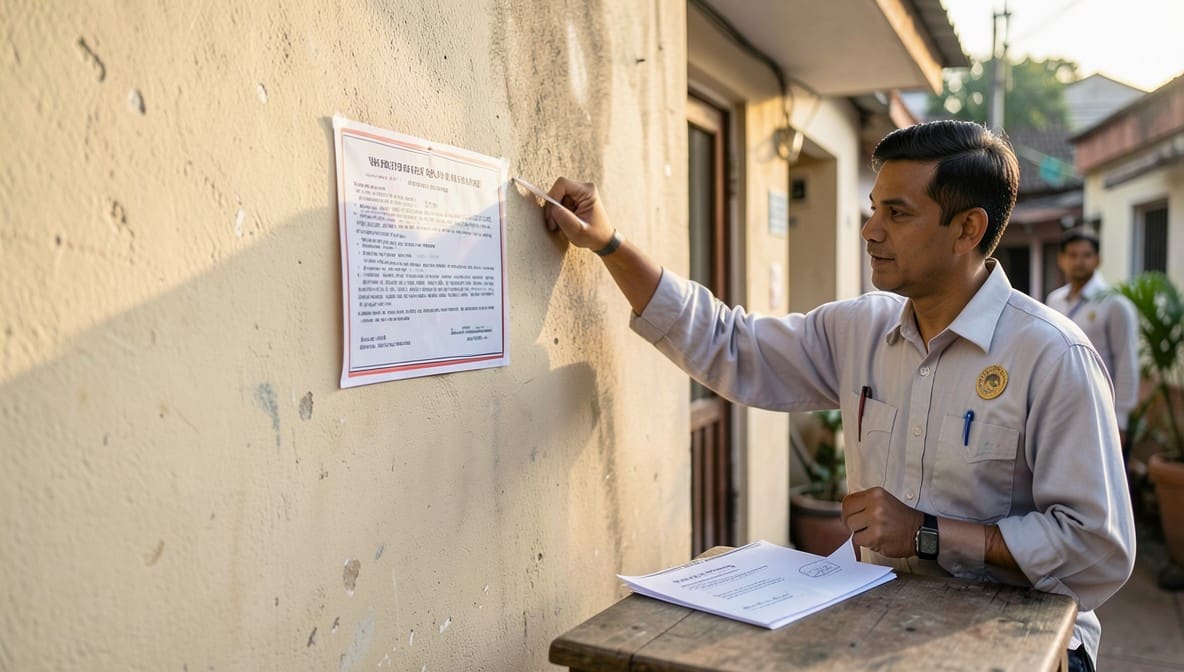
- 19.06.2026: Written instructions submitted by respondent No. 5, clarifying that the land was not proposed for public purpose
- 22.06.2026: Writ petition disposed of recording the state's assurance
Relief Sought
The petitioner sought:
- A writ of mandamus declaring the respondents' actions arbitrary and illegal
- An order restraining respondents from undertaking any construction or excavation on the petitioner's property
- Restoration of damaged infrastructure, trees, and boundaries to their original condition
- Costs and other incidental reliefs
The Legal Issue
The primary question was whether the state's actions in encroaching upon a privately owned, TUDA-approved residential layout without prior notice or due process violated the petitioner's fundamental rights under Article 21 of the Constitution, and whether the court could intervene under Article 226 to prevent such arbitrary infringement.
Arguments Presented
For the Petitioner
The petitioner contended that:
- The respondents' actions were highly arbitrary and illegal, violating the petitioner's right to property and livelihood under Article 21
- The destruction of the petitioner's developed layout, including trees and irrigation systems, amounted to infringement of fundamental rights
- The respondents failed to provide prior notice or follow due process before encroaching on the property
- The Final Layout Approval granted by TUDA was binding on all authorities, and the respondents had no legal basis to override it
For the Respondents
The Assistant Government Pleader for Revenue submitted written instructions from respondent No. 5 dated 19.06.2026, stating:
- The land was converted from agricultural to non-agricultural use vide proceedings dated 20.12.2024
- The subject lands were not proposed for public purpose by the respondent at any point of time
- The state had no intention to encroach upon the petitioner's property
The Court's Analysis
The High Court did not delve into an extensive legal analysis but disposed of the writ petition recording the state's assurance. The court noted the written instructions submitted by the respondents, which clarified that the land was not earmarked for any public purpose. By disposing of the petition based on this assurance, the court implicitly recognized:
- The binding nature of the state's representation in judicial proceedings
- The importance of due process in matters involving property rights
- The obligation of state authorities to respect approved layouts and refrain from arbitrary actions
While the judgment did not establish a new legal principle, it reinforced the judicial oversight over state actions affecting private property rights. The court's reliance on the state's written instructions suggests that executive assurances can serve as a basis for disposing of writ petitions where no ongoing violation is demonstrated.
The Verdict
The writ petition was disposed of recording the state's assurance that the petitioner's land was not proposed for public purpose. The court did not grant any specific relief but closed the matter based on the respondents' representation. There was no order as to costs, and all pending miscellaneous petitions were closed.
What This Means For Similar Cases
State Assurances Can Resolve Writ Petitions
- Practitioners should note that written assurances from state authorities can serve as a basis for disposing of writ petitions, especially where the state clarifies its position
- Courts may rely on executive representations to avoid prolonged litigation if no active violation is ongoing
Due Process Remains Non-Negotiable
- The judgment underscores that arbitrary encroachment on privately owned, approved layouts is illegal
- State authorities must provide prior notice and follow due process before undertaking any actions affecting private property
- Failure to adhere to procedural safeguards may lead to judicial intervention under Article 226
Property Rights Under Article 21 Are Protected
- The court implicitly recognized that destruction of property infrastructure (trees, irrigation, boundaries) violates Article 21
- Property owners can seek restoration of damaged property and injunctions against further encroachment
- Approved layouts by statutory authorities (e.g., TUDA) carry legal sanctity and cannot be overridden without due process