The Andhra Pradesh High Court has directed state authorities to release pending payments of Rs. 30,16,338 to a registered civil contractor within eight weeks for works executed under the Mahatma Gandhi National Rural Employment Guarantee Scheme (MGNREGS). The order underscores the state's obligation to honor contractual commitments and prevent arbitrary withholding of payments to contractors who have satisfactorily completed assigned works.
Background & Facts
The Genesis
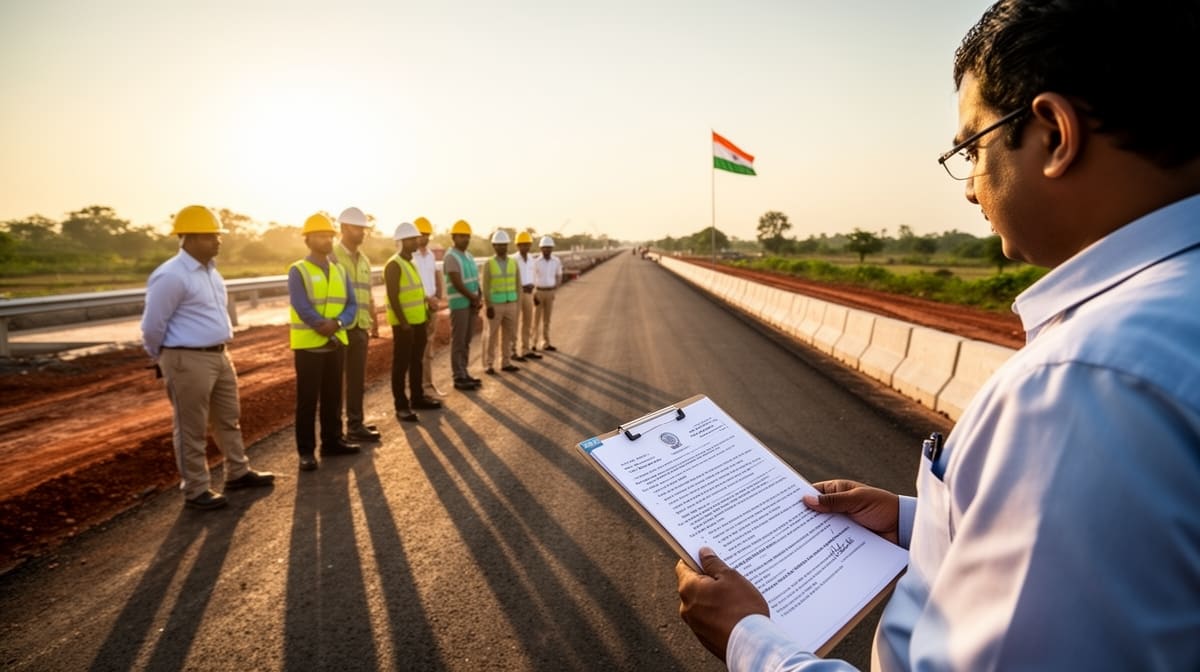
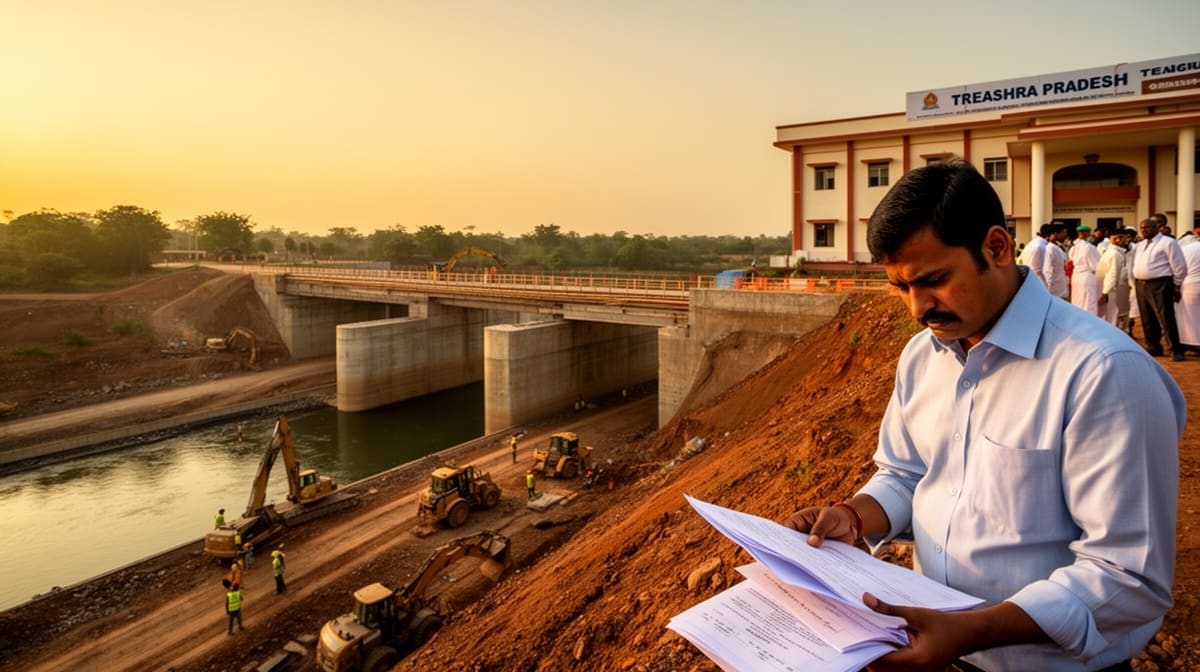
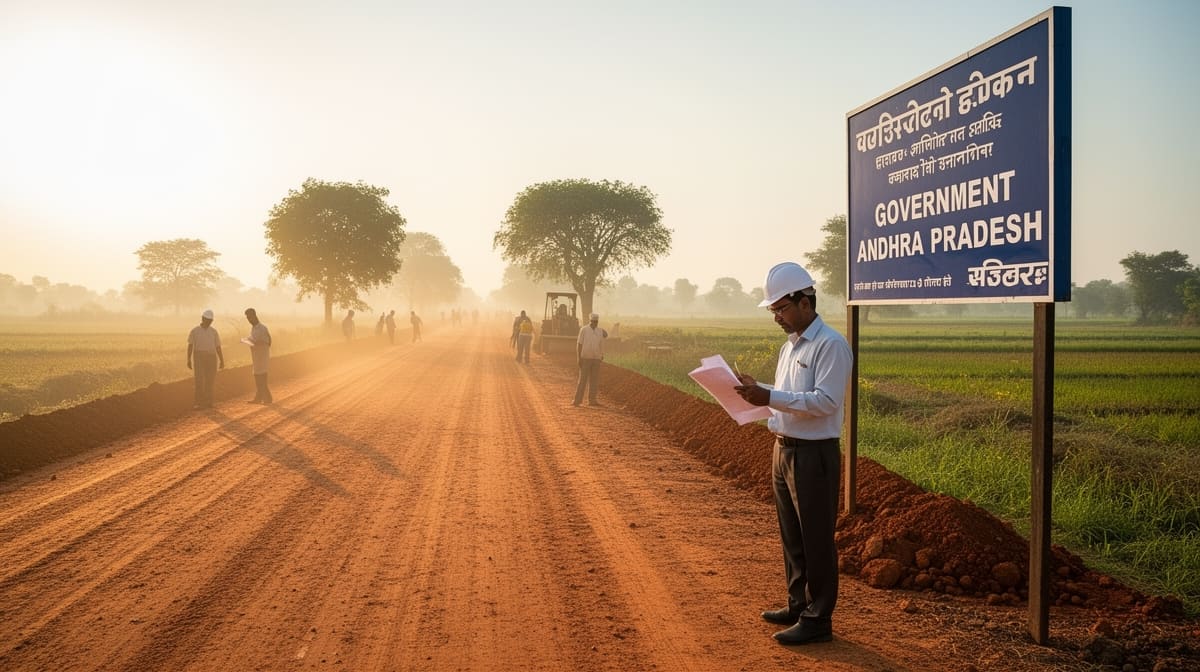
The petitioner, Golla Subhakara Reddi, is a registered civil contractor based in East Godavari District, Andhra Pradesh. He was entrusted with six works under the EGS Development Project in Community Lands under the MGNREGS scheme. The works were executed across four gram panchayats: Kesanapalli, Gudapalli, Gubbalapalem, and Gudimellanka in Malikipuram Mandal.
Key Facts
- The petitioner executed six works under Agreement No. 46/Road/Nsp/2022 dated 05.06.2023 under the MGNREGS scheme.
- The works were inspected and measured by respondent authorities, and bills were finalized for a total amount of Rs. 31,57,721.
- Despite completion of works within the prescribed time, the respondent authorities withheld payment of Rs. 31,57,721, causing financial hardship to the petitioner.
- The petitioner made repeated representations to the authorities, but no payment was released.
Procedural History
- Writ Petition (WP No. 16492 of 2025): Filed before the Andhra Pradesh High Court seeking a writ of mandamus to direct the respondents to release the pending payments.
- IA No. 1 of 2025: Filed under Section 151 CPC seeking interim relief for release of pending payments pending disposal of the main writ petition.
- 21.07.2026: The High Court disposed of the writ petition after hearing all parties and considering prior orders in related matters.
The Parties' Positions
Petitioner's Case
The petitioner contended that:
- He had satisfactorily completed the works within the prescribed time.
- The respondents had finalized the bills but were arbitrarily withholding payment.
- The delay in payment was causing severe financial hardship and was violative of Articles 14 and 21 of the Constitution of India.
Respondents' Case
The respondents, represented by learned Assistant Government Pleaders and Standing Counsel, submitted:
- The petitioner was entitled to Rs. 30,16,338 after statutory deductions such as Income Tax and QC Recovery.
- The Commissioner, PR&RD, had furnished proposals for release of budget for Rs. 30,16,338, which was released to the Panchayat Raj Department on 13.05.2026.
- The Panchayat Raj Department was required to upload the bills in the Nidhi Portal for further processing.
Relief Sought
The petitioner sought:
- A writ of mandamus directing the respondents to release the pending payments of Rs. 31,57,721.
- A declaration that the respondents' action in withholding payment was arbitrary and violative of Articles 14 and 21 of the Constitution of India.
The Legal Issue
The central question was whether the respondents' failure to release the finalized bills for works executed under the MGNREGS scheme, despite completion and inspection, amounted to an arbitrary and unjustified action, warranting judicial intervention under Article 226 of the Constitution of India.
Arguments Presented
For the Petitioner
The petitioner relied on prior orders of the High Court in Rayapureddy Srinivasa Rao and others v. Government of Andhra Pradesh (2021 SCC Online AP 3084), which directed the respondents to clear bills and release payments forthwith. The petitioner argued that the respondents' failure to comply with these directions was arbitrary and unjustified.
For the Respondent State
The respondents submitted that the budget for Rs. 30,16,338 had already been released to the Panchayat Raj Department on 13.05.2026, and the bills were to be uploaded in the Nidhi Portal. They contended that the matter was procedural and that the petitioner was entitled to the net amount after statutory deductions.
The Court's Analysis
The Court examined the prior orders in Rayapureddy Srinivasa Rao and noted that the respondents were directed to clear the bills and release payments forthwith. The Court observed that the respondents had already released the budget for the admitted amount, and the only remaining step was the uploading of bills in the Nidhi Portal.
"The respondents are directed to clear the bills submitted by the petitioner and to release payment forthwith, in case no payment is made till date."
The Court also noted the interim orders passed by the Division Bench in related writ appeals, which directed the respondents to pay the principal amount of the bills within four weeks, failing which the interim order would stand vacated.
The Court clarified that the Memo No.1263069/RD.II/A1/2020 dated 05.11.2020 and Memo No.1388361/RD.II/A1/2020 dated 12.05.2021 were applicable only to works executed under the MGNREGS scheme.
The Verdict
The High Court disposed of the writ petition with the following directions:
- The respondents were directed to pay the net amount/admitted amount of Rs. 30,16,338 to the petitioner within a period of eight weeks from the date of receipt of the order.
- The writ petition was disposed of, and there was no order as to costs.
- Any miscellaneous applications pending in the writ petition were closed.
What This Means For Similar Cases
Timely Payment Is a Legal Obligation
- State authorities cannot arbitrarily withhold payments for works executed under MGNREGS or similar schemes once bills are finalized and inspected.
- Contractors are entitled to timely payment, and delays beyond reasonable timelines may attract judicial intervention.
Procedural Compliance Is Non-Negotiable
- The Court's order underscores the importance of procedural compliance, including the uploading of bills in the Nidhi Portal.
- Authorities must ensure that all procedural steps are completed within the prescribed timelines to avoid arbitrary withholding of payments.
Financial Hardship Justifies Judicial Intervention
- The Court recognized that arbitrary withholding of payments causes severe financial hardship to contractors, justifying judicial intervention under Article 226 of the Constitution of India.
- Contractors can seek writs of mandamus to compel authorities to honor their contractual obligations.