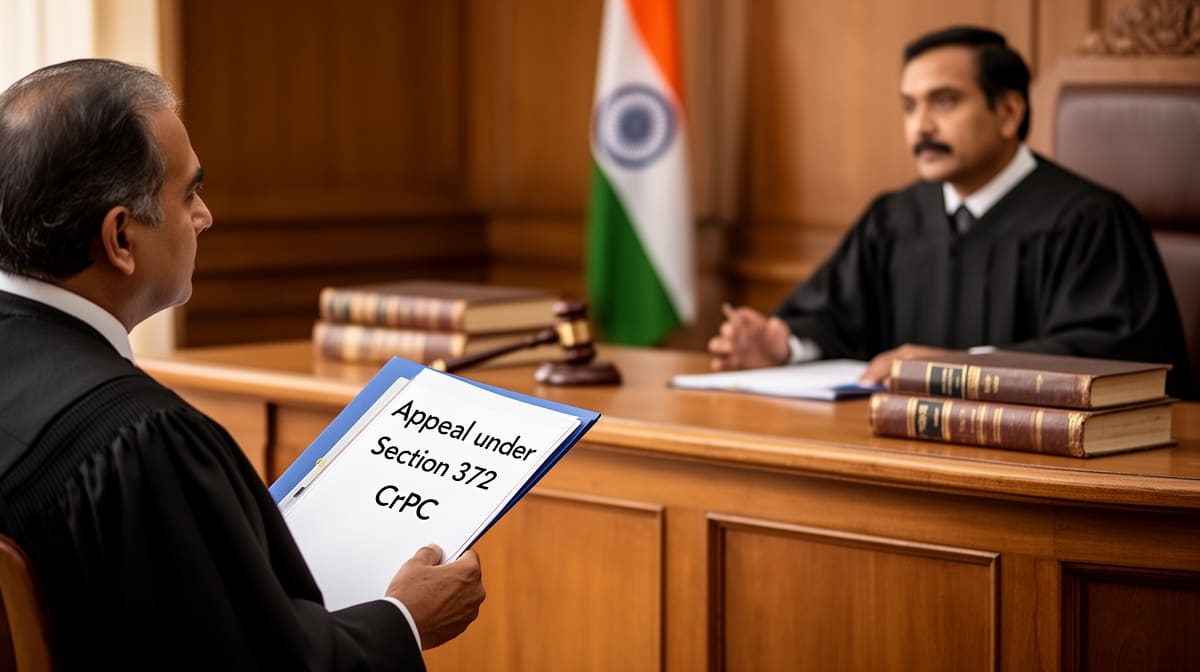
In a significant procedural ruling, the Madhya Pradesh High Court has clarified the scope of a victim's right to appeal against acquittal under the proviso to Section 372 of the Code of Criminal Procedure (CrPC). The Court permitted withdrawal of an existing appeal with liberty to file a fresh appeal before the Sessions Court, while addressing critical questions about limitation periods and procedural compliance for victim-initiated appeals.
Background & Facts
The Dispute
The appellant, Yunis Khan, filed a criminal appeal under Section 378 CrPC against the acquittal of the respondent, Abhay Kumar, in Criminal Case No. 874/2010 before the Judicial Magistrate First Class, Ashoknagar. The acquittal judgment was delivered on 29.07.2016, prompting the appellant to challenge it before the High Court.
Procedural History
- 08.06.2017: Bailable warrant issued in the appeal
- 2017: Criminal Appeal No. 154/2017 filed before the Madhya Pradesh High Court, Gwalior Bench
- 30.06.2026: The High Court heard the matter and passed the present order
During the proceedings, the appellant's counsel cited the Supreme Court judgment in Celestium Financial v. A. Gnanasekaran, 2025 SCC Online SC 1320, which clarified that a victim may file an appeal against acquittal under the proviso to Section 372 CrPC before the Sessions Court. Based on this precedent, the appellant sought permission to withdraw the present appeal with liberty to file a fresh appeal under the proviso to Section 372 CrPC (or Section 413 of the Bharatiya Nagarik Suraksha Sanhita (BNSS)).
Relief Sought
The appellant sought:
- Withdrawal of the present appeal with liberty to file a fresh appeal before the Sessions Court
- Clarification on the limitation period for filing such an appeal
- Protection against limitation objections by the respondent or the appellate court
The Legal Issue
The central question was whether a victim, aggrieved by an order of acquittal, could withdraw an appeal filed under Section 378 CrPC and instead file an appeal under the proviso to Section 372 CrPC before the Sessions Court. Additionally, the Court had to clarify the limitation period for such an appeal and the procedural safeguards for the victim.
Arguments Presented
For the Appellant
The appellant's counsel relied on the Supreme Court judgment in Celestium Financial v. A. Gnanasekaran to argue that:
- A victim has the right to appeal against acquittal under the proviso to Section 372 CrPC before the Sessions Court
- The present appeal under Section 378 CrPC was no longer necessary in light of this precedent
- The appellant should be granted liberty to withdraw the present appeal and file a fresh appeal before the Sessions Court
- The limitation period for filing the appeal should be protected, especially if the delay had already been condoned by the High Court
The Court's Analysis
The Court examined the procedural framework for victim appeals under the CrPC and the BNSS. It noted that the Supreme Court's judgment in Celestium Financial had expanded the scope of a victim's right to appeal against acquittal by allowing such appeals to be filed directly before the Sessions Court under Section 372 CrPC.
The Court observed that the appellant's request to withdraw the present appeal was justified in light of this precedent. It further clarified the limitation period for filing such appeals:
"If appeal was filed before this Court within limitation or if appeal was not filed within limitation before this Court but issue of limitation has already been decided by this Court and the delay in filing the appeal has been condoned and appeal before concerned Sessions Court is filed within the period of four months from today, then, issue of limitation shall not be raised by respondent or by the Appellate Court."
The Court emphasized that if the appeal was not filed within the prescribed limitation period under the Limitation Act, or if an application for condonation of delay was pending, the appellate court would decide the issue of limitation in accordance with the law.
The Verdict
The Court granted the appellant's request to withdraw the appeal with liberty to file a fresh appeal under the proviso to Section 372 CrPC before the Sessions Court. Key directions included:
- The bailable warrant issued on 08.06.2017 was recalled
- The appeal was dismissed as withdrawn with the liberty sought
- If the appeal was filed within limitation or if the delay was already condoned by the High Court, the Sessions Court could not raise limitation objections, provided the appeal was filed within four months from 30.06.2026
- If the appeal was not filed within limitation or if an application for condonation of delay was pending, the Sessions Court would decide the limitation issue in accordance with the law
- Certified copies of documents filed in the appeal were to be returned to the appellant after substituting photocopies
- The trial court record, if available, was to be sent back immediately to the concerned court
What This Means For Similar Cases
Victim Appeals Under Section 372 CrPC: A Viable Alternative
This judgment reinforces the precedent set in Celestium Financial that victims aggrieved by acquittal orders can directly approach the Sessions Court under the proviso to Section 372 CrPC, bypassing the need to file an appeal under Section 378 CrPC before the High Court. Practitioners should note:
- Victims now have a more accessible forum for appealing acquittals
- The Sessions Court is empowered to hear such appeals, reducing procedural hurdles
Limitation Periods and Condonation of Delay
The Court's clarification on limitation periods provides critical guidance for victims and practitioners:
- If the victim filed an appeal within the limitation period prescribed under the Limitation Act, or if the High Court had already condoned the delay, the Sessions Court cannot raise limitation objections, provided the appeal is filed within four months of the High Court's order
- If the appeal was not filed within limitation or if an application for condonation of delay is pending, the Sessions Court will decide the issue in accordance with the law
- Practitioners must ensure timely filing of appeals or applications for condonation of delay to avoid procedural dismissals
Procedural Safeguards for Victims
The judgment underscores the importance of procedural safeguards for victims exercising their appellate rights:
- The Court directed the return of certified copies of documents filed in the appeal, ensuring that victims retain necessary evidence for subsequent proceedings
- The trial court record is to be sent back immediately, facilitating smoother transitions between forums
- Victims and their counsel should leverage these safeguards to protect their rights during appeals