The Orissa High Court allowed a transfer petition under Section 24 of the Civil Procedure Code, 1908, directing the relocation of a family court proceeding from Rourkela to Kandhamal on grounds of the petitioner-wife’s inaccessibility due to distance and lack of a male escort. The Court further permitted the opposite-party husband to participate virtually, subject to physical presence during witness examination, and vacated an earlier interim order.
Background & Facts
The Dispute
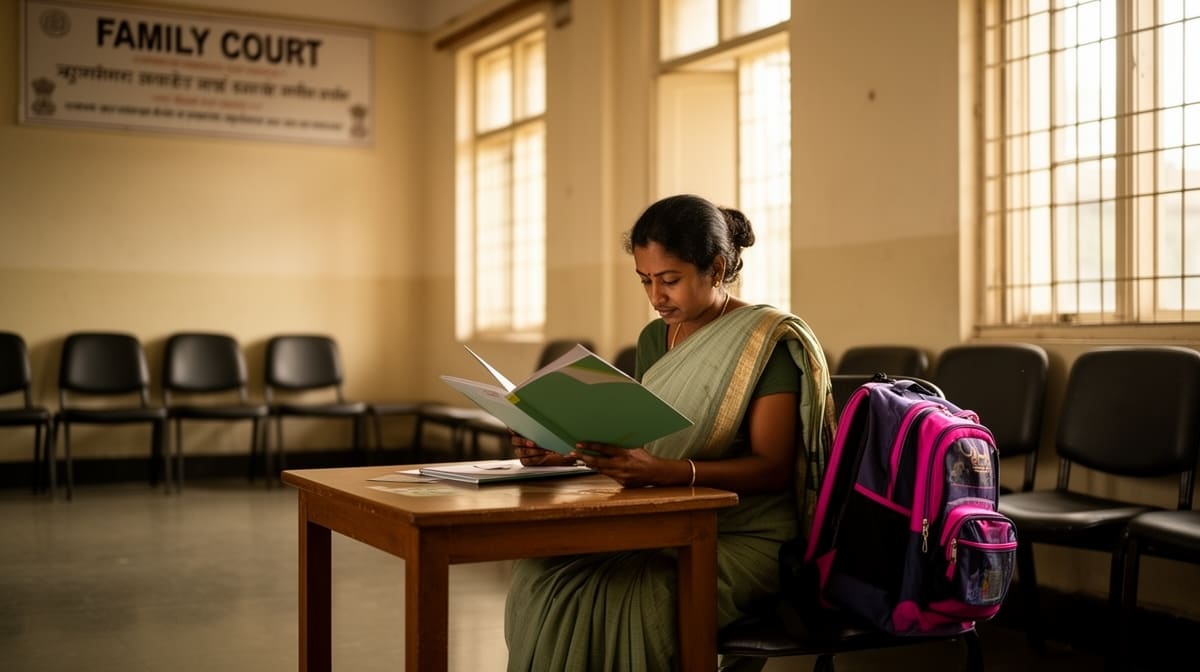
The petitioner (wife) filed a transfer petition under Section 24 of the Civil Procedure Code, 1908, seeking transfer of the family court case C.P. No.120 of 2024 from the Family Court, Rourkela to the Family Court, Kandhamal (Phulbani) on the ground that, as a deserted wife residing with her ailing mother at G. Udayagiri, Kandhamal district, she lacks a male member to accompany her and the distance of approximately 250 kilometres makes day-to-day attendance at Rourkela practically difficult.
Key Facts
- The petitioner is married to the respondent (husband), who resigned from his post as Fireman-Driver on 15.04.2020, the resignation being accepted the same day; he is presently unemployed and resides at his permanent village Bhaludungiri, PS Bonai, Sundargarh district.
- The petitioner states she has no source of income and is staying with her old and ailing mother at G. Udayagiri, Kandhamal.
- The distance between Kandhamal and Rourkela is around 250 K.Ms., which the petitioner contends would be difficult for her to travel regularly without a male escort.
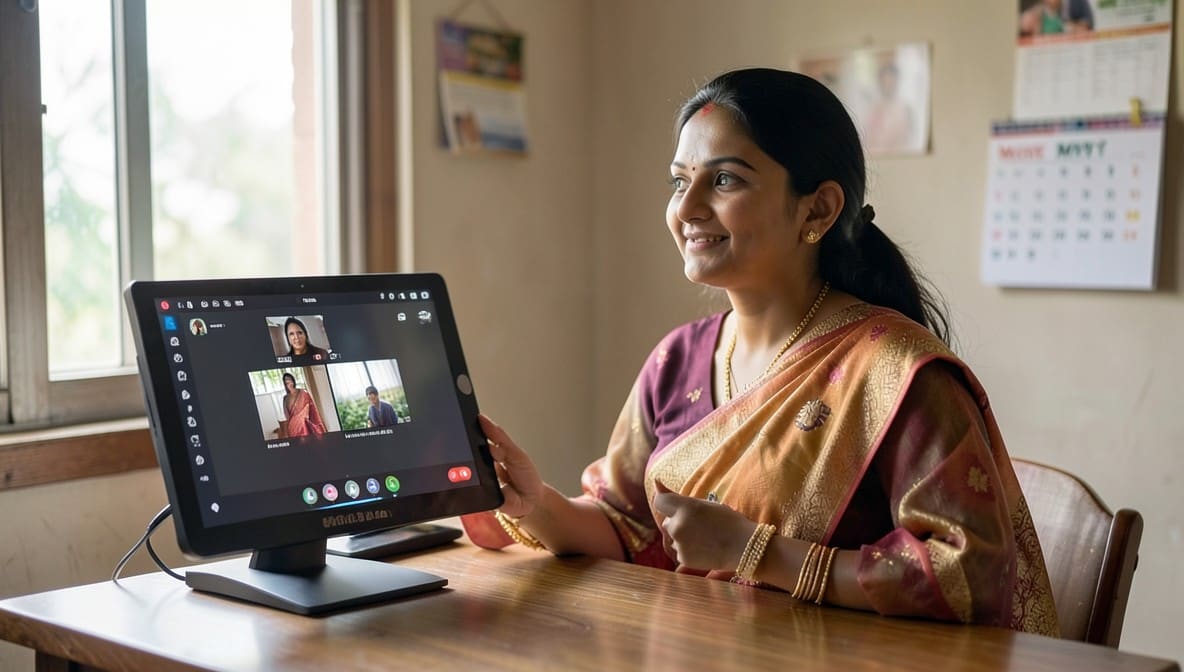
- The opposite-party husband, though jobless, has expressed willingness to appear before the Kandhamal court through virtual mode, citing his own difficulty in attending proceedings physically.
- Both parties have informally resolved their matrimonial disputes and may move a joint application for divorce under the Special Marriage Act in the underlying C.P. No.120 of 2024.
- An interim order dated 04.09.2024 was passed in I.A. No.248 of 2024 in the transfer petition proceedings.
Procedural History
- The transfer petition was filed as TRP(C) No.252 of 2024.
- No written objection was filed by the opposite party; however, through counsel he raised an oral objection to the prayer for transfer.
- The matter was taken up for hearing at the admission stage with the consent of counsel for both parties.
- Date of hearing and judgment: 28.09.2026.
- The judgment was pronounced and dated 28 th September, 2026.
Relief Sought
The petitioner sought an order directing the Family Court, Rourkela to transmit the case record of C.P. No.120 of 2024 to the Family Court, Kandhamal at the earliest, preferably within seven days from the production of a certified copy of the judgment, and to permit the opposite-party husband to appear via virtual mode where necessary, with appropriate safeguards for examination of witnesses.
The Legal Issue
The central question was whether the court, exercising its discretion under Section 24 of the Civil Procedure Code, 1908, could transfer the family court proceeding from Rourkela to Kandhamal on the grounds of the petitioner-wife’s inability to travel due to distance and lack of a male escort, while simultaneously accommodating the opposite-party husband’s claim of inconvenience and his request to appear virtually. The court also had to consider whether conditions could be imposed on virtual appearance to ensure the effective examination and cross-examination of witnesses, and whether an earlier interim order should be vacated.
Arguments Presented
For the Petitioner
The petitioner contended that her situation satisfied the criteria for transfer under Section 24 CPC, emphasizing her lack of means, the 250 km distance, and the absence of a male escort, which rendered regular attendance at Rourkela burdensome and contrary to the interests of justice.
For the Respondent
The opposite-party husband, through counsel, submitted that he was jobless after resigning on 15.04.2020, resided at Bhaludungiri, and might face difficulty attending proceedings at Phulabani; he therefore sought permission to appear via virtual mode. He also noted that the parties had informally settled their matrimonial disputes and might pursue divorce, so transfer would not prejudice him.
The Court's Analysis
The Court examined the scope of discretion under Section 24 CPC, which permits transfer for the convenience of parties and in the interests of justice. It noted the petitioner’s particular vulnerability as a deserted woman with no income, residing with an ailing mother, and the practical impediment posed by the 250 km journey without a male escort. The Court accepted that these factors weighed heavily in favour of transfer.
Regarding the husband’s situation, the Court acknowledged his unemployment and residence in Sundargarh, but found that his claim of inconvenience could be accommodated through virtual appearance, provided safeguards were in place for critical stages of the proceedings.
The Court emphasized that virtual participation cannot undermine the efficacy of trial, especially where witness testimony is required. Accordingly, it directed that while the husband may appear virtually for routine matters, his physical presence would be mandatory during examination and cross-examination of witnesses.
The Court also considered the interim order dated 04.09.2024 in I.A. No.248 of 2024, which had previously regulated the parties’ appearances. Finding that the substantive directions in the judgment superseded that order, the Court vacated the interim order to avoid conflicting directives.
"Accordingly, the learned Judge, Family Court, Rourkela is directed to transmit the case record in C.P. No. 120 of 2024 to the Court of learned Judge, Family Court, Kandhamal at the earliest, preferably, within a period of seven days from the date of production of certified copy of this Judgment."
This directive ensured expeditious transmission of the record while giving the transferee court adequate time to re-register the case and proceed in accordance with law.
The Verdict
The Court allowed the transfer petition and directed the Family Court, Rourkela to transmit the case record of C.P. No.120 of 2024 to the Family Court, Kandhamal at the earliest, preferably within seven days from the production of a certified copy of the judgment. It permitted the opposite-party husband to appear via virtual mode subject to the court’s permission, but mandated his physical presence during examination and cross-examination of witnesses. The interim order dated 04.09.2024 in I.A. No.248 of 2024 was vacated, and both parties were directed to ascertain the date and purpose of posting, avoid unnecessary adjournments, and cooperate for early disposal of the proceedings.
What This Means For Similar Cases
Transfer Petitions Under Section 24 CPC Prioritize Convenience and Access to Justice
- Courts will closely examine the petitioner’s ability to attend proceedings, especially where distance, lack of escort, or personal hardship (e.g., caring for an ailing relative) is shown.
- The interests of justice favour transfer when the petitioner’s inaccessibility would effectively deny her a meaningful opportunity to participate.
Virtual Appearance Permitted Subject to Safeguards for Witness Examination
- A party may be allowed to appear via virtual mode for routine hearings, but the court may require physical presence during stages where witness examination or cross-examination is essential.
- Practitioners should propose clear protocols for virtual participation and be ready to arrange physical attendance when directed.
Courts May Impose Timelines for Record Transmission and Prohibit Unnecessary Adjournments
- Upon allowing a transfer, the court can set a specific deadline (here, seven days from production of a certified copy) for the transfer of case records to avoid delay.
- Parties are expected to proactively check posting dates, avoid frivolous adjournments, and cooperate to ensure swift disposal.