Topic

Tribunal Jurisdiction

Tribunal jurisdiction in Indian law refers to the legal authority of specialized quasi-judicial bodies, such as Motor Accident Claims Tribunals or Wakf Tribunals, to hear and decide disputes excluded from regular civil courts by specific statutes.

13 articlesLatest October 2026
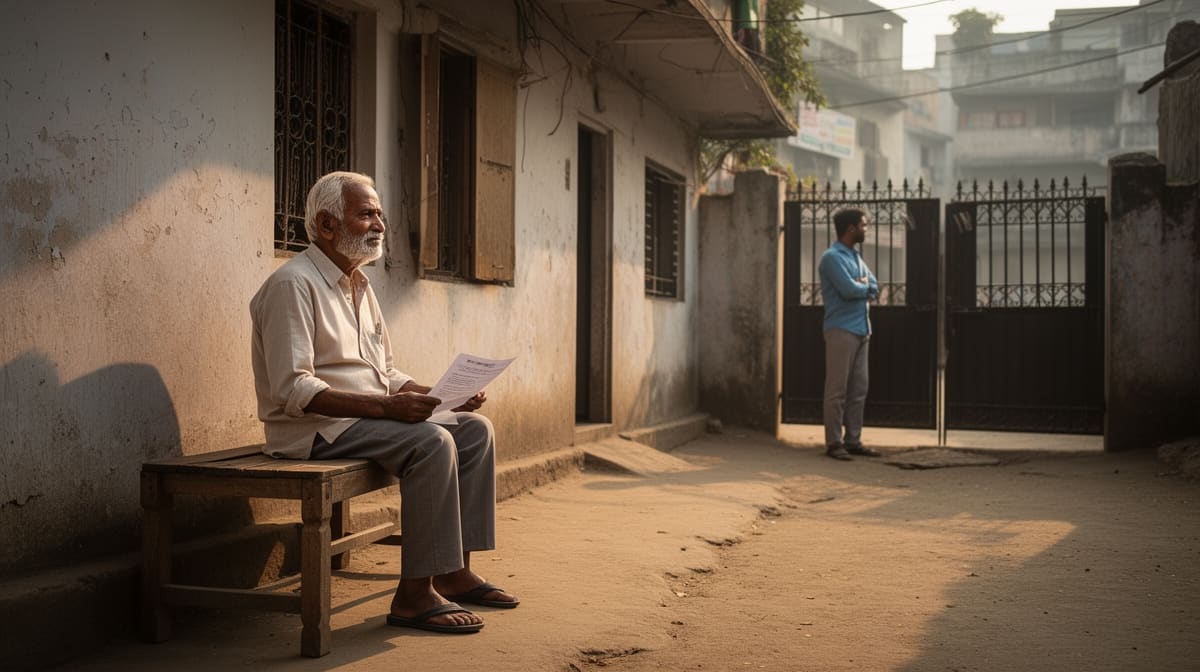
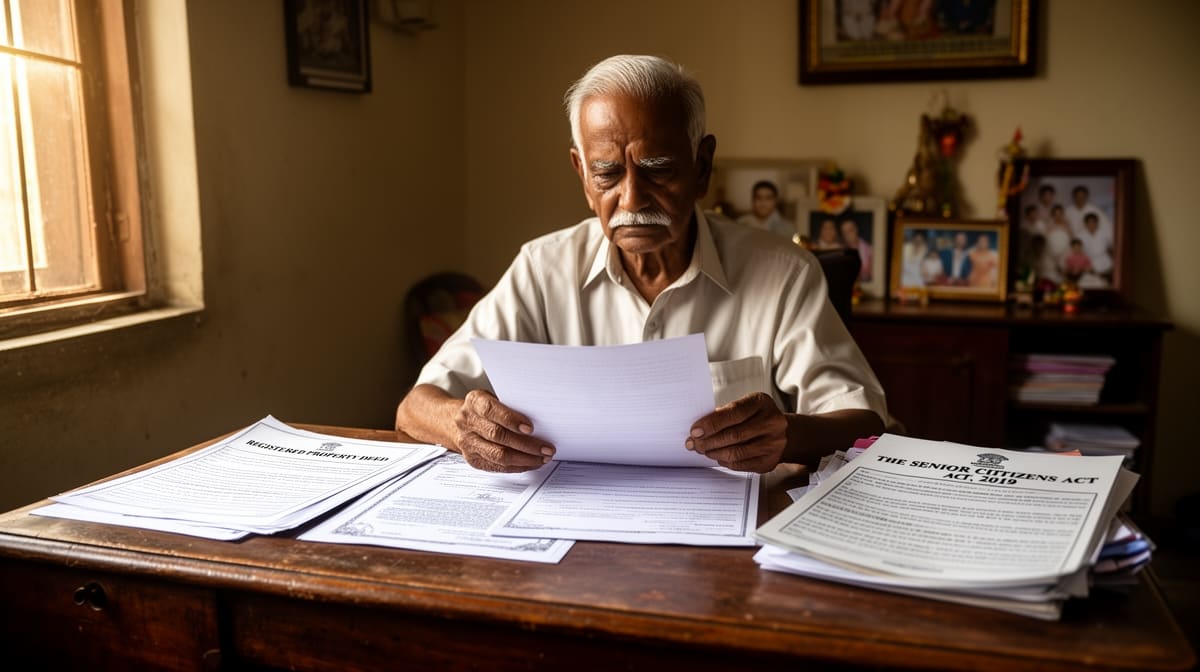
Senior Citizens Act Allows Tribunals to Order Eviction for Protection | Rejecting DV Act Challenge to Shared Household : Delhi HC
Case Law Analysis
|Delhi High Court

Senior Citizens Act Allows Tribunals to Order Eviction for Protection | Rejecting DV Act Challenge to Shared Household : Delhi HC

The Delhi High Court upheld the eviction provisions under the Senior Citizens Act, confirming that tribunals may direct a respondent to vacate premises to protect a senior citizen’s life and property. It clarified that such orders do not infringe the Domestic Violence Act’s shared household safeguard, impacting seniors facing abuse from co-habitants.

Non-compliance with Sec 33(2)(b) does not bar back-wage entitlement or tribunal jurisdiction | KSRTC dismissal : Karnataka HC
Case Law Analysis
|Karnataka High Court

Non-compliance with Sec 33(2)(b) does not bar back-wage entitlement or tribunal jurisdiction | KSRTC dismissal : Karnataka HC

Even though the employer failed to obtain prior approval under Sec 33(2)(b) before dismissing the employee, the High Court ruled that the workman remains entitled to back wages and that the Labour Court retains jurisdiction to assess misconduct. This protects dismissed workers from losing monetary relief due to procedural lapses by the employer.

Section 24 CPC | Registrar of Trade Marks is a 'Subordinate Court' for Transfer of Rectification Proceedings : Bombay HC
Case Law Analysis
|Bombay High Court

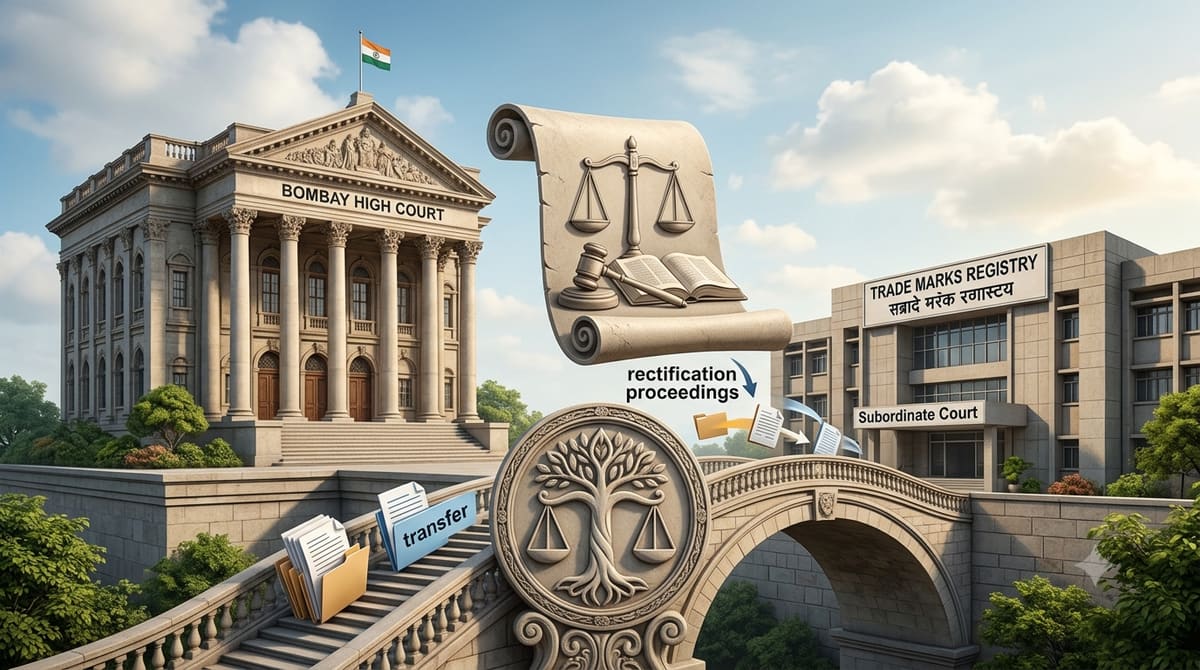
Section 24 CPC | Registrar of Trade Marks is a 'Subordinate Court' for Transfer of Rectification Proceedings : Bombay HC

Bombay High Court holds that the Registrar of Trade Marks qualifies as a 'Court' under Section 24 CPC, enabling transfer of rectification proceedings to be consolidated with infringement suits. This ruling streamlines adjudication by preventing parallel litigation and reinforces the contextual interpretation of 'Court' under procedural laws, impacting trademark litigants and IP practitioners.

Section 5 Limitation Act | Tribunals Lack Inherent Power to Condone Delay in Review Applications: CAT Lucknow Bench
Case Law Analysis
|Central Administrative Tribunal

Section 5 Limitation Act | Tribunals Lack Inherent Power to Condone Delay in Review Applications: CAT Lucknow Bench

CAT Lucknow rules that tribunals, including the Central Administrative Tribunal, cannot condone delay under Section 5 of the Limitation Act unless expressly empowered by statute or rules. The decision clarifies that the tribunal's procedural flexibility under Section 22 of the Administrative Tribunals Act does not extend to delay condonation, impacting review applicants across administrative law proceedings.

Remand Proceedings | Tribunal Cannot Overturn Binding Finding of State-Caused Delay in Construction Contracts : MP HC
Case Law Analysis
|Madhya Pradesh High Court

Remand Proceedings | Tribunal Cannot Overturn Binding Finding of State-Caused Delay in Construction Contracts : MP HC

The Madhya Pradesh High Court has ruled that when an arbitration award is remanded for fresh adjudication, the tribunal is bound by prior judicial findings on state-caused delay and cannot revisit or negate them. This reinforces the doctrine of judicial finality in construction arbitration, protecting contractors from arbitrary recalculations of delay liability even after remand.

Coram Non Judice | Eviction Orders Under Maintenance Act Void if Tribunal Improperly Constituted : Punjab & Haryana HC
Case Law Analysis
|Punjab and Haryana High Court

Coram Non Judice | Eviction Orders Under Maintenance Act Void if Tribunal Improperly Constituted : Punjab & Haryana HC

The Punjab and Haryana High Court ruled that eviction orders under the Maintenance and Welfare of Parents and Senior Citizens Act, 2007, passed by a tribunal lacking the mandated three-member bench, are null and void. The court emphasized strict adherence to procedural composition, remanding the matter for fresh adjudication before a legally constituted authority.

Alternative Remedy Bars Article 226 Writ Jurisdiction in Land Reforms Matters : Calcutta HC
Case Law Analysis
|Calcutta High Court

Alternative Remedy Bars Article 226 Writ Jurisdiction in Land Reforms Matters : Calcutta HC

The Calcutta High Court dismissed writ petitions challenging land reform orders, ruling that the West Bengal Land Reforms and Tenancy Tribunal Act, 1997, provides an effective statutory remedy, thereby ousting Single Bench jurisdiction under Article 226. This reinforces the principle that writ courts should not intervene when an alternative remedy is available, impacting land reform disputes in West Bengal.

Section 10(1) Industrial Relations Code 2020 | Civil Courts Barred from Adjudicating Trade Union Disputes Post-Enactment : Madras HC
Case Law Analysis
|Madras High Court

Section 10(1) Industrial Relations Code 2020 | Civil Courts Barred from Adjudicating Trade Union Disputes Post-Enactment : Madras HC

The Madras High Court held that civil courts lack jurisdiction over trade union disputes under the Industrial Relations Code 2020, effective from 21.11.2025, even if new tribunals are not yet constituted. Pending suits must be transferred to existing Industrial Tribunals, and interim injunctions granted by civil courts are void, impacting all ongoing and future trade union litigation.