Topic

Tribal Identity

Tribal identity in Indian law refers to the legal recognition of an individual as a member of a Scheduled Tribe under the Constitution (Scheduled Tribes) Order, 1950, based on historical, cultural, and documentary evidence predating independence.

5 articlesLatest May 2026
Scheduled Tribe Certificate | 'Mani' Must Be Read as 'Mana' Where No Such Caste Exists Under Constitution (Scheduled Tribes) Order : Bombay HC Nagpur Bench
Case Law Analysis
|Bombay High Court

Scheduled Tribe Certificate | 'Mani' Must Be Read as 'Mana' Where No Such Caste Exists Under Constitution (Scheduled Tribes) Order : Bombay HC Nagpur Bench

Bombay HC Nagpur Bench rules that where 'Mani' is not a recognized Scheduled Tribe but 'Mana' is, the certificate must be interpreted as 'Mana' to uphold constitutional protections. The judgment restores service and directs issuance of a validity certificate, reinforcing natural justice in caste verification processes.


Pre-1950 Documentary Evidence Conclusively Proves ST Identity | Affinity Test Cannot Override Caste Certificate: Bombay HC
Case Law Analysis
|Bombay High Court

Pre-1950 Documentary Evidence Conclusively Proves ST Identity | Affinity Test Cannot Override Caste Certificate: Bombay HC

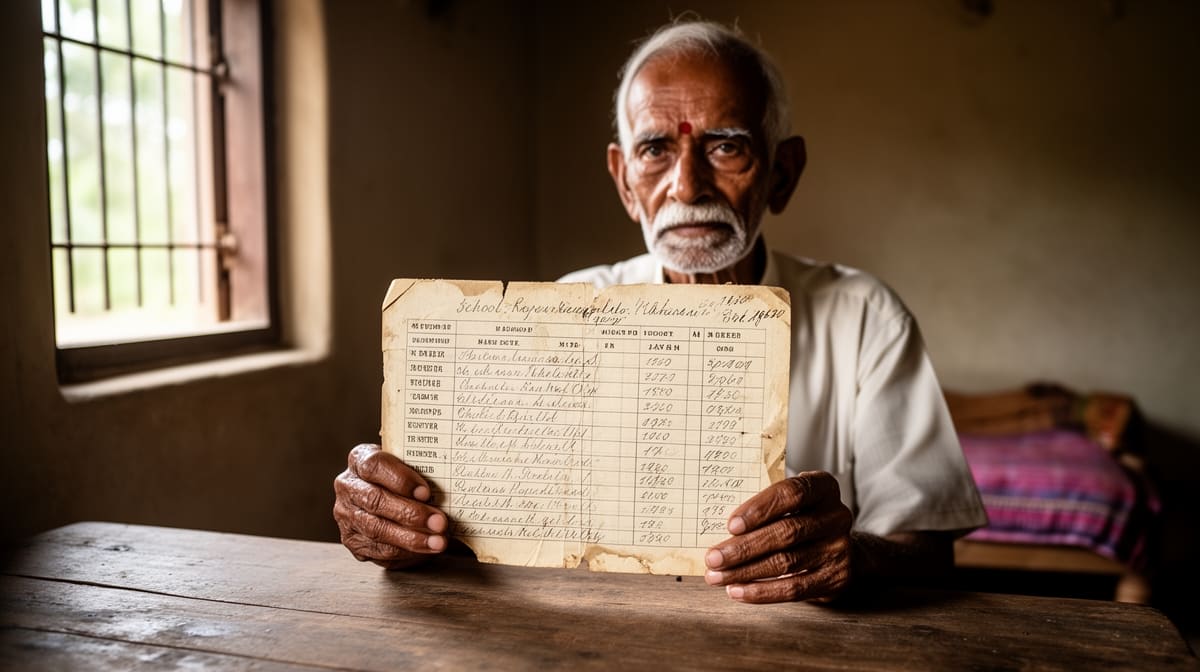
The Bombay High Court has ruled that caste certificates based on pre-constitutional documents - such as revenue records and school certificates from before 1950 - are conclusive proof of Scheduled Tribe status, and administrative affinity tests cannot override them. This sets a critical precedent for tribal claimants facing scrutiny in government appointments, ensuring historical documentation trumps subjective tribal linkage assessments.

Pre-Independence School Records Supersede Affinity Test for ST Certification | Bombay HC
Case Law Analysis
|Bombay High Court

Pre-Independence School Records Supersede Affinity Test for ST Certification | Bombay HC

The Bombay High Court has ruled that pre-independence school records conclusively establish Scheduled Tribe status, rendering rejection based on affinity tests or geographic restrictions legally invalid. This sets a critical precedent for tribal applicants relying on historical documentation, especially in regions where colonial-era records are the only verifiable proof of caste identity.