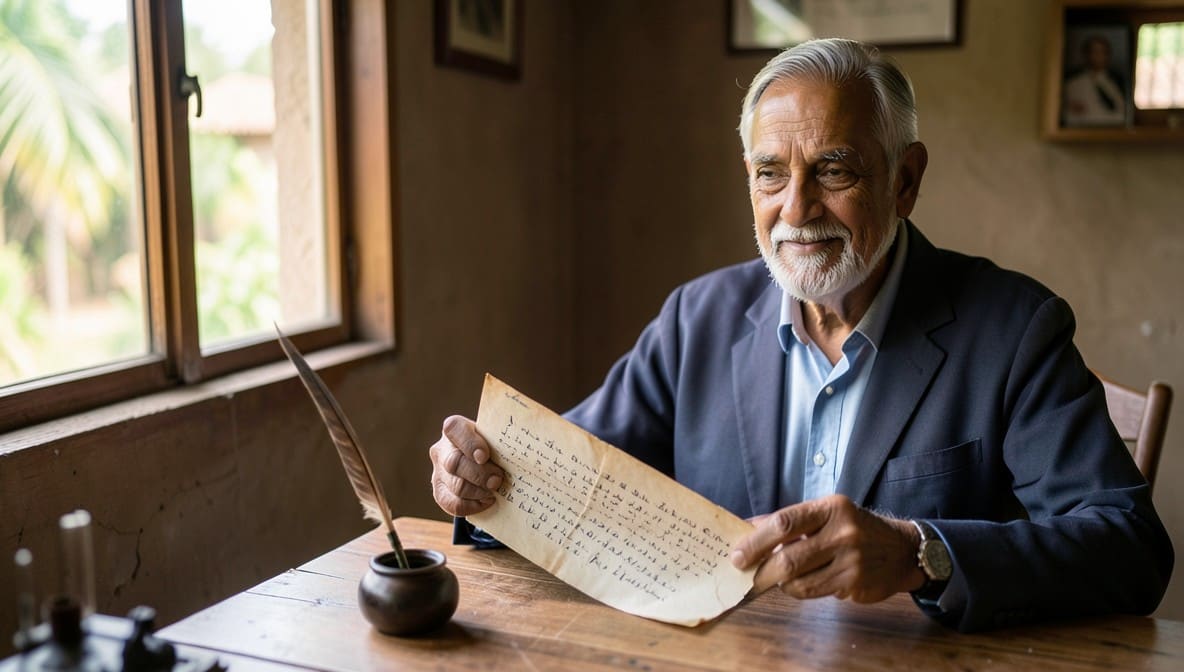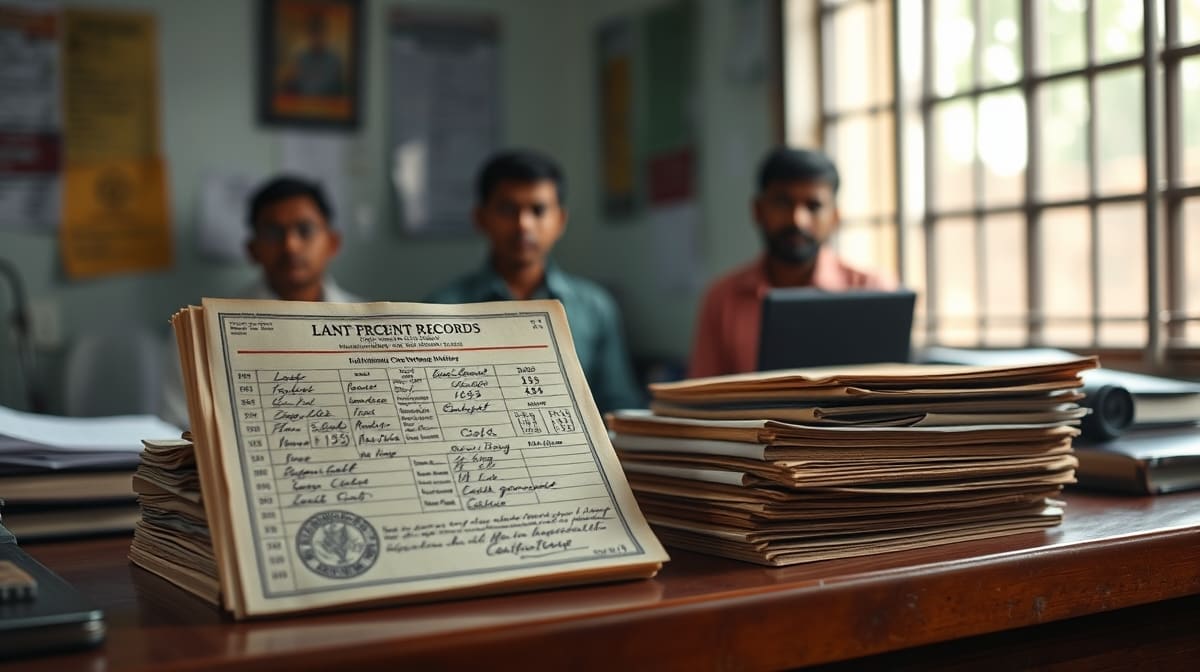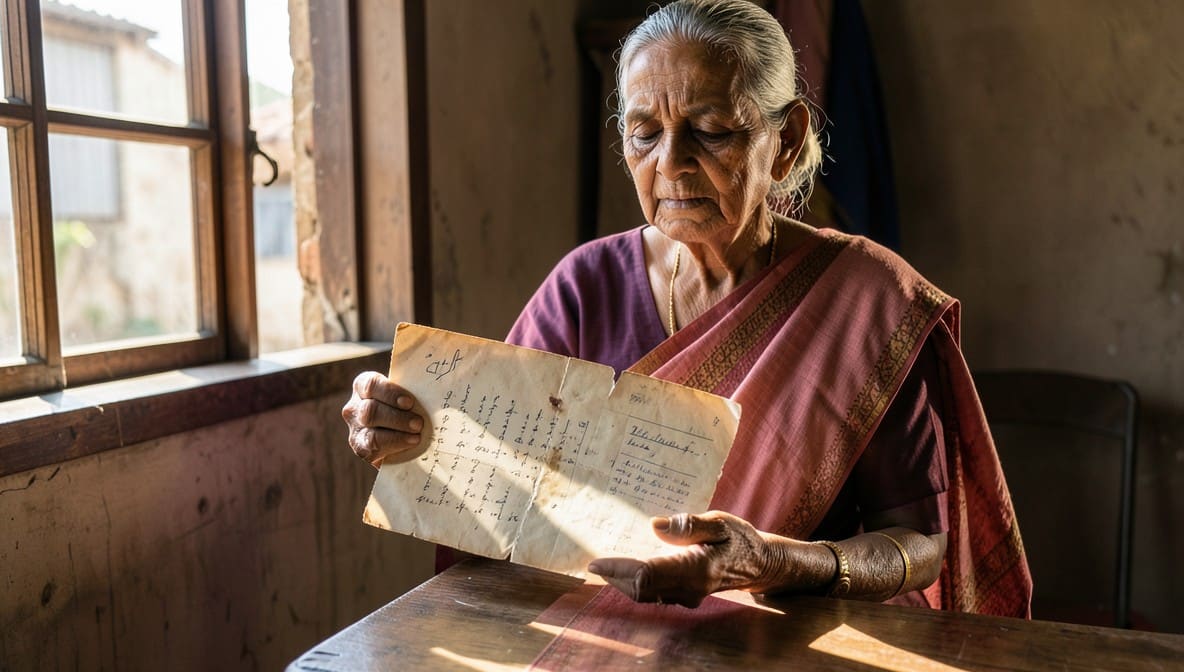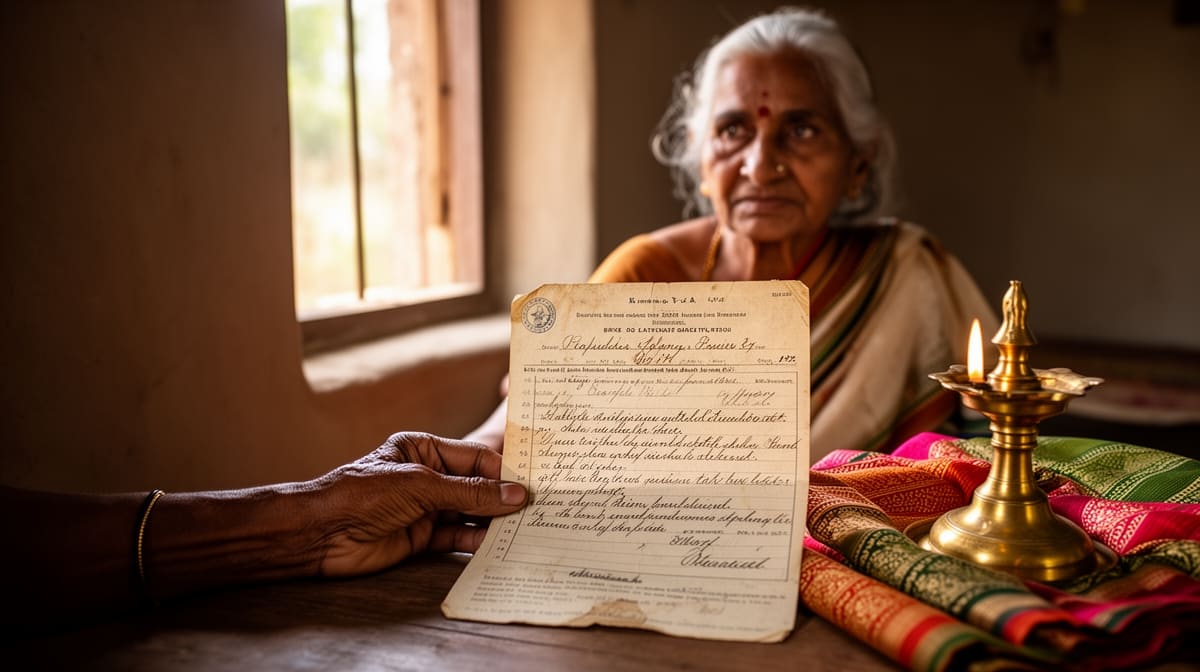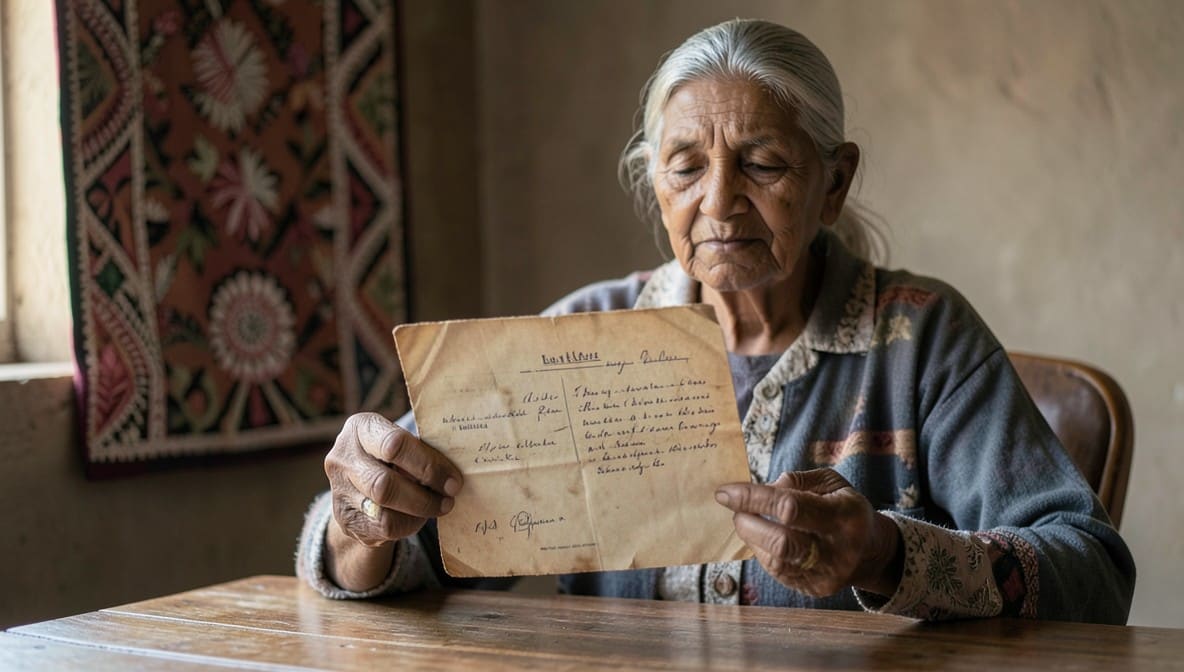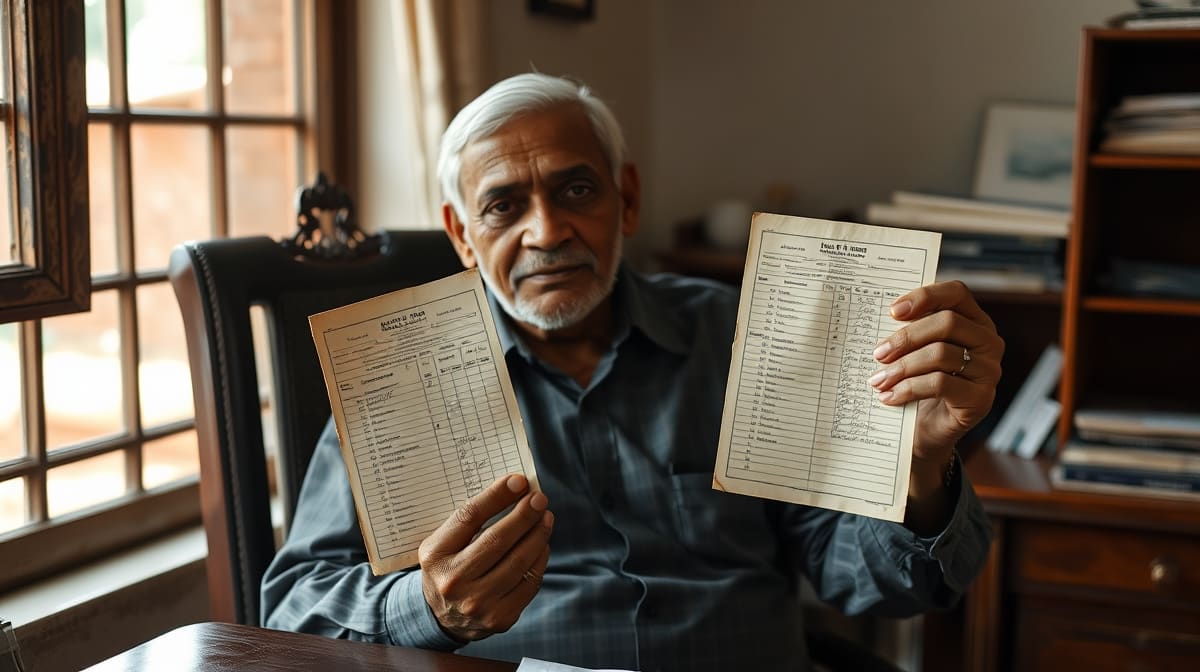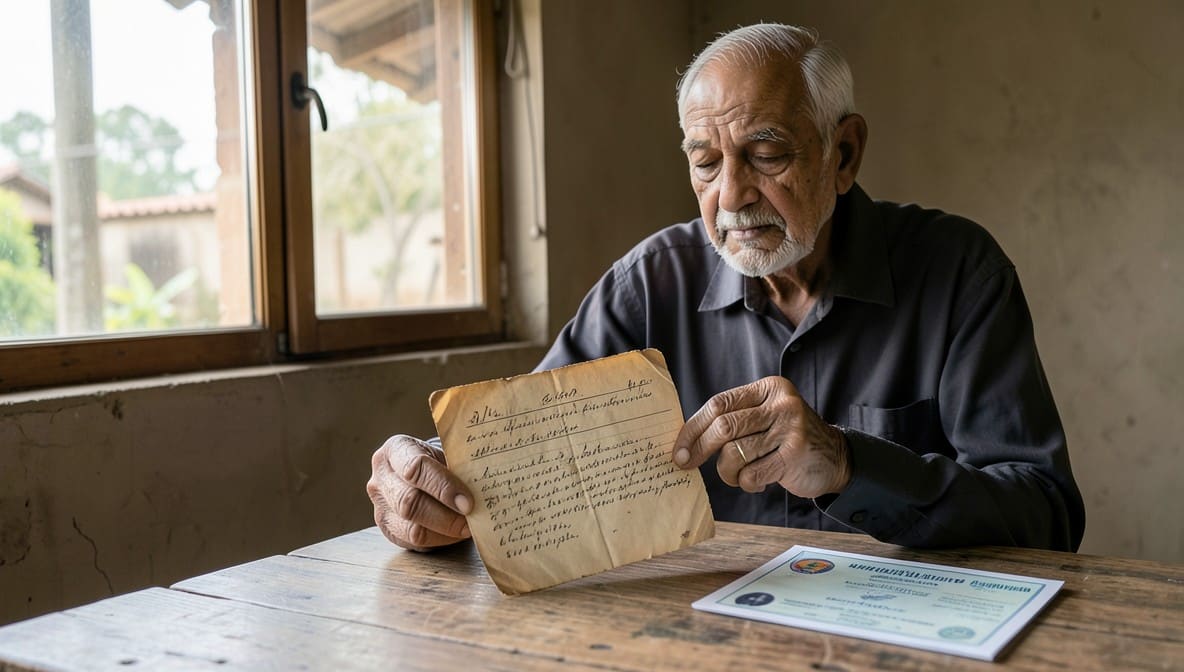
The Bombay High Court has reaffirmed that documentary evidence from the pre-independence era holds decisive weight in Scheduled Tribe certification disputes, rejecting the mechanical application of the affinity test as a standalone ground for rejection. This judgment provides critical clarity for applicants relying on ancestral records to establish tribal identity under the Constitutional Order.
Background & Facts
The Dispute
The petitioner, Ashok s/o Uttam Suryawanshi, sought recognition as a member of the 'Thakur' Scheduled Tribe under the Scheduled Castes and Scheduled Tribes Order (Presidential Order), 1950, specifically Entry No. 44 of the Maharashtra list. His application for a Scheduled Tribe certificate was rejected by the Scheduled Tribe Certificate Scrutiny Committee, Nandurbar Division, on 23.03.2021. The Committee invalidated his claim on two grounds: (1) failure to satisfy the 'affinity test' - alleged lack of anthropological or ethnological connection to the tribe - and (2) alleged non-compliance with area-specific restrictions for the 'Thakur' tribe.
Key Facts
- The petitioner submitted three school records as primary documentary evidence:
- His own school record dated 12.06.1968, recording caste as 'Hindu Thakur'
- His father’s school record dated 20.04.1933, recording caste as 'Thakur'
- His brother’s school record dated 15.06.1956, recording caste as 'Hindu Thakur'
- These documents were also verified during a Vigilance Cell enquiry, which confirmed their authenticity
- The petitioner’s father’s record (1933) predates India’s independence and was produced as evidence of ancestral tribal identity
- The Scrutiny Committee acknowledged the documents but dismissed them as insufficient because they did not explicitly state 'Scheduled Tribe'
- The Committee also referenced five categories of 'Thakur' in its records, but only Serial No. 1 (Thakur, Scheduled Tribe) was relevant; Serial Nos. 2 and 3 referred to 'Thakar', and Serial Nos. 4 and 5 referred to upper-caste 'Thakur'
- No evidence was presented to show that the petitioner or his ancestors belonged to the upper-caste 'Thakur'
- The petitioner’s uncle’s caste was recorded as 'Brahmbhat', but this was held irrelevant to the lineage-based claim
Procedural History
- 23.03.2021: Scheduled Tribe Certificate Scrutiny Committee, Nandurbar, rejected the petitioner’s application
- 17.03.2022: Writ Petition No. 696 of 2022 filed before the Bombay High Court, Aurangabad Bench
- 27.03.2026: Judgment pronounced by the Division Bench
Relief Sought
The petitioner sought quashing of the Scrutiny Committee’s order dated 23.03.2021 and a direction to issue a valid Scheduled Tribe certificate recognizing him as belonging to the 'Thakur' Scheduled Tribe.
The Legal Issue
The central question was whether the rejection of a Scheduled Tribe claim based solely on the affinity test and area restrictions, while ignoring pre-independence documentary evidence establishing caste as 'Thakur', is legally sustainable under the Constitutional Order and relevant judicial precedents.
Arguments Presented
For the Petitioner
The petitioner’s counsel argued that the school records of his father (1933) and brother (1956) are pre-independence documents of high probative value, as recognized by the Supreme Court in Anand v. Committee for Scrutiny and Verification of Tribe Claims. He relied on the Bombay High Court’s decision in Abasaheb s/o Gulabrao Thakur v. State of Maharashtra and Lahu Dashrath Thakur v. Scheduled Tribe Certificate Scrutiny Committee, which held that the mere mention of 'Thakur' in pre-constitutional records cannot be dismissed without proof of upper-caste affiliation. He contended that the affinity test cannot override documentary evidence and must only serve as a corroborative tool.
For the Respondent
The Additional Government Pleader did not dispute the legal principles laid down in Abasaheb s/o Gulabrao Thakur or Lahu Dashrath Thakur. However, she relied on the Supreme Court’s judgment in Maharashtra Adiwasi Thakur Jamat Swarakshan Samiti v. State of Maharashtra (2023) to argue that the affinity test remains a relevant factor and that the Scrutiny Committee was justified in applying it. She contended that since 'Thakur' is also an upper-caste surname, the Committee was entitled to scrutinize the claim further.
The Court's Analysis
The Court undertook a detailed review of the Supreme Court’s jurisprudence on caste verification, particularly the landmark observations in Anand v. Committee for Scrutiny and Verification of Tribe Claims. The Court emphasized that while the affinity test may be used to corroborate documentary evidence, it cannot be the sole or decisive criterion for rejecting a claim.
"It is manifest from the afore-extracted paragraph that the genuineness of a caste claim has to be considered not only on a thorough examination of the documents submitted in support of the claim but also on the affinity test, which would include the anthropological and ethnological traits etc., of the applicant. However, it is neither feasible nor desirable to lay down an absolute rule, which could be applied mechanically to examine a caste claim... The affinity test may be used to corroborate the documentary evidence and should not be the sole criteria to reject a claim."
The Court noted that the Scrutiny Committee’s rejection was based on two flawed premises: first, that the absence of the phrase 'Scheduled Tribe' in pre-independence records invalidated the claim; and second, that the petitioner failed the affinity test. The Court held that in 1933, such explicit categorization was neither required nor feasible. The mere mention of 'Thakur' in school records from that era was sufficient to establish ancestral identity.
The Court further distinguished the Supreme Court’s ruling in Maharashtra Adiwasi Thakur Jamat Swarakshan Samiti, clarifying that while the Court cautioned against automatic acceptance of 'Thakur' as a Scheduled Tribe surname, it also held that mechanical referral to the Vigilance Cell is impermissible when credible pre-independence documents are produced. The Court observed:
"Only on the ground that the persons having the surname Thakur may belong to a forward caste as well, it is not necessary that in every case, the Scrutiny Committee should send the case to the Vigilance Cell. It all depends on the nature of the documents produced before the Caste Scrutiny Committee and the probative value of the documents."
The Court found no material to suggest that the petitioner’s family belonged to the upper-caste 'Thakur'. The uncle’s caste as 'Brahmbhat' did not negate the lineage-based claim. The Committee’s reliance on area restrictions was also held to be unsupported by any statutory or regulatory provision.
The Verdict
The petitioner succeeded. The Bombay High Court quashed and set aside the Scrutiny Committee’s order dated 23.03.2021. The Court directed the Scheduled Tribe Certificate Scrutiny Committee, Nandurbar Division, to issue a valid Scheduled Tribe certificate to the petitioner recognizing him as belonging to the 'Thakur' Scheduled Tribe under Entry No. 44 of the Maharashtra list.
What This Means For Similar Cases
Pre-Independence Documents Are Conclusive Absent Contradictory Evidence
- Practitioners must prioritize the submission of pre-independence school, land, or service records when establishing ancestral tribal identity
- The absence of the term 'Scheduled Tribe' in such records cannot be grounds for rejection
- Any rejection based on this ground is legally unsustainable and liable to be quashed
Affinity Test Is Corroborative, Not Determinative
- The affinity test must be used only to supplement documentary evidence, not to override it
- Claims cannot be rejected solely on grounds of cultural assimilation, modern lifestyle, or deviation from traditional customs
- Vigilance Cell referrals must be justified by specific doubts about document authenticity, not merely because 'Thakur' is a common surname
Area Restrictions Are Not Statutorily Mandated
- No provision in the Constitutional Order or Maharashtra State Rules imposes area-based eligibility for Scheduled Tribe status
- Rejection on this basis is arbitrary and violates the principle of equal protection under Article 14
- Practitioners should challenge such restrictions as ultra vires and without legal basis