Topic

Section 17 SARFAESI

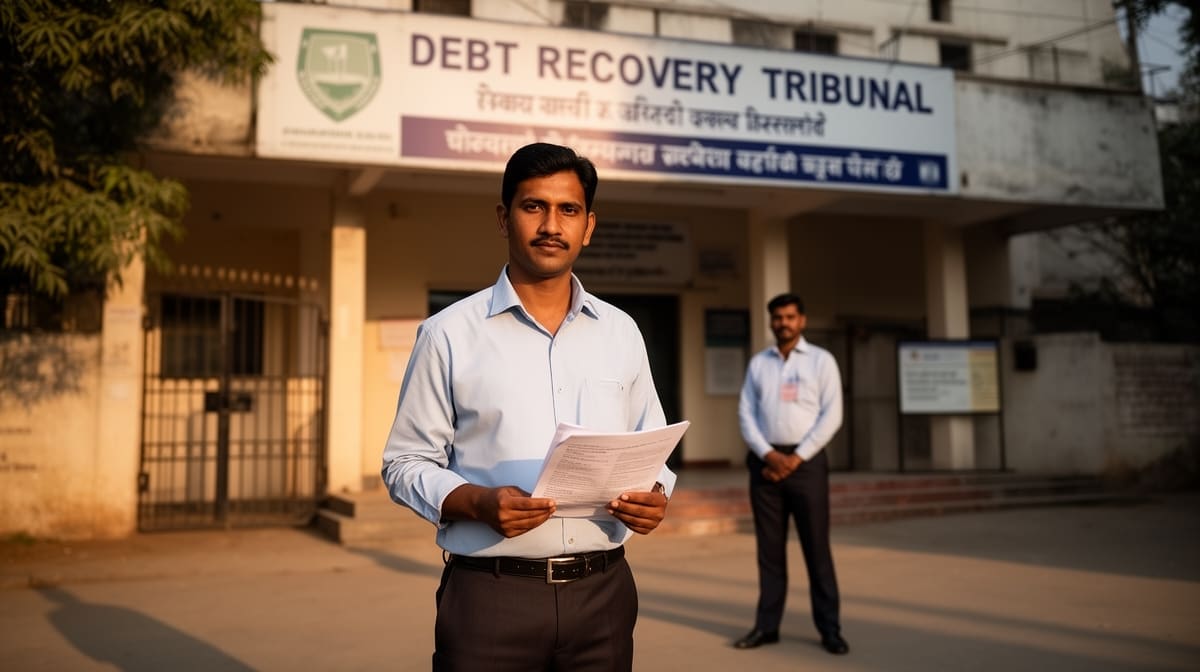
Section 17 of the SARFAESI Act provides a statutory remedy for borrowers or aggrieved parties to challenge actions taken by secured creditors under the Act, exclusively before the Debt Recovery Tribunal (DRT).

6 articlesLatest June 2026
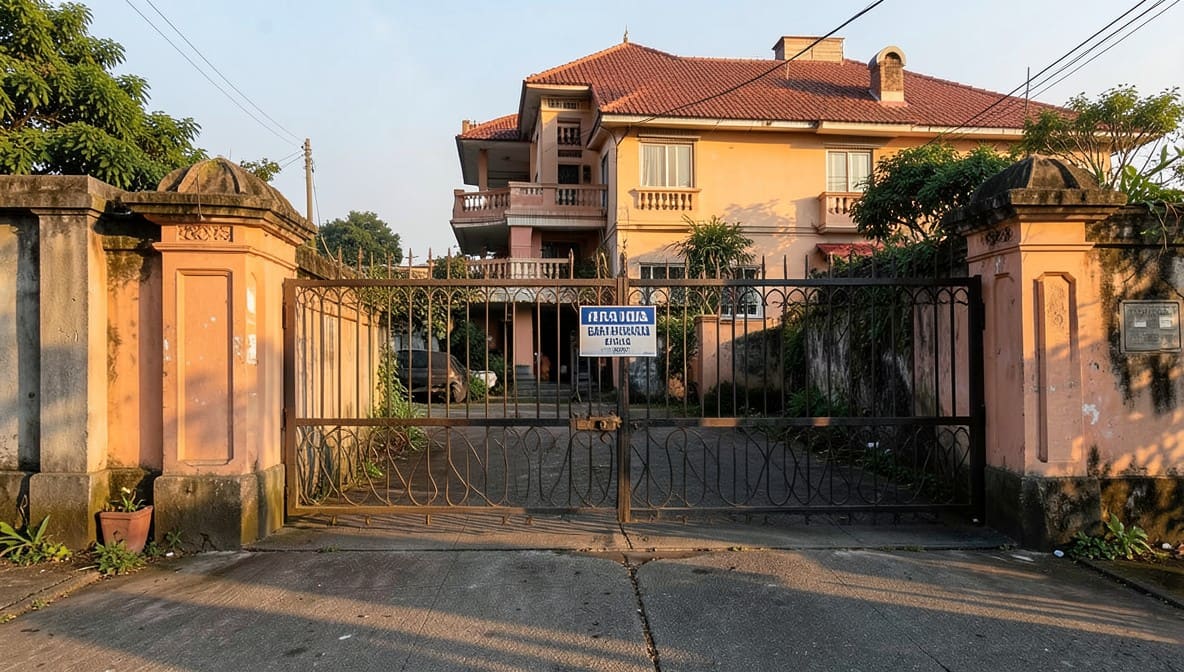
SARFAESI Act Section 17 | Non-Borrower Has Standing to Challenge Asset Sale; Sale Stayed Until Certified Copy of DRT Order Is Obtained : Kerala HC
Case Law Analysis
|Kerala High Court

SARFAESI Act Section 17 | Non-Borrower Has Standing to Challenge Asset Sale; Sale Stayed Until Certified Copy of DRT Order Is Obtained : Kerala HC

The Kerala High Court has ruled that a third party with a legitimate interest in property, even if not a borrower or guarantor, can invoke Section 17 of the SARFAESI Act to challenge a bank’s recovery action. The sale of the property must be stayed until the appellant obtains a certified copy of the DRT’s order, ensuring procedural fairness and preventing irreversible harm before legal redress is complete.
SARFAESI Act Section 17 | Exclusive DRT Remedy Bars High Court Writ Jurisdiction Under Article 226 : Bombay HC
Case Law Analysis
|Bombay High Court

SARFAESI Act Section 17 | Exclusive DRT Remedy Bars High Court Writ Jurisdiction Under Article 226 : Bombay HC

Bombay High Court reaffirms that borrowers must exhaust the statutory remedy under Section 17 of the SARFAESI Act before approaching writ courts, dismissing a petition challenging a Section 14 order. The ruling reinforces the Supreme Court's stance in Celir LLP and Satyawati Tandon, limiting judicial intervention where alternative remedies exist.

Section 17 SARFAESI Act | Writ Petition Under Article 226 Barred When Statutory Remedy Exists : Allahabad HC
Case Law Analysis
|Allahabad High Court

Section 17 SARFAESI Act | Writ Petition Under Article 226 Barred When Statutory Remedy Exists : Allahabad HC

Allahabad High Court reinforces that borrowers cannot bypass the Debt Recovery Tribunal (DRT) under Section 17 of the SARFAESI Act by filing writ petitions under Article 226. The ruling clarifies that private financial institutions acting under the SARFAESI Act are not subject to writ jurisdiction when an efficacious alternative remedy is available, impacting recovery proceedings for banks and NBFCs.

Exhaustion of Remedies Mandatory | Section 17 SARFAESI Act Bars Writ Petition Before DRT Approach : Punjab & Haryana HC
Case Law Analysis
|Punjab and Haryana High Court

Exhaustion of Remedies Mandatory | Section 17 SARFAESI Act Bars Writ Petition Before DRT Approach : Punjab & Haryana HC

The Punjab & Haryana High Court ruled that borrowers must first approach the Debt Recovery Tribunal (DRT) under Section 17 of the SARFAESI Act before invoking writ jurisdiction. The Court dismissed the petition but granted a 30-day window to file before the DRT without limitation, reinforcing the statutory remedy exhaustion principle for secured creditor disputes.