Topic

Section 153C Income Tax Act

Section 153C of the Income Tax Act, 1961, allows the tax department to assess a person based on incriminating material found during a search of another person, provided a satisfaction note is recorded and the material directly links the assessee to undisclosed income.

10 articlesLatest July 2026
Section 153C IT Act | Reassessment Barred if Deemed Search Date Is on or After 01.04.2021: ITAT Delhi
Case Law Analysis
|Income Tax Appellate Tribunal

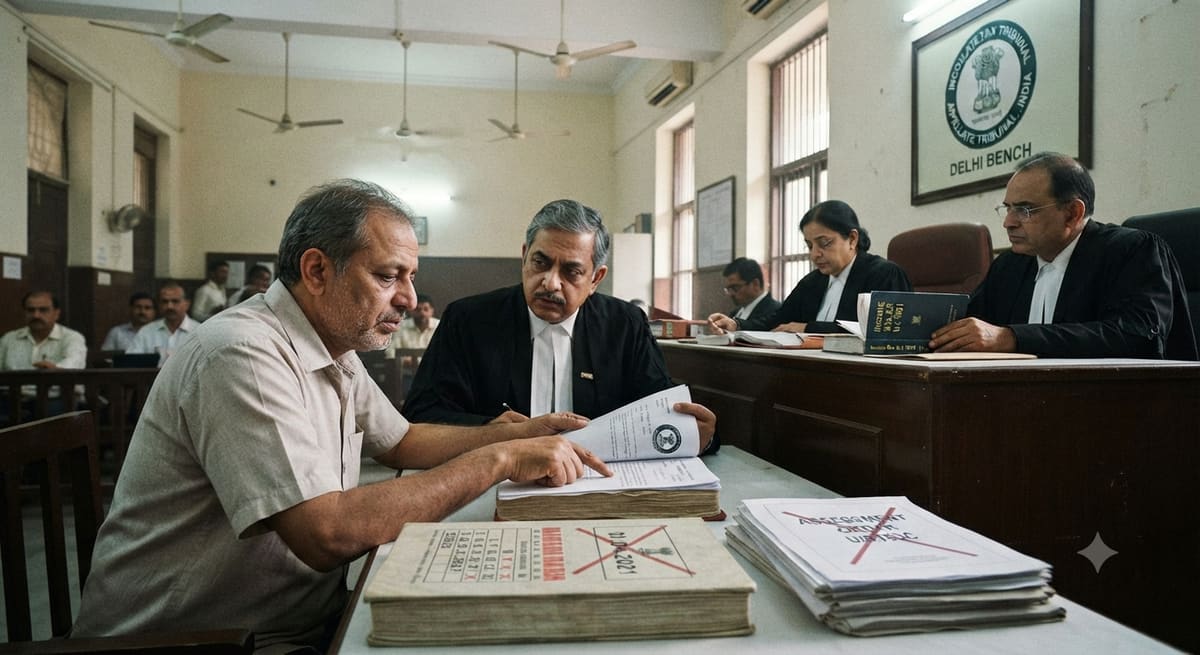
Section 153C IT Act | Reassessment Barred if Deemed Search Date Is on or After 01.04.2021: ITAT Delhi

The ITAT Delhi has ruled that reassessments under Section 153C cannot proceed if the deemed date of search falls on or after April 1, 2021, due to the Finance Act 2021 amendment that eliminated the power to initiate such proceedings beyond that date. This decision protects taxpayers from retrospective application of reassessment powers and clarifies the temporal limits of search-related assessments under the Income Tax Act.

Section 153C Income Tax Act | Assessment Invalid Without Incriminating Material Belonging to Assessee Found During Third-Party Search : ITAT Delhi
Case Law Analysis
|Income Tax Appellate Tribunal

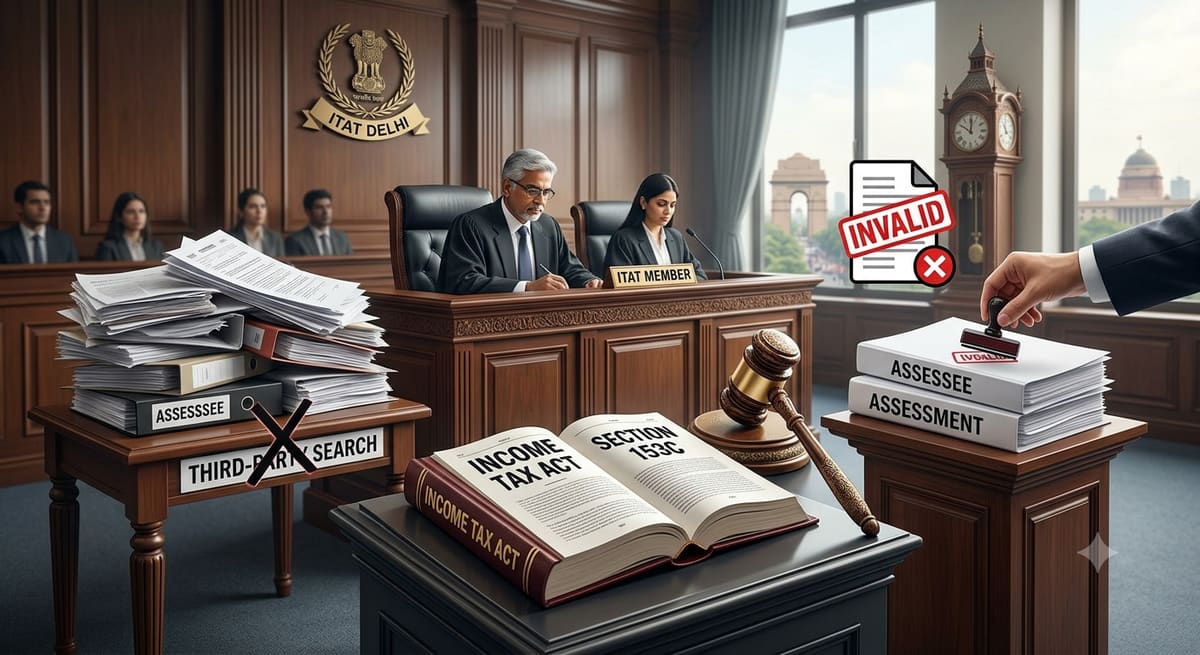
Section 153C Income Tax Act | Assessment Invalid Without Incriminating Material Belonging to Assessee Found During Third-Party Search : ITAT Delhi

The ITAT Delhi has ruled that an assessment under Section 153C cannot stand unless incriminating material directly belonging to the assessee is discovered during a search of a third party. This clarifies a critical jurisdictional limit on the tax department’s power to reassess unrelated taxpayers, reinforcing natural justice and statutory compliance in income tax proceedings.

Section 153C IT Act | Block Period for Non-Search Assessments Starts from Receipt of Seized Docs, Not Search Date : ITAT Delhi
Case Law Analysis
|Income Tax Appellate Tribunal

Section 153C IT Act | Block Period for Non-Search Assessments Starts from Receipt of Seized Docs, Not Search Date : ITAT Delhi

The ITAT Delhi has ruled that for non-searched persons under Section 153C, the ten-year assessment block begins when the Assessing Officer receives seized documents - not from the date of the original search. This clarifies jurisdictional limits and protects taxpayers from retrospective assessments based on delayed document transfers, impacting thousands of pending cases involving third-party seizures.

Section 153C ITA | Assessment Based on Third-Party Search Material Must Follow Special Regime, Not Section 147 Reassessment : ITAT Mumbai
Case Law Analysis
|Bombay High Court

Section 153C ITA | Assessment Based on Third-Party Search Material Must Follow Special Regime, Not Section 147 Reassessment : ITAT Mumbai

When tax assessment relies on documents seized from a person other than the assessee, the Income Tax Appellate Tribunal mandates that Section 153C’s special assessment regime applies exclusively - overriding the general reassessment power under Section 147. This clarifies jurisdictional boundaries for assessing unrelated parties and prevents arbitrary reassessments based on unrelated search material.

Section 153C IT Act | Assessments Void Without Incriminating Material Linking Assessee to Alleged Income : ITAT Delhi
Case Law Analysis
|Income Tax Appellate Tribunal

Section 153C IT Act | Assessments Void Without Incriminating Material Linking Assessee to Alleged Income : ITAT Delhi

ITAT Delhi sets aside assessments under Section 153C where no incriminating material connects the assessee to alleged commission receipts. The ruling invalidates protective additions when substantive additions fail, reinforcing that jurisdictional validity under Section 153C hinges on direct evidence linking the assessee to undisclosed income.

Section 153C IT Act | Limitation Period for Third-Party Search Assessments Begins from Satisfaction Note Date, Not Original Search : ITAT Delhi
Case Law Analysis
|Income Tax Appellate Tribunal

Section 153C IT Act | Limitation Period for Third-Party Search Assessments Begins from Satisfaction Note Date, Not Original Search : ITAT Delhi

ITAT Delhi rules that the 10-year block period for assessments under Section 153C of the Income Tax Act commences from the date of the satisfaction note recording incriminating material against the assessee, not the original search date. This holding invalidates assessments for AYs 2010-11 to 2013-14, reinforcing the jurisdictional High Court precedent in PCIT Vs. Ojjus Medicare Pvt. Ltd. and clarifying the limitation framework for search-based assessments.

Section 153C Income Tax Act | Incriminating Documents Must Specifically Name Assessee to Justify Additions: ITAT Delhi
Case Law Analysis
|Income Tax Appellate Tribunal

Section 153C Income Tax Act | Incriminating Documents Must Specifically Name Assessee to Justify Additions: ITAT Delhi

ITAT Delhi rules that additions under Section 153C of the Income Tax Act require incriminating documents to explicitly mention the assessee. The tribunal set aside an addition of Rs. 15.37 lakh for lack of direct evidence linking the assessee to the alleged unexplained expenditure, reinforcing the evidentiary burden in search and seizure proceedings.

Section 153C Income Tax Act | Assessments Time-Barred If Satisfaction Note Not Recorded Within 6 AYs: ITAT Delhi Upholds Ojjus Medicare Precedent
Case Law Analysis
|Income Tax Appellate Tribunal

Section 153C Income Tax Act | Assessments Time-Barred If Satisfaction Note Not Recorded Within 6 AYs: ITAT Delhi Upholds Ojjus Medicare Precedent

ITAT Delhi quashes assessments for AY 2014-15 and 2015-16, ruling that satisfaction notes under Section 153C must be recorded within six assessment years to validate proceedings. The tribunal reaffirms the Delhi High Court’s holding in Ojjus Medicare, emphasizing strict procedural compliance to prevent time-barred assessments.

Section 153C Income Tax Act | Six-Year Reopening Window Tied to Satisfaction Note Date, Not Search Date : ITAT Delhi
Case Law Analysis
|Income Tax Appellate Tribunal

Section 153C Income Tax Act | Six-Year Reopening Window Tied to Satisfaction Note Date, Not Search Date : ITAT Delhi

The ITAT Delhi has ruled that assessments under Section 153C can only reopen income for six years preceding the date of the satisfaction note, not the search operation. This clarifies jurisdictional limits for non-searched persons and prevents retrospective expansion of assessments beyond the statutory window, offering critical relief to taxpayers caught in delayed post-search proceedings.