Topic

Remand

Remand in Indian law refers to a higher court sending a case back to a lower court for proper reconsideration due to procedural errors or violation of natural justice.

14 articlesLatest 2 hours ago
RERA Appellate Tribunal Must Remand for First-Instance Merits Adjudication When Authority Dismisses on Maintainability : Bombay HC
Case Law Analysis
|Bombay High Court

RERA Appellate Tribunal Must Remand for First-Instance Merits Adjudication When Authority Dismisses on Maintainability : Bombay HC

The Bombay High Court ruled that the RERA Appellate Tribunal cannot adjudicate merits when the Regulatory Authority dismissed a complaint on maintainability grounds without a merits hearing. Doing so would deprive parties of their statutory right to first-instance adjudication and a subsequent appeal. The Tribunal must remand the matter to the Authority for fresh merits determination.

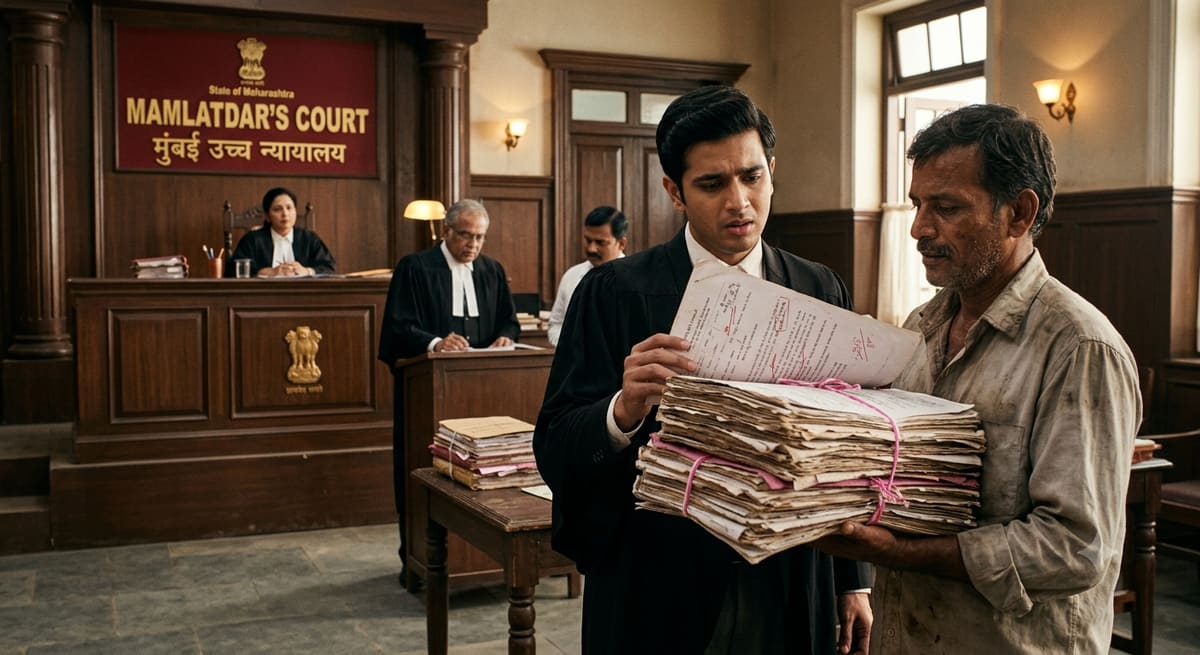
Sections 7 and 9, Mamlatdar's Courts Act | Non-Compliant Pleadings Must Be Remanded for Amendment, Not Dismissed : Bombay HC
Case Law Analysis
|Bombay High Court

Sections 7 and 9, Mamlatdar's Courts Act | Non-Compliant Pleadings Must Be Remanded for Amendment, Not Dismissed : Bombay HC

The Bombay High Court has ruled that defects in pleadings under Sections 7 and 9 of the Mamlatdar's Courts Act, such as lack of verification or missing cause of action date, do not warrant outright dismissal. Instead, authorities must allow amendment and remand for fresh adjudication, preserving access to summary revenue remedies while upholding procedural fairness for litigants in property and land disputes.

Consumer Protection Act | Ex Parte Order Set Aside for Non-Service of Notice Violates Natural Justice : West Bengal SC
Case Law Analysis

Consumer Protection Act | Ex Parte Order Set Aside for Non-Service of Notice Violates Natural Justice : West Bengal SC

The West Bengal State Consumer Commission has set aside an ex parte order against Bajaj Allianz Life Insurance for failing to serve notice, reinforcing that insurers cannot be penalized without a fair opportunity to defend. This ruling strengthens procedural safeguards for corporate respondents in consumer disputes and reaffirms natural justice as non-negotiable under the Consumer Protection Act.

Natural Justice | Dismissal of Land Acquisition Reference Without Final Hearing After Evidence Concludes Violates Right to Be Heard : MP HC Gwalior
Case Law Analysis
|Madhya Pradesh High Court

Natural Justice | Dismissal of Land Acquisition Reference Without Final Hearing After Evidence Concludes Violates Right to Be Heard : MP HC Gwalior

The Madhya Pradesh High Court has ruled that dismissing a land acquisition reference after evidence concludes but before final arguments - even due to administrative delays - violates the fundamental right to be heard. This sets a critical precedent for quasi-judicial bodies: procedural fairness cannot be sacrificed for docket management, and parties must be given a meaningful opportunity to argue on framed issues.

Hindu Marriage Act Section 13 | Right to Cross-Examine Cannot Be Denied Due to Medical Incapacity: Bombay HC Orders Remand for Fair Hearing
Case Law Analysis
|Bombay High Court

Hindu Marriage Act Section 13 | Right to Cross-Examine Cannot Be Denied Due to Medical Incapacity: Bombay HC Orders Remand for Fair Hearing

The Bombay High Court has ruled that a divorce decree must be set aside when a spouse is medically incapacitated - such as by a paralytic stroke - and denied the opportunity to cross-examine the petitioner. This violates Article 21 and the foundational principle of natural justice, requiring remand to ensure a meaningful hearing. The ruling binds Family Courts to prioritize procedural fairness over procedural expediency in matrimonial disputes.

Reliance on Set-Aside Precedent Invalidates EPF Adjudication | Section 14B EPF Act : Bombay HC
Case Law Analysis
|Bombay High Court

Reliance on Set-Aside Precedent Invalidates EPF Adjudication | Section 14B EPF Act : Bombay HC

The Bombay High Court quashed an EPF Appellate Tribunal order built entirely on a Delhi HC judgment later overturned by the Supreme Court. This ruling establishes that tribunals cannot depend on judicial precedents that have been expressly set aside - reinforcing that binding law must reflect the highest court’s current interpretation, not defunct rulings. Employers and employees alike must now expect adjudications grounded in live, authoritative precedent.