Topic

Public Utility Law

Public Utility Law in India governs the regulation and delivery of essential services like electricity, water, and telecommunications, ensuring equitable access and protection of consumer rights under statutes such as the Electricity Act, 2003 and Indian Telegraph Act, 1885.

5 articlesLatest May 2026
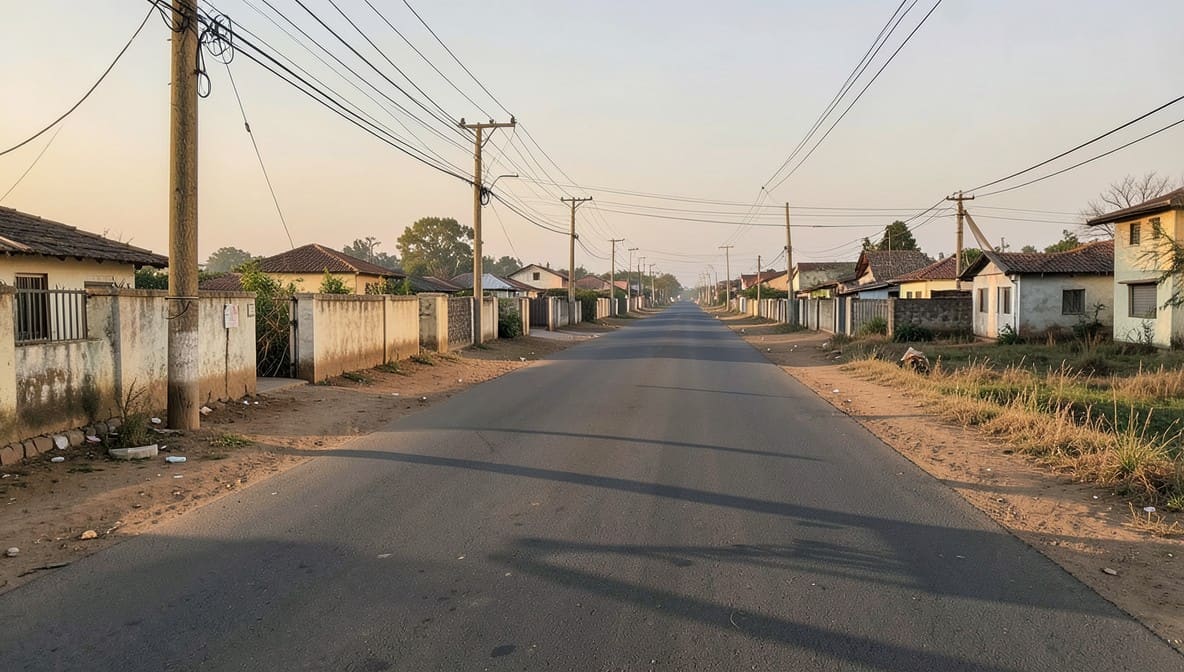
Rule 3 Works of Licensees Rules 2006 | No Prior Consent Needed for Electric Line Installation on Public Roads : Allahabad HC
Case Law Analysis
|Allahabad High Court

Rule 3 Works of Licensees Rules 2006 | No Prior Consent Needed for Electric Line Installation on Public Roads : Allahabad HC

Allahabad HC rules that electricity distribution companies do not require prior consent from landowners or occupants under Rule 3 of the Works of Licensees Rules, 2006, when installing electric poles along public roads. The court held the rule applies only to private land, not public rights of way, dismissing a PIL challenging the installation.

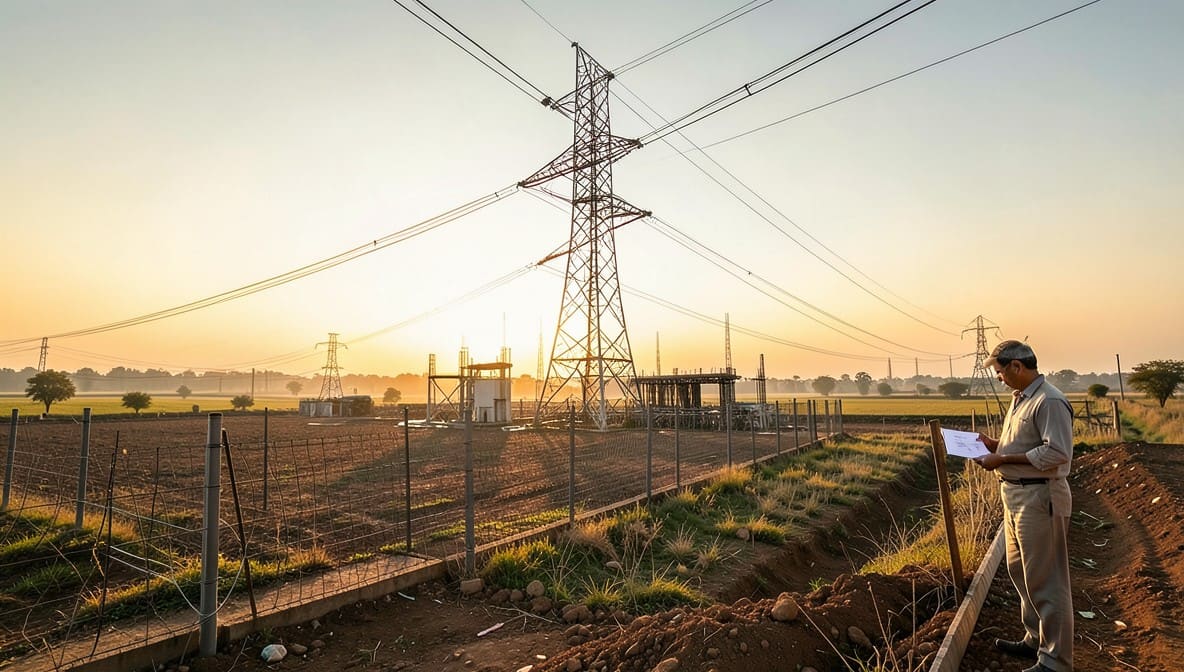
Section 43 IE Supply Act & Bihar Supply Code | Occupier’s Statutory Right to Electricity Connection Even Without Ownership Proof : Patna HC
Case Law Analysis
|Patna High Court

Section 43 IE Supply Act & Bihar Supply Code | Occupier’s Statutory Right to Electricity Connection Even Without Ownership Proof : Patna HC

Patna High Court reinforces that electricity licensees must accept and process connection applications from occupiers within four weeks, even if they lack ownership documents, under Section 43 of the Indian Electricity Supply Act, 2003 and Clause 4.13(B) of the Bihar Electricity Supply Code. The ruling mandates compliance with statutory duty, protecting occupiers' rights to essential utilities.

Indian Telegraph Act, 1885 | Power Grid Must Pay Provisional ROW Compensation While Petitioner Retains Right to Claim Enhanced Remuneration : Rajasthan HC
Case Law Analysis
|Rajasthan High Court

Indian Telegraph Act, 1885 | Power Grid Must Pay Provisional ROW Compensation While Petitioner Retains Right to Claim Enhanced Remuneration : Rajasthan HC

The Rajasthan High Court has ordered Power Grid Corporation to deposit ₹1.22 crore as provisional compensation for right-of-way acquisition over private land, while preserving the landowner’s right to seek full fair market value under the Indian Telegraph Act, 1885. This sets a critical precedent for infrastructure projects: provisional payments cannot substitute the statutory right to just compensation, ensuring landowners are not left financially stranded during prolonged valuation disputes.

Section 126 Electricity Act, 2003 | Final Assessment Order Mandatory Before Electricity Disconnection to Protect Livelihood Rights : Bombay HC
Case Law Analysis
|Bombay High Court

Section 126 Electricity Act, 2003 | Final Assessment Order Mandatory Before Electricity Disconnection to Protect Livelihood Rights : Bombay HC

The Bombay High Court has ruled that electricity suppliers cannot disconnect power without a final assessment order under Section 126 of the Electricity Act, 2003, even in cases of alleged theft. This protects the livelihood of businesses and employees by enforcing procedural fairness and preventing arbitrary deprivation of essential utility, reinforcing natural justice in public utility enforcement.

Natural Justice Under Electricity Act | TANGEDCO Cannot Disconnect Agricultural Power Without Notice or Hearing : Madras HC
Case Law Analysis
|Madras High Court

Natural Justice Under Electricity Act | TANGEDCO Cannot Disconnect Agricultural Power Without Notice or Hearing : Madras HC

Madras HC quashes TANGEDCO’s arbitrary disconnection of agricultural electricity, ruling that due process-including notice, hearing, and opportunity to appeal-must precede any levy or disconnection. The court mandates instalment-based restoration of power supply pending adjudication of the disputed Rs. 4.12 lakh demand, reinforcing that public utilities cannot bypass procedural fairness even in cases of alleged unauthorized use.