Topic

Policy Breach

Under Indian motor insurance law, a policy breach occurs when the insured violates terms like vehicle overload or unlicensed driving, but insurers must still compensate third parties under Section 149 of the Motor Vehicles Act.

7 articlesLatest May 2026
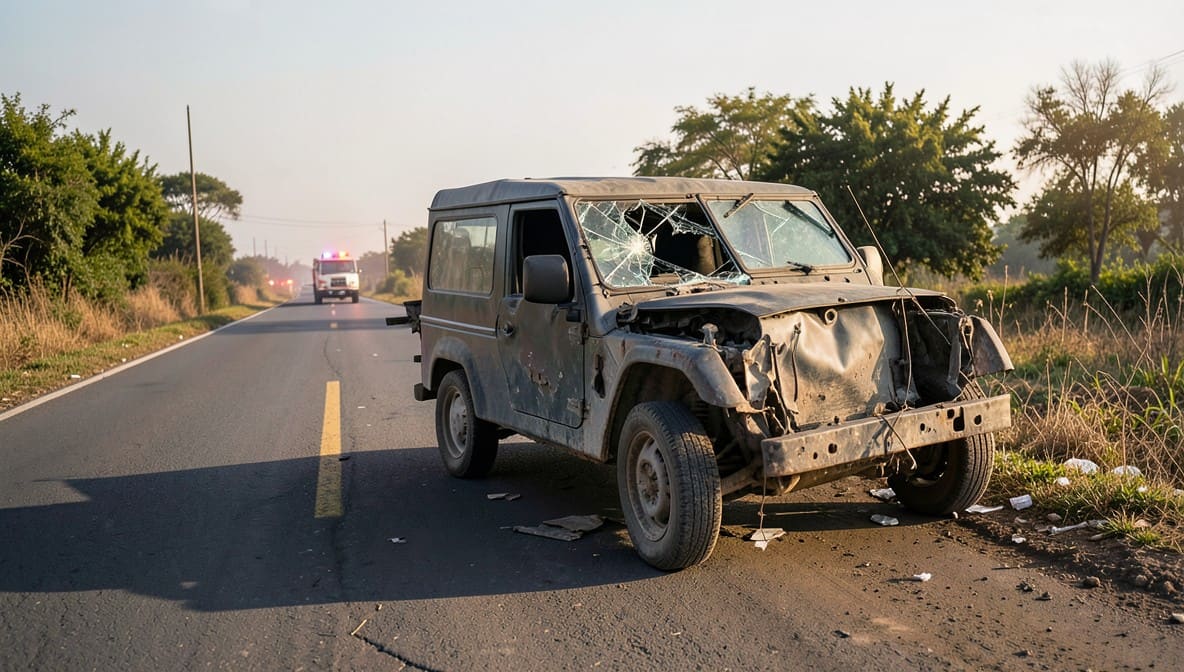
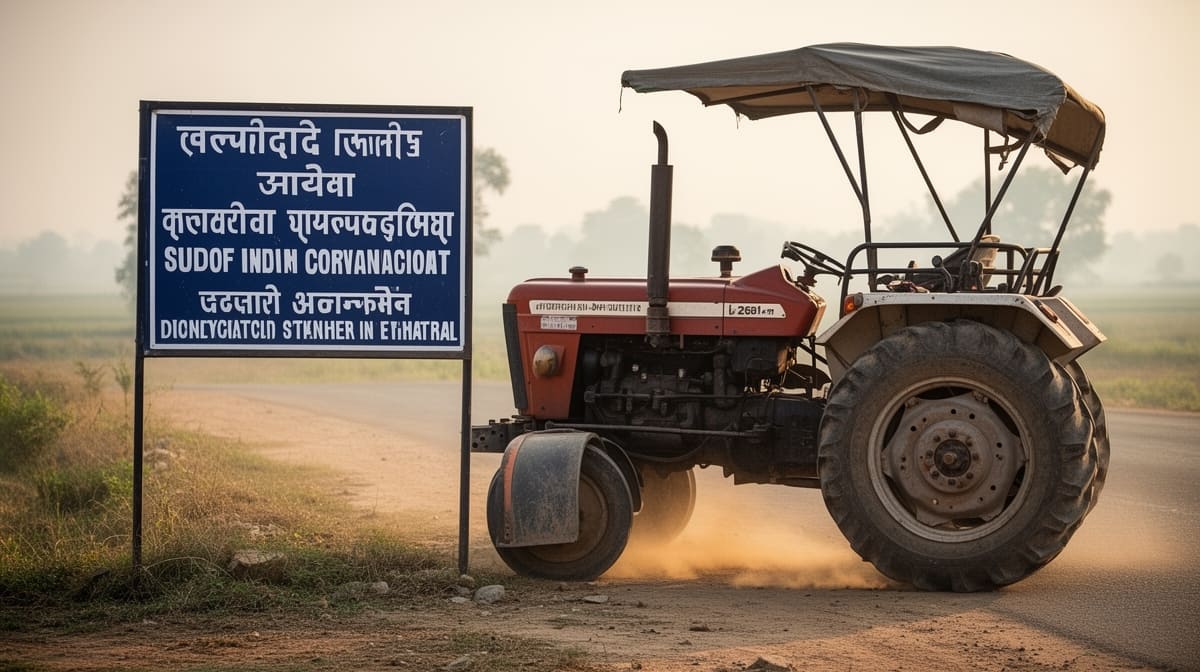
Section 149 MV Act | Insurer Entitled to Recover Compensation from Insured for Policy Breach Due to Overloaded Agricultural Tractor : Punjab & Haryana HC
Case Law Analysis
|Punjab and Haryana High Court

Section 149 MV Act | Insurer Entitled to Recover Compensation from Insured for Policy Breach Due to Overloaded Agricultural Tractor : Punjab & Haryana HC

Punjab & Haryana HC upholds insurer's right to recover compensation paid to third-party victims where the insured breached policy terms by attaching two overloaded trolleys to an agricultural tractor. The ruling reinforces that policy violations nullify insurer liability, shifting financial burden back to the insured.
Natural Justice in Motor Insurance | Delayed FIR or Fake License Allegations Cannot Bar Claims Without Inquiry : Calcutta HC
|Calcutta High Court

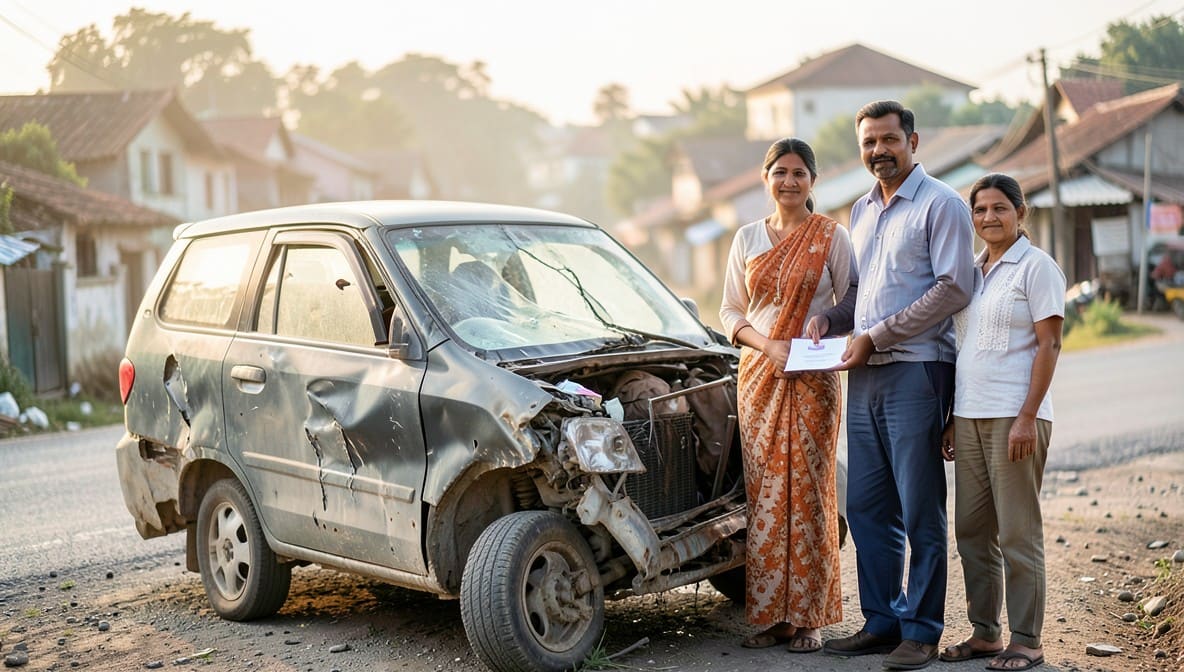
Natural Justice in Motor Insurance | Delayed FIR or Fake License Allegations Cannot Bar Claims Without Inquiry : Calcutta HC

Calcutta High Court rules that insurers cannot reject motor accident claims solely based on delayed FIR filing or unverified allegations of fake licenses. The court mandates a prior inquiry and hearing for the vehicle owner before denying compensation, enhancing the award to Rs. 14 lakh with 6% interest. This reinforces procedural fairness in third-party liability claims under the Motor Vehicles Act.

Motor Vehicles Act | Insurer Must Prove Fundamental Breach Due to Expired License to Avoid Liability, Not Just Allegation : Gauhati HC
Case Law Analysis
|Gauhati High Court

Motor Vehicles Act | Insurer Must Prove Fundamental Breach Due to Expired License to Avoid Liability, Not Just Allegation : Gauhati HC

The Gauhati High Court ruled that an insurer cannot deny motor accident compensation solely by claiming the driver’s license had expired - it must demonstrate a material breach of policy terms and actual negligence. This shifts the burden of proof to insurers and reinforces policyholder protection under Section 147 of the MV Act, affecting claims handling nationwide.

Section 149 MV Act | Insurer Exempt from Liability for Third-Party Claims If Claimant Violates Road Regulations and Driver Lacks License : Karnataka HC
Case Law Analysis
|Karnataka High Court

Section 149 MV Act | Insurer Exempt from Liability for Third-Party Claims If Claimant Violates Road Regulations and Driver Lacks License : Karnataka HC

Karnataka High Court rules that insurers are not liable for compensation under Section 149 of the Motor Vehicles Act if the claimant violates road safety regulations (e.g., riding on a tractor mudguard) and the driver lacks a valid license. The liability shifts to the vehicle owner, reinforcing strict compliance with statutory conditions for third-party insurance claims.

Section 149 MV Act | Insurer Must Prove Policy Breach to Deny Motor Accident Compensation : Bombay HC Nagpur Bench
Case Law Analysis
|Bombay High Court

Section 149 MV Act | Insurer Must Prove Policy Breach to Deny Motor Accident Compensation : Bombay HC Nagpur Bench

Bombay High Court Nagpur Bench rules that insurers cannot escape liability in motor accident claims without adducing concrete evidence of policy breach, reinforcing the statutory burden of proof under Section 149 of the Motor Vehicles Act. The judgment clarifies that mere allegations or procedural lapses are insufficient to repudiate third-party claims, impacting insurers' defense strategies in motor accident tribunals.