Topic

plaint rejection

Plaint rejection under Order VII Rule 11 of the Code of Civil Procedure refers to the dismissal of a plaintiff's initial pleading at the threshold when it is legally insufficient, time-barred, or lacks a cause of action.

18 articlesLatest August 2026
Order VII Rule 11 CPC | Plaintiff’s suit cannot be dismissed on basis of defendant’s de-registration; decision rests on plaint’s averments : J&K HC
Case Law Analysis
|Jammu & Kashmir and Ladakh High Court

Order VII Rule 11 CPC | Plaintiff’s suit cannot be dismissed on basis of defendant’s de-registration; decision rests on plaint’s averments : J&K HC

The Jammu & Kashmir High Court ruled that an Order VII Rule 11 application to dismiss a civil suit must be decided solely on the pleadings, not on the defendant society’s de-registration. This safeguards plaintiffs from dismissal merely because the opponent lacks current registration and clarifies locus-standi under the CPC.
Order VII Rule 11 CPC | Limitation Must Be Determined Solely From Plaint Averments, Not Defendant’s Contentions : Bombay HC
|Bombay High Court

Order VII Rule 11 CPC | Limitation Must Be Determined Solely From Plaint Averments, Not Defendant’s Contentions : Bombay HC

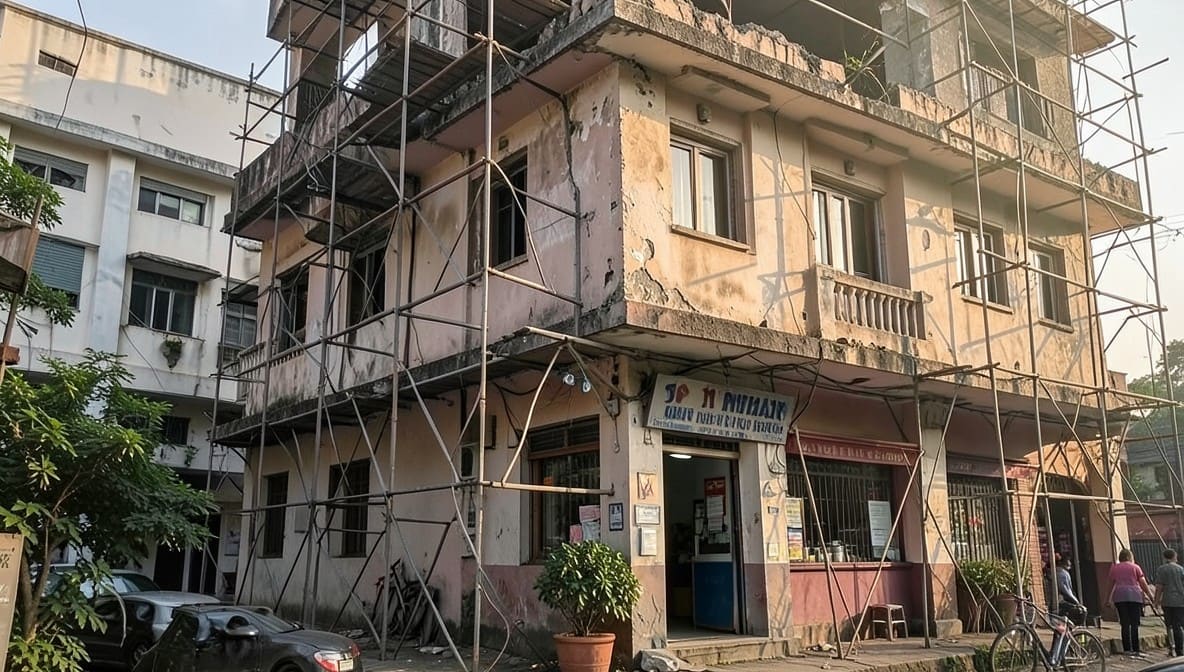
Bombay High Court reinforces that limitation under Order VII Rule 11 CPC is a pure question of law, to be decided exclusively on the plaint’s averments. The ruling revives a tenant’s suit for tenancy declaration, clarifying that the cause of action arose only post-reconstruction of the fire-destroyed property, not from the original tenancy date.

Order VII Rule 11 CPC | Plaint Rejection Requires Holistic Reading of Plaint; Partition Suits Have No Limitation Period: Karnataka HC
Case Law Analysis
|Karnataka High Court

Order VII Rule 11 CPC | Plaint Rejection Requires Holistic Reading of Plaint; Partition Suits Have No Limitation Period: Karnataka HC

Karnataka High Court rules that a plaint cannot be rejected under Order VII Rule 11 CPC without a meaningful reading of its entirety. The judgment also clarifies that partition suits are not barred by limitation, and fraud discovery triggers a fresh cause of action, reinforcing procedural fairness in property disputes.

Order VII Rule 11 CPC | Plaint Rejection Mandatory for Stale Partition Claims Beyond Limitation Period: Karnataka HC
Case Law Analysis
|Karnataka High Court

Order VII Rule 11 CPC | Plaint Rejection Mandatory for Stale Partition Claims Beyond Limitation Period: Karnataka HC

Karnataka High Court holds that partition suits challenging a 20-year-old registered partition deed are barred by limitation and lack cause of action, reinforcing that courts must reject such plaints under Order VII Rule 11 CPC. The ruling underscores the finality of settled property divisions and protects defendants from vexatious litigation.

Order VII Rule 11 CPC | Plaint in Partition Suit Cannot Be Rejected for General Property Description or Deficient Court Fee if Cause of Action and Constructive Possession Are Pleaded : Madras HC
Case Law Analysis
|Madras High Court

Order VII Rule 11 CPC | Plaint in Partition Suit Cannot Be Rejected for General Property Description or Deficient Court Fee if Cause of Action and Constructive Possession Are Pleaded : Madras HC

Madras High Court rules that a plaint in a partition suit cannot be dismissed under Order VII Rule 11 CPC merely for vague property description or insufficient court fees if the plaintiff establishes a cause of action and constructive possession. Such defects are triable issues, not grounds for outright rejection, reinforcing procedural fairness in property disputes.

Order 7 Rule 11 CPC | Cause of Action Must Be Assessed Solely from Plaint Averments, Not Defendant’s Title Claims or Pending Revenue Proceedings : Chhattisgarh HC
Case Law Analysis
|Chhattisgarh High Court

Order 7 Rule 11 CPC | Cause of Action Must Be Assessed Solely from Plaint Averments, Not Defendant’s Title Claims or Pending Revenue Proceedings : Chhattisgarh HC

The Chhattisgarh High Court has clarified that a civil suit for possession cannot be rejected under Order 7 Rule 11 CPC merely because defendants assert title or reference pending revenue proceedings. The plaint’s averments alone determine the existence of a cause of action, reinforcing that civil courts must not prematurely adjudicate title disputes reserved for revenue authorities. This protects plaintiffs from being shut out at the threshold when land title conflicts are still pending before revenue forums.

Order VII Rule 11 CPC | Plaint Rejection Must Be Based Solely on Plaint Averments; Res Judicata & Evidence Inadmissible : Punjab & Haryana HC
Case Law Analysis
|Punjab and Haryana High Court

Order VII Rule 11 CPC | Plaint Rejection Must Be Based Solely on Plaint Averments; Res Judicata & Evidence Inadmissible : Punjab & Haryana HC

The Punjab & Haryana High Court reaffirmed that applications under Order VII Rule 11 CPC must be decided exclusively on the plaint's averments. Courts cannot consider evidence, prior arbitral awards, or defence pleas to invoke res judicata or estoppel at this stage, ensuring procedural fairness in civil litigation.

Order 7 Rule 11 CPC | Res Judicata Plea Requires Evidence Beyond Plaint; Plaint Rejection Barred at Pleading Stage : MP HC Gwalior
Case Law Analysis
|Madhya Pradesh High Court

Order 7 Rule 11 CPC | Res Judicata Plea Requires Evidence Beyond Plaint; Plaint Rejection Barred at Pleading Stage : MP HC Gwalior

MP High Court rules that res judicata cannot be decided under Order 7 Rule 11 CPC, as it necessitates examination of prior pleadings, issues, and evidence-beyond the scope of plaint scrutiny. The judgment reinforces that plaint rejection at this stage is impermissible, shifting the burden to trial for factual adjudication.

Order VII Rule 11 CPC | Limitation as Mixed Question of Law and Fact Cannot Be Decided on Pleadings Alone: Allahabad HC
Case Law Analysis
|Allahabad High Court

Order VII Rule 11 CPC | Limitation as Mixed Question of Law and Fact Cannot Be Decided on Pleadings Alone: Allahabad HC

The Allahabad High Court ruled that when a plaintiff alleges late discovery of a key document affecting limitation, the issue cannot be resolved at the threshold under Order VII Rule 11 CPC without evidence. This protects plaintiffs from premature dismissal where factual disputes over knowledge or concealment require trial, reinforcing procedural fairness in property disputes.

Order 7 Rule 11 CPC | Plaint Rejection Mandatory for Time-Barred Claims & Illusory Cause of Action : MP HC
Case Law Analysis
|Madhya Pradesh High Court

Order 7 Rule 11 CPC | Plaint Rejection Mandatory for Time-Barred Claims & Illusory Cause of Action : MP HC

Madhya Pradesh High Court reinforces that plaintiffs must demonstrate a real, enforceable cause of action within limitation periods under Article 54 of the Limitation Act. The ruling dismisses a specific performance suit filed a decade after the agreement, setting a precedent for stricter scrutiny of delayed claims under Order 7 Rule 11 CPC.

Order VII Rule 11 CPC | Plaint Rejection Barred If Material Facts Disclose Passing Off Cause of Action : Delhi HC
Case Law Analysis
|Delhi High Court

Order VII Rule 11 CPC | Plaint Rejection Barred If Material Facts Disclose Passing Off Cause of Action : Delhi HC

Delhi High Court rules that a plaint cannot be rejected under Order VII Rule 11(a) CPC if it discloses material facts establishing a passing off cause of action, even if trademark ownership is disputed. The judgment underscores that threshold rejection is unwarranted where allegations of deceptive packaging, continuous trademark use, and goodwill are pleaded.