The Delhi High Court has reaffirmed that a plaint cannot be summarily rejected at the threshold under Order VII Rule 11(a) CPC merely because the defendant disputes the plaintiff’s ownership or licensing rights. The Court emphasized that the inquiry at this stage is limited to whether the plaint discloses a cause of action, not whether the plaintiff will ultimately succeed.
Background & Facts
The Dispute
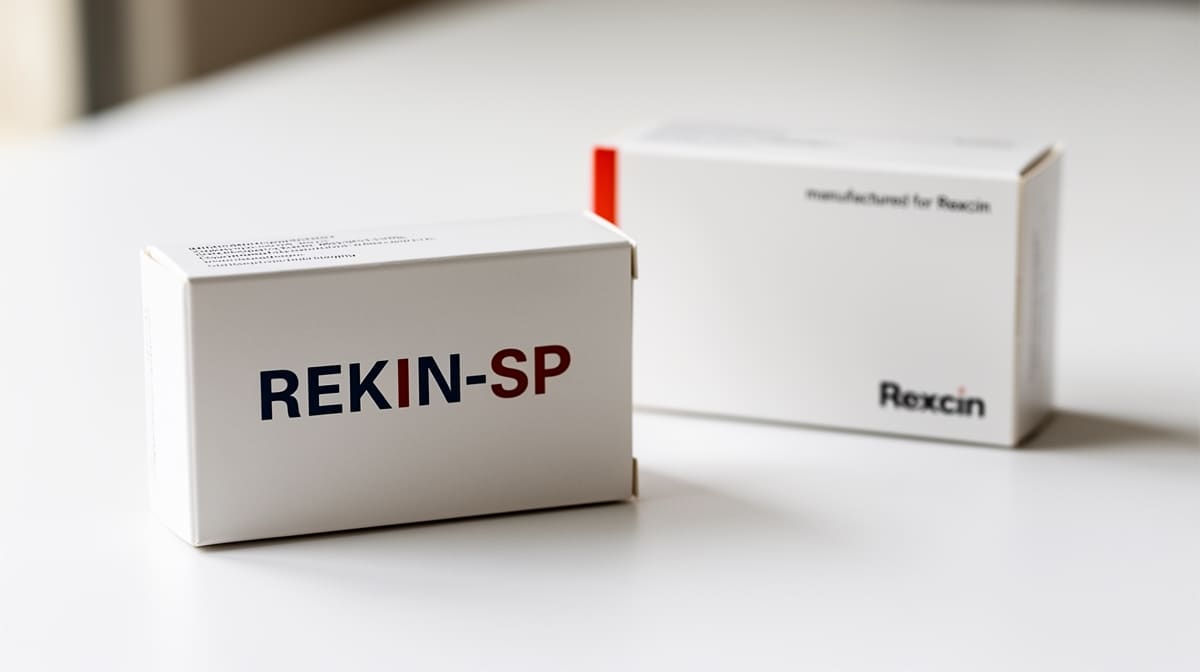
The Appellant, Coromandel Indag Products India Ltd., is an Indian agro-chemical company and parent entity of Agrimas Chemicals Ltd. and Coromandel Agrico Pvt. Ltd. (under liquidation). It instituted a suit against Sumitomo Chemical Company Ltd. and another defendant (collectively, "Respondents") alleging infringement of its trademark "PADAN", copyright in its product packaging, and passing off. The suit was filed after the Respondents allegedly launched a pesticide product in May 2023 with packaging deceptively similar to the Appellant’s.
Key Facts
- The Appellant has been using the mark "PADAN" in India since 1988 for insecticides and pesticides.
- On 27.01.2000, the Appellant appointed CAPL (Coromandel Agrico Pvt. Ltd.) as its marketing agent.
- On 06.12.2004, the Appellant entered into a royalty-based license agreement with CAPL, granting CAPL the right to use the trademarks "PADAN 4G" and "PADAN 50SP".
- The Respondents, through their predecessor Takeda Chemical Industries Ltd., hold registered trademarks for "PADAN" (Class 05) since 1970 and 2010.
- The Appellant claims it was granted a non-exclusive, royalty-free license by Takeda to use the mark "PADAN" in India.
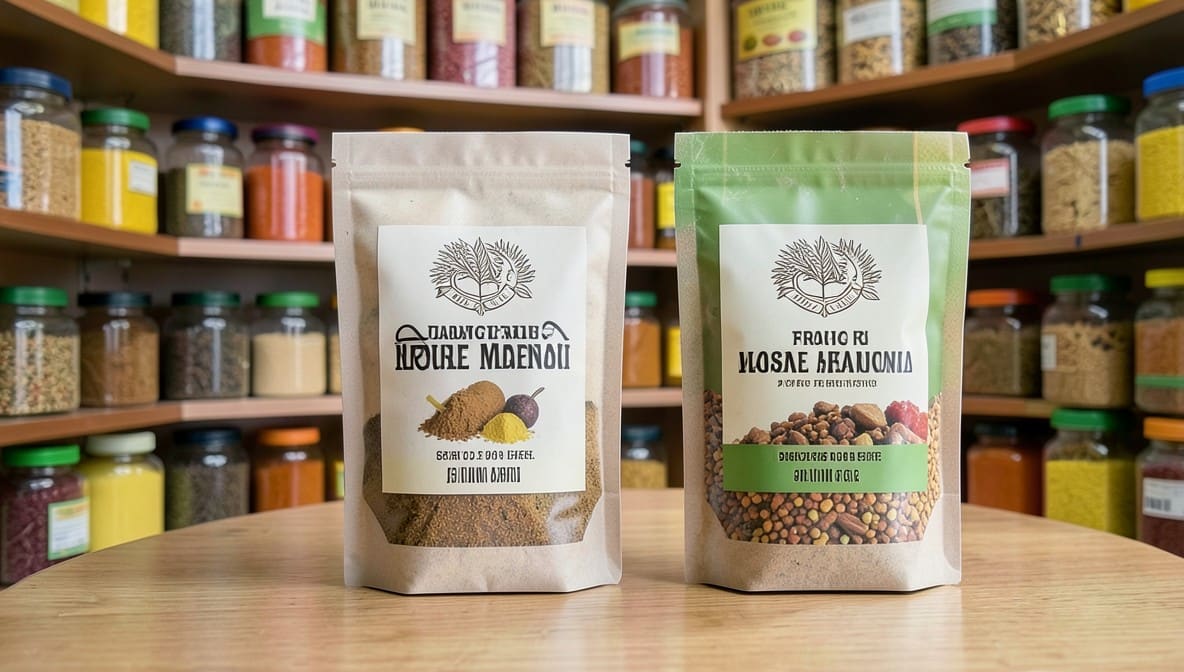
- The Appellant designed its own packaging artwork in 2006, which it claims is protected under the Copyright Act, 1957.
- Between 2013 and 2022, CAPL generated sales of approximately Rs. 913.68 crores and incurred promotional expenses of Rs. 49.75 crores under the "PADAN" mark.
- In May 2023, the Appellant discovered that Defendant No. 2 was marketing a pesticide under the name "PADAN" with packaging substantially similar to its own.
- The Appellant filed a cancellation petition against the Respondents’ trademark registration on 15.06.2023.
- The Appellant’s Notice of Assignment dated 29.10.2002 and Takeda’s letter dated 31.10.2002 to the Central Insecticide Board identified the Appellant and Agrimas as authorized importers of Cartap Hydrochloride.
- The Appellant holds valid registrations under Section 9(3) of the Insecticides Act, 1968 for "PADAN 4G" and "PADAN 50SP".
- CAPL is currently undergoing liquidation proceedings.
Procedural History
- 06.12.2004: License agreement executed between Appellant and CAPL.
- 24.12.2007: Takeda sent an email granting temporary license to source product from other suppliers.
- 26.12.2005: Distribution Agreement (DA) executed between Takeda and CAPL (not the Appellant).
- 15.03.2003: Trademark Agreement between Takeda and CAPL (not filed by Appellant).
- 04.04.2006: Assignment Deed executed between Mr. Uttam Sharma and CAPL for packaging artwork.
- 04.01.2011: Respondents’ letter terminated the license, but supply did not resume.
- May 2023: Appellant discovered Respondent No. 2’s allegedly infringing product.
- 15.06.2023: Cancellation petition filed against Respondents’ trademark registration.
- 03.07.2025: Single Judge of Delhi High Court rejected the plaint under Order VII Rule 11(a) CPC.
- 22.01.2026: Judgment reserved.
- 18.03.2026: Judgment pronounced by Division Bench.
The Parties' Positions
Appellant (Plaintiff): Claims exclusive use of "PADAN" since 1988, acquired goodwill, designed packaging in 2006, and was granted license by Takeda. Argues that CAPL’s use inures to its benefit under Section 48(2) of the Trade Marks Act, 1999. Asserts that Respondents’ use of similar packaging constitutes passing off and copyright infringement.
Respondents (Defendants): Contend that the Appellant has no locus standi as it is not the registered proprietor of "PADAN". Argue that CAPL was the licensee, not the Appellant, and that the Appellant cannot sue on behalf of CAPL, which is under liquidation. Assert that the Assignment Deed expired after five years under Section 19(5) of the Copyright Act, 1957. Claim the Appellant concealed material documents (DA, Trademark Agreement) and that the suit is vexatious.
Relief Sought
The Appellant sought:
- A permanent injunction restraining the Respondents from using "PADAN" or any deceptively similar mark or packaging.
- A declaration that the Appellant is the rightful owner of the trademark and packaging.
- Damages of Rs. 2,00,01,000.
- An account of profits.
- Costs of litigation.
The Legal Issue
Whether the plaint discloses a cause of action for passing off, copyright infringement, and trademark dilution under Order VII Rule 11(a) CPC, where the plaintiff claims exclusive use of a mark through a licensee, despite the defendant being the registered proprietor?
Arguments Presented
For the Appellant
The Appellant’s counsel, Mr. J. Sai Deepak, argued that the Single Judge erred by conducting a mini-trial. He contended that Order VII Rule 11(a) permits rejection only if the plaint, on its face, discloses no cause of action - even if the allegations are disputed. He relied on Mayar (H.K.) Ltd. v. Owners & Parties, Vessel M.V. Fortune Express and Inspiration Clothes & U. v. Colby International Ltd. to assert that all averments must be presumed true. He emphasized that the Appellant’s license agreement with CAPL, its prior use since 1988, and the sales and promotional expenditure figures (even if through CAPL) establish goodwill inuring to its benefit under Section 48(2) of the Trade Marks Act. He further argued that the Assignment Deed’s expiry under Section 19(5) is a triable issue, as the artwork’s scope and reversion of rights require evidence. He denied concealment, stating the DA was not in his client’s possession.
For the Respondent
The Respondents’ counsel, Mr. Rajshekhar Rao, contended that the Appellant lacks locus standi as it is not the registered proprietor and was never a party to the license agreements with Takeda. He relied on Sant Lal Jain v. Avtar Singh and Viridian Development Managers Pvt. Ltd. v. RPS Infrastructure Ltd. to argue that a licensee cannot assert proprietary rights against the licensor. He asserted that the Appellant’s reliance on CAPL’s sales and promotional figures is legally untenable, as CAPL is a separate legal entity under liquidation. He argued that the Assignment Deed expired in 2011, extinguishing copyright claims. He further claimed suppression of material documents (DA and Trademark Agreement) rendered the plaint fraudulent under S.P. Chengalvaraya Naidu v. Jagannath.
The Court's Analysis
The Division Bench of the Delhi High Court undertook a meticulous review of the principles governing Order VII Rule 11(a) CPC. It held that the rejection of a plaint at the threshold is an extraordinary remedy and must be exercised with extreme caution. The Court reiterated that the plaint must be read as a whole, and all averments must be presumed true for the purpose of determining whether a cause of action is disclosed.
"The test is as to whether if the averments made in the plaint are taken to be correct in their entirety, a decree would be passed."
The Court found that the Appellant’s plaint contained sufficient material facts to establish a cause of action for passing off and copyright infringement. The plaint alleged continuous use of the mark since 1988, substantial sales and promotional expenditure through its licensee CAPL, design of distinctive packaging in 2006, and the Respondents’ adoption of deceptively similar packaging in May 2023. These facts, if proven, would entitle the Appellant to relief under common law and statutory provisions.
The Court rejected the Single Judge’s reliance on the Distribution Agreement (DA) filed by the Respondents. It held that documents not annexed to the plaint and filed by the defendant cannot be used to reject the plaint under Order VII Rule 11(a). The DA was not a document "sued upon" but was invoked to defeat the claim, making its consideration impermissible at this stage.
Regarding copyright, the Court noted that the Assignment Deed’s expiry under Section 19(5) of the Copyright Act, 1957, does not extinguish copyright but may result in reversion of rights - a matter requiring evidence. The scope of the artwork assigned was unclear, as the annexure was not part of the record.
On goodwill, the Court held that the Appellant’s claim that CAPL’s use inures to its benefit under Section 48(2) of the Trade Marks Act is a plausible legal argument that cannot be dismissed at the threshold. The fact that CAPL is under liquidation does not negate the Appellant’s independent claim as the licensor.
The Court also found the Single Judge’s characterization of the cause of action as "illusory" to be legally untenable. The term "illusory" applies only where the plaint is cleverly drafted to create a false semblance of a right without pleading material facts. Here, the Appellant pleaded specific facts - use, license, packaging design, and infringement - that, if proven, would entitle it to relief.
The Court emphasized that issues such as the applicability of the group of companies doctrine, the effect of the license agreement, and the validity of the Assignment Deed are triable issues requiring evidence and cannot be decided at the pleading stage.
The Verdict
The appeal was allowed. The Delhi High Court set aside the Single Judge’s order dated 03.07.2025 rejecting the plaint under Order VII Rule 11(a) CPC. The suit is restored to its original number and shall proceed to trial. The learned Single Judge is directed to adjudicate the suit uninfluenced by any observations made in this judgment. The parties are directed to appear before the Single Judge (Roster Bench) on 30.03.2026 for further proceedings. No order as to costs.
What This Means For Similar Cases
Pleadings Must Be Read Holistically, Not Fragmented
- Practitioners must ensure that pleadings contain all material facts - even if they are complex or involve third-party entities like licensees or sister concerns.
- Courts cannot dissect a plaint to isolate alleged weaknesses; the entire document must be read as a unified narrative.
- A cause of action is disclosed if the plaint, assuming truth of its averments, entitles the plaintiff to relief - even if success is uncertain.
Licensing Relationships Do Not Automatically Bar Suits
- A licensor can sue for passing off or infringement even if its licensee is the direct user of the mark, provided the license agreement is pleaded.
- Use by a licensee inures to the benefit of the licensor under Section 48(2) of the Trade Marks Act, 1999, and this principle must be pleaded, not proven, at the threshold.
- The liquidation of a licensee does not extinguish the licensor’s independent cause of action.
Documents Filed by Defendants Cannot Be Used to Reject a Plaint
-
A plaintiff cannot be penalized for not annexing documents that are in the defendant’s possession.
-
The doctrine of incorporation by reference applies only to documents "sued upon," not those used to rebut the claim.
-
At the Order VII Rule 11(a) stage, courts must not engage in evidentiary evaluation or weigh competing documents.
-
Practitioners should avoid over-reliance on documents filed by defendants to argue rejection of plaints.
-
Where a document is central to the defense, the appropriate remedy is to raise it in the written statement and seek its consideration at trial, not at the threshold.
-
Courts must distinguish between a "no cause of action" plea and a "no right to sue" plea - the former justifies rejection; the latter requires trial and dismissal.