Topic

Opportunity of Hearing

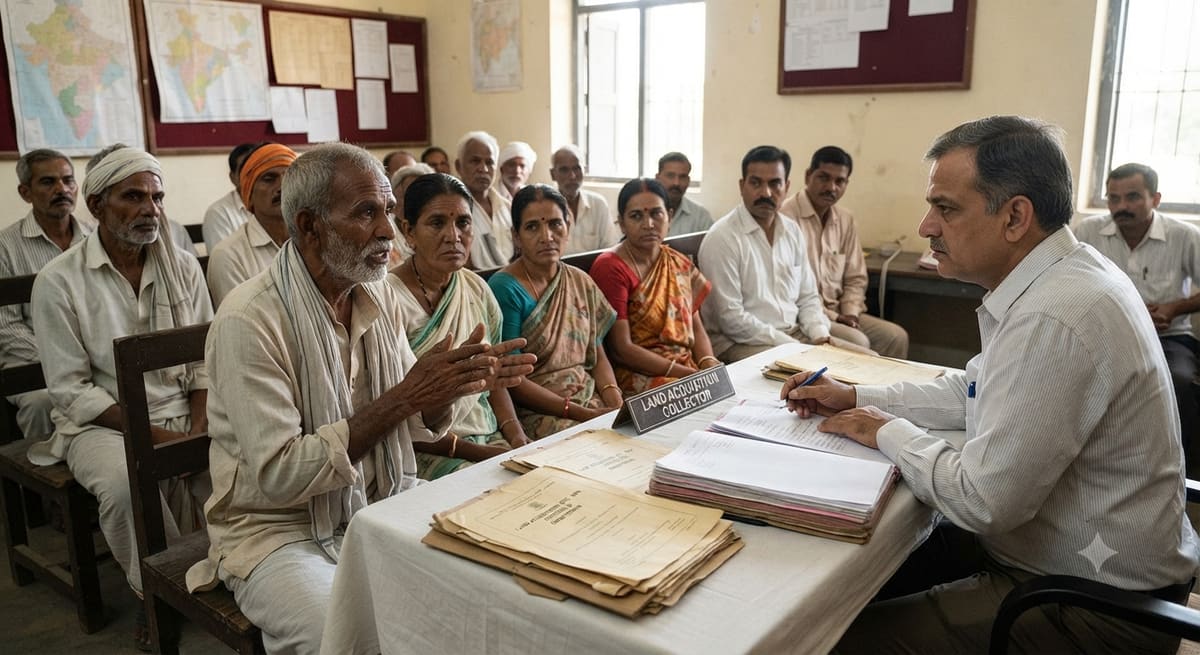
Under Indian law, the opportunity of hearing ensures that individuals are given a fair chance to present their case before any adverse order is passed by quasi-judicial or administrative authorities.

12 articlesLatest July 2026
Section 5A Land Acquisition Act | Effective Opportunity of Hearing Mandatory, Not Mere Formality: SC Reinforces Natural Justice
Case Law Analysis
|Supreme Court of India

Section 5A Land Acquisition Act | Effective Opportunity of Hearing Mandatory, Not Mere Formality: SC Reinforces Natural Justice

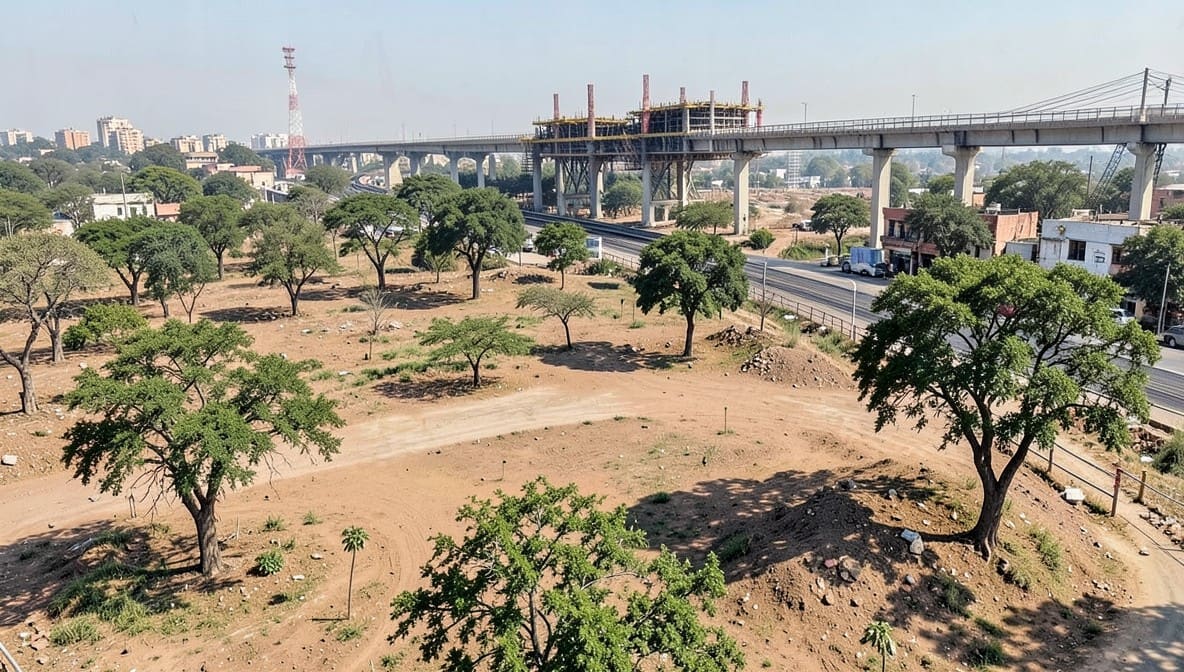
The Supreme Court ruled that compliance with Section 5A of the Land Acquisition Act, 1894 requires more than a ritualistic hearing-landowners must be afforded a genuine and effective opportunity to present objections. The judgment quashes acquisition proceedings where objections were mechanically processed, reinforcing the principles of natural justice in administrative actions affecting property rights.
Section 5A Land Acquisition Act | Effective Opportunity of Hearing Mandatory, Not Mere Procedural Formality : SC
Case Law Analysis
|Supreme Court of India

Section 5A Land Acquisition Act | Effective Opportunity of Hearing Mandatory, Not Mere Procedural Formality : SC

The Supreme Court ruled that landowners cannot bypass Section 5A proceedings and later challenge acquisition on grounds of denied hearing. The opportunity of hearing must be substantive, not just ritualistic, and procedural compliance suffices only if objections lack merit. This reinforces natural justice principles in eminent domain cases, impacting landowners, government agencies, and administrative law practitioners.

Section 411 Kerala Municipality Act | No Eviction Without Hearing Long-Standing Commercial Tenant: Kerala HC
Case Law Analysis
|Kerala High Court

Section 411 Kerala Municipality Act | No Eviction Without Hearing Long-Standing Commercial Tenant: Kerala HC

The Kerala High Court ruled that a municipality cannot evict a fish merchant who has operated on the same site for over 50 years and paid regular rent, even under Section 411 for structural danger, without providing a meaningful opportunity to be heard. This reinforces that natural justice applies to all state actions affecting livelihoods, regardless of emergency claims.

Natural Justice | Ex-Parte Assessment Under Section 144 Income Tax Act Void Without Effective Opportunity of Hearing: ITAT Delhi
Case Law Analysis
|Income Tax Appellate Tribunal

Natural Justice | Ex-Parte Assessment Under Section 144 Income Tax Act Void Without Effective Opportunity of Hearing: ITAT Delhi

ITAT Delhi sets aside an ex-parte assessment order for failing to provide the assessee a genuine chance to respond to notices, emphasizing that procedural fairness under natural justice is non-negotiable even in tax proceedings. The ruling mandates de-novo proceedings, reinforcing that mechanical compliance with notice issuance does not suffice to uphold an ex-parte order.

Natural Justice | Cost Imposed for Non-Cooperation During Tax Proceedings After Ex Parte Dismissal for Failure to Grant Hearing : ITAT Ranchi
Case Law Analysis
|Income Tax Appellate Tribunal

Natural Justice | Cost Imposed for Non-Cooperation During Tax Proceedings After Ex Parte Dismissal for Failure to Grant Hearing : ITAT Ranchi

The ITAT Ranchi restored assessment proceedings to the Assessing Officer after finding the denial of a fair hearing violated natural justice, but imposed a Rs. 10,000 cost per appeal on the assessee for deliberate non-cooperation despite repeated notices. This sets a clear precedent that procedural fairness must be upheld, but willful obstruction in tax litigation carries financial consequences.

Gujarat Regularization of Unauthorized Development Act | Quasi-Judicial Authorities Must Apply Independent Mind, Not Rely Solely on Panel Advocate Opinions : Gujarat HC
Case Law Analysis
|Gujarat High Court

Gujarat Regularization of Unauthorized Development Act | Quasi-Judicial Authorities Must Apply Independent Mind, Not Rely Solely on Panel Advocate Opinions : Gujarat HC

The Gujarat High Court ruled that quasi-judicial authorities under the Gujarat Regularization of Unauthorized Development Act must independently evaluate applications and afford hearings, rather than mechanically adopting panel advocate opinions. The judgment underscores that procedural fairness cannot be sacrificed for administrative convenience, impacting all regularization applicants in the state.