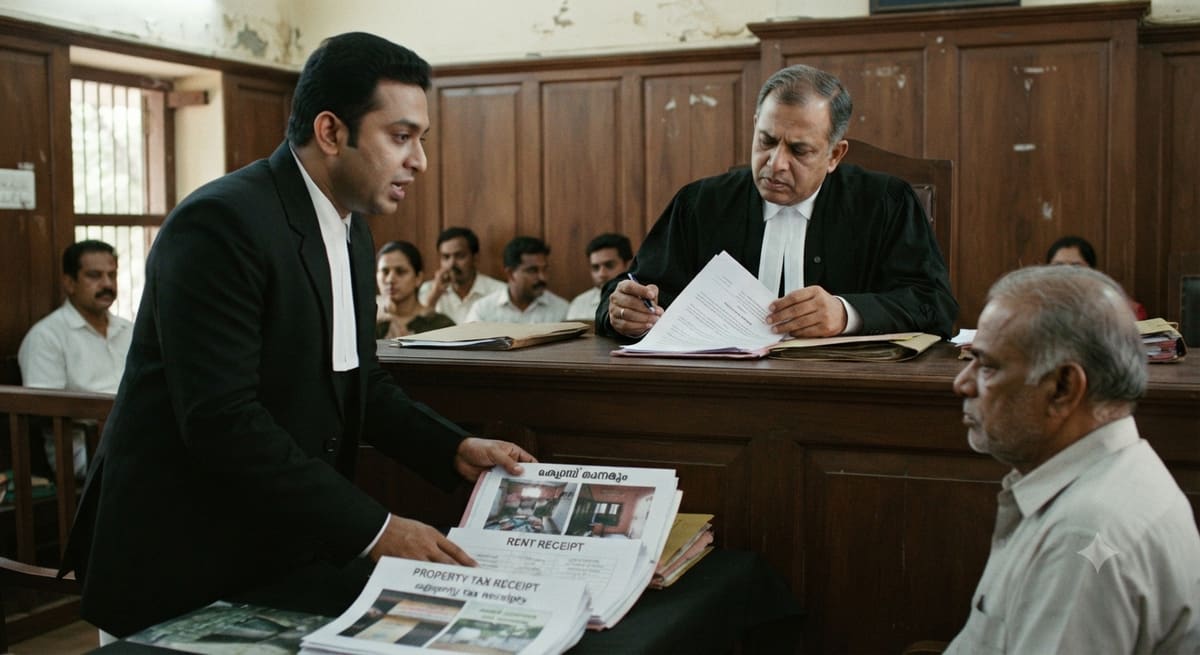
The Kerala High Court has underscored the importance of natural justice in administrative actions, directing the Ramanattukara Municipality to provide an opportunity of hearing to a fish merchant before enforcing an eviction notice under Section 411 of the Kerala Municipality Act. The judgment reinforces that coercive steps cannot be taken without affording the affected party a fair hearing, even in cases involving dangerous structures.
Background & Facts
The Dispute
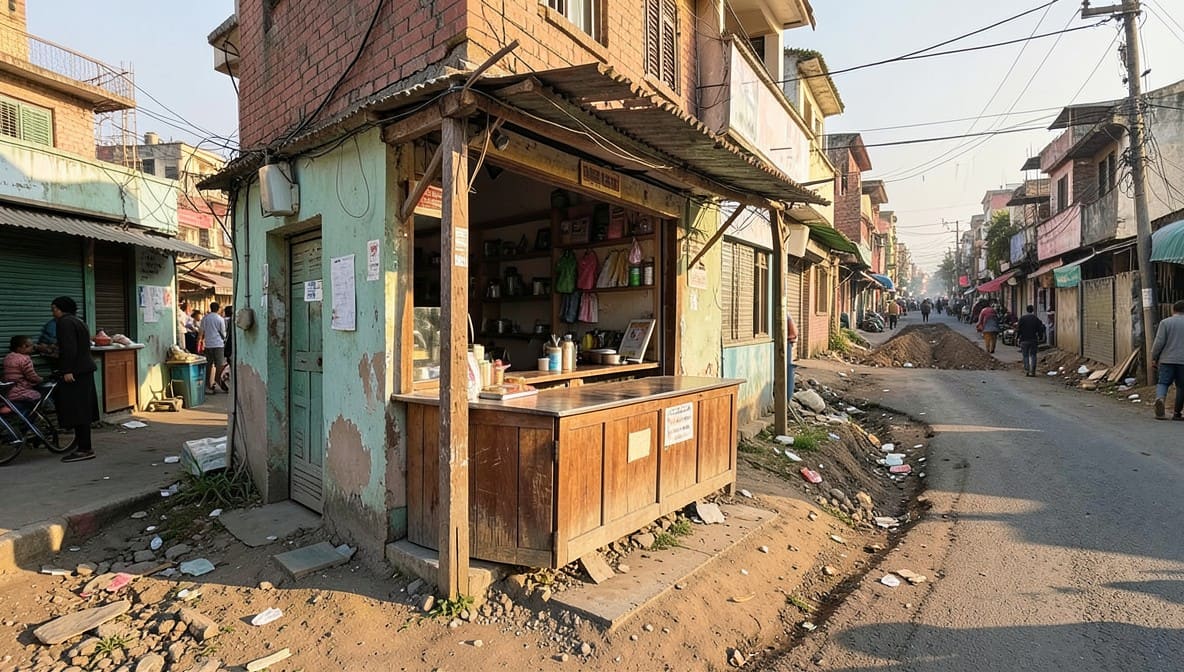
The petitioner, Saidalavi PP, a 65-year-old fish merchant from Kozhikode, has been conducting his business from a premises allotted by the 1st Respondent (Ramanattukara Municipality) approximately 56 years ago. The building was reconstructed about 35 years ago, and the petitioner has been paying regular rent for the premises. On 25.06.2026, the Municipality issued Exhibit P2, a notice directing the petitioner to stop his business within 24 hours, citing the building's dangerous condition as per a report by the Government Engineering College, Kozhikode. The petitioner challenged this notice, alleging it was issued without affording him an opportunity of hearing.
Key Facts
- The petitioner has been operating his fish vending business from the premises for 56 years
- The building was reconstructed 35 years ago
- The petitioner has been paying rent regularly, as evidenced by Exhibit P1 (receipts dated 21.04.2026, 27.04.2026, and 18.06.2026)
- Exhibit P2: Notice No. 2977251/2025 dated 25.06.2026 issued by the Municipality directing the petitioner to stop business within 24 hours
- Exhibit P3: Notice dated 29.06.2026 sent by the petitioner's counsel to the Municipality, contesting Exhibit P2
- The Municipality relied on a report by the Government Engineering College, Kozhikode, stating the building was in a dangerous condition
Procedural History
- 25.06.2026: Municipality issued Exhibit P2 directing the petitioner to stop business within 24 hours
- 29.06.2026: Petitioner's counsel sent Exhibit P3, a legal notice contesting Exhibit P2
- 01.07.2026: Petitioner filed Writ Petition (C) No. 22295 of 2026 before the Kerala High Court seeking:
- Quashing of Exhibit P2
- Direction to the Municipality to consider Exhibit P3 and pass appropriate orders after hearing the petitioner
- Maintenance of status quo regarding the petitioner's business
- Dispensation of translation of vernacular documents
Relief Sought
The petitioner sought:
- Quashing of Exhibit P2 (notice dated 25.06.2026)
- A direction to the Municipality to consider Exhibit P3 (petitioner's representation dated 29.06.2026) and pass appropriate orders after affording an opportunity of hearing
- Maintenance of status quo regarding the petitioner's business until the Municipality passes fresh orders
- Dispensation of the requirement to file translations of vernacular documents
The Legal Issue
The central question was whether the Municipality could issue a coercive order under Section 411 of the Kerala Municipality Act directing the petitioner to stop his business without affording him an opportunity of hearing, thereby violating the principles of natural justice.
Arguments Presented
For the Petitioner
The counsel for the petitioner contended that:
- Exhibit P2 was issued arbitrarily and without affording the petitioner an opportunity of hearing, violating the principles of natural justice
- The petitioner had been conducting his business for 56 years and had reconstructed the building 35 years ago, with no prior complaints or notices regarding its structural safety
- The Municipality's reliance on the report by the Government Engineering College was not communicated to the petitioner before issuing Exhibit P2
- The petitioner had a legitimate expectation to be heard before any coercive action was taken against him
For the Respondent
The Standing Counsel for the Municipality argued that:
- The Municipality acted under Section 411 of the Kerala Municipality Act, which empowers it to take immediate steps in cases involving dangerous structures
- The report by the Government Engineering College, Kozhikode, clearly stated that the building was in a dangerous condition, necessitating urgent action
- The petitioner had been given sufficient time to address the issue, as evidenced by the long-standing nature of the business
- The Municipality's actions were in the public interest to prevent potential harm from a dangerous structure
The Court's Analysis
The Court observed that while the Municipality is empowered under Section 411 of the Kerala Municipality Act to take immediate steps in cases involving dangerous structures, such powers must be exercised in accordance with the principles of natural justice. The Court noted that Exhibit P2 was issued without affording the petitioner an opportunity of hearing, which is a fundamental requirement of administrative fairness.
The Court relied on the well-established principle that no person shall be condemned unheard, even in cases involving urgent administrative actions. The judgment emphasized that while the Municipality's concern for public safety was valid, it could not override the petitioner's right to be heard.
"Petitioner can be allowed to submit a representation, and the petitioner can be allowed to appear before the 2nd respondent tomorrow at 10.00 am. The 2nd respondent will hear the grievance of the petitioner and, thereafter, pass appropriate orders tomorrow itself. Till tomorrow, no coercive steps shall be taken to evict the petitioner from the premises based on Ext.P2, on condition that the petitioner will not conduct fish business."
The Court disposed of the writ petition with the following directions:
- The petitioner is permitted to submit a representation and appear before the 2nd Respondent (Secretary of the Municipality) on 02.07.2026 at 10:00 AM
- The 2nd Respondent shall hear the petitioner's grievance and pass appropriate orders on the same day (02.07.2026)
- No coercive steps shall be taken to evict the petitioner based on Exhibit P2 until 02.07.2026, provided the petitioner does not conduct his fish business during this period
The Verdict
The Kerala High Court disposed of Writ Petition (C) No. 22295 of 2026 with the following directions:
- The petitioner is permitted to appear before the 2nd Respondent (Secretary of the Municipality) on 02.07.2026 at 10:00 AM to present his grievance
- The 2nd Respondent shall hear the petitioner and pass appropriate orders on 02.07.2026 itself
- No coercive steps shall be taken against the petitioner based on Exhibit P2 until 02.07.2026, subject to the condition that the petitioner refrains from conducting his fish business during this period
- The Municipality is directed to consider the petitioner's representation (Exhibit P3) and pass orders in accordance with the principles of natural justice
What This Means For Similar Cases
Natural Justice Is Non-Negotiable
This judgment reaffirms that administrative authorities cannot bypass the principles of natural justice, even when acting under statutory powers that permit urgent action. Practitioners should note:
- Section 411 of the Kerala Municipality Act empowers municipalities to take immediate steps in cases involving dangerous structures, but this power is not absolute
- The affected party must be afforded an opportunity of hearing before any coercive action is taken, unless the statute explicitly excludes this requirement
- Courts are likely to intervene if administrative actions are taken arbitrarily or without due process
Opportunity of Hearing Must Be Meaningful
- The Court emphasized that the opportunity of hearing must be real and meaningful, not a mere formality
- Authorities must consider representations (Exhibit P3) submitted by affected parties before passing final orders
- In this case, the Municipality was directed to hear the petitioner and pass orders on the very next day (02.07.2026), underscoring the urgency of compliance
Public Interest vs. Individual Rights
- While public safety is a legitimate concern, it cannot be used as a justification to override individual rights without due process
- Authorities must balance public interest with the rights of affected individuals, ensuring that coercive actions are not taken arbitrarily
- Practitioners can argue that even in cases involving dangerous structures, natural justice must be upheld unless the statute provides otherwise